Cancellation Policy for Lake Erie Fishing Charters
There's nothing quite like the thrill of booking a Lake Erie fishing charter. You picture yourself out on the big water, the rod bent, reeling in a trophy walleye or a cooler full of jumbo perch. But then, life happens. A sudden illness, a family emergency, or even just some truly nasty weather can throw a wrench in those plans, and suddenly you're left wondering: "What exactly is the cancellation policy for my Lake Erie fishing charter?" It's a question that can cause a lot of stress, especially when you've invested time and money. This guide is here to walk you through the ins and outs of charter cancellation policies, helping you understand what to expect and how to protect your fishing adventure.
Understanding the Fundamentals of Lake Erie Charter Cancellation Policies
When you book a fishing charter on Lake Erie, you're not just reserving a spot on a boat; you're essentially entering into a mini-contract with the captain. These seasoned professionals rely on their booked trips to make a living, and their operating costs are significant, from fuel to bait to maintenance. This is why cancellation policies are so important – they protect the captain's business while also setting clear expectations for you, the angler.
Most policies are designed to balance the captain's need for income with the unpredictable nature of fishing and life itself. You'll find a range of approaches, but the core idea is usually about compensating the captain for lost revenue if a spot they could have filled now sits empty. It’s not about being punitive; it’s simply good business practice in a seasonal industry where every day on the water counts.
Why Charters Have Cancellation Policies
Imagine a busy Saturday in July, prime walleye season. A captain has been booked solid for months. If an angler cancels last minute, that's a significant financial hit, not just for the day, but potentially for the bait, ice, and crew members already on standby. Charters operate on tight schedules and limited seasons, especially on a fishery as intense as Lake Erie. They can't just pick up another client off the street an hour before departure.
The policy also helps cover preparation costs. Many captains spend hours before a trip getting tackle ready, checking weather forecasts, fueling up, and buying fresh bait. A sudden cancellation, particularly within a tight window, means all that effort and expense could be for naught. This is why you'll almost always encounter some form of deposit or cancellation fee, especially if you cancel close to the trip date.
Common Policy Structures You'll Encounter
Cancellation policies aren't one-size-fits-all, but they often fall into a few general categories. The most common involves a non-refundable deposit to secure your date. This deposit is then applied to your total trip cost. If you cancel within a specified timeframe (e.g., 7 days, 14 days, 30 days), you might forfeit that deposit, but owe nothing more. If you cancel outside that window, you might get your deposit back, or at least a portion of it.
Another common structure involves a tiered system. For instance, canceling 30 days out might result in a full refund of your deposit. Canceling between 15-29 days might mean losing your deposit but no further charge. And canceling within 14 days could result in a charge for the full trip amount if the captain can't rebook the date. When you're looking at different options, especially on booking platforms like FishingBooker, pay close attention to these specifics. They are usually clearly laid out to avoid misunderstandings.
Navigating Common Scenarios Leading to Cancellations
Life is full of surprises, and sometimes, those surprises mean your eagerly awaited fishing trip has to be postponed or canceled. Understanding how different situations typically affect your charter booking can save you a lot of headache and heartache.
Weather-Related Cancellations
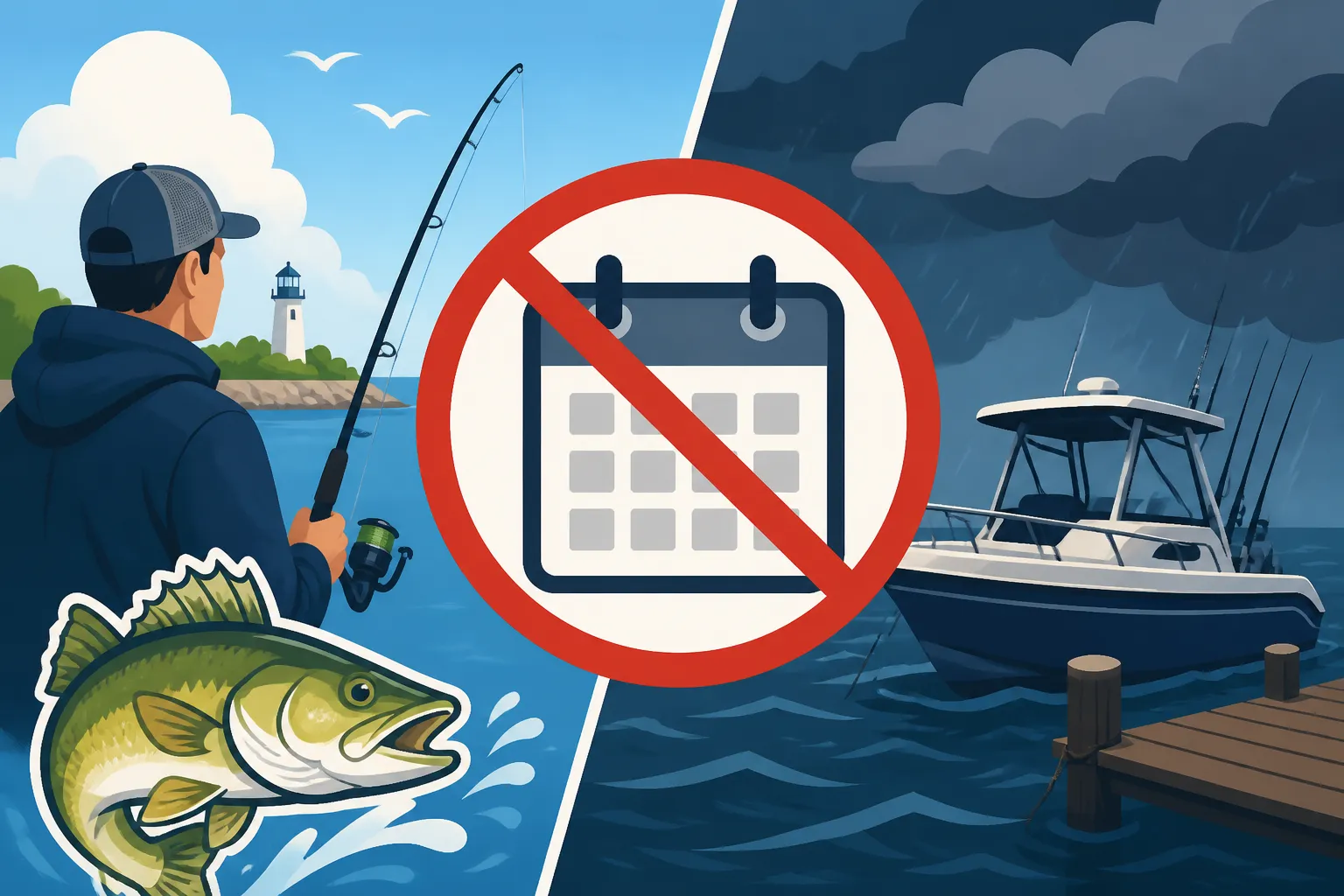
This is, hands down, the most common reason for a Lake Erie charter cancellation, and it's also the one that causes the most confusion and frustration for anglers. You might wake up to a sunny sky, only to get a call from your captain saying the trip is off due to high winds or rough water. Why? Because the captain's number one priority is your safety and a comfortable fishing experience.
Lake Erie can be notoriously fickle. A gentle breeze on shore can translate into significant waves offshore, making for an unsafe or miserable outing. Captains are intimately familiar with the lake's moods and have access to much more detailed marine forecasts than the average angler. They know what conditions are safe and fishable for their particular vessel. Remember, a professional captain would rather lose a day's pay than put clients at risk.
In almost all cases, a captain-initiated cancellation due to weather will result in a full refund of your deposit or the opportunity to reschedule your trip for a later date. It's rare for a reputable captain to keep your money if they are the one canceling for safety reasons. Always check the specific wording in their policy for these instances. If you're wondering What Happens If a Lake Erie Charter Is Canceled for Weather?, it's almost always in your favor for safety reasons.
Client-Initiated Cancellations: Personal Reasons
Unfortunately, sometimes you have to be the one to cancel due to unforeseen circumstances like a sudden illness, a family emergency, or even just scheduling conflicts that pop up. This is where those non-refundable deposits usually come into play. If you cancel, especially within the specified cancellation window, you will likely forfeit your deposit.
Captains understand that emergencies happen, but they also have a business to run. Unlike weather cancellations, which are beyond anyone's control, client-initiated cancellations often mean the captain had a fully booked day that now has a hole in it, and it's too late to fill that spot. Some charters might offer flexibility to rebook if you give significant notice (e.g., several weeks or months), but this is usually at their discretion and depends on their availability. It's crucial to communicate as soon as you know there's an issue.
Captain-Initiated Cancellations: Mechanical Issues or Emergencies
While less common than weather cancellations, a captain might sometimes have to cancel due to a mechanical issue with the boat or an unexpected personal emergency. In these situations, you should always expect a full refund or the option to reschedule your trip without penalty. Just like with weather, if the captain is unable to provide the service they promised, they bear the responsibility.
Reputable charter companies will go out of their way to make things right in these situations, sometimes even helping you find another charter if they are part of a network. Platforms like FishingBooker often have protocols in place to assist if a captain cancels for these reasons, ensuring you're not left high and dry.
Key Elements to Look for in a Charter's Cancellation Policy
Before you commit to booking that dream Lake Erie walleye trip, it's absolutely essential to thoroughly review the charter's cancellation policy. Don't just skim it! Understanding these details upfront can prevent a lot of stress and potential financial loss down the road.
Understanding Deposit Requirements
Almost every reputable Lake Erie fishing charter will require a deposit to hold your date. This is standard practice across the industry and serves as your commitment to the booking. These deposits can vary significantly: some might be a flat fee, others a percentage of the total trip cost.
The crucial detail here is whether the deposit is non-refundable. Many are, especially within a certain timeframe. If you cancel within that specified window, you'll likely lose that deposit. However, if the captain cancels due to weather or mechanical issues, that deposit should always be returned to you. Make sure this distinction is clear in the policy. A transparent policy will clearly state the amount, when it's due, and under what circumstances it is or isn't refundable.
Specified Cancellation Windows
This is perhaps the most critical part of any cancellation policy. Charters will define a specific period, often 7, 14, or 30 days before the trip date, within which different cancellation rules apply.
- Outside the window (e.g., more than 30 days out): You might get a full refund of your deposit, or at least have a higher chance of rescheduling without penalty. This generous lead time often allows the captain a fair chance to rebook the date.
- Within the window (e.g., 14 days or less): This is where things get stricter. You will almost certainly forfeit your deposit. Some policies may even charge you the full amount of the trip if you cancel within a very short timeframe (e.g., 48 hours or less) because the chances of rebooking that spot are practically zero.
Always know this window! If you have any inkling your plans might change, try to notify the captain well outside of this period. Early communication is always the best policy.
Refund vs. Reschedule Options
When a cancellation does occur, especially one initiated by the captain due to weather, you'll typically be offered two options: a full refund or the opportunity to reschedule your trip.
- Refund: This means your money is returned to you. Understand how long this process might take.
- Reschedule: This allows you to pick a new date, often with no additional fees. This can be a great option if you still want to experience Lake Erie fishing and have flexibility in your schedule.
Some policies might specify which option is primary or if one is preferred. For instance, a captain might strongly encourage rescheduling, especially during peak season, to maintain their booking calendar. If you’re dealing with a booking agent or a platform like FishingBooker, they will usually facilitate these options based on the captain's stated policy.
Who Makes the Final Call on Weather?
This detail is paramount for Lake Erie charters: the captain always has the final say on weather-related cancellations. It's not up to you, or your buddy, or what the local news says. The captain's judgment, based on their experience and professional tools, is the only one that counts when it comes to safety on the water.
A clear policy will explicitly state this. If a captain determines conditions are unsafe, the trip is off, and you should not argue or try to pressure them. They're looking out for everyone's well-being. Knowing this upfront helps manage expectations and reduces potential conflict.
Here's a quick comparison of what you might typically see in different policy types:
| Policy Type | Deposit | Client Cancellation (within window) | Captain Cancellation (Weather/Mech) | Reschedule Option |
|---|---|---|---|---|
| Flexible | Small/No | Full refund or rebook easily | Full refund or rebook | Yes, often preferred |
| Moderate | Non-ref. | Deposit forfeited, potential rebook fee | Full refund or rebook | Yes, good notice needed |
| Strict | Non-ref. | Deposit forfeited, full trip charged | Full refund or rebook | Rarely, unless significant notice |
Note: These are general examples. Always check the specific charter's policy.
What to Do When a Cancellation Becomes Necessary
No one likes to cancel a long-awaited fishing trip, but sometimes it's unavoidable. Knowing the right steps to take can make the process smoother and minimize any potential financial impact.
Prompt and Clear Communication
The single most important piece of advice regarding cancellations is to communicate as soon as possible. If you know you might need to cancel or reschedule, don't wait until the last minute. The more notice you give, the better the chances the captain can rebook your slot, and the more likely they might be flexible with their policy.
Contact the captain directly via their preferred method (phone, email, text). State your intention clearly and politely. If you've booked through a third-party platform like FishingBooker, it's often best to notify them as well, as they may have specific procedures for handling cancellations. Keep a record of your communication, including dates and times, just in case there's any confusion later.
Review Your Booking Agreement
Before you even pick up the phone, take a moment to re-read the cancellation policy you agreed to when you booked. This seems obvious, but many people skip this step. Reminding yourself of the terms will help you understand your situation and prepare you for the conversation with the captain.
Look for details like the specific cancellation window, what happens to your deposit, and if there are any rebooking fees. If you're unclear about any part of the policy, this is the time to ask for clarification. Having this information ready shows you're a responsible client and helps facilitate a smoother resolution.
Understanding Your Options (and the Captain's)
When a cancellation arises, especially one due to weather or mechanical issues, the captain will typically present you with your options: a refund or a reschedule. If you're offered a reschedule, consider your own availability. Do you have other dates that work? Is it feasible to come back to Lake Erie later in the season?
If you initiated the cancellation, you might not have as many options, particularly if it's within the strict cancellation window. In this case, prepare to forfeit your deposit. Some captains, if given enough notice and if they can rebook the date, might still offer some goodwill, perhaps allowing you to put a portion of your forfeited deposit towards a future trip. However, this is entirely at their discretion and not something you should expect.
Remember, the relationship with your charter captain is a professional one. They provide a valuable service, and their policies are there to ensure their livelihood. Approaching the situation with understanding and courtesy, even when you're disappointed, often leads to the best outcomes. After all, the goal is always to get you back on the water for a fantastic Ohio fishing experience!
Disclaimer
This article is for general informational purposes only and does not constitute professional advice. Laws, prices and regulations vary by location and change over time. Consult a qualified professional for guidance on your specific situation.