How Ohio’s Fish Populations Change From Spring to Fall
Ohio fish populations shift from spring through fall as water temperatures rise, dictating spawning migrations for walleye and bass.
Know what’s on the line.
Gamefish and panfish profiles — identification, behavior, feeding habits, and species-specific strategies for every catch.
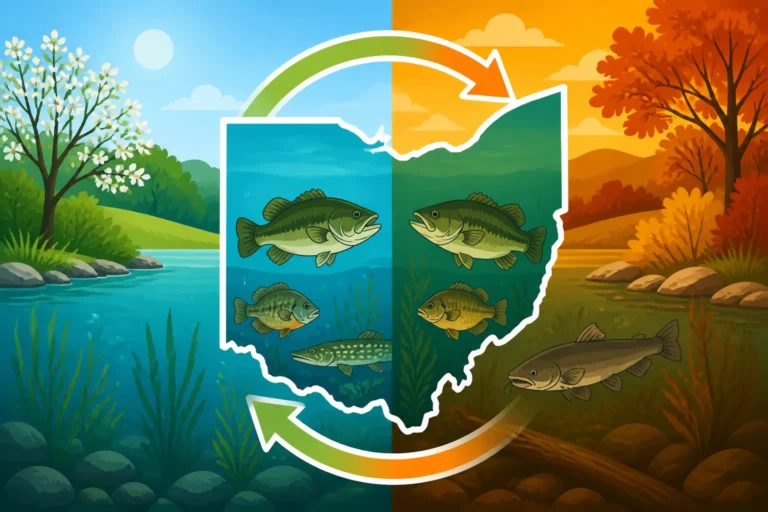
Ohio fish populations shift from spring through fall as water temperatures rise, dictating spawning migrations for walleye and bass.
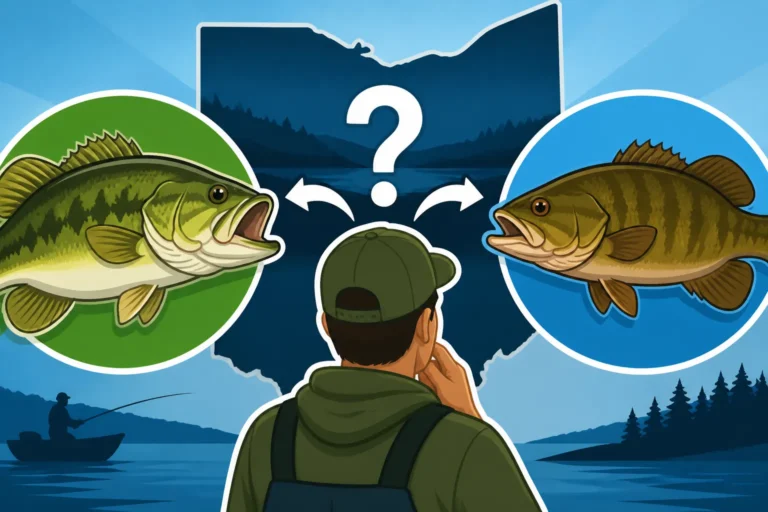
Walleye, saugeye, and sauger identification details help Ohio anglers follow local length and bag regulations correctly.
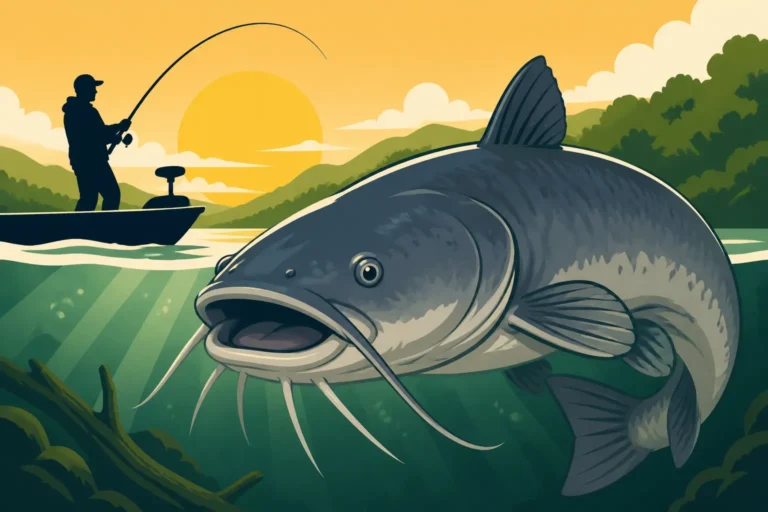
Ohio River catfish growth depends on abundant baitfish, nutrient-rich sediment, and deep water habitats providing constant calories.
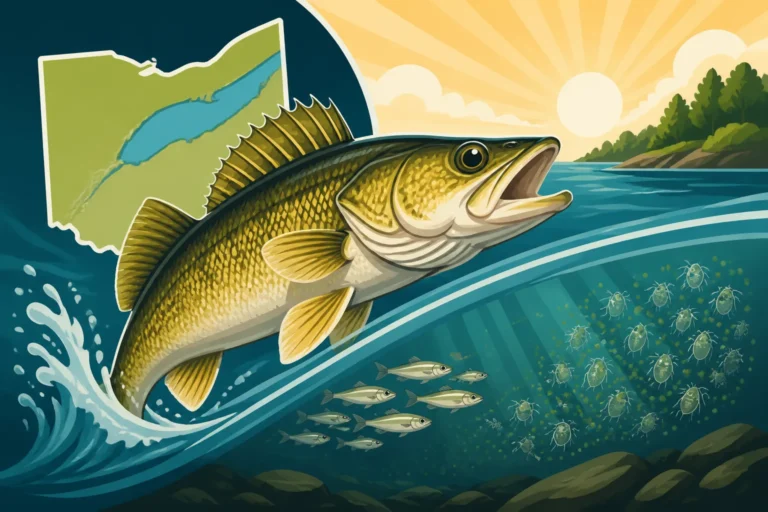
Lake Erie walleye growth rates depend on abundant baitfish, round gobies, and the shallow western basin with an average depth of 24 feet.
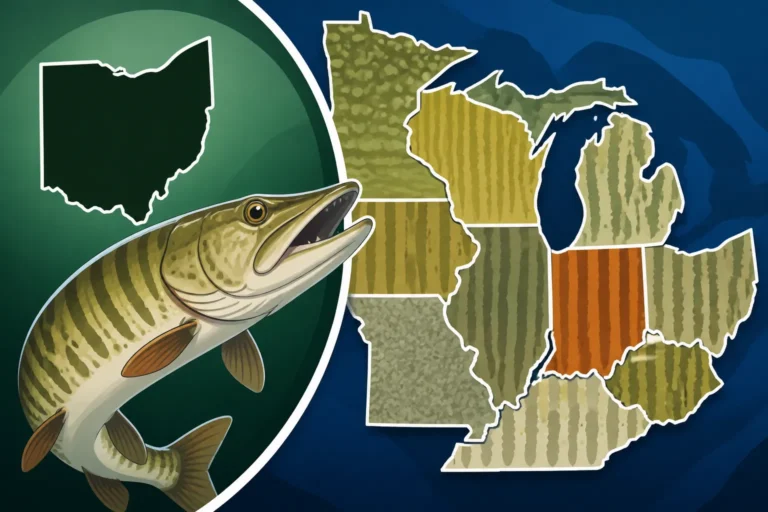
Muskie coloration variations across Ohio, Wisconsin, and Minnesota, driven by habitat water clarity, genetics, and diet.
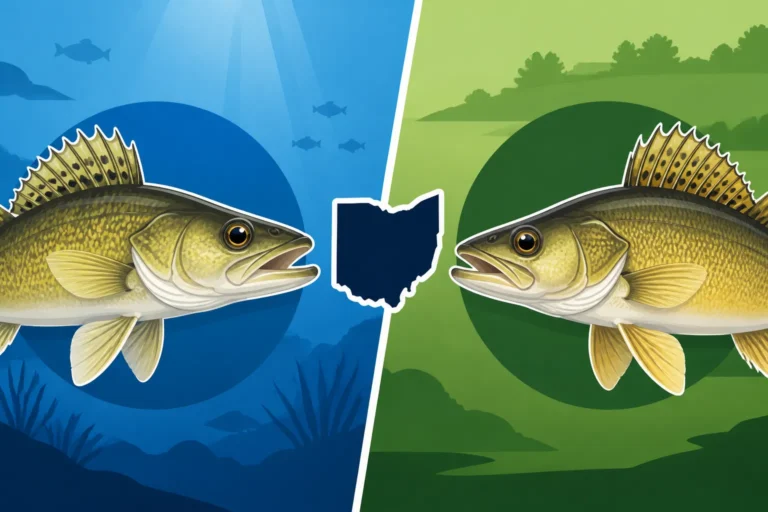
Saugeye identification using cheek scales, dorsal fin spots, and side blotches helps Ohio anglers distinguish them from walleye.
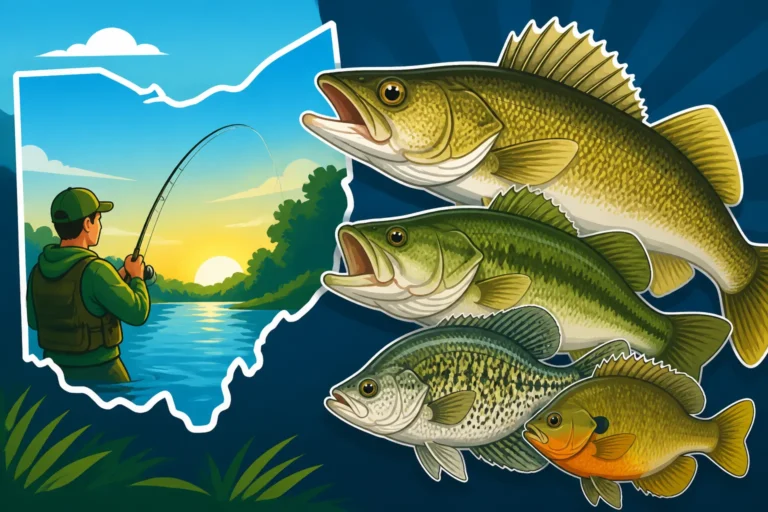
Ohio walleye catches and proper handling techniques provide anglers with mild, flaky white fish for a delicious family meal.
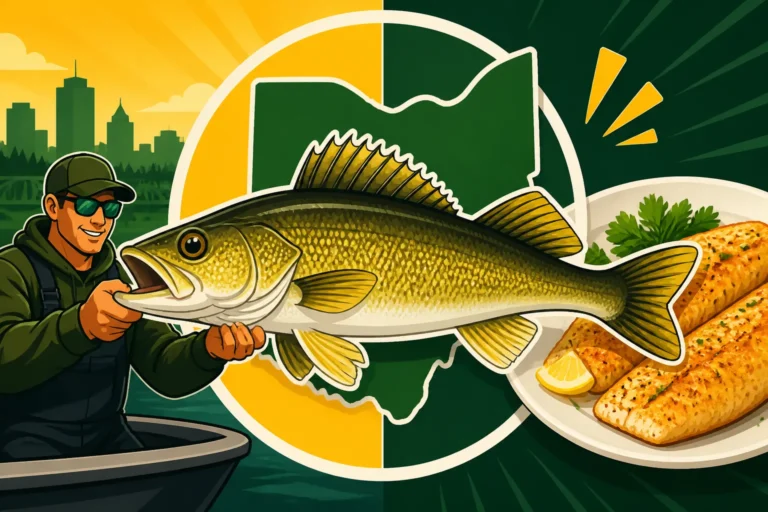
Ohio walleye flavor, texture, and Lake Erie culinary popularity compared against yellow perch and other local fish species.
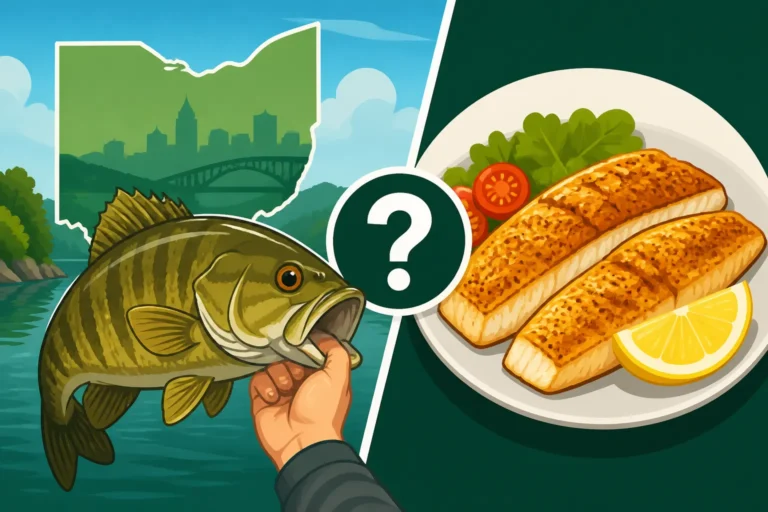
Ohio anglers learn smallmouth bass flavor, firm white texture, and preparation methods to decide if the sport fish is good to eat.
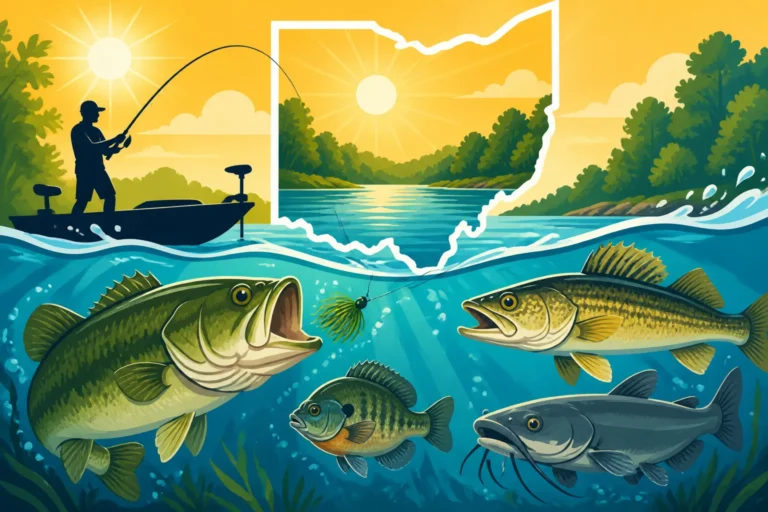
Ohio summer fishing targets warm water species with increased metabolism that actively feed during dawn, dusk, and night.