Headlands Beach Fishing Access, Ohio
Finding reliable, accessible shore fishing spots along Ohio’s vast Lake Erie coastline can feel like searching for a needle in a haystack, especially when you’re looking for a place that offers diverse opportunities beyond just casting a line into open water. This guide is dedicated to peeling back the layers of Headlands Beach State Park, providing an in-depth look at its fantastic fishing access and helping you make the most of your next angling adventure at this iconic Ohio destination.
Unveiling Headlands Beach State Park's Fishing Opportunities
Headlands Beach State Park, located in Mentor, Ohio, is more than just a beautiful stretch of sand; it's a dynamic fishing hub that offers anglers a unique blend of Lake Erie and river mouth action. Many folks visit for the sun and sand, but serious anglers know that beneath the surface, and especially around its impressive structures, lies a thriving fishery. It's truly a gem for those of us who prefer to keep our feet on solid ground while chasing big fish.
A Prime Lake Erie Shoreline Destination
What makes Headlands Beach so special for fishing is its sheer size and strategic location. As the longest natural beach in Ohio, it provides ample room for bank anglers without feeling crowded, even on busier days. But it's not just the sandy expanse that draws fish; it's the confluence of the mighty Grand River with Lake Erie right at its doorstep, creating a rich ecosystem that attracts a wide variety of species throughout the year. This transition zone, where the river's flow meets the vastness of the lake, is a natural magnet for baitfish and, consequently, the predatory species we love to target.
The sheer scale of the park means there are multiple distinct areas to explore, from the protected waters near the mouth of the Grand River to the exposed stretches of Lake Erie shoreline, each presenting different fishing challenges and rewards. Whether you're a seasoned angler looking for a trophy or a family introducing kids to the joy of fishing, Headlands offers a varied landscape that caters to all skill levels. It's a place where you can spend an entire day, moving from one prime location to another, adapting your techniques as the conditions change.
Understanding the Unique Landscape for Anglers
The geography of Headlands Beach is critical to understanding its fishing potential. You have the main beach, which is primarily sandy, excellent for broad casting. Then, there's the massive breakwall that extends far into Lake Erie, a true marvel of engineering that doubles as an angler's paradise. This breakwall provides deep water access relatively close to shore and creates current breaks and structure where fish love to hide and ambush prey. It’s a perfect spot for those seeking deeper-dwelling species without needing a boat.
On the eastern side of the park, the Grand River's mouth offers a completely different environment. Here, the river's flow brings nutrients and sediment into the lake, creating a dynamic zone that's particularly attractive during migratory runs. The river channel itself, as it enters the lake, provides deeper water and different currents compared to the open beach, influencing baitfish movement and predator behavior. Anglers often find success targeting the eddies and current seams where fish conserve energy and wait for food to drift by. Understanding these distinct features is key to unlocking Headlands Beach's full potential.
What Fish Species You Can Expect to Catch
Headlands Beach is a multi-species angler's dream, offering a chance to hook into several of Ohio's most sought-after game fish. Depending on the season and where you cast your line, you could be fighting anything from a massive Walleye to a feisty Steelhead Trout. This diversity is one of the park's biggest draws, meaning there's almost always something biting.
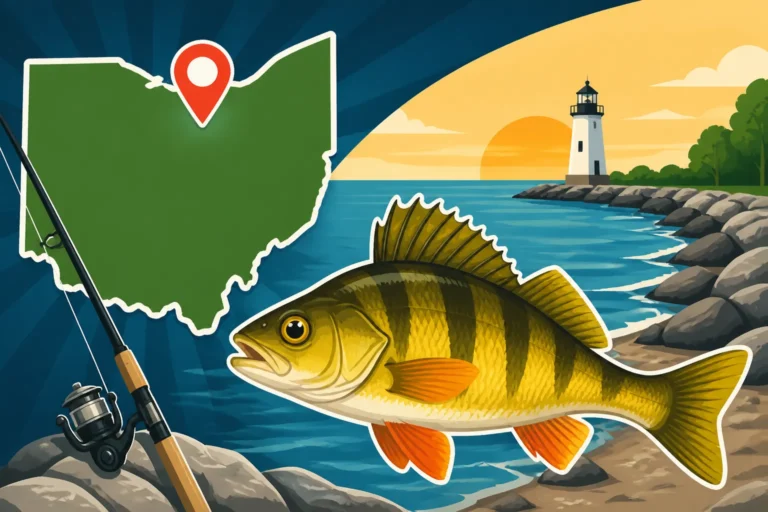
During the warmer months, especially from late spring through fall, the waters around the breakwall and open beach are prime for Walleye and Yellow Perch. Walleye often cruise the deeper waters near the breakwall, especially at dawn and dusk, while schools of perch can be found closer to the bottom. Don't be surprised if you also pick up Smallmouth Bass along the rocky sections of the breakwall, or even a robust Channel Catfish in the calmer areas, particularly during evening hours. As the water cools in fall and early spring, the Grand River mouth becomes the star of the show, attracting impressive runs of Steelhead Trout moving in from Lake Erie. These powerful fish offer an incredible fight and are a huge draw for dedicated anglers. It’s also common to encounter various panfish like Bluegill and Crappie, especially in the slightly calmer waters closer to the river.
Navigating the Best Fishing Spots at Headlands Beach
Knowing what to fish for is one thing, but knowing where to cast your line at Headlands Beach can make all the difference. This park offers several distinct zones, each with its own charm and angling strategy. Being able to read the water and understand the structure will greatly improve your chances of success.
The Iconic Breakwall and Pier Fishing
Without a doubt, the long, imposing breakwall at Headlands Beach is the park's most famous fishing landmark. Stretching far out into Lake Erie, it acts as a fishing pier and a crucial piece of fish habitat. Anglers flock here for its easy access to deeper water and the structural elements it provides. The rocks themselves are home to crayfish and various invertebrates, which in turn attract baitfish, creating a ready food source for larger predators.
When fishing the breakwall, consider casting crankbaits or spoons for hungry Walleye, especially during low light conditions or when the lake has a slight chop. Trolling for Lake Erie Walleye is typically a boat-based activity, but from the breakwall, you can effectively use casting and retrieving methods to imitate trolled baits. Many anglers also find success jigging for Lake Erie Walleye using blade baits or bucktail jigs dropped straight down along the wall. For Yellow Perch, a simple perch rig baited with emerald shiners or pieces of nightcrawler fished on the bottom usually does the trick. You might also encounter Smallmouth Bass here, which will readily strike tube jigs, soft plastic swimbaits, or even live minnows fished near the rocky structure. Safety is paramount on the breakwall; strong waves can make it slick, so always wear appropriate footwear and keep an eye on weather conditions.
Shoreline and Beach Casting Strategies
While the breakwall gets a lot of attention, the vast sandy beach at Headlands also offers excellent fishing opportunities, particularly for those who prefer more open casting. Fishing directly from the beach means you're targeting fish that cruise the shallower contours or follow baitfish schools closer to shore. This can be especially productive during certain times of the day or year.
For anglers targeting Walleye from the beach, especially during spring and fall, long casts with glow-in-the-dark crankbaits or suspending stickbaits can be highly effective during twilight hours or at night. The key here is to cover water and fish areas where the sand drops off into deeper troughs. Channel Catfish are also frequent visitors to the sandy flats, especially after dark, and can be caught using cut bait or chicken liver fished on a bottom rig. For a more relaxed experience, a simple slip bobber rig with a worm or minnow can yield results for various panfish. The shallow waters near the beach are also where baitfish often congregate, making it a good place to look for surface activity from feeding fish, especially in the early morning.
Exploring the Grand River Mouth
The eastern edge of Headlands Beach is where the Grand River empties into Lake Erie, creating a dynamic and nutrient-rich environment that’s a magnet for fish, particularly migratory species. This area is especially renowned for its incredible Steelhead Trout runs, which typically occur in fall, winter, and spring. When the Steelhead runs start, this area becomes a bustling hub of activity.
Anglers targeting Steelhead here will often use techniques such as drift fishing with spawn bags, small jigs tipped with wax worms, or suspending beads under a float. Casting spoons or spinners into the current breaks can also be highly effective. The Grand River mouth offers a great opportunity to explore methods similar to those used in other popular tributaries like the Rocky River Steelhead Fishing Access Points. Beyond Steelhead, the river mouth also attracts Walleye and Smallmouth Bass during various times of the year, taking advantage of the abundant food sources flushed out by the river. Pay close attention to current lines and eddies, as these are prime ambush points for predatory fish. Remember that special fishing rules on the Ohio River and other large tributaries often apply, so always check the latest regulations for the Grand River specifically.
| Target Species | Best Location at Headlands | Ideal Bait/Lure | Optimal Season |
|---|---|---|---|
| Walleye | Breakwall, River Mouth | Crankbaits, Blade Baits, Spoons | Spring, Summer, Fall |
| Yellow Perch | Breakwall | Emerald Shiners, Worms, Small Jigs | Summer, Fall |
| Steelhead Trout | Grand River Mouth | Spawn Bags, Jigs, Spoons, Beads | Fall, Winter, Spring |
| Smallmouth Bass | Breakwall, River Mouth | Tube Jigs, Soft Plastics, Live Minnows | Spring, Summer, Fall |
| Channel Catfish | Sandy Beach, River Mouth | Cut Bait, Chicken Liver, Worms | Summer (especially at night) |
Essential Gear and Techniques for Headlands Beach
Having the right gear and understanding the most effective techniques can dramatically improve your fishing experience at Headlands Beach. It’s not about having the most expensive equipment, but rather choosing tools that are appropriate for the conditions and the fish you're targeting.
Recommended Rods, Reels, and Lines
For general purpose fishing at Headlands, especially from the breakwall or the open beach, a medium-heavy spinning rod, around 7 to 9 feet in length, paired with a reliable spinning reel (size 3000-4000) is a versatile setup. This combination offers enough backbone for casting heavy lures and fighting larger fish, while still being sensitive enough to detect subtle bites. Spool your reel with 10-20 lb braided line, which offers superior casting distance and sensitivity, and add a fluorocarbon leader of 8-15 lb test. The fluorocarbon provides invisibility in the water and abrasion resistance against rocks.
If you’re specifically targeting Steelhead in the Grand River mouth, a slightly longer, medium-action rod (9-11 feet) designed for float fishing or drift fishing can be beneficial. These longer rods provide better line control and cushion the fight of powerful steelhead. For these setups, 6-10 lb fluorocarbon or monofilament main line is often preferred, with a lighter leader as conditions demand. Remember that Ohio fishing regulations allow you to use up to two poles and line limit rules are important to follow, so you might consider bringing a second setup if you're comfortable managing it.
Baits and Lures That Get Bites
The choice of bait and lure is often dictated by the species you're pursuing and the time of year. For Walleye, especially when casting from the breakwall, lipped crankbaits that dive to moderate depths (8-15 feet) are excellent. Colors like chartreuse, blue/chrome, or firetiger are often productive, especially in stained water. Casting spoons, such as Little Cleos or Kastmasters, can also draw strikes from walleye and even Steelhead. For Yellow Perch, live emerald shiners are king, but small pieces of nightcrawler or wax worms on a crappie rig will also entice them.
When the Steelhead are running in the Grand River, traditional steelhead baits like spawn bags (roe tied in mesh netting), scented soft plastic eggs, or small marabou jigs are highly effective. For Smallmouth Bass around the rocky areas, soft plastic tubes, grubs, or small jerkbaits are excellent choices. If you're targeting Catfish from the sandy beach at night, cut bait (like pieces of fresh shad or skipjack herring) or prepared catfish baits are hard to beat. Always have a variety on hand, as fish preferences can change throughout the day.
Timing Your Trip for Success
Timing is everything in fishing, and Headlands Beach is no exception. Understanding the seasonal patterns and even the daily rhythms can significantly impact your success. For Walleye and Yellow Perch, the warmer months from late spring through early fall are generally the most productive. The Best Time of Year to Fish Lake Erie for Walleye typically peaks from late spring into summer. Mornings and evenings, when the sun is lower and fish are more actively feeding, are usually the Best Time of Day to Catch Walleye on Lake Erie, and this holds true for perch as well. Overcast days with a light chop on the water can also be fantastic for both species, as it breaks up the light and makes fish feel more secure.
For Steelhead Trout, the fall, winter, and spring are prime. As Lake Erie’s waters cool, Steelhead begin their migrations into tributaries like the Grand River. The fall run often kicks off in October and November, followed by a winter fishery whenever conditions allow, and then a strong spring run in March and April. Checking water temperature, flow rates, and recent catch reports for the Grand River will give you the best indication of when the Steelhead are active. Remember, weather patterns can drastically affect fishing, so always keep an eye on the forecast before heading out.
Practical Tips and Regulations for Anglers
Before you cast your first line at Headlands Beach, it’s crucial to be aware of Ohio’s fishing regulations and some practical tips to ensure a safe, enjoyable, and legal outing. A little preparation goes a long way in having a stress-free fishing trip.
Ohio Fishing License Requirements and Exemptions
The most important rule of thumb for fishing in Ohio is that almost everyone needs a license. This includes fishing at Headlands Beach State Park. Anglers 16 years of age and older are required to possess a valid Ohio Fishing License Guide for Residents and Nonresidents. You can purchase these licenses easily online through the Ohio Department of Natural Resources (ODNR) website, or in person at various bait shops and sporting goods stores. Knowing where and how to buy an Ohio fishing license ahead of time can save you hassle at the shoreline.
There are some exemptions, of course. Ohio offers Free Fishing Days periodically throughout the year, typically in early summer, where licenses are not required for residents or non-residents. Additionally, landowners fishing on their own private ponds might be exempt, but Headlands Beach is public water. Always double-check the current regulations before you go, as rules can change from year to year. Make sure you understand Ohio fishing license costs explained so you can choose the right option for your needs, whether it's a one-day, annual, or multi-year license.
Safety Considerations and Best Practices
Fishing at Headlands Beach, especially from the breakwall or near the river mouth, requires attention to safety. The breakwall, while offering fantastic access, can become very slick, especially when wet or icy. Always wear appropriate footwear with good traction, and consider a life vest if you'll be spending a lot of time near the water's edge, particularly in rough conditions or if you're not a strong swimmer. The powerful waves of Lake Erie can be unpredictable, so never turn your back on the water.
Beyond personal safety, be mindful of your surroundings and other park visitors. Cast responsibly, being aware of anyone nearby. If you’re fishing the Grand River mouth, strong currents can be present, so understanding how to anchor for catfish on the Ohio River (and similar tactics for the Grand) can be beneficial even if you’re fishing from shore by using heavier weights to keep your bait in place. Always carry a first-aid kit, stay hydrated, and be aware of changing weather conditions. Lake Erie weather can turn quickly, so always check the forecast before you head out.
Respecting the Environment and Other Anglers
Part of being a responsible angler is respecting the beautiful environment that Headlands Beach State Park offers and showing courtesy to your fellow outdoor enthusiasts. This means packing out everything you pack in – absolutely no litter. Dispose of old fishing line properly, as it can be incredibly harmful to wildlife. Many parks have recycling bins or special receptacles for fishing line.
Practice catch and release for fish you don’t intend to keep, handling them carefully to maximize their survival chances. Know the current Ohio Statewide Bag and Size Limits for the species you are targeting. For example, understanding the Lake Erie Walleye Daily Bag Limit is crucial to avoid violations. If you notice others fishing, maintain a reasonable distance to avoid tangling lines or disturbing their spot. By adhering to these simple principles, we can all contribute to keeping Headlands Beach a fantastic and enjoyable fishing destination for years to come.
Beyond the Shoreline: Charter and Guide Options
While Headlands Beach offers incredible shore-based fishing, some anglers yearn for the deeper waters and expansive opportunities of Lake Erie. If you're looking to explore beyond casting from the beach or breakwall, venturing out onto the lake with a professional guide or charter is an excellent option. This is where you can truly experience the "Walleye Capital of the World" in all its glory.
Booking a Lake Erie Walleye Charter Guide can open up access to schools of fish that are simply unreachable from shore, particularly when they move into deeper, offshore waters during the summer months. Companies like FishingBooker are fantastic resources for finding reputable captains operating out of nearby ports such as Fairport Harbor, Ashtabula, or even further west in Port Clinton. These charters provide all the necessary gear, expertise, and safety equipment, allowing you to focus purely on the fishing experience.
Whether you're after a trophy Walleye or aiming to fill a cooler with Yellow Perch, a guided trip on Lake Erie offers a different dimension to Ohio fishing. If you've enjoyed your time at Headlands Beach but are curious about the open lake, using platforms like FishingBooker makes it easy to compare Lake Erie Walleye charter cost, read reviews, and book a trip that fits your budget and schedule. It’s a great way to deepen your understanding of Lake Erie's fishery and learn new techniques from seasoned pros. These captains are experts at navigating the Western Basin vs Central Basin Lake Erie Fishing and will put you on the fish.
Disclaimer
Please remember that fishing regulations, conditions, and fish populations can change. Always consult the latest Ohio Department of Natural Resources (ODNR) fishing regulations booklet or website before heading out. This guide is for informational purposes only and should not be considered legal advice.