Do You Keep the Fish You Catch on a Charter?
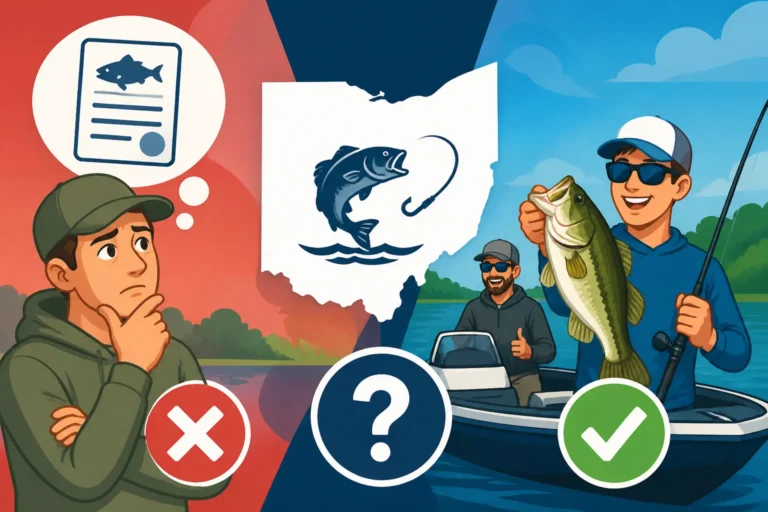
It's a common question, and one that often causes a little anxiety for first-timers booking a fishing trip: "Do I actually get to keep the fish I catch on this charter?" After all, you're paying for an experience, and for many, that experience culminates in bringing home a delicious meal. This guide is going to clear up that very question for Ohio fishing charters, helping you understand the different scenarios you might encounter and what to ask before you even step on the boat.
Understanding the General Rules of Ohio Fishing Charters
When you picture a fishing charter, you probably imagine a successful day on the water, reeling in fish after fish, and then proudly posing with your bounty before heading home to the fillet board. For the most part, this image holds true in Ohio, especially on our beloved Lake Erie. However, it's not always as simple as "you catch it, you keep it" without any caveats.
The Expectation vs. Reality of Your Catch
The vast majority of anglers who book a fishing charter, particularly for popular eating fish like walleye or yellow perch, fully expect to bring home their legal limit. This expectation is perfectly reasonable and is usually met with enthusiasm by captains who want to see their clients happy and enjoying the fruits of their labor. There's nothing quite like the satisfaction of cooking up fish you caught yourself, sharing stories of the day with family and friends. It's a fundamental part of the charter experience for many.
However, the reality is that several factors can influence how much, or even if, you get to keep your catch. These aren't necessarily negatives, but rather important considerations for responsible angling and a smooth charter trip. Knowing these nuances upfront can prevent disappointment and help you have a more enjoyable and informed experience.
Key Factors Influencing What You Keep
Before you even cast a line, a few crucial elements dictate whether your fish go into the cooler or back into the water. Ignoring these could lead to a less-than-ideal outing.
First and foremost are the Ohio fishing regulations. Our state has very specific rules about bag limits (how many fish of a certain species you can keep) and size limits (the minimum or sometimes maximum length a fish must be to be kept). These rules are designed to protect fish populations and ensure sustainable fishing for future generations. Your charter captain is legally bound to adhere to these, and so are you. You can find comprehensive details in the Ohio Fishing Regulations Every Angler Should Know to familiarize yourself.
Secondly, the charter captain's policy plays a significant role. While most charters aim for clients to keep legal fish, some might have their own specific policies, particularly for certain species or if they operate with a strong conservation focus. For instance, a captain specializing in trophy muskie might operate on a strict catch-and-release basis for that species, regardless of whether a legal keeper is caught.
Lastly, the species being targeted heavily influences the keep-or-release decision. Some fish are primarily sought after for their table fare, while others are pursued for the thrill of the fight or their trophy potential, with release being the common practice. Knowing what you're fishing for sets expectations.
When You Can Definitely Keep Your Catch
Let's start with the good news, and what most people are hoping for: when you can absolutely keep the fish you catch on an Ohio charter. This is the standard scenario for many popular types of fishing trips across the state.
Adhering to Ohio's Bag and Size Limits
This is the golden rule. If you catch a fish that meets the current Ohio bag limits and size restrictions for that specific species, and it's not a species typically released by the charter or for conservation reasons, then it's yours to keep. This applies to the vast majority of sport fish targeted on charters.
Think about a classic Lake Erie walleye charter. The primary goal is often to fill the cooler with delicious walleye. As long as each walleye you catch meets the minimum length requirements and you stay within the daily bag limit per angler, those fish are destined for your dinner plate. The same goes for yellow perch, another Lake Erie favorite. You might be out there with several friends, and each person can keep their individual limit, contributing to a substantial haul for the group. For instance, understanding Lake Erie Walleye Bag Limits and Lake Erie Yellow Perch Zone Limits will tell you exactly what you can expect to keep from these waters.
Even on inland lake charters targeting species like channel catfish or crappie, if you're abiding by the local regulations for Catfish Regulations by Species or Crappie and Panfish Daily Limits, your legal fish are typically yours to take home. Your captain will usually have a cooler or fish box on board where your keepers are stored on ice throughout the trip, ensuring their freshness.
Common "Keeper" Species on Ohio Charters
Certain fish species are almost universally targeted with the intent of keeping them for their culinary value. These are the workhorses of the Ohio charter fleet.
- Walleye: Without a doubt, walleye is king in Ohio, especially on Lake Erie. A huge percentage of Lake Erie charters are dedicated to catching walleye, and the expectation is firmly set that legal fish will be kept. Their firm, flaky, and mild white meat is highly prized.
- Yellow Perch: Another Lake Erie staple, yellow perch are smaller but incredibly delicious. Charters often target them specifically, and anglers enthusiastically keep their limits. They make for fantastic fish fries!
- Channel Catfish: Found in many Ohio rivers and inland lakes, channel catfish are a popular target, particularly for their fighting ability and their excellent taste. Many charters on the Ohio River or larger inland lakes focus on catfish, and legal catches are typically kept.
- Crappie and Other Panfish: While less common for dedicated charters (though certainly for guides on smaller waters), crappie, bluegill, and other panfish caught within legal limits are almost always kept. These are generally pursued for fun and food.
These species represent the bread and butter of "keeper" fishing in Ohio. When you book a trip specifically targeting these fish, you can confidently anticipate bringing home a cooler full of fresh fillets, assuming you catch them within the legal parameters.
Scenarios Where You Might Not Keep Your Entire Catch (or Any of It)
While taking home your fish is often the norm, there are important exceptions and situations where a portion, or even all, of your catch might be released. These scenarios are usually driven by conservation, ethical angling practices, or specific charter policies.
Catch and Release for Conservation or Trophy Fishing
Not all fish are destined for the frying pan. For certain species, or when anglers are pursuing truly massive "trophy" fish, catch and release (C&R) is the preferred, and sometimes mandatory, practice.
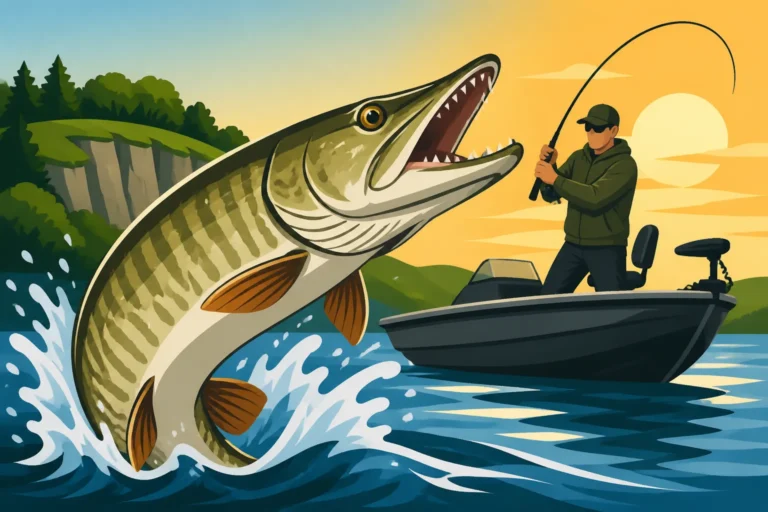
Consider muskie fishing in Ohio. Muskie are often called "the fish of 10,000 casts" for a reason – they are challenging to catch, grow to immense sizes, and are primarily pursued for the thrill of the fight and the chance at a true monster. Many muskie anglers, and the guides who specialize in them, practice strict catch-and-release to preserve these incredible apex predators and ensure a healthy population for future generations. While Ohio does have a legal minimum length for muskie, many trophy anglers will release fish well over that size. If you're booking a muskie trip, assume C&R is the goal unless explicitly stated otherwise. Dive deeper into Ohio Muskie Fishing Guide for more insights into this exciting pursuit.
Similarly, large bass (both largemouth and smallmouth) and steelhead trout in Ohio's Lake Erie tributaries are often released. Anglers targeting Ohio Steelhead Trout Fishing Guide often value the fight and challenge over keeping the fish, especially the larger, more robust specimens which are important for spawning. Releasing these fish helps maintain strong populations and gives other anglers the chance to catch them again. The goal here isn't a meal, but the memory and the photo of a lifetime.
Captain's Discretion and Charter Policies
Even if state regulations permit keeping a fish, a charter captain might have their own policies that lean towards conservation or sustainable practices. This is their boat, their business, and often their passion for the fishery, so their policies should be respected.
For example, a captain might notice that a particular size class of walleye is experiencing heavy fishing pressure in a specific area. While those fish might be legal to keep, the captain might suggest, or even require, that anglers release them to help protect that year class. Or, if you're fishing a private lake or specialized fishery, the captain's rules could be more stringent than public water regulations. It's rare for a captain to forbid keeping all legal fish on a "keeper" trip, but they might encourage selective harvesting or C&R for specific sizes or numbers beyond a certain point. It's crucial to clarify these policies when booking your trip.
Damaged or Unhealthy Fish
Sometimes, despite best efforts, a fish might be deeply hooked, badly injured during the fight, or simply in poor health when brought to the boat. In these instances, a responsible captain will make a call for the welfare of the fish. If a fish is too severely injured to survive release, but also not suitable for human consumption (perhaps due to stress or other factors), the captain might ethically dispose of it. This isn't common, but it's a reality of fishing. Conversely, if a legal fish is healthy but you caught your limit, the captain will ensure it's released properly to give it the best chance of survival. A good captain prioritizes the health of the fishery.
Practicalities of Keeping Your Catch: From Deck to Dinner Plate
So, you've caught your limit of beautiful, legal fish. Now what? The process of getting them from the boat to your kitchen is a key part of the charter experience, and knowing the logistics helps.
Fish Cleaning Services on Charters
One of the greatest conveniences of booking an Ohio fishing charter, especially on Lake Erie, is the availability of fish cleaning services. Most charter captains or their first mates offer to clean and fillet your catch right after the trip, usually at the dock. This is a huge time-saver and a welcome service for many anglers who might not have the experience, space, or desire to clean dozens of fish themselves.
These services are typically offered for an additional fee, often per fish or per pound of fillets. The captain will expertly fillet your fish, removing bones and skin, and then bag the fillets for you, ready for the cooler. This means you leave the dock with pristine, boneless fillets, ready to be cooked or frozen. It’s definitely worth inquiring about this service and its cost when you book. For more specific details, you can always check out Do Charters Filet Your Catch on Lake Erie?.
What You Need to Bring for Your Catch
If you plan on keeping your fish, proper storage is paramount to ensure freshness and quality. While the charter will keep the fish on ice during the trip, you'll need a plan for the journey home.
Coolers and Ice: This is non-negotiable. Bring at least one large cooler, preferably two, filled with plenty of ice. Even if the charter cleans your fish, you’ll need a cold environment for the bagged fillets for your drive home. A good rule of thumb is to have enough ice to entirely surround your fillets, keeping them well-chilled until you get home to your fridge or freezer. Consider using block ice, which lasts longer than cubed ice, especially on a warm day.
Towels/Newspaper (Optional): Some anglers like to wrap their bagged fillets in newspaper or towels inside the cooler to provide an extra layer of insulation and absorb any condensation, though this is less critical if the fillets are well-bagged and surrounded by ice.
Legal Requirements and Transporting Your Fish
For the most part, transporting legally caught and cleaned fish within Ohio is straightforward. However, there are a few considerations:
- Identification: While many charters fillet fish completely, historically, some regulations (less common now for common sportfish) might require a patch of skin to be left on fillets to aid in species identification and measure length if there's any doubt. Your charter captain will be fully aware of any such rules and will ensure your fish are cleaned in compliance.
- Interstate Travel: If you're a nonresident angler planning to take your catch across state lines, it’s always a good idea to quickly check the regulations of your home state regarding the transport of fish. For example, some states might have specific rules about packaging or quantity. However, for a standard family trip to Lake Erie, taking home your legal limit of walleye is generally fine.
- Keeping Your License Handy: Even after your fish are cleaned and packed, it’s always wise to keep your Ohio Fishing License Guide for Residents and Nonresidents readily accessible, along with any other documentation, just in case you are ever stopped by a wildlife officer.
Asking the Right Questions Before You Book
To ensure your Ohio fishing charter experience aligns with your expectations, clear communication with your captain or booking agent is key. Don't be shy about asking questions! This is your trip, and a reputable captain will appreciate your preparedness.
Essential Inquiries About Catch Policies
Before you commit to a date and payment, arm yourself with information. Here are some vital questions to ask:
- "What are your specific policies on keeping fish for the species we'll be targeting?" This is the core question. Get a direct answer. They might say, "We keep all legal walleye within state limits," or "Muskie trips are strictly catch-and-release."
- "Do you offer fish cleaning services, and what is the cost?" Understand if this is included or an extra fee. Knowing the fee structure (per fish, per pound) helps you budget.
- "Are there any species we might catch that are strictly catch-and-release, even if they're legal keepers by state law?" This clarifies any specific conservation policies the captain might have.
- "What happens if we reach our limit early in the trip?" Some charters might continue fishing for fun (catch and release), switch to targeting a different species, or head back to the dock.
- "Do I need to bring a cooler and ice for my fish?" Confirm this, as sometimes charters might have extra capacity, but it's always best to be prepared with your own.
Getting these answers upfront will remove any ambiguity and allow you to make an informed decision. Remember, a good captain wants you to have a great time and will be transparent about these details.
Researching Charters and Reading Reviews
Modern technology makes it easier than ever to vet charters before you book. Platforms like FishingBooker are excellent resources for finding reputable captains and checking out their services and policies.
When you're browsing for a charter, pay close attention to the descriptions of the trips offered. Many will explicitly state if they are "keeper" trips (e.g., "Lake Erie walleye trips aiming for limits") or "catch-and-release" trips (e.g., "Trophy muskie C&R trips").
Don't just read the descriptions; dive into the customer reviews. Previous clients often share their experiences regarding how their catch was handled. Did they bring home their limit? Was the fish cleaning efficient? Were there any surprises regarding catch policies? These firsthand accounts can provide invaluable insight and help you choose a charter whose philosophy and services perfectly align with your fishing goals. Whether you're interested in Lake Erie Walleye Charter Booking or Ohio Muskie Fishing Guide Services, the details are usually available.
Ultimately, by asking the right questions and doing a little homework, you can ensure that your Ohio fishing charter delivers the experience you're hoping for, whether that means a full cooler of fillets or the thrill of releasing a magnificent trophy fish.
| Scenario | Typical Outcome | Key Considerations |
|---|---|---|
| Walleye Charter | Keep all legal fish within state bag/size limits | Primary goal is typically to fill the cooler; cleaning services common. |
| Yellow Perch Trip | Keep all legal fish within state bag/size limits | Excellent table fare, often targeted specifically for keeping. |
| Muskie Charter | Primarily catch-and-release | Trophy pursuit, conservation-focused; verify captain's policy. |
| Steelhead Trip | Often catch-and-release, some keepers allowed | Depends on angler preference and fish health; verify C&R expectations. |
| Bass Charter | Mix of keeping and releasing (especially for larger fish) | Anglers often keep smaller "eaters" and release trophy-sized bass. |
| Damaged Fish | Released if possible, otherwise disposed of | Captain's discretion for fish welfare, not for consumption. |
| Reaching Limit | Continue C&R, switch species, or head back to dock | Discuss options with captain beforehand. |
Disclaimer
This article is for general informational purposes only and does not constitute professional advice. Laws, prices and regulations vary by location and change over time. Consult a qualified professional for guidance on your specific situation.