Crappie and Panfish Daily Limits
One of the biggest headaches for Ohio anglers, especially those just getting into panfishing, is trying to keep track of all the different daily limits. It’s not always a straightforward statewide rule, and messing it up can lead to a less-than-pleasant encounter with a wildlife officer. This guide is here to untangle the complexities of crappie and panfish daily limits in Ohio, making sure you can focus on the fun of fishing without the constant worry of breaking the rules.
Understanding Ohio's Panfish Regulations
The world of panfish in Ohio is wonderfully diverse, offering fantastic fishing opportunities from small farm ponds to the vast waters of Lake Erie. However, this diversity also means the regulations can vary significantly. It’s crucial to understand the foundational rules before you even think about dropping a line.
Statewide Panfish Definition and General Rules
When the Ohio Department of Natural Resources (ODNR) talks about "panfish," they're generally referring to a group of smaller, prolific species that are popular for their table fare and accessibility. This broad category typically includes species like bluegill, sunfish (redear, green, pumpkinseed), crappie (black and white), and often rock bass and warmouth. The statewide regulations for many of these species are designed to provide a healthy harvest while protecting overall population numbers. For instance, the general rule of thumb for most panfish, like your everyday bluegill and sunfish, is a pretty generous daily bag limit, allowing anglers to bring home a good mess for dinner. However, this is where the nuance begins, as crappie often have their own specific rules. It’s less about a blanket panfish limit and more about understanding the specific limits for each type of fish under the panfish umbrella.
The Importance of Knowing Local Exceptions
While statewide regulations provide a baseline, many specific water bodies across Ohio have their own unique rules that supersede the general guidelines. This is probably the biggest trap for many anglers. You might be used to catching 30 bluegills a day at your local pond, but then you head to a different public lake, and suddenly the limit might be lower, or there could be a minimum size restriction in place for certain species. These local exceptions are often implemented by the ODNR to manage specific fisheries, perhaps due to unique ecological conditions, high fishing pressure, or a desire to grow larger fish in a particular spot. Ignoring these hyper-local rules isn't just a matter of honest mistake; it can still result in a citation. Always, and I mean always, check the specific regulations for the lake, reservoir, or river you plan to fish. A quick search on the ODNR website or consulting the latest fishing regulations booklet can save you a lot of grief. For a broader overview of all rules, it's wise to review the Ohio Fishing Regulations Every Angler Should Know guide.
How to Access Official Regulations
Staying informed about Ohio's fishing regulations is simpler than it used to be, thanks to digital resources. Gone are the days when you absolutely had to find a physical booklet, though those are still available at most bait shops and ODNR offices. The easiest way to access the most current rules is directly through the Ohio Department of Natural Resources (ODNR) Division of Wildlife website. They publish an annual fishing regulations booklet online, usually in a PDF format, which you can easily download to your phone or tablet. Many anglers even keep a digital copy handy on their devices for quick reference while out on the water. Additionally, popular fishing apps sometimes integrate these regulations, though it's always best to cross-reference with the official ODNR source if you have any doubt. Having this information readily available, whether in print or digital, is your first line of defense against accidental violations and helps ensure you’re always fishing within the legal limits.
Specific Crappie Daily Limits
Crappie, both black and white, are arguably two of the most popular panfish targets in Ohio, especially in the spring and fall. They offer exciting action and make for excellent table fare. Because of their popularity and tendency to form large schools, crappie often have specific regulations that differ from other general panfish.
Statewide Crappie Daily Bag Limit
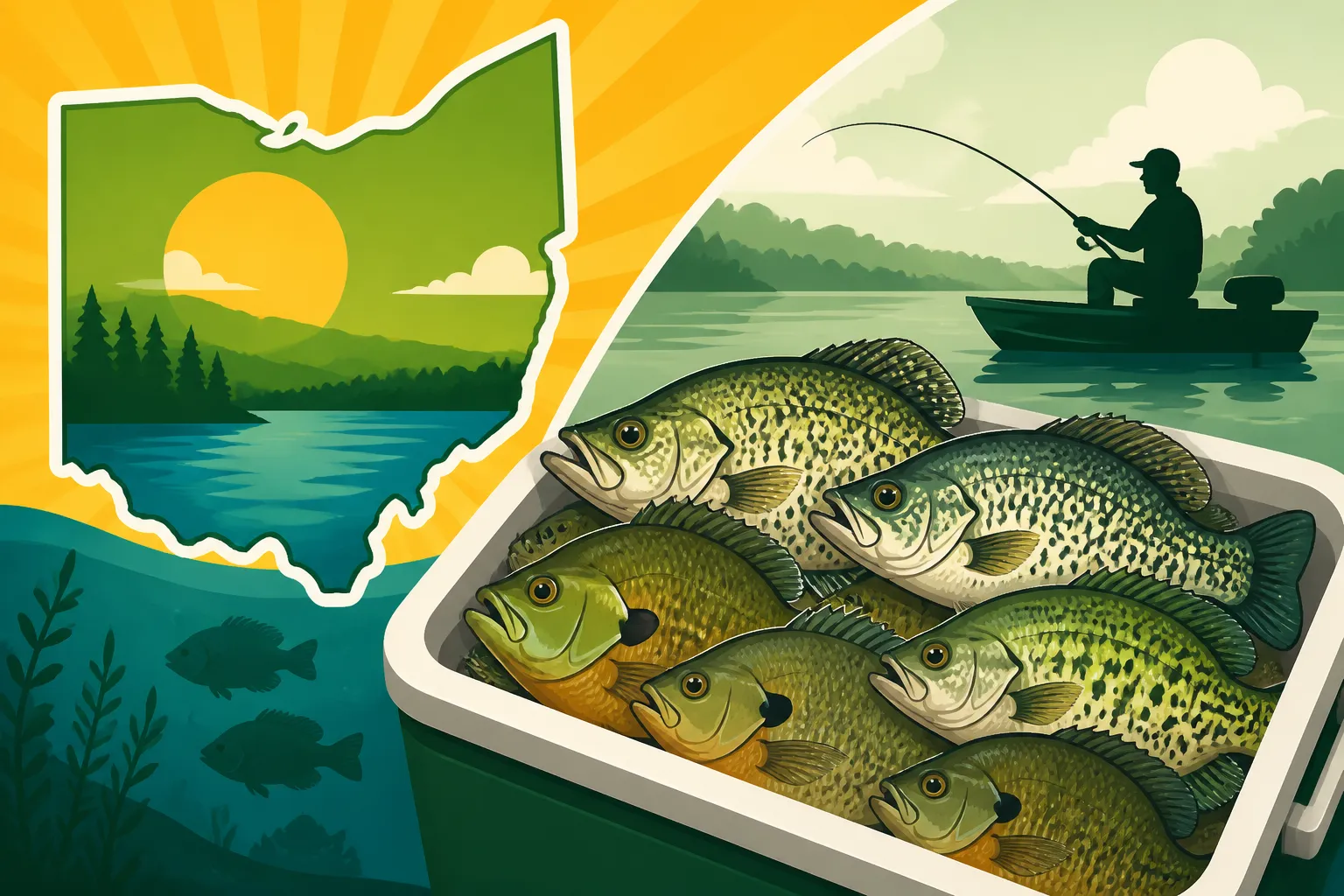
Across most of Ohio's public waters, the statewide daily bag limit for crappie (which includes both black crappie and white crappie) is generally 30 fish per angler. This is a pretty generous limit, allowing you to fill a cooler for a family fish fry if the bite is on. However, it's crucial to remember that this 30-fish limit is a combined total. You can't catch 30 black crappie and then another 30 white crappie. Your creel limit for crappie, regardless of species, caps out at 30 fish in total for the day. This number is designed to allow anglers ample opportunity to harvest fish while protecting the overall health and sustainability of crappie populations throughout the state. It's a balance, trying to keep everyone happy without depleting the resource. For more specifics, check out the dedicated article on the Ohio Crappie Daily Limit.
Minimum Size Limits for Crappie in Ohio
Here's where it gets a little more complicated, and frankly, it’s where many anglers can run into trouble if they’re not paying close attention. While many panfish species in Ohio have no minimum size limit, crappie are often an exception, particularly in certain high-profile fisheries. The statewide regulation for crappie generally specifies no minimum size limit. This means that, in most waters, if a crappie is legal according to the daily bag limit, you can keep it regardless of its length.
However, and this is a big however, many lakes, reservoirs, and even specific sections of rivers have special regulations that do include a minimum size limit for crappie. For example, a popular lake might have an 8-inch minimum length limit for crappie. This means any crappie you catch under that length must be immediately released back into the water, unharmed. These size limits are typically put in place to help crappie populations grow to a larger average size, improving the quality of the fishery and ensuring more mature fish are available to spawn. It’s vital to check the local regulations for your specific fishing spot. For detailed information on this topic, you might find the article Is There a Minimum Size Limit for Crappie in Ohio? particularly helpful.
Notable Water Bodies with Special Crappie Rules
Ohio is home to hundreds of public fishing spots, and many of the most popular ones have unique crappie regulations tailored to their specific ecosystems and fishing pressure. Knowing these exceptions is paramount. For instance, Alum Creek Lake and Hoover Reservoir near Columbus, while fantastic for crappie, often have specific size and bag limits that differ from the statewide rule. You might encounter a 9-inch minimum length for crappie or a reduced daily bag limit compared to the general 30 fish.
Another example can be found in some of the larger Muskingum Watershed Conservancy District (MWCD) lakes like Piedmont Lake or Tappan Lake, where management strategies might impose stricter limits to foster trophy-sized crappie. Even certain state park lakes or metro park ponds might have their own special rules prominently posted at boat ramps or access points. These regulations are not arbitrary; they are the result of fisheries biologists studying the populations and determining the best course of action to maintain a healthy and robust crappie fishery for years to come. Always consult the ODNR fishing regulations for the specific water body you plan to visit, as these rules can change annually. It's a small step that makes a huge difference.
Specific Sunfish and Bluegill Daily Limits
Bluegill and various other sunfish species are the quintessential panfish, often serving as the gateway fish for new anglers due to their abundance and willingness to bite. They are found in nearly every body of water in Ohio, from tiny farm ponds to vast reservoirs.
Statewide Bluegill and Sunfish Daily Bag Limit
For the majority of sunfish species, including bluegill, redear sunfish, green sunfish, and pumpkinseed sunfish, Ohio generally employs a very liberal daily bag limit. Most commonly, there isn't a specific published daily limit for these individual species in most waters, meaning they fall under a very general "panfish" category with no restriction on the number you can harvest. This approach recognizes their high reproductive rates and often abundant populations. Anglers can usually keep a substantial number of these fish for a meal, which is a big part of their appeal.
However, just because there isn't a specific number doesn't mean it's a free-for-all. Responsible angling still dictates taking only what you need and being mindful of the fishery. In situations where there might be an overall "panfish" limit for combined species, bluegill and other sunfish would contribute to that total. It's always a good idea to refresh your memory on the Ohio Statewide Bag and Size Limits to ensure you're compliant, especially if you're venturing into new waters or targeting a mix of species.
Distinguishing Panfish for Regulation Purposes
Identifying your catch correctly is absolutely essential for adhering to daily limits, especially when you're dealing with a mixed bag of panfish. While some fish, like a classic bluegill, are easy to spot, others can be tricky. For instance, distinguishing between a black crappie and a white crappie is important if there were ever different limits (which typically isn't the case in Ohio, but it's good practice). You'll typically look at the dorsal fin spines and the pattern on their bodies. Black crappie usually have 7-8 dorsal spines and irregular black spots, while white crappie often have 5-6 dorsal spines and distinct vertical bars. Understanding these subtle differences is key.
Then there are the various sunfish. A bluegill is generally identifiable by the dark spot on its dorsal fin, the dark opercular flap (ear flap), and its often deep body. Redear sunfish, sometimes called "shellcrackers," have a distinct red margin on their opercular flap. Green sunfish are more robust, with a larger mouth and often iridescent blue-green markings. The reason this identification matters is that while bluegill and sunfish often fall under the same general rule, if a specific lake has a regulation for "crappie" or "yellow perch," you need to know exactly what you've caught to apply the correct limit. Carrying a small fish identification guide or having one on your phone can be incredibly helpful for those moments of uncertainty. You can even find waterproof versions on Amazon that are great for boat or tackle boxes. The guide on Ohio Bluegill and Sunfish Identification is a great resource here.
Lakes with Unique Sunfish Regulations
While many Ohio lakes don't impose specific minimum size or daily bag limits for bluegill and other common sunfish, there are certainly exceptions where conservation efforts dictate stricter rules. These are often found in smaller, intensively managed lakes or ponds, especially those within state parks or city metroparks where fishing pressure can be very high. For instance, some lakes might have "no harvest" rules for bluegill over a certain size to promote the growth of trophy-sized fish, or they might limit the number of larger bluegill an angler can keep to spread the catch among more participants.
A hypothetical example might be a lake where the ODNR is trying to improve the bass population by ensuring a robust forage base of smaller panfish. In such a scenario, they might encourage the harvest of smaller panfish but place a protective slot limit on larger ones. Conversely, some small urban ponds might have a daily limit on all panfish simply to prevent overharvesting in a confined space. It's always best practice to check signage at the boat ramp, read the latest ODNR fishing regulations, or inquire at a local bait shop before heading out. Trust me, it beats the alternative of inadvertently breaking a rule and facing a fine.
Other Panfish Species and Their Limits
Beyond crappie and bluegill, Ohio's waters are home to a variety of other panfish that are often overlooked but provide excellent fishing. These species also have their own set of rules, some of which can be surprising to anglers accustomed to the more common panfish limits.
Rock Bass and Warmouth Daily Limits
Rock bass and warmouth are two lesser-known but equally fun panfish found in many Ohio waterways, particularly in rocky areas or those with heavy cover. For rock bass, also affectionately known as "redeyes" due to their distinctive red iris, the statewide daily bag limit typically aligns with the general panfish regulations. In most cases, there isn't a specific numerical limit for rock bass, meaning anglers can keep a liberal number, similar to bluegill and other sunfish. These fish, while not as large as crappie, are aggressive fighters and make for tasty meals.
Warmouth, another sunfish relative that prefers weedy, muddy waters, also usually falls under the same general panfish category with no specified daily bag limit. They are often confused with rock bass or even small bass due to their stout bodies and large mouths. Like rock bass, their populations are robust in suitable habitats, allowing for generous harvests. However, as with all panfish, it’s imperative to check the specific regulations for the water body you’re fishing, as local rules can always supersede statewide guidelines.
Yellow Perch and White Bass as "Panfish" and Their Different Rules
This is where the term "panfish" can get a little confusing, because while yellow perch and white bass are absolutely considered excellent table fare that fits nicely in a frying pan, their regulations often put them in a different category than true sunfish or crappie. Yellow perch, especially on Lake Erie, are highly sought after and have very specific and often more restrictive daily bag limits. For instance, the Lake Erie Yellow Perch Zone Limits vary depending on whether you're in the Western, Central, or Eastern Basin, and these limits are often much lower than the 30 crappie you might be allowed to keep. It’s critical to know these regional differences.
Similarly, white bass, while they can be caught with traditional panfish gear and are delicious, are often managed as a game fish or a "hybrid striper" counterpart. Their daily limits are often separate from other panfish and can vary seasonally or by water body, especially during their spring spawning runs up rivers like the Maumee or Sandusky. For example, while you might be able to keep a good number, it won't be in the dozens like bluegill. So, when you're thinking "panfish," always make sure you correctly identify whether you're dealing with a true sunfish, crappie, or one of these other species that, despite their size and culinary appeal, have their own distinct regulatory framework.
Understanding the "Combined Species" Rule
The "combined species" rule is a crucial concept for any angler targeting multiple types of fish in a single outing. It means that while individual species might have their own daily bag limits, sometimes there's an overarching limit for a group of similar species. For most panfish in Ohio, particularly bluegill and other sunfish, they often fall into a general category where a combined limit isn't explicitly stated, implying a very liberal individual limit per species. However, for species like crappie, the 30-fish limit applies to all crappie (black and white) combined. You can't exceed 30 total crappie for the day.
This rule is designed to prevent anglers from exploiting loopholes by mixing and matching similar species to exceed what would be a reasonable harvest. While it might seem straightforward, it can become tricky if you're catching a diverse array of fish. Imagine a day when you’re targeting crappie and catching a few yellow perch. You’d need to keep track of your 30 crappie and your specific yellow perch limit (which, as mentioned, is often much lower). The best way to manage this is often to designate a cooler or livewell for specific species if you're planning a mixed bag, and always have a mental tally of what you've kept. When in doubt, err on the side of caution and release healthy fish you don't absolutely need.
Navigating Special Regulations on Specific Water Bodies
Ohio's diverse aquatic landscapes, from sprawling reservoirs to Lake Erie and the mighty Ohio River, necessitate a patchwork of special regulations. These are not arbitrary; they reflect localized conservation needs and fishing dynamics.
Reservoir-Specific Panfish Regulations
Ohio is dotted with numerous reservoirs, each offering unique fishing experiences. These large impoundments often have their own specific panfish regulations, especially for crappie and sometimes even for bluegill, to manage their fisheries effectively. For example, a reservoir like Buckeye Lake might have a general crappie limit that aligns with statewide numbers, but another, like Delaware Lake, could have a slot limit or a reduced bag limit designed to grow larger fish or protect spawning populations. These rules are usually developed by ODNR biologists based on surveys and studies of the fish populations within that particular body of water.
It's not uncommon to see regulations aimed at increasing the average size of crappie in a reservoir by imposing a minimum size limit, perhaps 9 or 10 inches, and simultaneously allowing a reduced daily bag. This encourages anglers to keep smaller fish from overpopulating while giving larger fish a chance to grow. Before heading out to any of Ohio's fantastic reservoirs, whether it's Mosquito Creek Lake or Caesar Creek Lake, always check the ODNR's current fishing regulations pamphlet for that specific location. Sometimes these regulations are also prominently posted on signs at boat launches and popular fishing access points, serving as a critical reminder to all anglers.
Lake Erie's Panfish Nuances
Lake Erie, the "Walleye Capital of the World," also boasts impressive panfish opportunities, particularly for yellow perch and, to a lesser extent, crappie and sunfish in its harbors and protected bays. However, the sheer size and interstate nature of Lake Erie mean its regulations can be more complex than inland waters. As discussed, yellow perch on Lake Erie have zone-specific daily bag limits that rotate and are often significantly lower than the statewide crappie limit. These limits are set annually by a cooperative agreement between Ohio, other Great Lakes states, and even Canada, based on extensive population assessments. This is a perfect example of why relying solely on general "panfish" knowledge can get you into trouble.
While crappie and sunfish are caught in Lake Erie's tributaries, estuaries, and protected areas, their limits typically revert to the statewide rules unless a specific tributary has its own regulation. For instance, if you're fishing a harbor connected to Lake Erie, the crappie limit might still be 30, but if you step out into the open lake for perch, you're under a different set of rules entirely. It’s a dynamic environment, and keeping up with the Lake Erie Fishing Regulations in Ohio is a year-round commitment for serious anglers. Websites like Amazon even offer laminated maps or guides that often include quick-reference charts for Lake Erie limits, which can be invaluable on the water.
Ohio River Panfish Limits
Fishing the Ohio River presents yet another layer of complexity for panfish limits due to its shared border with Kentucky and West Virginia. While Ohio has its own set of fishing regulations, many rules for the Ohio River are harmonized between the bordering states to ensure consistency and ease of enforcement. For panfish like crappie, bluegill, and other sunfish, the Ohio River often has a general combined daily bag limit, which can be different from Ohio's statewide inland limits. For example, historically, there has been a combined total limit for many panfish species on the Ohio River, which might encompass crappie, bluegill, and various sunfish under one umbrella number.
The minimum size limits might also differ. It's not uncommon for the Ohio River to have specific length requirements for crappie where inland lakes might not. Furthermore, the daily limits for other species often caught alongside panfish, like sauger and white bass, are definitely distinct and need careful monitoring. Anglers need to be particularly diligent when fishing the Ohio River, as ignorance of the specific interstate compact regulations is no excuse. Always consult the Ohio River portion of the ODNR fishing regulations booklet. The Ohio River Fishing Guide offers more in-depth information for this unique fishery, which is a treasure for its variety.
Why Daily Limits Matter for Sustainable Fishing
Understanding and adhering to daily limits is more than just avoiding a fine; it's about being a responsible steward of Ohio's natural resources. These regulations are the backbone of sustainable fisheries management.
Preventing Overharvesting and Population Decline
The primary reason for daily bag limits is to prevent overharvesting, which can lead to a drastic decline in fish populations. Imagine if there were no limits on crappie or bluegill. A skilled angler could potentially catch hundreds of fish in a single day, and if enough people did that, the sheer volume of fish removed from a lake could quickly deplete the breeding stock. When the breeding stock diminishes, the population's ability to reproduce and replenish itself is severely hampered. This can lead to a downward spiral where fewer and fewer fish are available each year, eventually making fishing for that species impractical or impossible.
Panfish, despite their prolific nature, are not immune to overharvesting. While they reproduce rapidly, they also face high fishing pressure because they are so accessible and fun to catch. Limits are set by fisheries biologists who study population dynamics, growth rates, and reproductive cycles. They determine how many fish can be removed from a system without negatively impacting the long-term health and stability of the species. By adhering to these limits, every angler plays a direct role in ensuring that our favorite fishing spots remain vibrant and productive for years to come.
Ensuring Future Generations Can Enjoy Panfishing
Think about your own experiences, maybe catching your first bluegill as a kid or teaching a grandchild how to cast a line. Those moments are priceless, and the ability to create them depends entirely on the health of our fisheries. Daily limits are a crucial component of intergenerational equity—ensuring that the natural resources we enjoy today will be available for future generations to experience. If we deplete fish stocks now through unrestricted harvesting, we are essentially robbing our children and grandchildren of the same opportunities.
The ODNR's management strategies, including bag and size limits, are long-term investments. They're designed to maintain a healthy balance in the ecosystem, allowing fish to grow, reproduce, and thrive. This means that when you release a crappie that’s under the minimum size, or when you stop fishing once you’ve hit your daily limit, you're not just following a rule; you're contributing to a legacy. You're helping to guarantee that the joy of catching a panfish, the simple pleasure of a day on the water, will continue for decades to come, enriching the lives of countless Ohioans.
The Role of Catch-and-Release for Panfish
While daily limits dictate how many fish you can keep, responsible angling often involves strategic catch-and-release, even for panfish. For many panfish species like bluegill and crappie, overpopulation can sometimes lead to stunted growth. In such scenarios, fisheries managers might even encourage the harvest of smaller fish to thin the population and allow the remaining fish to grow larger. However, for species like larger crappie or particularly vibrant sunfish, catch-and-release can be a fantastic conservation tool.
Practicing catch-and-release, especially for trophy-sized panfish, allows those larger, more robust individuals to remain in the gene pool, potentially passing on their desirable traits (like fast growth or disease resistance) to future generations. It also means those fish can be caught again, providing enjoyment for multiple anglers. When you do release fish, handle them with care: minimize their time out of water, use wet hands, and support their body weight. A good pair of pliers or a dehooking tool can make the process quick and easy. By thoughtfully deciding which fish to keep for the pan and which to release, anglers can actively contribute to more sustainable and higher-quality panfishing opportunities across Ohio.
| Species Category | Statewide Daily Bag Limit (General) | Statewide Minimum Size Limit (General) | Common Exceptions to Note |
|---|---|---|---|
| Crappie (Black/White) | 30 (combined species) | None | Many specific reservoirs have 8-10 inch minimums or reduced bag limits (e.g., Alum Creek, Hoover) |
| Bluegill/Sunfish | No specific limit (liberal) | None | Some smaller, managed lakes may have special size/bag limits |
| Yellow Perch | Varies by water body | None | Lake Erie has zone-specific limits (e.g., 30 in West Basin, often lower in others) |
| Rock Bass/Warmouth | No specific limit (liberal) | None | Local rules may apply in specific rivers or small lakes |
| White Bass | Varies by water body | None | Often managed separately; specific limits for Lake Erie and Ohio River |
Please Note: This table summarizes general statewide regulations. Always consult the official Ohio Department of Natural Resources (ODNR) fishing regulations for the specific water body and current year you plan to fish, as rules can change.
Disclaimer
The information provided in this guide is for general informational purposes only and is subject to change. While we strive to provide accurate and up-to-date content, fishing regulations are dynamic and can be updated by the Ohio Department of Natural Resources at any time. It is the angler's sole responsibility to consult the official and most current Ohio Fishing Regulations issued by the ODNR Division of Wildlife before engaging in any fishing activity. Failure to do so may result in fines or penalties.