What Gear Ohio Guides Provide on a Bass Trip
One of the biggest questions that pops into every angler's mind when booking a guided bass trip in Ohio is, "What on earth do I actually need to bring?" It's a completely valid concern. You don't want to show up overpacked with redundant gear, nor do you want to be caught short, missing an essential piece of equipment that could make or break your day on the water. This guide is here to shed light on exactly what gear Ohio bass fishing guides typically provide, and what you, the eager angler, should still plan to have on hand for a successful and enjoyable outing.
Understanding the Guide's Role in Gear Provision
When you invest in a guided bass fishing trip, you're not just paying for access to a boat or a particular body of water. You're paying for expertise, local knowledge, and often, the convenience of having all the necessary, high-quality gear at your fingertips. Guides are professionals, and they understand the nuances of their local fisheries, from the depths of Alum Creek Lake to the structures of Lake Erie. They want you to catch fish, and providing the right equipment is a huge part of that.
Why Guides Provide Certain Gear
Think about it: an Ohio bass guide's reputation hinges on putting clients on fish and ensuring they have a great experience. This means having rods, reels, and tackle perfectly matched to the conditions, the specific lake, and the targeted bass species, whether it's a feisty smallmouth or a cunning largemouth. If you brought your own gear, there's always a chance it wouldn't be quite right for the day's techniques or the particular bite. Maybe your rod is too stiff for the finesse presentation needed, or your line is too heavy for the clear water. Guides eliminate this guesswork.
They also have a significant investment in their equipment, maintaining top-of-the-line rods, reels, and electronics that might be out of reach for the casual angler. They know these tools intimately, how they perform, and how to make them sing. This specialized equipment, tuned for local conditions, is a critical component of their service. It saves you the hassle and expense of buying specialized gear for a one-off trip and ensures you're fishing with the best possible setup for Ohio's waters.
The Standard Bass Trip Gear Package
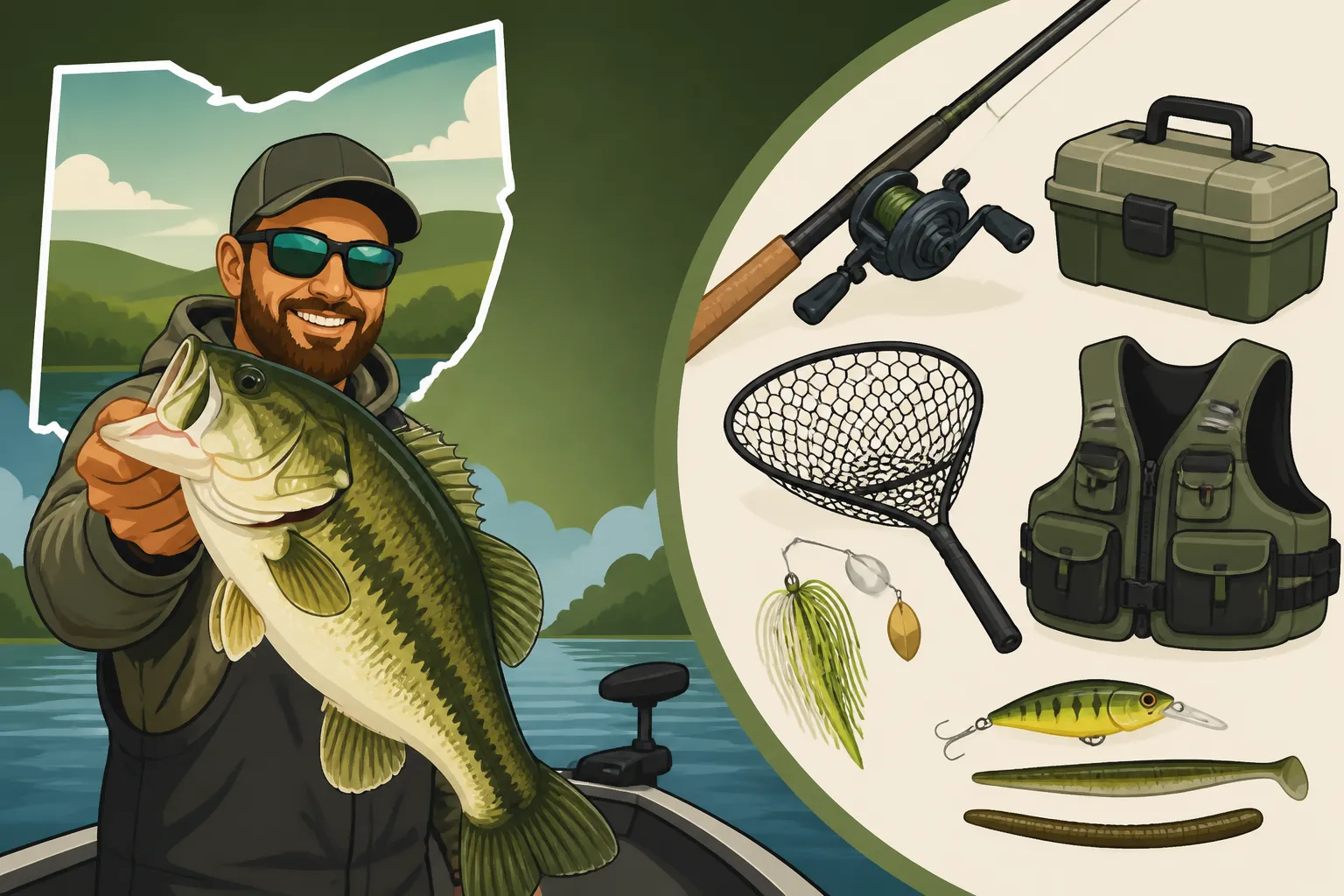
Generally, when you book a guided bass trip in Ohio, you can expect the guide to provide the core fishing equipment. This almost always includes a selection of high-quality rods and reels, rigged and ready for various techniques. We're talking about everything from sensitive spinning setups for finesse tactics to heavy-action baitcasters for flipping and pitching into dense cover. The guide will also typically supply all the necessary lures, baits, and terminal tackle for the day. This might include everything from soft plastics, crankbaits, spinnerbaits, and topwater lures, to hooks, weights, and swivels. They'll have a vast array, carefully curated for the conditions you'll encounter.
Furthermore, essentials like life jackets (which are legally required for anyone on board), a cooler with ice for drinks and snacks, and often bottled water, are standard provisions. The guide's boat itself is a piece of gear – a modern bass boat equipped with powerful engines, comfortable seating, and often sophisticated electronics designed to find fish and navigate safely. Many anglers find their Ohio fishing charter through services like FishingBooker, where detailed descriptions of what's included are usually listed, giving you peace of mind before you even step on the boat.
Gear You Still Need to Bring
While your guide will handle the bulk of the fishing equipment, there are definitely some personal items you'll need to bring to ensure your comfort and safety. Think of it as packing for a day outdoors on the water. This includes appropriate clothing for the weather, which in Ohio can change rapidly. Layers are always a good idea, as are rain gear and sun protection like a wide-brimmed hat, sunglasses, and sunscreen. You'll also need to bring your valid Ohio Fishing License Guide for Residents and Nonresidents. Without this, you won't be able to fish legally, and your trip would be cut short.
Don't forget your personal medications, any specific snacks or beverages you prefer beyond what the guide might offer, and a camera to capture those memorable catches! While the guide provides the main fishing gear, these personal items are crucial for your individual experience. It’s always a good idea to confirm with your specific guide after booking, just in case they have unique recommendations or requirements.
Deep Dive into Provided Rods, Reels, and Lines
The heart of any bass fishing setup lies in the rod, reel, and line. Ohio bass guides take this seriously, understanding that the right combination is crucial for presenting baits effectively, detecting subtle bites, and successfully landing fish. They don't just hand you a random combo; they provide carefully selected systems tailored to the day's plan.
The Right Rod and Reel for Ohio Bass
A good Ohio bass guide will have a diverse arsenal of rods and reels on board, ready for any scenario. For finesse techniques like drop-shotting, shaky heading, or throwing small jigs, you'll likely be handed a medium-light to medium power spinning rod with a fast action tip, paired with a matching spinning reel spooled with light line. These setups are incredibly sensitive, allowing you to feel the slightest nibble, which is vital when bass are finicky or in clear water. For instance, when fishing for smallmouth bass on Lake Erie, a spinning rod is often the go-to for delicate presentations.
On the other hand, if the plan involves slinging heavy crankbaits, pitching jigs into thick weeds, or dragging big Carolina rigs, you'll be using a baitcasting setup. These will range from medium-heavy to heavy power rods with moderate-fast to fast actions, coupled with robust baitcasting reels. Guides often prefer baitcasters for their casting accuracy and power, especially when targeting largemouth bass around dense cover in reservoirs like Hoover or Alum Creek. Having a range ensures you're never under-gunned or over-gunned for the target species or conditions.
Line Choices and Why They Matter
The type and strength of fishing line are just as critical as the rod and reel. Your guide will have reels spooled with various lines, each chosen for its specific properties. You'll commonly see monofilament, fluorocarbon, and braided lines. Monofilament, or mono, is known for its stretch and knot strength, making it forgiving for topwater baits or crankbaits where a little give can prevent hooks from tearing out.
Fluorocarbon, with its near invisibility underwater and excellent sensitivity, is often preferred for finesse techniques or in clear water where bass are line-shy. It sinks, which can be an advantage for bottom-contact baits. Braided line, on the other hand, boasts incredible strength-to-diameter ratio and zero stretch, offering maximum sensitivity and power for punching through matted vegetation or fishing heavy cover. Guides will often pair braid with a fluorocarbon leader for a stealthy presentation with the benefits of braid's strength. Your guide will explain why they've chosen a particular line for a particular technique, teaching you valuable insights along the way.
Seasonal and Situational Gear Adjustments
Ohio's bass fishing is dynamic, with conditions changing throughout the seasons. A good guide will adapt their gear accordingly. In the spring, when bass are moving shallow for the spawn, they might have more flipping sticks and shallow-running crankbait setups ready. During the hot summer months, when bass often hold deeper or in heavy cover, you might see more Carolina rigs, deep-diving crankbaits, and heavy-duty jigging setups. Best Summer Fishing Techniques in Ohio details many of these strategies.
If a cold front blows through, making bass lethargic, guides will shift to slower, more subtle presentations, providing lighter lines and smaller baits. Conversely, on a warm, overcast day with a slight chop, aggressive power fishing techniques with spinnerbaits or chatterbaits might be in order. The guide's ability to quickly adjust their tackle selection based on real-time conditions, water temperature, clarity, and fish behavior is a huge advantage, and they’ll have the gear ready to make those changes on the fly. This flexibility is part of the value you get when booking a professional.
Lures, Baits, and Terminal Tackle: The Expendables
Beyond the rods and reels, the actual "fish catchers" – lures, baits, and terminal tackle – are where a guide's extensive collection truly shines. This is where countless hours of trial and error, local knowledge, and direct experience come into play, providing you with the exact tools needed for the day's bite.
A Guide's Lure Arsenal
Imagine a tackle box on steroids – that's what your guide will bring. They'll have a massive selection of artificial lures, including an array of soft plastics like worms, creature baits, and swimbaits in every conceivable color and size. These are staples for bass fishing in Ohio's lakes and reservoirs. They'll also carry a variety of hard baits: crankbaits that dive to different depths, lipless crankbaits, jerkbaits, and topwater lures designed to entice strikes from above. Spinnerbaits and chatterbaits will also be on hand, especially for covering water or fishing in stained conditions.
The beauty of fishing with a guide is that they know which lures are hot at which time of year, in which specific body of water. They've already done the homework, tested the patterns, and invested in the lures that work. You won't be guessing what to tie on; your guide will make the expert choice for you, often having multiple identical setups ready so you can quickly get back to fishing if a line breaks or a lure gets snagged. They also have a seemingly endless supply, so you won't have to worry about losing a favorite lure.
Live Bait Considerations
While artificial lures are the primary tools for most guided bass trips in Ohio, there are occasions when live bait might come into play, especially for certain species or in specific scenarios. For instance, some guides might use minnows or shiners when targeting suspended bass, or in cooler water when bass are less aggressive. However, for dedicated largemouth and smallmouth bass trips, artificial lures are generally the preferred and most effective method. Best Ohio Bass Fishing Techniques largely focuses on artificial presentations due to their versatility and ability to cover water efficiently.
If a guide does utilize live bait, it will absolutely be provided. This includes not only the bait itself but also the necessary equipment to keep it alive and healthy, such as a livewell. It's rare for a bass guide to expect clients to bring their own live bait, as sourcing and maintaining quality bait is part of their professional service. Always confirm if live bait fishing is part of the plan if you have a preference.
Terminal Tackle Essentials
These are the small but mighty components that connect your line to your lure, and a guide will have an abundance of them. Hooks are paramount, and your guide will have a full range of sizes, styles, and gauges – from thin wire finesse hooks for shaky heads to heavy-duty flipping hooks designed for heavy cover. They'll also have various weights: tungsten and lead in different shapes (worm weights, drop shot weights, jig heads) and sizes, allowing for precise control over the lure's depth and action.
Swivels, snaps, and leader material will also be on hand to ensure proper rigging and presentation. These items may seem minor, but using the wrong hook or weight can drastically impact a lure's effectiveness. Your guide's tackle bag will be meticulously organized, with every conceivable piece of terminal tackle neatly stored and readily accessible, saving valuable fishing time. Services like FishingBooker often highlight guides who are well-equipped, reassuring clients that no detail is overlooked.
Beyond the Basics: Boats, Electronics, and Safety Gear
A guided bass trip is more than just fishing gear; it's a complete experience that includes a well-equipped platform, cutting-edge technology, and a strong emphasis on safety. These elements enhance your comfort, improve your chances of success, and ensure a worry-free day on the water.
The Guide's Bass Boat Setup
The vessel itself is a critical piece of equipment provided by your Ohio bass guide. You'll typically be fishing from a modern, specialized bass boat – a far cry from a basic john boat. These boats are designed for speed, stability, and fishing efficiency. They feature powerful outboard motors for quick runs between spots, spacious casting decks that allow multiple anglers to fish comfortably, and ample storage for all the gear.
Crucially, bass boats are equipped with livewells to keep any legal bass you catch healthy throughout the day, should you choose to keep them or want to measure and release. Many also have comfortable seating and plenty of open space, making your day on the water enjoyable. The guide is responsible for the boat's maintenance, fuel, and safe operation, taking a significant burden off your shoulders. Do You Need a Boat to Fish Lake Erie for Walleye? and other articles emphasize the importance of a proper vessel for serious fishing.
High-Tech Electronics for Finding Bass
Today's bass fishing relies heavily on technology, and your guide's boat will be a floating command center. Expect top-of-the-line fish finders and depth sounders, often with multiple units mounted at the bow and console, providing crystal-clear imaging of the bottom structure, submerged cover, and, most importantly, the fish themselves. Side-imaging and down-imaging sonar allow the guide to scan wide areas and pinpoint hidden bass.
GPS mapping systems are also standard, enabling precise navigation, marking of productive waypoints, and returning to specific spots. Modern electric trolling motors with features like Spot-Lock (to hold the boat in place) are indispensable for silently maneuvering around prime fishing areas and maintaining position even in windy conditions. These sophisticated tools are expensive and require expertise to operate effectively, another reason why a guided trip provides immense value. You'll get to experience fishing with technology that significantly increases your chances of success.
Essential Safety and Comfort Items
Beyond the fishing-specific gear, your guide prioritizes your safety and comfort. Coast Guard-approved life jackets will be readily available for everyone on board, and often, the guide will have comfortable, modern inflatable life vests that are less cumbersome than traditional foam models. Basic first-aid kits are always on board for any minor scrapes or emergencies.
For your comfort, a cooler stocked with ice and bottled water is standard. Many guides also bring extra towels, sunscreen, bug spray, and sometimes even spare rain gear if the weather turns unexpectedly. They understand that a comfortable angler is a happy and more focused angler. While you should bring your own personal comfort items, knowing the guide has these basics covered provides an extra layer of reassurance, allowing you to relax and focus on the fishing experience. You can even check with your guide via a platform like FishingBooker to confirm what additional amenities they offer.
| Item Type | Typically Provided by Guide | Angler Should Bring | Notes |
|---|---|---|---|
| Fishing Gear | |||
| Rods & Reels | Yes | Optional (if preferred) | High-quality, technique-specific setups are standard. |
| Lures & Baits | Yes | Optional (personal favorites) | Extensive selection tailored to conditions. |
| Terminal Tackle | Yes | No | Hooks, weights, swivels, leaders are fully stocked. |
| Vessel & Equipment | |||
| Bass Boat | Yes | No | Fully fueled, maintained, and operated. |
| Fish Finders/GPS | Yes | No | Advanced electronics for navigation and fish location. |
| Trolling Motor | Yes | No | Electric motor for stealthy maneuvering. |
| Safety & Comfort | |||
| Life Jackets | Yes | Optional (personal fit) | USCG-approved, often comfortable inflatables. |
| First-Aid Kit | Yes | No | Basic supplies for minor injuries. |
| Cooler & Ice | Yes | Optional (for personal items) | For drinks and keeping catch fresh. |
| Bottled Water | Yes | Optional (other beverages) | Hydration is important! |
| Personal Items | |||
| Valid Fishing License | No | Yes | Mandatory for all anglers, Ohio Fishing License Guide for Residents and Nonresidents. |
| Appropriate Clothing | No | Yes | Layers, rain gear, sun protection (hat, sunglasses). |
| Sunscreen | Optional (often has some) | Yes | Essential for protection on the water. |
| Personal Snacks/Drinks | Optional (sometimes a few) | Yes | Dietary preferences or extra fuel. |
| Medications | No | Yes | Any prescription or over-the-counter meds you need. |
| Camera | No | Yes | To capture those trophy shots! |
| Small Dry Bag | No | Yes | For phone, wallet, keys. |
When you book an Ohio bass fishing trip, you're investing in a complete, professional experience. Your guide will provide nearly all the essential fishing gear, from the boat you fish from to the lures you cast, meticulously chosen and maintained for optimal performance. This frees you from the worry of having the right tackle and allows you to focus purely on the joy of fishing and learning from an expert. All you need to do is show up prepared with your personal necessities and a valid Where and How to Buy an Ohio Fishing License, ready to enjoy a fantastic day chasing bass across Ohio's beautiful waters. If you're looking for a guide, platforms like FishingBooker make it easy to find and vet experienced captains who will ensure you have a memorable and successful outing.
Disclaimer
This article is for general informational purposes only and does not constitute professional advice. Laws, prices and regulations vary by location and change over time. Consult a qualified professional for guidance on your specific situation.