Best Ohio Bass Fishing Techniques
Few things are as frustrating as heading out to your favorite Ohio lake or river, convinced it's going to be a banner day for bass, only to come home empty-handed or with just a few small ones. It feels like everyone else has some secret technique they're not sharing, or that the fish just vanished overnight. The truth is, bass fishing in Ohio can be incredibly rewarding, but it demands more than just casting a line; it requires understanding the nuances of our waters, the seasons, and the fish themselves. This comprehensive guide is here to unravel those "secrets," offering detailed, actionable strategies to help you consistently catch more and bigger bass across the Buckeye State.
Understanding Ohio's Bass Species and Their Preferred Haunts
Before you even think about what lure to tie on, it's crucial to understand the two main players in Ohio's bass scene: the largemouth and the smallmouth. While both are bass, they have distinct personalities and preferences, meaning what works wonders for one might be completely ignored by the other. Knowing where they live and what they like will drastically improve your success.
Largemouth Bass: The Cover Enthusiasts
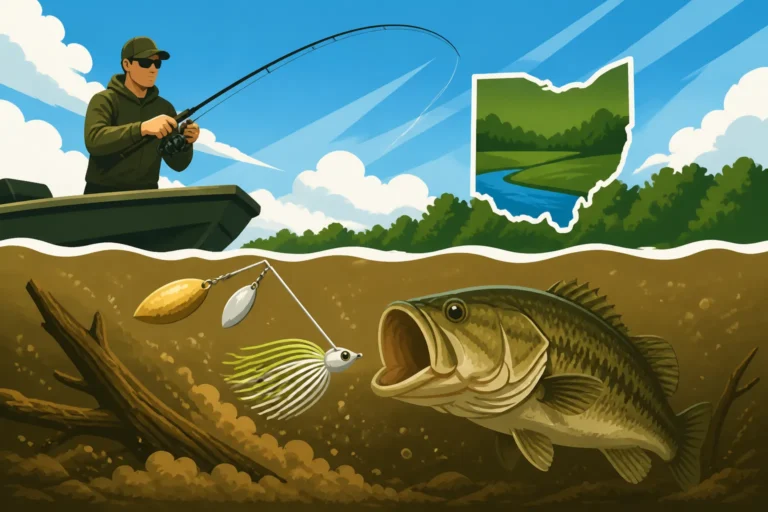
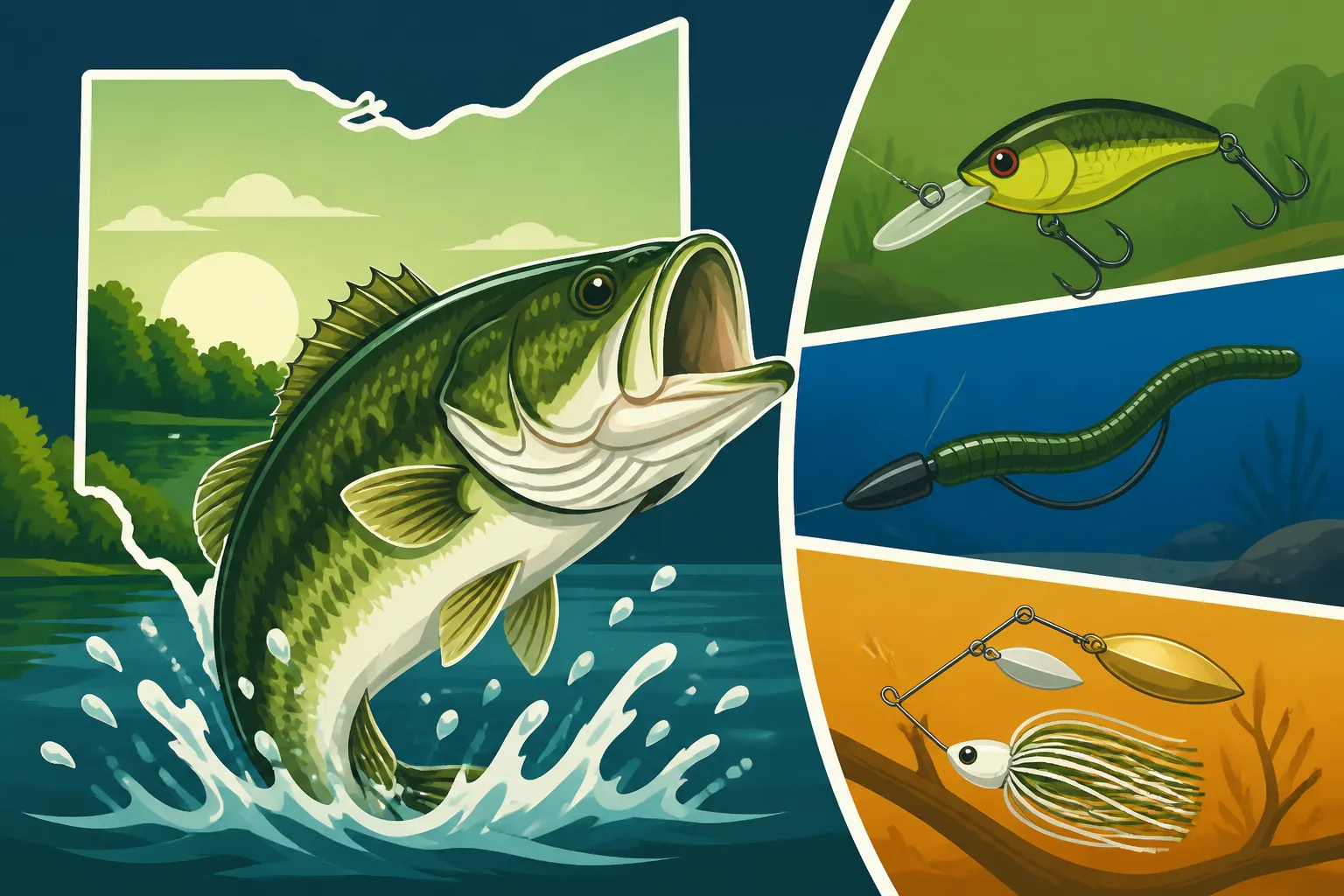
Our beloved largemouth bass are the masters of ambush, preferring to hide in dense cover, waiting for an unsuspecting meal to swim by. Think of them as the couch potatoes of the bass world – they want their food to come to them. In Ohio, you'll find largemouth thriving in slow-moving waters, shallower lakes, ponds, and the backwaters of larger rivers. They gravitate towards vegetation like lily pads, cattails, and submerged hydrilla, but also love man-made structures such as docks, fallen trees, brush piles, and even old tires or shopping carts on the bottom. If you see thick cover, there's a good chance a largemouth is lurking within. They're often found in waters that aren't crystal clear, preferring a bit of murk to provide extra camouflage. The key to catching these green beasts is getting your lure into their living room without spooking them. If you're looking for detailed information on these fish, our Ohio Largemouth Bass Fishing Guide is a fantastic resource.
Smallmouth Bass: River and Lake Structure Specialists
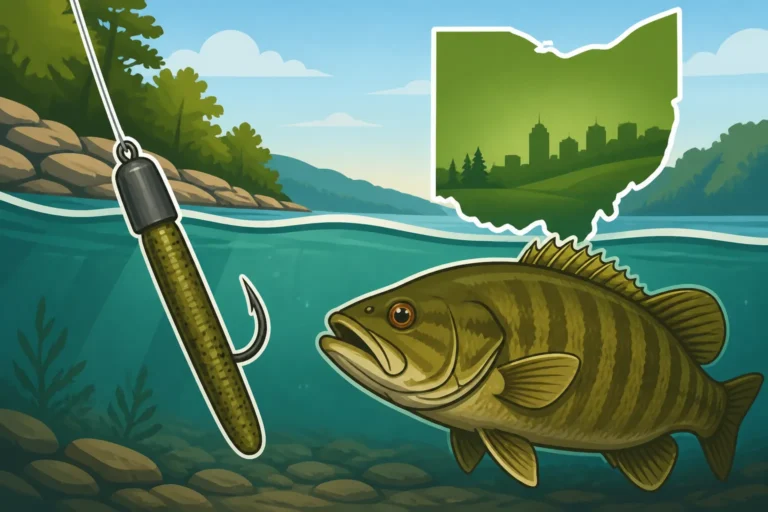
Smallmouth bass, on the other hand, are the rugged adventurers. These bronze beauties prefer cleaner, cooler, and often moving water. You'll find them abundant in Lake Erie, particularly the western basin, and its tributaries, as well as several of Ohio's deeper, clearer inland lakes and larger rivers like the Ohio River or the Maumee. Unlike largemouth, smallmouth aren't usually found buried in thick weeds. Instead, they relate closely to hard structure: rock piles, ledges, current breaks, drop-offs, gravel bars, old bridge abutments, and even submerged points. They're constantly on the move, chasing baitfish in open water or along current seams. Catching smallmouth often involves a more active fishing style, covering water, and understanding how current and structure dictate their movements. They’re notorious fighters, known for their acrobatic jumps and powerful runs. If you want to learn more about targeting these aggressive fish, be sure to check out our Ohio Smallmouth Bass Fishing Guide.
Springtime Strategies: From Pre-Spawn to Post-Spawn Bites
Spring is a magical time for bass anglers in Ohio. As the ice recedes and water temperatures begin to climb, bass shake off their winter lethargy and start thinking about reproduction, leading to some of the most exciting fishing of the year. However, their behavior changes rapidly with water temperature, so adapting your approach is critical.
Early Spring: Targeting Warming Flats and Secondary Points
When the water temperatures are still in the low 40s to mid-50s (Fahrenheit), bass are in their pre-spawn phase. They're hungry and starting to move up from their deeper wintering holes, looking for warmer water and staging areas close to their eventual spawning grounds. This is often where you'll find the biggest bass of the year. Focus on northern banks or shallow, dark-bottomed coves that absorb sunlight quickly. These areas will warm up first. Look for secondary points, transition areas where deep water meets shallow flats, or the very edges of weed lines if they've started to emerge. Slow-moving baits are key here. Lipless crankbaits, jerkbaits, or a slow-rolled spinnerbait can be incredibly effective for enticing a strike from a sluggish but hungry bass. Don't be afraid to fish slowly and thoroughly, as bass might be grouped up in small, specific pockets of warmer water. This is a prime time for a big bite, so ensure your tackle is ready for some heavy lifting.
The Spawn: Sight Fishing and Bed Protection
Once water temperatures consistently hit the high 50s to low 60s, bass move onto their beds to spawn. For largemouth, this means shallow, protected areas with a firm bottom – typically gravel, sand, or hard clay – often near some sort of cover like a submerged log or clump of weeds. Smallmouth will seek similar bottom compositions but often in slightly deeper water or areas with subtle current in rivers. This is when sight fishing becomes a viable, albeit controversial, technique. You can spot bass on their beds, guarding their eggs or fry. While it's exhilarating to watch a bass fiercely defend its nest, many anglers advocate for leaving bedding fish alone to ensure a healthy future population. If you do target them, a small jig, a creature bait, or a weightless plastic worm pitched directly onto the bed can trigger a protective strike. Remember to be respectful of the fish during this vulnerable time. You can find out more about this crucial period in our Best Spring Fishing Techniques in Ohio guide.
Post-Spawn: Recovering Bass and Active Feeders
After the spawn, bass enter a recovery phase. They've expended a tremendous amount of energy building and guarding nests, so they're often a bit beat up and lethargic immediately afterward. Water temperatures will be in the mid-60s to low 70s. During this time, bass might retreat slightly from the super shallow beds, moving to nearby cover or slightly deeper breaks. They're still hungry, but perhaps not as aggressive as pre-spawn. As they regain strength, they become incredibly active feeders, looking to replenish their energy. Focus on areas adjacent to spawning flats, like the first drop-off, deeper weed edges, or brush piles. Topwater lures can be explosive during this period, especially in the mornings and evenings, as bass are willing to chase. Soft plastic jerkbaits, shaky heads, or small crankbaits are also excellent choices. This post-spawn rebound often marks the transition into summer patterns, making it a highly productive time once you pinpoint their recovery zones.
Conquering Summer Bass: Deep Water and Low Light Tactics
Ohio summers can be brutal for both anglers and bass. As air and water temperatures soar, bass often change their habits drastically. The shallow, easy-to-reach fish of spring often disappear, leading to frustration for many anglers. But don't despair! Summer bass are still catchable; you just need to adjust your tactics to match their heat-induced behavior.
Mornings and Evenings: Exploiting the Cooler Hours
During the peak of summer, bass become much more active during the cooler parts of the day. The early morning hours, right as the sun is coming up, and the late evening, as it begins to set, are prime times. The water temperature is at its coolest during these periods, and bass will often move shallower to feed. This is when topwater baits truly shine! Poppers, walking baits, and buzzbaits can provoke explosive strikes as bass capitalize on low light and cooler surface temperatures. Spinnerbaits and shallow-running crankbaits can also be effective when fished along weed lines, docks, and rocky shorelines. The key is to be on the water at first light or fish until dark, taking advantage of that brief window before the oppressive midday heat sends them deep again. This is a classic pattern discussed in many Best Summer Fishing Techniques in Ohio guides.
Deep Structure and Thermoclines: Where Bass Go to Beat the Heat
When the sun is high and the water is warm, bass seek refuge in cooler, deeper water. This means focusing on deep structure. Look for ledges, humps, deep points, offshore rock piles, and submerged timber. In many of Ohio's deeper reservoirs, a thermocline will set up – a layer where the water temperature changes rapidly, often rich in oxygen and baitfish. Bass will frequently suspend or hold just above or within this thermocline. Electronic fish finders become invaluable here, allowing you to locate these deeper structures and identify the thermocline. Effective baits include deep-diving crankbaits that can reach these depths, football jigs crawled along the bottom, or drop shots and shaky heads for a more finesse presentation. Pay attention to contour maps and use your electronics to identify subtle changes in the bottom that might hold schools of heat-weary bass.
The Thrill of Night Fishing for Bass
For those willing to brave the dark, night fishing for bass in Ohio during the summer can be incredibly productive and exciting. As the sun sets, the surface water cools, and bass often move into shallower areas to feed under the cover of darkness. This can be especially true for larger, more cautious bass that are wary of daylight pressure. The lack of visual cues for the fish means they rely more on sound and vibration, making specific lures incredibly effective. Black or dark-colored spinnerbaits, often with large thumping blades, buzzbaits, and Jitterbugs or other noisy topwater lures are excellent choices. Large worms fished on Texas rigs or Carolina rigs can also work well. Focus on familiar shallow areas like weed edges, docks, and rocky points. Just remember safety first – bring headlamps, know your surroundings, and ideally, fish with a buddy. It's a different world out there at night, and the strikes are often ferocious!
Fall Bass Fishing: Fueling Up for Winter
As the crisp autumn air returns to Ohio, water temperatures begin to drop, signaling a major shift in bass behavior. Fall is a prime time for big bass as they enter a feeding frenzy, packing on reserves for the leaner winter months ahead. This period can offer some of the most consistent and aggressive bites of the year, but like spring, it requires understanding their seasonal movements.
Following the Bait: Schools of Opportunity
One of the most defining characteristics of fall bass fishing is their relentless pursuit of baitfish. Shad, minnows, and other forage species are schooling up in preparation for winter, and bass are right on their tails. Look for active baitfish schools on your electronics, or even visible on the surface. Diving birds like gulls or terns can also point to baitfish schools being pushed to the surface. Bass will often corral these schools against points, humps, or channel swings. Reaction baits that imitate schooling baitfish are incredibly effective. Lipless crankbaits, spinnerbaits, jerkbaits, and swimbaits become go-to choices. Match the hatch, paying attention to the size and color of the baitfish in the area. Covering water is essential, as bass can move quickly with the bait schools. Some of the Best Lures for Ohio Fishing come into their own during the fall.
Transition Zone Dominance: Targeting Ambush Points
In the fall, bass will often stage in transition zones between shallow feeding flats and deeper wintering holes. These can be gradual slopes, defined ledges, or channels that run through shallow areas. They use these spots as ambush points to intercept baitfish moving between different depths. Focus on areas where two types of habitat meet, such as a rocky point extending into a weed flat, or a channel swing that brings deep water close to a shallow bank. Crankbaits, jigs, and Carolina rigs are excellent for working these transition areas. As fall progresses and water temperatures continue to drop into the 50s and 40s, bass will start moving even deeper, becoming more reliant on jigs and slower presentations. Don't overlook the importance of current in rivers during the fall, as bass will use eddies and seams to ambush bait being washed downstream.
Essential Lures and Baits for Ohio Bass Success
With so many options out there, choosing the right lure can feel overwhelming. But in Ohio, a core set of lures will cover almost every bass fishing scenario you'll encounter. Understanding when and how to use them is more important than having a tackle box full of every new gadget on the market.
Soft Plastics: The Versatile Workhorses
Soft plastics are arguably the most versatile and effective category of bass lures, capable of imitating everything from worms and crawfish to baitfish. Their soft, natural feel in the water often convinces wary bass to hold on longer.
- Plastic Worms (Senkos, Straight Tail Worms, Ribbon Tail Worms): These are absolute staples. A weightless Senko rigged wacky style can be deadly in shallow, clear water, offering a subtle, enticing fall. Texas-rigged worms are perfect for fishing through heavy cover without snagging.
- Creature Baits and Jigs: Designed to imitate crawfish or other aquatic critters, these are fantastic for flipping and pitching into heavy cover, or crawling along the bottom in deeper water. They offer a bulkier profile and a lot of enticing action.
- Swimbaits (Paddle Tails, Boot Tails): Used to imitate baitfish, swimbaits can be rigged on a jig head, a swimbait hook, or used as a trailer. They're excellent for covering water, especially in clear to stained conditions.
- Drop Shot Rigs: This finesse technique suspends a small plastic bait (often a straight-tail worm or small minnow imitation) above a weight, keeping it right in the fish's face. It's incredibly effective for deep, clear water smallmouth and finicky largemouth. Learning how to fish a drop shot is a game changer for many. For detailed insights into specific techniques, our Best Techniques for Ohio Smallmouth Bass article has great info.
Hard Baits: Cranking, Jerking, and Topwater Excitement
Hard baits are fantastic for covering water, generating reaction strikes, and fishing specific depths.
- Crankbaits (Shallow, Mid, Deep-Diving, Lipless): These lures dive to different depths depending on their lip size and design. Shallow crankbaits are great for covering flats and targeting sparse cover. Deep-diving crankbaits are essential for reaching bass on offshore structure. Lipless crankbaits are excellent for covering open water, especially around schooling baitfish, and for cutting through sparse vegetation.
- Jerkbaits: With their erratic, darting action, jerkbaits imitate a wounded baitfish, making them deadly in cooler water, particularly for suspended bass. A retrieve involving sharp jerks followed by pauses can often provoke a strike.
- Topwater Lures (Poppers, Walkers, Frogs, Buzzbaits): The most exciting way to catch bass! These lures work on the surface, creating commotion. Poppers splash, walking baits "walk the dog" from side to side, frogs are weedless marvels for dense cover, and buzzbaits create a sputtering disturbance. They are most effective in low light, calm conditions, or over heavy cover where bass feel safe to strike from below. This type of fishing is incredibly exhilarating, and our Best Techniques for Ohio Largemouth Bass guide highlights some great methods.
Jigs and Spinnerbaits: Power Fishing and Finesse
These categories offer a mix of power fishing and subtle presentations.
- Jigs (Flipping Jigs, Football Jigs, Swim Jigs): Jigs are incredibly versatile. Flipping and pitching jigs are used for heavy cover, mimicking crawfish or bluegill. Football jigs are designed to crawl over rocky bottoms and ledges in deeper water. Swim jigs, often resembling baitfish, are retrieved through cover or open water, offering a stealthier alternative to spinnerbaits.
- Spinnerbaits: With their flashing blades and vibrating skirt, spinnerbaits are excellent for covering water, fishing windy conditions, and penetrating sparse to medium cover. They create a lot of commotion, often triggering aggressive reaction strikes. They are particularly effective when bass are active and feeding on baitfish.
| Lure Type | Primary Bass Species | Best Conditions | Typical Technique |
|---|---|---|---|
| Weightless Senko | Largemouth, Fussy Smallmouth | Shallow, calm, clear to stained | Wacky rig, slow fall near cover |
| Deep-Diving Crankbait | Largemouth, Smallmouth | Deep structure, points, rocky bottoms | Fast retrieve, deflect off cover |
| Spinnerbait | Largemouth, Smallmouth | Wind, stained water, sparse cover | Slow roll, burning, bumping cover |
| Football Jig | Largemouth, Smallmouth | Deep ledges, rock piles, offshore humps | Drag, hop, or crawl along bottom |
| Topwater Frog | Largemouth (heavy cover) | Warm, calm, thick weeds, lily pads | Pop, twitch, pause, walk the dog |
| Drop Shot Rig | Smallmouth, Fussy Largemouth | Clear water, deep structure, suspended fish | Light rod, subtle shakes, vertical presentation |
| Jerkbait | Largemouth, Smallmouth | Cooler water, suspended baitfish | Jerk, pause, jerk, pause |
Optimizing Your Gear for Ohio Bass Fishing
Having the right rod, reel, and line can make a significant difference in your bass fishing success. It's not just about having expensive gear; it's about matching your equipment to the specific techniques you're using and the conditions you're fishing in. You can find a vast array of quality options available on Amazon, catering to every budget and need.
Rods and Reels: Matching the Technique
Think of your rod and reel as an extension of your body, designed to execute specific tasks.
- Spinning Combos (Light to Medium-Light Power, Fast Action): Ideal for finesse techniques. They excel at casting lighter lures like shaky heads, drop shots, and weightless worms, especially when using lighter lines. This setup is often preferred for targeting pressured smallmouth or when conditions call for a very subtle presentation. A 6'6" to 7' medium-light, fast-action spinning rod paired with a 2500-size spinning reel is a great all-around choice for this.
- Baitcasting Combos (Medium-Heavy to Heavy Power, Fast to Moderate-Fast Action): The workhorses for most power fishing techniques. Baitcasters are designed for casting heavier lures, handling stronger lines, and providing the power needed to pull big bass out of heavy cover.
- Medium-Heavy, Fast Action (7' – 7'3"): Perfect for Texas rigs, spinnerbaits, chatterbaits, and medium-diving crankbaits. This is probably the most versatile baitcasting setup for Ohio bass.
- Heavy, Fast Action (7'3" – 7'6"): Essential for flipping and pitching into dense mats, fishing large jigs, or throwing big swimbaits. The extra backbone helps you drive hooks through thick cover and control powerful fish.
- Crankbait Rods (Medium Power, Moderate Action): These often have a slower, more parabolic bend, which helps absorb the shock of a strike and keeps crankbait treble hooks from pulling out of a fish's mouth.
Line Choice: Strength, Sensitivity, and Stealth
The fishing line is your direct connection to the fish, and choosing wisely is paramount.
- Monofilament (Mono): This is a stretchy line, making it excellent for topwater lures (where stretch helps keep fish pinned) and crankbaits (which benefit from the shock absorption). It's also relatively inexpensive.
- Fluorocarbon (Fluoro): Almost invisible underwater, fluorocarbon is a favorite for finesse techniques and clear water. It has very little stretch, offering excellent sensitivity, and it sinks, which is beneficial for soft plastics and jigs. It's often used as a leader material attached to braid.
- Braided Line (Braid): Incredibly strong for its diameter and has zero stretch, providing maximum sensitivity and hook-setting power. It's ideal for fishing heavy cover, flipping, pitching, and for topwater lures where you need to muscle fish out of thick stuff. Because it's visible, many anglers will tie a fluorocarbon leader to their braid. When fishing for species like crappie or panfish, a lighter braid might also be used, but for bass, strength is key.
For most Ohio bass fishing, having setups spooled with 10-15 lb fluorocarbon or 30-50 lb braid with a fluorocarbon leader will cover the vast majority of situations.
Advanced Techniques and Considerations for Ohio Anglers
Once you've mastered the basics, it's time to refine your approach and adapt to the ever-changing conditions Ohio waters throw at you. Advanced bass fishing isn't just about specialized lures; it's about observation, adjustment, and thinking like a bass.
Reading the Water: Interpreting Subtle Clues
The ability to "read the water" is a skill developed over years, but it's one of the most crucial for consistent success. It involves looking beyond the surface and understanding what's happening underneath.
- Surface Activity: Look for subtle ripples, swirls, or jumping baitfish that indicate feeding activity. Diving birds can also point to schools of bait being pushed to the surface by predatory fish.
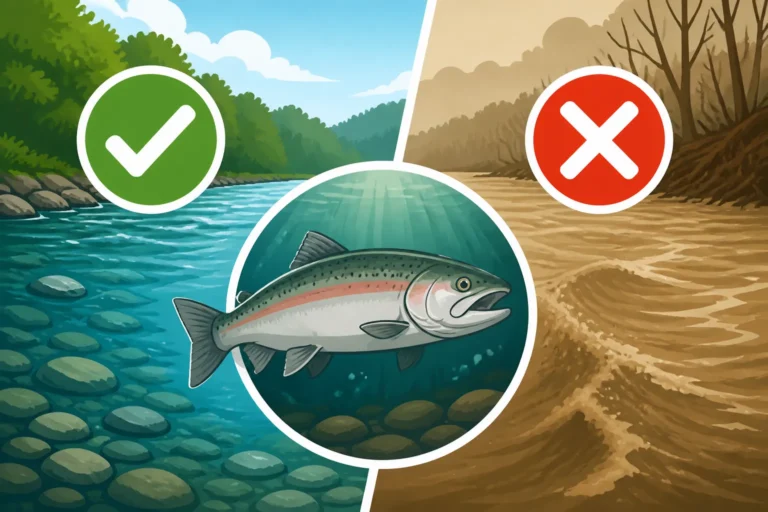
- Changes in Color or Clarity: Murky water might suggest recent rainfall or current, pushing bass into specific ambush points. Clear water might demand lighter line and more subtle presentations.
- Current Breaks: In rivers and creek arms, bass will position themselves out of the main current, behind rocks, logs, or other structures, waiting for food to be swept by. Understanding these current seams is vital for river smallmouth.
- Bottom Composition: Pay attention to how your lure feels on the bottom. Does it drag over soft mud, bounce off rocks, or get hung up in wood? Each indicates a different habitat that might hold bass. Learning to interpret these subtle clues, as highlighted in our Reading Weather Patterns for Ohio Fishing article, can dramatically improve your fishing.
Adapting to Ohio's Diverse Waters: Rivers, Lakes, and Ponds
Ohio offers a fantastic variety of bass fishing environments, and each demands a slightly different approach. What works in a sprawling reservoir might not in a small farm pond or a flowing river.
- Large Reservoirs (e.g., Alum Creek Lake, Hoover Reservoir): These bodies of water often feature distinct seasons, thermoclines, and vast offshore structures. Electronics are key to locating bait and bass in deeper water. Long casts and covering water are often necessary.
- Natural Lakes (e.g., Lake Erie, Indian Lake): Lake Erie is a smallmouth haven, demanding presentations that mimic baitfish and target rocky reefs and shoals. Inland natural lakes might have more consistent weed growth and flatter bottoms, requiring focus on weed lines and docks.
- Rivers and Streams (e.g., Ohio River, Maumee River): Current is the dominant factor here. Bass will orient themselves to current breaks and eddies. Smallmouth thrive in rocky river sections, while largemouth prefer slower backwater areas and oxbows. Understanding current dynamics and targeting specific seams and pockets is crucial.
- Farm Ponds: Often overlooked, farm ponds can hold surprisingly large bass. They're typically shallower, and bass relate heavily to any available cover like fallen trees, weed patches, or dock structures. Don't underestimate these local gems.
Kayak and Shoreline Bass Fishing Advantages
Not everyone has a fancy bass boat, and that's perfectly fine! Kayaks and shoreline fishing offer unique advantages, allowing you to access areas that larger boats can't, often with less pressure.
- Kayak Fishing: Kayaks provide stealth and maneuverability, allowing you to quietly slip into tight coves, shallow weed beds, or navigate small river sections. This quiet approach can be incredibly effective for wary bass. Specialized equipment for kayaks, like shallow water anchors, can enhance your ability to stay on fish. Our Kayak Fishing Techniques in Ohio guide offers a deeper dive into this growing sport.
- Shoreline Fishing: While it can be limiting, shoreline fishing forces you to be observant and strategic. Focus on accessible cover like docks, fallen trees, bridge pilings, or points that extend into the water. Fan casting to cover a wide area, and using lures that can be cast long distances, are key. Don't be afraid to walk a bit to find less pressured spots. Many state parks and public access areas offer excellent bank fishing opportunities.
Conservation and Responsible Bass Angling in Ohio
As passionate anglers, we have a responsibility to protect Ohio's incredible bass fisheries for future generations. Practicing conservation isn't just a suggestion; it's an essential part of being a good steward of our natural resources.
Handling and Releasing Bass Safely
Catch and release is a common practice in bass fishing, especially for larger, trophy-sized fish that contribute significantly to the gene pool. If you plan to release a bass, do so quickly and carefully.
- Minimize Handling Time: The less time a fish spends out of the water, the better its chances of survival.
- Wet Hands: Always wet your hands before touching a fish to protect its protective slime coat.
- Support the Fish's Weight: When holding a bass horizontally, support its belly. Never just hold a large bass by its lower jaw (lipping) without supporting its body, as this can cause severe jaw damage.
- Gentle Hook Removal: Use needle-nose pliers or a de-hooker to remove hooks quickly and gently. If a hook is deeply embedded, it might be better to cut the line as close to the hook as possible rather than risk further damage to the fish.
- Revival: If a fish appears sluggish or stressed, hold it gently in the water, facing into any current, until it regains its strength and can swim away on its own.
Understanding Regulations and Limits
The Ohio Department of Natural Resources (ODNR) sets specific regulations for bass fishing to manage populations and ensure healthy fisheries. These regulations can vary by lake or river, so it's critical to know the rules for the specific body of water you're fishing.
- Size Limits: Many lakes have minimum length limits for largemouth and smallmouth bass. For example, some inland lakes may have an 18-inch minimum for bass, while others might be 12 inches, and Lake Erie has its own specific regulations, especially for smallmouth. Always measure your fish carefully! You can find detailed information on these in our Ohio Largemouth and Smallmouth Bass Limits article.
- Bag Limits: There's also a daily creel limit, dictating how many bass you can legally keep in a single day. This is usually a combined limit for both largemouth and smallmouth.
- Possession Limits: Be aware of possession limits if you're on a multi-day trip.
- Fishing License: Remember that anyone 16 years of age or older needs an Ohio Fishing License Guide for Residents and Nonresidents to fish in Ohio public waters. Make sure yours is current!
Always consult the current Ohio Fishing Regulations booklet, available from the ODNR, or their website, before heading out. Ignorance of the law is not an excuse, and violations can result in fines and loss of fishing privileges. By following these guidelines, we ensure that Ohio remains a fantastic destination for bass anglers for years to come, preserving the chance to potentially catch an Ohio State Record Largemouth Bass or an Ohio State Record Smallmouth Bass Weight someday!
Disclaimer
The information provided in this guide is for general informational purposes only and does not constitute legal or professional advice. Fishing regulations, conditions, and best practices can change. Always consult the most current Ohio Department of Natural Resources (ODNR) fishing regulations before engaging in any fishing activities. Personal safety should always be your top priority when on the water.