Fishing a Private Pond in Ohio
One of the most common questions I get from folks, especially those new to fishing or just visiting Ohio, revolves around whether you need a fishing license to cast a line in a private pond. It's a valid confusion, believe me, because the answer isn't a simple "yes" or "no." The rules can feel like navigating a maze, but understanding them is crucial to avoid an unexpected interaction with a wildlife officer. This guide is here to untangle the specifics of fishing in a private pond in Ohio, ensuring you're clear on when you need that license and when you can fish freely.
Understanding Ohio's Private Pond Fishing License Exemptions
Let's cut right to the chase: Ohio offers specific exemptions when it comes to fishing licenses, particularly for private ponds. However, these aren't blanket exemptions, and there are some really important nuances you need to grasp to stay on the right side of the law. Nobody wants a peaceful day of fishing to turn into a legal headache!
The "Owner's Property" Exemption
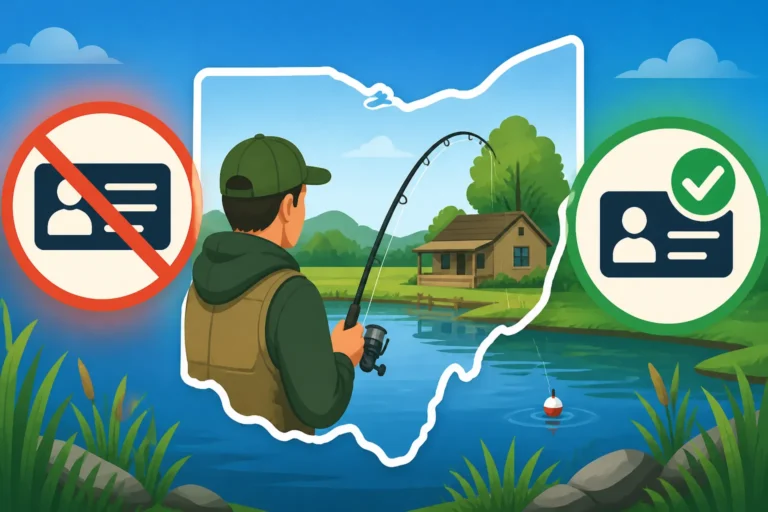
This is the big one, the exemption most people are thinking of when they consider fishing a private pond. In Ohio, if you are the owner of a pond, or a member of the owner's family, and the pond is located entirely on the owner's property with no public access, then you do not need an Ohio fishing license to fish there. This also generally extends to guests who have explicit permission from the landowner to fish on their property.
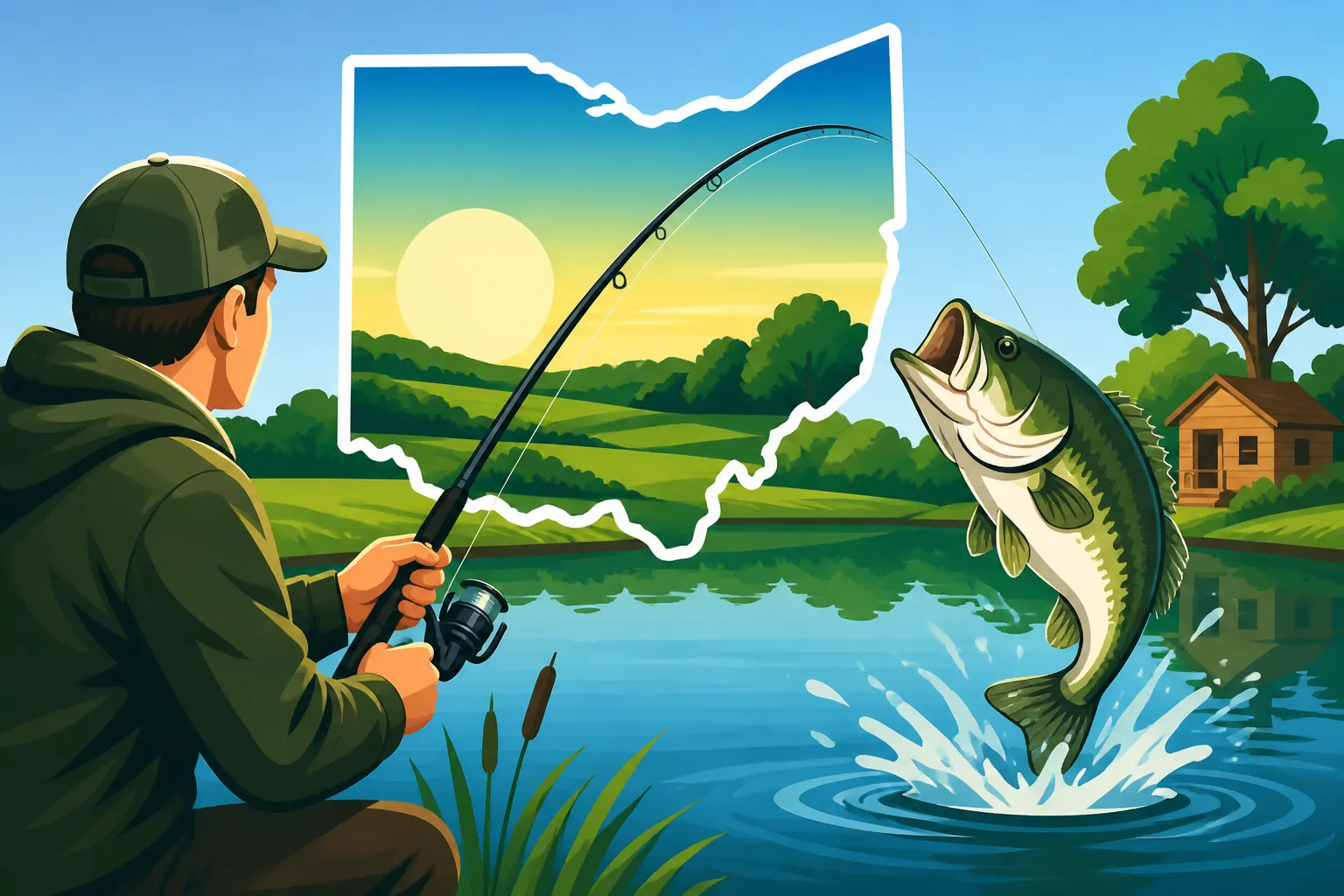
Think about it this way: your buddy has a beautiful little pond in his backyard, completely surrounded by his own land, and no streams or ditches run from it directly into a public waterway like a river or a large public lake. If he invites you over to fish, and you have his permission, then generally, you're good to go without a license. It’s about proprietary control and isolation from the public aquatic system. This is a huge relief for many landowners who want to enjoy their own slice of fishing paradise or share it with friends and family without jumping through extra hoops. This is covered more broadly in the Ohio Fishing License Guide for Residents and Nonresidents and details the specifics for who needs a license.
Defining "Private Pond"
Here's where it gets a little trickier, because "private pond" can mean different things to different people. In the eyes of Ohio law, a pond is typically considered private if it meets several key criteria:
- Entirely Enclosed on Private Land: This means the pond's entire shoreline and all of its water exist within the boundaries of privately owned property. There are no public easements or rights-of-way that allow general public access to the water's edge.
- No Connection to Public Waterways: This is a huge one. A true "private" pond, for license exemption purposes, cannot have a direct or even intermittent connection to public waters. This includes streams, rivers, public lakes, or even drainage ditches that lead to such waters. If water from the pond can flow into or receive water from a public waterway, even seasonally, it might no longer qualify for the exemption. Imagine a pond that overflows into a ditch that then feeds into a public creek; that connection can often negate its "private" status. The Ohio Division of Wildlife (ODOW) considers water bodies connected to public waters as part of the public resource, even if parts are on private land.
It’s about safeguarding Ohio's shared aquatic resources. If fish from a truly private pond cannot move into public waters, and public water fish cannot move into the pond, then it’s truly isolated. This distinction is paramount, so don't just assume a pond is private because it's behind someone's house. You need to understand the full hydrological context.
Key Factors Determining License Requirements
Understanding whether a pond is truly "private" in the eyes of the law is the first step. But several factors contribute to that determination, and they're worth breaking down to avoid any lingering doubts. Ignoring these could land you in hot water, so let's clarify.
Public vs. Private Access
The core of the matter often comes down to access. If the general public can access the pond, even if it's on privately owned land, it often loses its "private pond" exemption status. This isn't just about physical barriers like fences. It's about legal access.
For instance, a pond located within a private subdivision might feel private, but if the homeowners' association allows all residents (who are essentially "the public" in that context) to fish there, and it's not exclusively on one person's deeded property, a license might be required. The key is true, exclusive control by a single landowner or their immediate family. If the pond is open to a community, a club, or even a business that charges for fishing, it likely falls outside the exemption. For a full breakdown of general requirements, you can always consult the Ohio Fishing Regulations Every Angler Should Know.
Connection to Public Waters
This point is so critical it bears repeating and expanding upon. Many landowners are genuinely surprised to learn that their seemingly isolated pond might not be. Small culverts, seasonal overflow ditches, or even subsurface hydrological connections can be enough to link a pond to public waterways. The moment water—and by extension, fish—can freely move between a pond and public waters, that pond becomes subject to public fishing regulations.
Why is this such a big deal? Because fish populations migrate. A stocked pond that connects to a stream could see its fish move into public waters, or public water fish could move into the pond. This complicates management efforts by the ODOW and blurs the lines of resource ownership. If you're unsure if a pond has such a connection, it's always best to err on the side of caution and either assume a license is needed or consult with the landowner, who should ideally know the pond's specifics. You certainly wouldn't want to receive an Ohio Wildlife Officer Violation Fines in Ohio for something you didn't even realize was an issue.
Stocking and Management
Does it matter if a pond was stocked by the state or if the landowner privately stocked it? Generally, for license exemptions on genuinely private, unconnected ponds, the source of the fish doesn't change the license requirement. If you own the land, the pond is entirely on your property, and it has no connection to public waters, you and your invited guests don't need a license, regardless of whether you bought bluegill fingerlings from a private supplier or if the pond somehow miraculously gained a population of wild fish.
However, if a pond was stocked by the state at some point and that pond does have a connection to public waters, then it falls under general state regulations, and a license would almost certainly be required. The ODOW's stocking programs are primarily for enhancing public fishing opportunities, and those waters, even if partially on private land, are considered public resources. Always check with the landowner about the pond's history, especially if it seems unusually productive or holds species not typically found in natural, isolated Ohio ponds.
What to Consider Before Fishing a Private Pond
So, you've identified a private pond, and you think you understand the exemption rules. Great! But before you grab your rod and reel, there are still some fundamental considerations to ensure your fishing trip is respectful, legal, and enjoyable for everyone involved.
Always Get Permission
This cannot be stressed enough. Even if a pond theoretically falls under the license exemption, you are still on private property. Trespassing is illegal, rude, and can lead to serious consequences. Never, ever assume it's okay to fish a private pond without explicit, clear permission from the landowner. A simple conversation can save you a world of trouble.
When seeking permission, be polite, state your intentions (e.g., "I'd love to catch some bass and practice catch-and-release"), and ask about any specific rules the landowner might have. They might have preferences on bait, catch limits (even if no state limit applies), or areas of the pond that are off-limits. Building a good relationship with a landowner can open up fantastic fishing opportunities for years to come. Imagine missing out on some incredible Ohio Largemouth and Smallmouth Bass Limits action because you didn't take a few minutes to ask!
Know the Pond's History
Understanding the history of a private pond can provide valuable insights. Was it recently dug? Has it been managed for specific species? Was it ever stocked by the state, or is it exclusively private stock? These details can affect what you expect to catch and might even subtly influence the "private" status if there's a history of state involvement or public access.
A landowner might tell you, "Oh, the state stocked some trout in here back in the '90s, but it's never been connected to the creek." That information is gold. It helps you understand the ecosystem you're entering and can guide your gear and technique choices. For instance, if it’s been privately managed for years with strict catch-and-release, you might adjust your expectations for table fare.
Respect Property and Wildlife
Fishing a private pond comes with a responsibility to be an exemplary guest. This means respecting the landowner's property as if it were your own. Pack out everything you pack in – no trash, no discarded fishing line. Be mindful of landscaping, fences, and structures. If there are cattle or other livestock, give them plenty of space and close gates behind you.
When it comes to the wildlife, practice ethical angling. Handle fish carefully, especially if you're practicing catch-and-release. Use appropriate gear to minimize stress on the fish. Avoid disturbing nesting birds or other animals around the pond. Leaving the property in better condition than you found it is not just good manners; it makes the landowner more likely to invite you back and strengthens the reputation of anglers everywhere. Many items to help with ethical angling, like specialized nets or hook removers, can be easily found on sites like Amazon.
Essential Gear and Techniques for Pond Fishing
Private pond fishing might not demand the same heavy-duty tackle as chasing walleye on Lake Erie, but having the right gear and a few versatile techniques in your arsenal will significantly improve your chances of success. It's about being prepared for the species most commonly found in these intimate water bodies.
Versatile Rod and Reel Setups
For most Ohio private pond fishing, you don't need a boatload of specialized equipment. A good medium-light to medium-action spinning rod paired with a matching spinning reel is often your best bet.
- Rod Length: A 6 to 7-foot rod gives you enough casting distance for most ponds while still offering good control in tighter spots with overhanging trees.
- Line: Spool your reel with 6 to 10-pound monofilament or fluorocarbon. Monofilament is more forgiving for beginners, while fluorocarbon offers less stretch and better sensitivity. If you're targeting bigger bass or catfish in cover, consider a slightly heavier braid (around 15-20 lb test) with a fluorocarbon leader. You can find excellent quality fishing line and reels on Amazon that are perfect for pond fishing.
- Reel Size: A 2000-3000 series spinning reel is usually ideal, providing a good balance of line capacity and comfortable handling.
This setup is versatile enough to handle everything from panfish like bluegill and crappie to surprisingly large largemouth bass and even channel catfish.
Bait and Lure Selection
Pond fish aren't usually picky, but having a selection of proven baits and lures will definitely give you an edge.
- Live Bait:
- Worms: Red wigglers and nightcrawlers are universal favorites. They catch virtually everything that swims in a pond.
- Minnows: Small fathead minnows are excellent for crappie, larger bluegill, and even smaller bass.
- Crabs/Crawfish: If the pond has a rocky bottom or features, real or artificial crawfish can be deadly for bass.
- Artificial Lures:
- Small Jigs: Tiny jigs (1/32 to 1/8 ounce) tipped with a small plastic grub, tube, or even just a piece of worm, are fantastic for panfish. White, chartreuse, and black are go-to colors.
- Spinnerbaits: For bass, a 1/4 to 3/8 ounce spinnerbait with a willow or Colorado blade is a classic. White, chartreuse, or black-and-blue patterns work well.
- Soft Plastics: Wacky-rigged Senkos, Texas-rigged worms, or creature baits are irresistible to largemouth bass. Green pumpkin, black, and junebug are popular choices.
- Topwater Lures: During low light conditions (dawn/dusk) or overcast days, small poppers, walking baits, or hollow-body frogs can provide explosive action for bass.
- Crankbaits: Small lipped crankbaits that dive 2-5 feet can be effective for bass cruising the edges or shallow flats.
A trip to a local tackle shop or a quick browse on Amazon can stock you up with all these essentials without breaking the bank.
Basic Techniques for Success
Pond fishing is often about observation and patience. Here are a few techniques to get you started:
- Fan Casting: If you're fishing from the bank, make a series of casts in a fan pattern, covering all the water in front of you. Start shallow and work your way deeper.
- Targeting Structure: Look for anything that offers fish cover or ambush points: fallen trees, lily pads, cattails, docks, rock piles, or sudden depth changes. Cast your bait or lure as close to these features as possible.
- Slow and Steady Retrieve: Many pond fish, especially panfish and bass, respond well to a slower, more methodical retrieve. Let your lure sink, twitch it, pause, and reel slowly.
- Slip Bobbers: For live bait, a slip bobber rig is invaluable. It allows you to present your bait at a precise depth without struggling with fixed bobbers. This is especially effective for species like Ohio Crappie Fishing Guide who suspend at certain depths.
- Patience and Observation: Take time to watch the water. Look for rises, subtle movements in the lily pads, or baitfish scattering. These are all clues that fish are active and present. The best time of day to fish in Ohio for many pond species is often during the cooler parts of the day, early morning or late evening, though catfish can be quite active at night.
Common Fish Species in Ohio Private Ponds
One of the joys of fishing private ponds in Ohio is the predictability of what you'll usually encounter. While every pond is a unique ecosystem, there's a pretty standard lineup of species that thrive in these smaller, often managed waters.
Largemouth Bass
The largemouth bass is arguably the king of Ohio's private ponds. These aggressive predators love the dense cover and abundant forage (like bluegill and minnows) that ponds often provide. They can grow to impressive sizes in well-managed ponds due to less fishing pressure and a stable food source.
Fishing for largemouth in a pond is a fantastic experience. Look for them around lily pads, submerged timber, cattail edges, and any shaded areas. They're ambush predators, so casting right into their likely hiding spots with spinnerbaits, soft plastics, or topwater lures can lead to exciting strikes. The Ohio Largemouth Bass Fishing Guide offers a deeper dive into targeting these popular fish. Many private pond owners actively manage their bass populations, often implementing their own catch-and-release rules or specific harvest guidelines to maintain a healthy fishery.
Bluegill and Other Panfish
If largemouth bass are the kings, then bluegill are the ever-present, bustling populace of Ohio private ponds. These feisty panfish are perfect for beginners, kids, or anyone just looking for consistent action. They breed prolifically and are often the primary food source for larger bass.
Beyond bluegill, you might also find other panfish like redear sunfish, green sunfish, and even crappie, especially in larger, deeper ponds. These fish are usually found in schools, so where you catch one, you'll likely catch more. They readily hit small worms, crickets, or tiny artificial jigs fished under a bobber. Targeting panfish is often an excellent way to introduce new anglers to the sport, as the action can be nearly non-stop. For those interested in catching crappie, our Ohio Crappie Fishing Guide provides more in-depth strategies.
Channel Catfish
Many Ohio pond owners stock channel catfish, and for good reason. They're hardy, grow to a decent size, and provide excellent table fare. Channel cats are bottom feeders, often cruising the deeper sections of a pond, especially during warmer months.
Fishing for channel catfish in a private pond is usually straightforward. A simple bottom rig with a weight and a hook, baited with cut bait, nightcrawlers, or even prepared stink baits, works wonders. They're most active in the evenings and at night, but you can certainly catch them during the day, especially if the pond is a bit deeper or has good cover. They offer a strong fight and are a rewarding catch. If you want to dive deeper into techniques for these whiskered wonders, check out the Ohio Channel Catfish Fishing Guide for more tips.
When a License Is Required for Private Pond Fishing
It's easy to assume that all private water means no license, but as we've discussed, that's not always the case. There are very specific scenarios in Ohio where you absolutely will need a valid fishing license, even if the pond feels "private." Skipping this step can lead to fines, so pay close attention.
Public Access or Connections
We've covered this, but let's reiterate for clarity: If a pond has any connection to public waterways (streams, rivers, public lakes, etc.) that allows fish to move freely in and out, or if the general public has a legal right of access, you need a fishing license. This includes:
- Ponds that drain into public streams: Even if it's just a seasonal overflow or a small culvert.
- Ponds on communal property: Such as those in a housing development where all residents have access, or ponds owned by a club or association open to members, rather than exclusively on one person's private deed.
- Ponds in parks or other public lands: Even if they seem small and isolated, if they're on publicly owned land (state parks, city parks, wildlife areas), you'll need a license. While you can fish a Fishing a Private Pond in Ohio, this is often a common misunderstanding.
The Ohio Division of Wildlife carefully monitors these connections. When in doubt, it’s far better to buy a license. You can easily find information on Ohio Resident Fishing License Cost and even learn How to Buy an Ohio Fishing License Online if you need one quickly.
Fishing a Commercial Pay Pond
Ohio has a number of commercial pay ponds or "fee fishing" operations. These are privately owned and managed ponds where the owner charges a fee for you to fish. While the pond itself is on private land, and you have the owner's permission (since you paid!), these establishments often fall under different regulations.
In most cases, you do need an Ohio fishing license to fish at a commercial pay pond, especially if they are licensed by the state to operate as such. The exception might be if the pay pond is entirely self-contained, not connected to public waters, and primarily operates under a "no license required" model by choice, but even then, it's rare. Always, always check with the specific pay pond operator before you go. They will be able to tell you their exact requirements.
Traveling to Other Ponds
Just because you're used to fishing a private pond without a license at your uncle's farm doesn't mean the rules apply to every other pond you encounter. Each pond needs to be evaluated individually based on the criteria mentioned above (ownership, access, and connection to public waters).
If you plan to fish multiple ponds across Ohio, especially if they belong to different landowners or are in different areas, it's wise to consider just getting an annual fishing license. This ensures you're covered for most scenarios, allowing you to fish anywhere legally permissible without the constant worry of checking exemptions. An Ohio fishing license is valid statewide, meaning if you hold one, you can fish legitimately in a vast number of locations beyond just private ponds, from small inland lakes to the expansive waters of Lake Erie.
Here’s a quick summary table to help clarify:
| Scenario | Pond Connection to Public Waterways? | Public Access? | Ohio Fishing License Required? |
|---|---|---|---|
| Landowner fishing own pond | No | No | NO |
| Guest with permission | No | No | NO |
| Pond on communal property (HOA) | No (but public access for residents) | Yes | YES (Likely) |
| Pond that drains into public stream | Yes | No | YES |
| Commercial Pay Pond | Varies (check with operator) | Yes (paid) | YES (Usually) |
| Pond in a State/City Park | Often Yes | Yes | YES |
Disclaimer
This article is for general informational purposes only and does not constitute professional advice. Laws, prices and regulations vary by location and change over time. Consult a qualified professional for guidance on your specific situation.