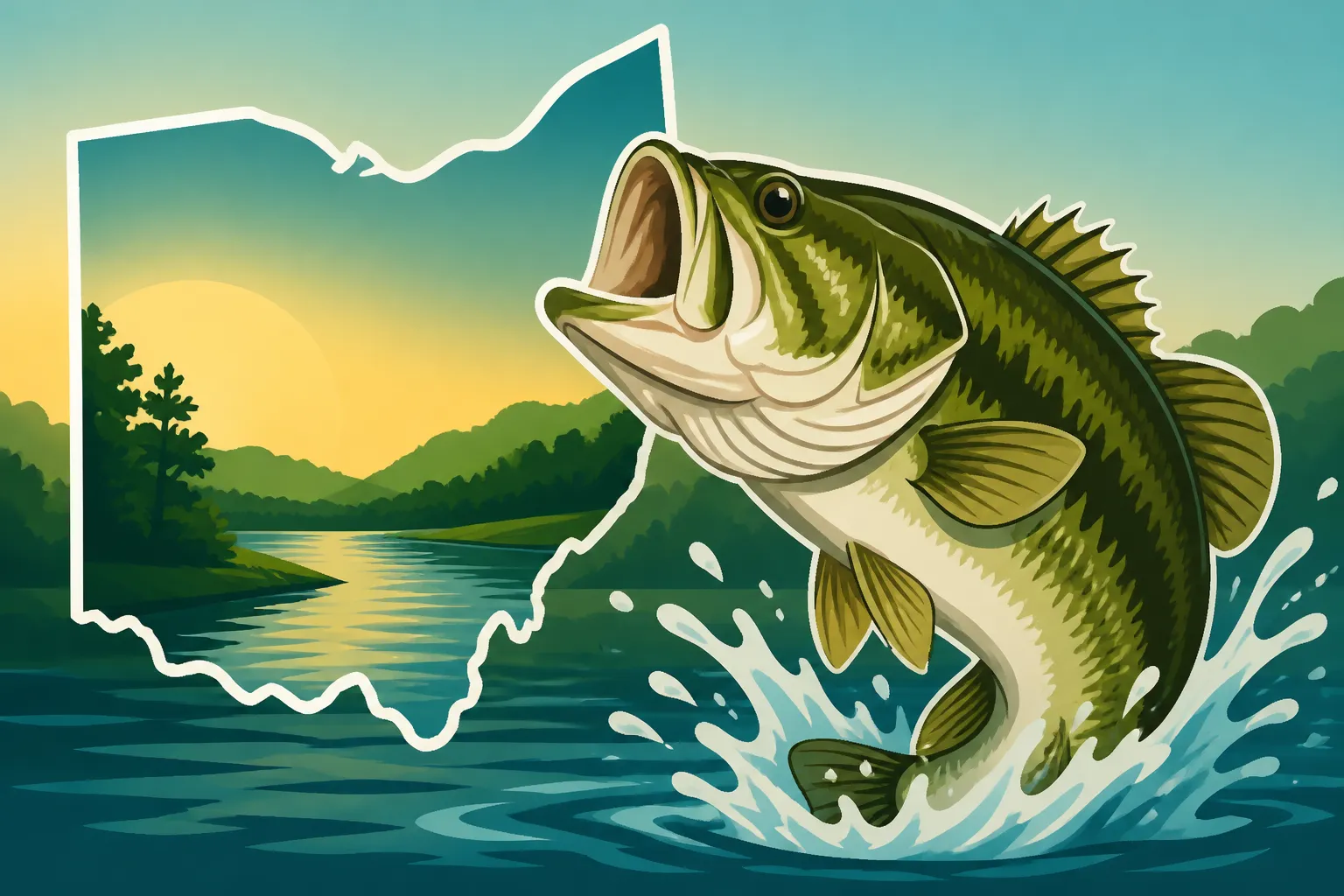
Ohio Largemouth Bass Fishing Guide
Many Ohio anglers dream of landing a lunker largemouth bass, but consistently finding and catching these elusive greenbacks can feel like cracking a secret code. The frustration is real when you spend hours on the water, throwing every lure in your box, only to come up empty-handed. This comprehensive guide is designed to cut through that confusion, offering you an in-depth look at everything you need to know to improve your largemouth bass fishing success across the Buckeye State, from understanding their habits to mastering the best techniques and gear.
Understanding Ohio Largemouth Bass: The Greenbacks of Buckeye State
The largemouth bass is arguably the most popular freshwater game fish in North America, and Ohio is no exception. These aggressive predators provide thrilling strikes and challenging fights, making them a favorite target for many anglers. To consistently catch them, however, you first need to understand them. It's not just about throwing a lure; it's about thinking like a bass.
Largemouth Bass Identification and Key Characteristics
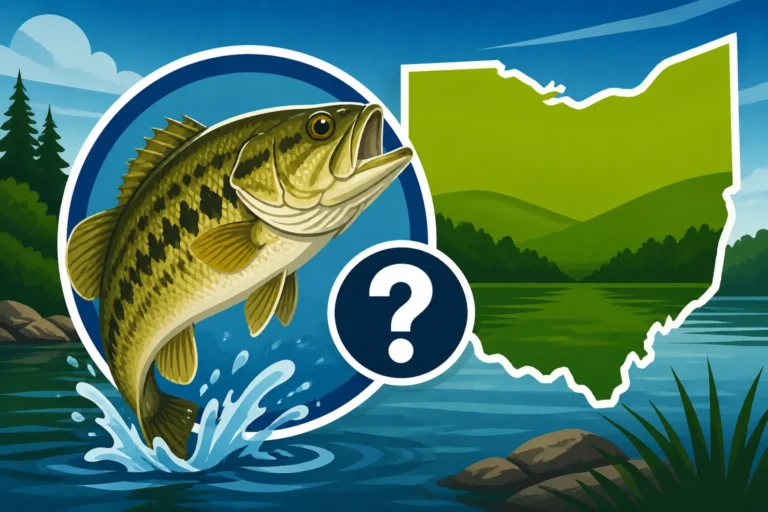
Largemouth bass are easily recognizable once you know what to look for. Their most defining feature is, as the name suggests, a large mouth. When closed, the hinge of their jaw extends beyond the back of their eye, a stark contrast to their smaller-mouthed cousins, the smallmouth bass. They typically have a dark, horizontal stripe or a series of blotches along their sides, often referred to as a lateral line, which helps them detect vibrations in the water. Their bodies are usually green to olive-green on top, fading to lighter shades on the sides and a white belly. In clear water, their markings can be quite distinct, while in murkier environments, they might appear more uniformly dark.
Distinguishing a largemouth from a smallmouth or even a spotted bass (which are less common in Ohio but can sometimes be found) is crucial, especially when regulations vary by species. Beyond the jawline, smallmouth bass typically have vertical bars or splotches, reddish eyes, and lack the prominent lateral line stripe. Spotted bass, while having a larger mouth than a smallmouth, don't quite reach the largemouth's jaw extension past the eye, and they often have a patch of teeth on their tongue. In Ohio, you’ll primarily be encountering largemouth and smallmouth, and knowing the difference ensures you comply with specific length and bag limits.
While the "average" size of an Ohio largemouth can vary wildly depending on the body of water, fish ranging from 12-18 inches are common, with true trophy fish pushing well over 20 inches and substantial weight. Their color can also vary based on their environment; bass from clear, rocky lakes might be lighter with more pronounced markings, while those from stained, weedy ponds might be very dark green. This adaptation to their surroundings is one of the many fascinating aspects of these fish. Understanding these visual cues quickly can help you identify your catch and adhere to Ohio Largemouth and Smallmouth Bass Minimum Length Limit requirements.
Habitat Preferences: Where Largemouth Hide
Largemouth bass are ambush predators, and their habitat choices reflect this. They absolutely love cover and structure that allows them to hide, wait for unsuspecting prey, and conserve energy. Think about places where they can blend in and dart out quickly. This includes dense weed beds, lily pads, submerged timber (like fallen trees and brush piles), rock piles, docks, and even bridges or culverts. Any object that breaks up the current or provides shade and a hiding spot is prime bass territory. They particularly favor shallow, warmer waters, especially during the spring and early summer, but will move deeper as water temperatures rise in the heat of summer.
When you're scanning an Ohio lake or pond, keep an eye out for these visual clues. A seemingly impenetrable mat of lily pads might hold several big bass underneath, waiting patiently. A shallow cove filled with standing timber or laydowns (fallen trees) is another classic largemouth hotspot. Even man-made structures like boat docks offer excellent cover, providing shade and numerous pilings for bass to hide around. Think of these areas as their living rooms and dining rooms – they're comfortable there and ready to eat.
Excellent examples of Ohio lakes that boast incredible largemouth habitat include Buckeye Lake with its extensive shallow weed flats, or the various coves and arms of Alum Creek Lake with their standing timber and brush. Even smaller, unpressured farm ponds across the state often have incredible largemouth populations because of the abundant natural cover and consistent food sources they offer. Targeting these specific features within a body of water is key to finding the fish.
Largemouth Bass Diet in Ohio Lakes
Largemouth bass are opportunistic and aggressive feeders. Their diet is incredibly varied, making them adaptable to almost any aquatic environment in Ohio. Primarily, they are piscivorous, meaning they eat other fish. Common menu items include shad, bluegill, sunfish, minnows, and even smaller bass. However, they are far from picky! They’ll also readily consume crawfish, frogs, salamanders, aquatic insects, and even terrestrial critters like mice or ducklings if the opportunity arises. This diverse diet is precisely why a wide array of lures and baits can be effective for catching them.
Understanding What Largemouth Bass Eat in Ohio Lakes directly influences your lure selection. If you know a lake has a healthy population of bluegill, throwing a bluegill-patterned crankbait or swimbait can be incredibly effective. If crawfish are abundant, a jig-and-trailer combo that mimics a crawfish scuttling along the bottom can be deadly. In early mornings or evenings, when frogs are active around lily pads, a weedless frog imitation is often met with explosive topwater strikes. The key is to "match the hatch," or more accurately, match the forage that the bass are likely preying on in that particular environment and season.
Bass will adjust their feeding habits based on factors like water temperature, time of day, and availability of prey. In cooler water, their metabolism slows, and they might prefer a slower, easier meal like a sluggish minnow or a subtle jig. In warmer water, especially during low-light conditions, they can be incredibly aggressive, chasing down fast-moving crankbaits or attacking topwater lures with gusto. Paying attention to these subtle cues will help you choose the right presentation to entice a strike, turning those frustrating blank days into memorable catches.
Prime Largemouth Bass Fishing Spots in Ohio
Ohio offers a fantastic array of fishing opportunities for largemouth bass, from sprawling reservoirs to intimate farm ponds. Knowing where to start can be half the battle, especially if you're new to an area or looking to explore new waters. The good news is, you don't always need a giant boat or expensive gear to find great bass fishing.
Best Ohio Lakes for Largemouth Bass
When it comes to consistent largemouth bass action, several Ohio lakes stand out. These bodies of water often combine excellent habitat with healthy forage bases, leading to robust bass populations. Best Ohio Lakes for Largemouth Bass would include places like Buckeye Lake, known for its shallow, fertile waters and extensive weed growth that largemouth love. It’s a great lake for targeting bass with topwater frogs and spinnerbaits, especially around the lily pads and submerged vegetation. Indian Lake is another fantastic choice, offering similar shallow-water habitat and plenty of docks and structure for bass to ambush prey.
Alum Creek Lake, while famous for its muskie and saugeye, also holds a very respectable population of largemouth bass. Anglers here often find success in its numerous coves and along creek channels, particularly around the abundant standing timber and brush piles. Caesar Creek Lake in southwestern Ohio is another popular spot, offering a mix of clear water and various types of cover that largemouth gravitate towards. These lakes provide diverse environments, from clear to stained water, and offer plenty of opportunities for both boat and shore anglers to target quality largemouth.
Each of these lakes has its own personality, and spending time exploring different sections is part of the fun. Don't be afraid to try different techniques based on the specific type of cover you encounter. A deep-diving crankbait might be perfect for targeting offshore humps, while a weightless soft plastic is ideal for working through dense reeds. Local knowledge and fishing reports can also be invaluable for pointing you in the right direction, helping you narrow down the vastness of these larger water bodies.
Fishing Ohio's Farm Ponds and Small Lakes for Largemouth
Often overlooked, Ohio's farm ponds and small lakes are truly hidden gems for largemouth bass fishing. These smaller bodies of water can offer incredible opportunities, often holding surprisingly large bass with less fishing pressure than their larger counterparts. Many of these ponds are privately owned, so always remember to obtain permission from the landowner before you cast a line. Respecting private property is paramount to keeping these fantastic spots accessible for future generations.
The beauty of fishing farm ponds is their simplicity. They're typically easy to access, and because of their size, you can effectively cover most of the water from the bank or with a small kayak. Look for features like submerged trees, weed lines, docks, or even small creek inlets – these are all magnets for bass in a pond setting. A simple soft plastic worm, a spinnerbait, or a topwater popper can be incredibly effective in these intimate environments, often resulting in explosive strikes just feet from the shore. Don't underestimate a small body of water; some of my biggest bass have come from seemingly insignificant ponds. You can find more insights into these locations in Ohio's Farm Ponds and Small Lakes.
Public access small lakes, often managed by local parks or state wildlife areas, are also fantastic options. These lakes might be a bit larger than a typical farm pond but still offer a more intimate fishing experience than a vast reservoir. They often have good bank access, picnic areas, and sometimes even small boat ramps for kayaks or electric motors. These spots are perfect for a quick evening trip after work or a relaxed weekend outing with the family, providing a great chance to hone your bass fishing skills without the need for extensive travel or specialized equipment.
Largemouth in Ohio's Reservoirs and Rivers
While largemouth bass are typically thought of as lake dwellers, they can also be found in Ohio's larger reservoirs and even in the slower-moving sections of its rivers. In reservoirs like Mosquito Creek Lake or Lake Erie's shallow western basin, largemouth will gravitate towards the warmer, shallower bays and protected coves that offer abundant vegetation and calmer waters. These areas often mirror the characteristics of classic bass lakes within the larger reservoir system. Targeting transition zones where deep water meets shallow flats, or areas with significant submerged structure, can be particularly productive.
When it comes to rivers, don't expect to find largemouth in fast-moving currents like you would smallmouth or steelhead. Instead, look for them in backwaters, oxbows, stagnant sloughs, and protected side channels where the current is minimal or non-existent. The Scioto River, for instance, has slower sections and tributary mouths that can hold good populations of largemouth. They’ll seek out log jams, fallen trees, and deep undercut banks that provide both cover and relief from the current. Fishing these riverine environments requires a keen eye for subtle current breaks and pockets of calm water where bass can comfortably hold and ambush prey.
Reservoirs and rivers present a different set of challenges and rewards. The vastness of a reservoir means you might need to cover a lot of water to find concentrated schools of bass. Using electronics to identify underwater humps, channels, and brush piles can be a huge advantage. In rivers, boat control is key to precisely pitching lures into tight pockets of cover. However, the reward can be big, as these less-pressured areas can produce some truly impressive largemouth. It's a different game than pond fishing, but one that offers its own unique thrills and learning opportunities for the dedicated bass angler.
Essential Largemouth Bass Fishing Techniques in Ohio
Successful largemouth bass fishing isn't just about having the right gear; it's about knowing how to present your bait effectively. Bass have different moods and preferences, and learning a variety of techniques will make you a more versatile and successful angler. From aggressive topwater explosions to subtle finesse presentations, mastering these methods will put more fish in your boat or on the bank.
Topwater Tactics for Explosive Strikes
There’s nothing quite like the heart-stopping excitement of a largemouth bass exploding on a topwater lure. These lures are designed to be fished on the surface, creating commotion that mimics struggling baitfish, frogs, or insects. Topwater fishing is often most effective during low-light conditions – early mornings, late evenings, or on overcast days – and in warmer water temperatures when bass are actively feeding near the surface. Prime locations include around lily pads, emergent weeds, fallen trees, or over submerged grass beds where bass can easily ambush their prey.
There are several popular types of topwater lures, each with a unique action. Poppers create a "plop" sound and splash, mimicking a struggling frog or baitfish. Walking baits (like Heddon Super Spooks) are designed to "walk the dog" – a side-to-side sashaying action that drives bass wild. Frogs (soft plastic, hollow-bodied lures) are incredibly effective when fished over thick vegetation where other lures would snag. You can find a fantastic selection of these lures, often with great reviews, by searching on Amazon. The key to fishing topwater is patience; after a cast, let the ripples dissipate before beginning your retrieve. Sometimes a slow, erratic retrieve is best, while other times a faster, more aggressive action will trigger a strike.
When a bass strikes a topwater lure, resist the urge to set the hook immediately! Wait until you feel the weight of the fish or see your line start to move before setting the hook firmly. Many anglers miss fish by reacting too quickly to the visual strike. A good rule of thumb is to count to one or two Mississippis before leaning into the hookset. Topwater fishing is not only incredibly exciting but also highly effective when bass are in the right mood, making it a technique every Ohio bass angler should have in their arsenal. For more specific guidance, check out Best Time of Day for Topwater Bass Fishing in Ohio.
Soft Plastic Strategies for Finesse and Cover
Soft plastic baits are perhaps the most versatile category of lures for largemouth bass, allowing for incredibly realistic presentations and the ability to fish in heavy cover. From finesse worms to bulky creature baits, soft plastics can imitate nearly any natural forage. They are particularly effective when bass are pressured, in clear water, or when they are lethargic and require a slower, more subtle presentation.
One of the most popular ways to rig soft plastics is the Texas rig, which makes your bait weedless and snag-proof, perfect for punching through heavy vegetation, flipping into brush piles, or working through submerged wood. A weighted Texas rig allows you to probe deeper cover, while a weightless version (often called a "fluke" or "Senko" style worm) has an enticing, natural fall that bass can't resist. Another highly effective technique is the Ned rig, a finesse presentation often used with small, buoyant soft plastics on a mushroom-shaped jig head. It stands upright on the bottom, mimicking a feeding baitfish or crawfish, and is excellent for clear water or when bites are tough. You can learn more about fishing this setup in How to Fish a Ned Rig for Ohio Smallmouth Bass, which also applies to largemouth.
Other effective soft plastic rigs include the Carolina rig (great for covering open water and presenting a bait subtly near the bottom) and the wacky rig (a weightless worm hooked in the middle, offering a unique fluttering action). Each rig has its specific application, and knowing when to deploy each one is a hallmark of an experienced bass angler. Don't be afraid to experiment with different shapes, sizes, and colors of soft plastics. Sometimes a subtle change can make all the difference, especially when you're targeting bass that are hiding deep within dense cover, as explored in How to Fish a Texas Rig in Heavy Cover.
Crankbaits and Spinnerbaits: Covering Water
When you need to cover a lot of water quickly to locate active bass, crankbaits and spinnerbaits are your best friends. These reaction baits are designed to elicit strikes from aggressive fish by appealing to their predatory instincts and irritation, rather than a subtle imitation of prey. They're excellent tools for searching large areas, especially when you're unsure where the bass are holding.
Crankbaits come in a dizzying array of shapes, sizes, and diving depths. Shallow-diving crankbaits are perfect for rocky shorelines or over shallow grass beds, while medium and deep-diving versions can reach bass holding on offshore humps, ledges, or along drop-offs. The key is to choose a crankbait that dives to the depth where the fish are holding and that "crashes" into cover, deflecting off it to trigger reaction strikes. Square bill crankbaits, in particular, are fantastic for bumping off wood and rocks in shallow water. The erratic movement after hitting an obstacle often seals the deal for a nearby bass.
Spinnerbaits are another incredible search bait, particularly effective in areas with scattered cover like sparse weeds, submerged brush, or standing timber. Their flashing blades and vibrating skirt create a lot of commotion, making them highly visible and detectable in a variety of water clarities. Different blade configurations (Colorado, Indiana, Willowleaf) produce different amounts of flash and vibration, allowing you to fine-tune your presentation. For instance, a Colorado blade offers more thump and can be great in stained water, while willowleaf blades provide less vibration but more flash and excel in clear water or when retrieved quickly. Experiment with retrieve speeds and pauses to find what triggers the most bites. You'll find a wide selection of both crankbaits and spinnerbaits on Amazon suitable for various conditions and fish activity levels. These tools are indispensable for Best Techniques for Ohio Largemouth Bass.
Gear Up for Ohio Largemouth Bass Success
Having the right tackle can make a significant difference in your largemouth bass fishing success. While you don't need the most expensive gear to catch fish, having reliable, appropriately matched equipment will improve your casting accuracy, hook-setting power, and overall enjoyment on the water.
Rod, Reel, and Line Selection for Bass
Choosing the right rod, reel, and line is foundational for effective bass fishing. For most largemouth applications in Ohio, a medium-heavy power casting rod (typically 6'6" to 7'6" in length) paired with a baitcasting reel is the preferred setup. This combination offers the backbone needed to set hooks firmly and pull bass out of heavy cover, along with the casting accuracy required for pitching lures into tight spots. A fast action rod tip allows for sensitive detection of bites and quick hooksets. If you’re just starting, a versatile medium-heavy, fast-action rod can handle a wide range of techniques.
Spinning gear also has its place, especially for lighter lures and finesse techniques. A medium power, fast action spinning rod (around 6'6" to 7'0") with a matching spinning reel is excellent for throwing weightless worms, small jigs, or shaky heads, particularly in clear water or when bass are finicky. Many anglers find spinning gear easier to cast, making it a great choice for beginners or for lighter presentations. When looking for a new setup, checking out the selection on Amazon can give you a good idea of the range of options available, often with detailed descriptions to help you match your needs.
Line choice is critical and depends on the technique. Monofilament line (10-17 lb test) is stretchy, making it forgiving for topwater lures where you want a bit of give. Fluorocarbon line (10-20 lb test) is virtually invisible underwater and has low stretch, providing excellent sensitivity and strong hooksets, making it ideal for most bottom-contact baits and crankbaits. Braided line (30-65 lb test) offers incredible strength, no stretch, and excellent casting distance, making it perfect for heavy cover techniques like punching, flipping, or fishing frogs, often tied to a fluorocarbon leader for stealth.
Must-Have Lures and Baits for Ohio Largemouth
A well-stocked tackle box for Ohio largemouth bass fishing should include a diverse selection of lures to cover various conditions and fish moods. You don't need every lure under the sun, but a few key categories will set you up for success.
Soft Plastics: These are arguably the most versatile. Stock up on Texas rig worms (like trick worms or stick baits in green pumpkin, black, and junebug), creature baits for flipping, and some smaller finesse worms for Ned rigs or shaky heads.
Crankbaits: Have a few shallow-diving square bills (in crawfish patterns or shad colors) and at least one or two medium-to-deep diving crankbaits (shad, perch, or chartreuse patterns) for deeper water.
Spinnerbaits: A couple of 3/8 oz or 1/2 oz spinnerbaits with different blade combinations (e.g., tandem willowleaf for flash, Colorado for thump) in white, chartreuse, or black/blue.
Jigs: Flipping jigs (black/blue, green pumpkin) are essential for heavy cover. Add a few football jigs for offshore structure.
Topwater Lures: A popper, a walking bait, and a hollow-bodied frog are standard.
Live Bait: While many bass anglers prefer artificials, never underestimate the effectiveness of live bait. Large shiners, golden shiners, or even robust nightcrawlers can be incredibly effective, especially when fishing for sluggish or finicky bass. This is particularly true in natural lakes and ponds where bass are accustomed to live prey.
The key to lure selection is to observe the conditions. Is the water clear or murky? Sunny or cloudy? What type of forage is present? Having a range of options allows you to adapt. For instance, in clear water, natural colors (green pumpkin, watermelon) and smaller profiles often work best. In stained or muddy water, brighter colors (chartreuse, white) and lures that create more vibration and flash will help bass find your offering. Keep an eye on what other successful anglers are using in your area, and don't be afraid to experiment!
Essential Accessories for the Bass Angler
Beyond rods, reels, and lures, a few essential accessories will enhance your largemouth bass fishing experience and help you be more prepared on the water. These items are often overlooked but can make a big difference in comfort, safety, and efficiency.
First and foremost, a good tackle box or bag is crucial for organizing your lures and tools. Having everything neatly arranged means less time fumbling and more time fishing. A sturdy pair of fishing pliers is indispensable for removing hooks, cutting line, and crimping weights. A fish gripper or lip gripper can help you handle larger bass safely, protecting both you from hooks and the fish from injury. For those who enjoy tracking their catches, a measuring tape and a digital scale are invaluable for recording length and weight. If you plan to participate in tournaments, a functional livewell is necessary to keep your bass healthy.
Don't forget personal comfort and safety items. Polarized sunglasses are a game-changer for spotting fish and underwater structure, while also protecting your eyes from UV rays and errant hooks. Sunscreen and a wide-brimmed hat are a must for long days on the water. If you're fishing from a boat or kayak, a properly fitting life jacket is non-negotiable. Many of these practical accessories, from tackle organization solutions to safety gear, are readily available and can be quickly purchased from retailers like Amazon. Having these items on hand ensures that your focus remains on the fishing, rather than on missing tools or discomfort.
Seasonal Approaches to Ohio Largemouth Bass Fishing
Largemouth bass behavior changes significantly with the seasons, primarily driven by water temperature and their reproductive cycle. Understanding these seasonal shifts is key to consistently finding and catching them throughout the year in Ohio. What works in spring won't necessarily work in summer or fall.
Spring: Pre-Spawn and Spawning Frenzy
Spring is arguably one of the most exciting times to target largemouth bass in Ohio, largely due to the pre-spawn and spawning periods. As ice melts and water temperatures begin to rise, bass move out of their deeper wintering holes and into shallower areas. The pre-spawn phase (typically when water temperatures are in the 45-55°F range) is a time of aggressive feeding. Bass are looking to bulk up before the energy-intensive spawning process. They'll stage on points, creek channel bends, and transitional areas adjacent to spawning flats. This is a prime time for throwing lipless crankbaits, jerkbaits, and spinnerbaits to cover water and find these hungry fish.
As water temperatures climb into the 55-70°F range, the bass move onto their beds for spawning. This is when males create circular nests (beds) in shallow, protected areas, often near submerged logs, rocks, or weed patches. The females will move in to lay eggs, and both sexes become highly protective of their beds. During this time, bass can be caught by sight fishing for them on their beds, using lures like soft plastic worms, jigs, or creature baits pitched directly into the nest. It's important to practice ethical catch and release during this sensitive period to ensure the successful reproduction of the species. For specific insights, understanding Water Temperature That Triggers Bass Spawning in Ohio is paramount.
The post-spawn period sees bass recuperating, often remaining in or near the spawning flats but being less aggressive. They might be found around nearby cover, slowly recuperating their energy. This can be a more challenging time, often requiring finesse techniques with weightless worms or small jigs fished slowly. However, as they regain strength, they'll resume feeding aggressively to replenish their energy stores, signaling a transition into early summer patterns.
Summer: Deep Water and Early Morning Bites
Ohio summers bring warm water, which significantly impacts largemouth bass behavior. As shallow water temperatures climb into the 70s and 80s, bass will often seek refuge in cooler, deeper waters during the day. This means targeting offshore structure like humps, ledges, deep points, and brush piles becomes more important. Carolina rigs, deep-diving crankbaits, and heavy jigs are excellent tools for probing these deeper zones. Look for areas where submerged weeds still thrive at depth, or where thermal stratification creates a comfortable zone for bass.
Despite their deeper movements during the day, summer mornings and evenings can still offer incredible shallow-water action. During these low-light periods, bass will push into the shallows to feed, making it prime time for topwater lures. Throwing frogs over lily pads, walking baits along weed edges, or popping lures near docks can lead to explosive strikes. The bite often fades as the sun gets high and temperatures soar, so planning your fishing around these cooler windows is crucial. Check out Best Time of Day for Topwater Bass Fishing in Ohio for more detailed strategies during these prime times.
Night fishing for largemouth bass also becomes a popular and effective tactic during the summer. Bass are often more active after dark, especially in heavily pressured waters. Dark-colored spinnerbaits, bladed jigs, or large soft plastic worms can be deadly when retrieved slowly near shorelines, docks, or submerged structures. The key is to slow down your presentation and focus on areas where bass might move to feed under the cover of darkness. Don't be afraid to fish docks during the day either, as How to Fish Docks for Largemouth Bass can provide excellent cover and shade.
Fall: Feeding Blitz Before Winter
Fall is another fantastic season for largemouth bass fishing in Ohio, as bass engage in a "feeding blitz" to fatten up before the long winter. As water temperatures begin to cool (typically 60s dropping into the 50s), baitfish schools migrate, and bass follow suit, becoming incredibly aggressive. This is a time of transition, where bass can be found in a variety of depths, often relating to baitfish movements.
Early fall often sees bass still in summer patterns, but as temperatures drop, they'll begin moving towards creek channels, points, and humps where they can intercept schooling baitfish. Covering water with lipless crankbaits, jerkbaits, and spinnerbaits is highly effective during this period. As the fall progresses and water cools further, bass might move deeper, congregating on secondary points, channel swings, and large rock piles. Jigs and slow-rolled spinnerbaits become more productive as bass become less willing to chase fast-moving lures.
The beauty of fall fishing is the opportunity for both quantity and quality. Bass are actively searching for food, making them more willing to strike. Keep an eye on the presence of baitfish – if you see schools of shad or other forage, you can bet the bass are not far behind. Focus on areas where bass can ambush prey, such as ambush points along migration routes. The cooler air and water temperatures also make for a more comfortable day on the water, allowing you to enjoy the beautiful Ohio autumn scenery while pursuing big bass.
Reading the Water and Environmental Factors
Becoming a successful largemouth bass angler in Ohio means learning to read the water and understand how various environmental factors influence fish behavior. It's not just about casting; it's about making informed decisions based on what nature is telling you.
Water Temperature and Clarity
Water temperature is perhaps the single most important factor influencing largemouth bass behavior. As discussed, it dictates their metabolic rate, their spawning patterns, and their preferred depth. Bass are cold-blooded, so their activity levels are directly tied to the water temperature. Optimal feeding temperatures for largemouth typically range from the mid-60s to low 70s Fahrenheit, but they will feed outside this range. Knowing the approximate water temperature can help you predict where bass might be holding and what kind of presentation they might prefer. A simple thermometer can be a powerful tool in your tackle box.
Water clarity also plays a crucial role. In clear water, bass rely heavily on their eyesight, making stealth and natural presentations key. Use natural bait colors (green pumpkin, watermelon, browns) and smaller, more subtle lures. Fluorocarbon line is often preferred for its low visibility. In these conditions, bass might be more easily spooked, so long casts and a quiet approach are important. Conversely, in stained or muddy water, bass rely more on their lateral line (which detects vibrations) and scent. Here, louder, larger lures that create a lot of vibration (like spinnerbaits with large Colorado blades, bladed jigs, or rattle traps) are more effective. Bright, contrasting colors like chartreuse, white, or black/blue can also stand out better. These insights are critical when considering your approach to Best Techniques for Ohio Largemouth Bass.
Changes in water clarity, often due to rain or heavy winds, can also impact fishing. After a heavy rain, water might become muddy, pushing bass closer to banks or into clearer tributaries. As the water clears, bass will often disperse. Understanding these dynamics allows you to adjust your lure choice, retrieve speed, and fishing location to match the prevailing conditions.
Weather Patterns and Barometric Pressure
Weather is much more than just sunshine or rain; it significantly impacts fish behavior. Barometric pressure, for instance, is a subtle but powerful influencer. When pressure is stable or falling (indicating an approaching front or storm), fish tend to be more active and aggressive. They often sense these changes and go on a feeding binge before the weather turns foul. This can be a prime time for power fishing with crankbaits or spinnerbaits. Conversely, after a strong cold front passes and barometric pressure is high and stable, bass often become lethargic and less willing to bite. They might move to deeper, denser cover, requiring slower, more finesse presentations. A simple barometer or a weather app that shows pressure trends can give you a valuable edge. More on this topic can be found in Does Barometric Pressure Affect Ohio Fishing?.
Other weather factors include wind, clouds, and rain. Wind can be a blessing or a curse. A moderate breeze creates a "chop" on the water, breaking up the surface and making bass less wary. It also pushes baitfish, concentrating them, and can help position bass on wind-blown banks where food is accumulating. However, heavy winds can make boat control difficult and muddy the water. Overcast skies often prolong topwater and shallow-water bites throughout the day, as bass feel more secure without direct sunlight. Rain, especially a gentle, warm rain, can often trigger a fantastic bite as it washes insects and nutrients into the water, and the low light conditions encourage bass to feed. However, heavy downpours can muddy the water and turn fish off.
Understanding Structure and Cover
While often used interchangeably, "structure" and "cover" are distinct concepts in bass fishing, and understanding the difference is crucial. Structure refers to changes in the lake bottom or contour. This includes things like creek channels, humps, points, ledges, drop-offs, roadbeds, and submerged islands. These are permanent features that will always be there. Bass use structure as highways and staging areas, moving along them to find food or deeper water. Learning to identify these features, often with the aid of a good fish finder, is fundamental to locating fish.
Cover, on the other hand, refers to any object in the water that provides a hiding spot or ambush point for bass. This includes obvious elements like fallen trees (laydowns), brush piles, lily pads, docks, rocks, boat wrecks, and weed beds. Bass relate to cover for security, shade, and to ambush prey. The best fishing spots often involve a combination of both – for example, a brush pile on a submerged point, or a dock extending over a creek channel. Bass will typically position themselves in the most advantageous ambush point within or around that cover.
Being able to visually identify obvious cover from the surface is important, but a good fish finder is invaluable for revealing submerged structure and cover that you can't see. For example, a submerged Christmas tree brush pile or a rocky hump offshore might hold a significant number of bass, but you’d never know it without electronics. Combining knowledge of depth changes (structure) with hiding spots (cover) allows you to predict where bass are most likely to be holding at any given time, significantly increasing your chances of success.
Conservation and Ethical Largemouth Bass Angling
As passionate anglers, we have a responsibility to protect Ohio's incredible largemouth bass fisheries for future generations. Practicing conservation and ethical angling isn't just a suggestion; it's a vital part of the sport.
Catch and Release Best Practices
While keeping a few bass for a meal can be rewarding, many anglers, particularly those targeting trophy largemouth or participating in tournaments, practice catch and release. Proper handling is crucial to ensure the fish's survival after release. Always try to minimize the time the fish is out of the water. Handle the fish with wet hands to protect its slime coat, which acts as a barrier against disease. Avoid holding a large bass by just its jaw in a vertical position, as this can damage its jaw and internal organs. Instead, support its belly with your other hand, especially for heavier fish.
When removing the hook, use pliers or a de-hooking tool. If the fish is deeply hooked, especially in the gills or throat, it's often better to cut the line as close to the hook as possible rather than tearing tissue. For bass in livewells, ensure the water is aerated and kept at a stable, comfortable temperature, especially in warmer months. Once ready for release, gently place the fish back into the water, allowing it to swim away on its own power. If it appears sluggish, gently hold it upright by the tail and move it back and forth to force water over its gills until it regains strength. These practices ensure that the fish you catch today can be caught again tomorrow and contribute to the fishery.
Ohio Largemouth and Smallmouth Bass Minimum Length Limit
Adhering to fishing regulations is a fundamental aspect of ethical angling. Ohio has specific regulations for both largemouth and smallmouth bass, which can include minimum length limits and daily bag limits. These regulations are in place to manage fish populations, allowing them to reach maturity and reproduce, ensuring healthy fisheries. It's imperative that every angler understands and follows these rules.
For example, Ohio might have a statewide minimum length limit for largemouth bass, meaning any bass caught under that size must be immediately released. There might also be a daily bag limit, restricting the number of bass an angler can keep in a single day. Some specific lakes or reservoirs might even have unique regulations (slot limits or different length/bag limits) that supersede the statewide rules, often implemented to enhance trophy potential or address specific population dynamics. Always consult the current Ohio fishing regulations booklet or website before heading out. Ignorance of the law is not an excuse, and violations can result in significant fines. Familiarize yourself with Ohio Largemouth and Smallmouth Bass Minimum Length Limit and Ohio Bass Daily Limit on Inland Lakes to ensure you're compliant.
Supporting Ohio's Bass Fisheries
Beyond individual catch and release practices, supporting Ohio's bass fisheries involves a broader commitment to conservation. This includes being mindful of your impact on aquatic ecosystems. Avoid littering, dispose of old fishing line responsibly, and be careful not to introduce invasive species by cleaning your boat and gear between different bodies of water. Even something as simple as using non-toxic sinkers and jig heads can help reduce lead pollution in our waterways.
Consider getting involved with local conservation groups or organizations like the Ohio B.A.S.S. Nation, which actively work to improve habitat, advocate for sound fisheries management, and promote youth involvement in fishing. Your participation in fishing license purchases also directly contributes to fisheries management, stocking programs, and habitat restoration efforts by the Ohio Department of Natural Resources (ODNR). By being a responsible and informed angler, you play a crucial role in ensuring that the thrill of largemouth bass fishing remains a vibrant part of Ohio's outdoor heritage for generations to come.
Disclaimer
This article is for general informational purposes only and does not constitute professional advice. Laws, prices and regulations vary by location and change over time. Consult a qualified professional for guidance on your specific situation.