Fishing the Ohio River for Catfish
The Ohio River is a majestic waterway, but trying to tackle its massive catfish populations can feel like searching for a needle in a haystack – or, more accurately, a monster flathead in a murky abyss. Many anglers get overwhelmed by its sheer size, wondering where to even start, what bait really works, or if they even have the right gear to pull in those legendary whiskerfish. This comprehensive guide will cut through the confusion, offering practical, real-world advice to help you successfully fish the Ohio River for catfish, turning those frustrations into triumphant catches.
Why the Ohio River is a Catfish Paradise
For any angler worth their salt, the Ohio River isn't just a body of water; it's a living, breathing ecosystem teeming with opportunity, especially for catfish enthusiasts. It’s a dynamic, ever-changing environment, constantly sculpted by currents, floods, and human activity, all of which contribute to making it an ideal home for Channel, Flathead, and Blue Catfish. These conditions create a rich habitat that supports not just a lot of fish, but truly enormous ones that will test your tackle and your resolve.
A Unique and Dynamic Ecosystem
The Ohio River stretches over 981 miles, forming borders for several states, including a significant portion of Ohio itself. This expansive river offers a diverse range of habitats, from deep navigation channels to sprawling flats, rocky outcroppings, submerged timber, and countless feeder creeks. The presence of numerous dams and locks along its length also creates distinct pools and tailwater sections, each with unique characteristics that attract and hold different species of catfish. These man-made structures aren't just for navigation; they act as current breaks and food concentrators, turning certain areas into catfish magnets. The constant flow brings a steady supply of nutrients and oxygen, ensuring a healthy environment for both the catfish and their forage, making it a truly fertile ground for these whiskered predators.
Abundant Forage for Growth
What makes the Ohio River truly exceptional for growing large catfish is its incredible abundance of forage. Catfish are opportunistic eaters, and the river provides a smorgasbord of options. Think about it: everything from shad and skipjack herring to a variety of smaller panfish, mussels, crayfish, and even detritus washed in from tributaries. This diverse diet allows catfish to grow to impressive sizes, much faster than they might in less food-rich environments. The sheer volume of baitfish, especially in areas where these forage species congregate (like below dams or in warmer backwaters), means that catfish don't have to work too hard to find their next meal. This energy conservation contributes directly to their growth and overall health, turning the Ohio River into a true trophy fishery for all three major catfish species.
Ideal Water Conditions for Healthy Catfish Populations
Beyond the structure and food, the Ohio River generally maintains water conditions that are highly favorable for catfish. While conditions can vary, especially after heavy rains or during extreme droughts, the river typically provides a large volume of water with stable oxygen levels, even in deeper sections. The murky nature of much of the river, often attributed to sediment, actually works in favor of catfish, providing cover and allowing them to ambush prey effectively. Catfish are also remarkably resilient to varying water temperatures, thriving from the warmer summer months into the colder periods, making them a viable target almost year-round. This combination of size, forage, and stable conditions creates a consistent environment where catfish can not only survive but truly flourish, making it a prime destination for anyone looking to tangle with some serious fish.
Identifying Your Ohio River Catfish Targets
Before you even cast a line, knowing which catfish you're after can dramatically improve your success. The Ohio River is home to three main species: Channel Catfish, Flathead Catfish, and Blue Catfish. Each has its own distinct characteristics, preferred habitats, and feeding behaviors, and understanding these differences is key to tailoring your approach and landing the specific type of whiskerfish you desire.
Channel Catfish
Channel cats are probably the most recognizable and widely distributed catfish species in the Ohio River. They're characterized by their scattered black spots (though these can fade with age), a deeply forked tail, and a generally slender body. If you're looking for consistent action and a good fight, channel cats are your go-to. They are omnivores, meaning they'll eat almost anything from dead bait and cut bait to stink baits, worms, and even some artificial lures. They tend to prefer areas with moderate current and structure, such as eddies, current seams, and brush piles, but you can find them just about anywhere. They don't typically grow as large as their blue or flathead cousins, with fish over 10-15 pounds being considered substantial in the river, but they offer fantastic table fare and a spirited battle. Understanding their preference for a varied diet means you can experiment with a lot of different baits to entice them. You might be surprised at what they'll strike on a given day, making them a fun and versatile target. For more details on their regulations, check out the information on whether there is a minimum size for channel catfish in Ohio.
Flathead Catfish
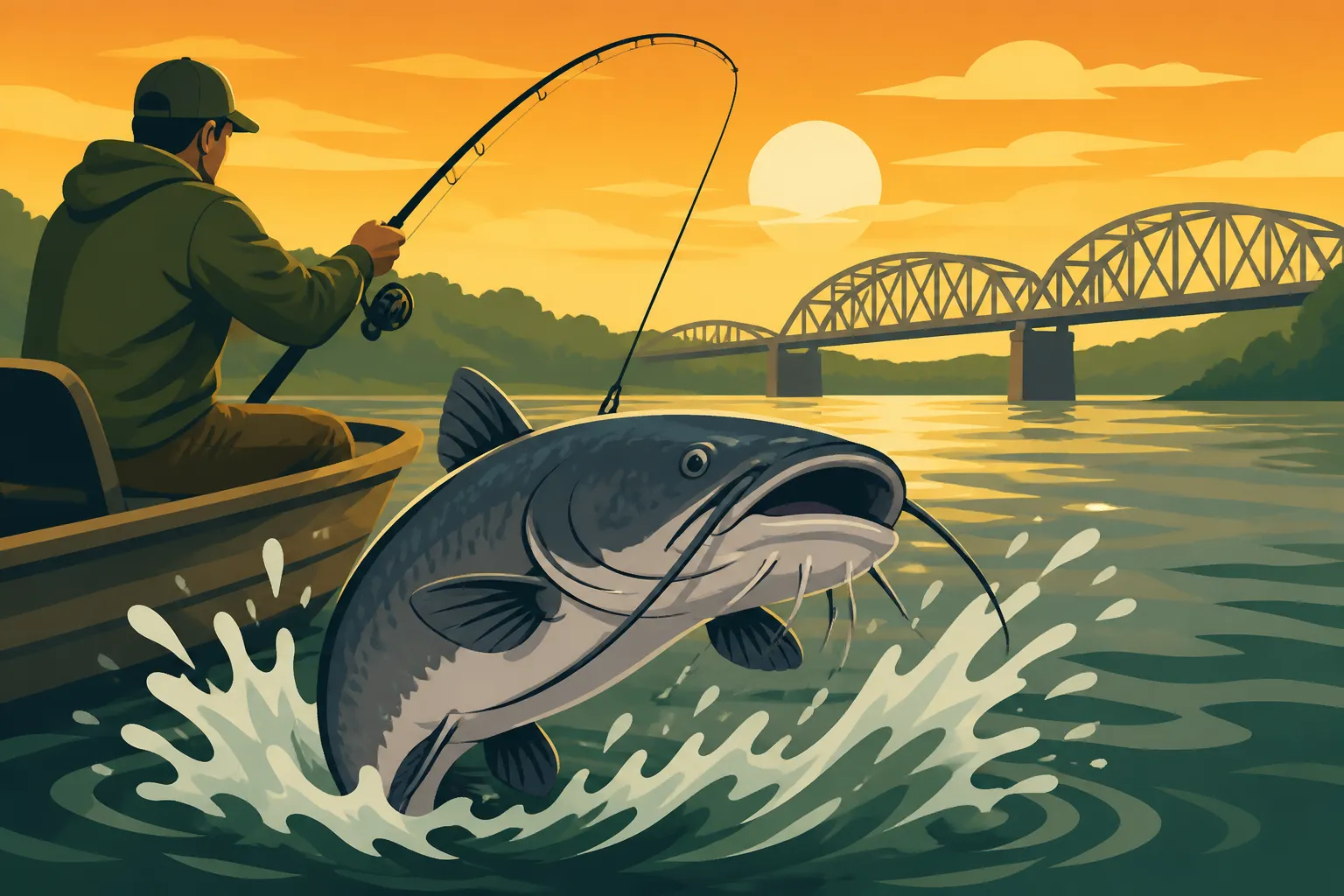
Now, if you're chasing truly massive, hard-hitting fish that will test your gear to its absolute limits, the flathead catfish is your ultimate challenge on the Ohio River. These brutes are easily identified by their flattened heads (hence the name), lower jaw that protrudes beyond the upper jaw, and a square or slightly rounded tail. Unlike channel and blue cats, flatheads are almost exclusively piscivores, meaning they prefer live bait. Think large shad, bluegill, sunfish, or even carp. They are ambush predators and love heavy cover: log jams, submerged trees, rock piles, and deep holes. They're often found in slow-moving water adjacent to fast currents, patiently waiting for an unsuspecting meal to swim by. Landing a large Ohio River flathead – often pushing 30, 40, or even 50+ pounds – is a truly memorable experience that requires heavy-duty tackle and a lot of patience. They're not for the faint of heart, but the reward is immense. Be sure to use robust live bait rigs to stand a chance against these river monsters. For the best bait for flathead catfish in the Ohio River, live bait is almost always the answer.
Blue Catfish
Blue catfish are the giants of the Ohio River system, often growing to truly gargantuan sizes, with fish exceeding 80 or even 100 pounds not unheard of. They have a distinct hump on their back, a deeply forked tail, and are typically silvery-blue to slate gray in color. Blues are primarily carnivores, feasting on cut bait, shad, skipjack, herring, and even smaller live fish. They are schooling fish and prefer deeper channels, main river current, and areas around dams and major river bends where baitfish congregate. If you find one blue cat, there are likely more in the vicinity. Targeting blues requires heavy tackle, fresh cut bait, and often fishing in areas with significant current. They fight incredibly hard and are a favorite target for trophy hunters. The possibility of hooking into a new state record blue catfish weight is a real draw for many anglers on the Ohio River. They are often found in similar areas as flatheads but are less tied to heavy cover, preferring open, deep water where they can chase down schools of bait.
Here’s a quick comparison of our three main Ohio River catfish species:
| Feature | Channel Catfish | Flathead Catfish | Blue Catfish |
|---|---|---|---|
| Appearance | Forked tail, scattered spots (may fade), slender | Flat head, protruding lower jaw, square/slightly rounded tail | Deeply forked tail, humped back, silvery-blue/gray |
| Primary Diet | Omnivore (cut bait, stink bait, worms, live bait) | Piscivore (live fish ONLY – shad, bluegill, etc.) | Carnivore (cut bait, shad, skipjack, live fish) |
| Preferred Habitat | Moderate current, eddies, brush piles, diverse structure | Heavy cover, log jams, deep holes, slow-moving water adjacent to current | Deeper channels, main river current, dams, river bends |
| Average Size | 2-15 lbs (often smaller, but can grow larger) | 10-50+ lbs (trophy potential is high) | 10-100+ lbs (true giants are present) |
| Fight | Good, steady fight | Powerful, stubborn, deep dives | Extremely strong, long runs |
| Best Bait | Cut bait, chicken livers, stink bait, worms | Live shad, bluegill, suckers | Fresh cut shad, skipjack, herring |
Essential Gear for Ohio River Catfishing
Fishing the Ohio River for catfish isn't a task for flimsy tackle. The sheer size and power of the fish, combined with the often challenging river conditions, demand robust, reliable gear. Trying to save a few bucks on inadequate equipment will only lead to frustration, broken lines, and lost fish. Investing in the right tools from the start will significantly increase your chances of success and enjoyment.
Rods, Reels, and Line: The Backbone of Your Setup
For Ohio River catfishing, you need a setup that can handle serious strain. Forget your ultralight panfish rods. You're looking for heavy to medium-heavy action rods, typically 7 to 9 feet in length. These longer rods provide better casting distance, leverage for fighting big fish, and help absorb the shock of powerful runs. A good catfish rod will have a strong backbone but a relatively flexible tip to detect subtle bites. Look for brands known for durability, as these rods will take a beating.
Pair your rod with a robust reel. Depending on your preference, this could be a heavy-duty spinning reel for versatility and ease of casting, or a baitcasting reel (conventional reel) for maximum power, line capacity, and torque. Baitcasting reels are often favored by serious trophy hunters for their ability to handle heavier line and provide more cranking power when pulling a monster out of snags. Ensure your reel has a smooth, strong drag system – this is crucial for fighting large catfish and preventing line breaks.
As for line, braid is king for Ohio River catfishing. Its incredible strength-to-diameter ratio, minimal stretch, and abrasion resistance make it ideal. For channel cats, 30-50 lb test braided line is usually sufficient. For flatheads and blue cats, bump that up to 60-100 lb test, especially when fishing around heavy cover. The lack of stretch in braid also provides superior sensitivity, allowing you to feel even the slightest tap. You'll want a heavy monofilament or fluorocarbon leader, typically 50-80 lb test, especially when targeting trophy fish or fishing in areas with abrasive structure like rocks and mussels. This provides an extra layer of protection against break-offs.
Terminal Tackle: Hooks, Weights, and Swivels
The terminal tackle you choose is just as important as your rod and reel. Catfish have tough mouths, so sharp, strong hooks are non-negotiable. Circle hooks are highly recommended, especially when using live or cut bait. They are designed to hook fish in the corner of the mouth, leading to fewer gut hooks, which is better for fish health and release, and often results in a more secure hookset. Sizes can range from 5/0 to 10/0 or even larger, depending on the size of your bait and target species. For channel cats, a 5/0 to 7/0 often works well. For big flatheads and blues, don't shy away from 8/0 to 10/0 super-strong hooks.
Weights are essential for getting your bait down to the strike zone and holding it in the current. Sinker styles like no-roll, pyramid, or coin sinkers are popular for their ability to resist rolling in heavy current. The weight needed can vary dramatically depending on the current speed and depth, but don't be surprised if you need anywhere from 2 to 8 ounces, sometimes even more, to keep your bait stationary. You’ll also need strong swivels, preferably barrel or ball-bearing swivels, to prevent line twist, especially when drift fishing or if your bait spins in the current. These components might seem small, but they are critical links in your fishing system and prone to failure if not chosen wisely.
Bait Selection: Matching the Menu
Choosing the right bait can make or break your catfishing trip. While channel cats are somewhat indiscriminate, flatheads and blues have more specific preferences. For the best bait for Ohio catfish, fresh is always best.
- Channel Catfish: These guys are opportunistic. Classic choices like chicken livers, nightcrawlers, shrimp, and commercial stink baits work wonders. Cut bait from oily fish like shad or skipjack is also highly effective. Even hot dogs or bits of cheese can entice a bite!
- Flathead Catfish: This is where you need live bait. Flatheads prefer live, struggling prey. Small to medium-sized live shad, bluegill, sunfish, or creek chubs are excellent choices. Hook them through the back or lips to keep them lively. The fresher and livelier your bait, the better your chances.
- Blue Catfish: Blue cats love fresh cut bait, especially oily species like shad, skipjack, or herring. Cut these fish into chunks or strips that release plenty of scent. While they will sometimes take live bait, fresh cut bait is often the most consistent producer for blues, attracting them with its potent scent trail through the current.
Remember to bring plenty of bait! Catfish can be aggressive feeders, and you don't want to run out when the bite turns on. Also, consider the local forage – if the river is full of shad, then shad is likely what the catfish are eating, making it your best bait choice.
Top Techniques for Ohio River Catfish
Fishing the Ohio River isn't just about dropping a line and hoping for the best; it's about understanding the river's complexities and employing tactics that put your bait where the fish are. Whether you prefer fishing from shore or a boat, there are specific strategies that will boost your success rate significantly. Mastering these techniques means not just catching fish, but consistently catching quality fish.
Bank Fishing Strategies
Don't let the idea of a massive river intimidate you if you're a bank angler; the Ohio River offers fantastic shore-fishing opportunities, especially if you know where to look. The key is finding accessible spots that offer quick access to deeper water, current breaks, or structure. Public parks, boat ramps, and riverfront trails often provide good access. Look for areas with current seams, eddies behind bridge pilings or wing dams, and bends in the river. These are natural congregation points for both baitfish and the catfish that prey on them.
When bank fishing, a simple bottom rig is usually your best bet. A standard slip-sinker rig, also known as a Carolina rig, allows the line to run freely through the sinker, so a biting fish doesn't feel the weight. This is especially effective when channel cats are being finicky. For flatheads and blues, a heavier fixed sinker rig might be more appropriate to keep your large live or cut bait stationary in strong currents. Cast your bait upstream and let it settle naturally into the desired zone. Patience is paramount. Bring multiple rods if legal, spreading your baits across different depths and current speeds to locate active fish. Remember, bank fishing the Ohio River, especially after dark, can be incredibly productive for channel catfish and even good-sized blues. You can often find the best bank fishing spots on the Ohio River by doing a little scouting.
Boat Fishing Tactics
If you have access to a boat, the Ohio River truly opens up, offering unparalleled access to prime catfishing grounds. Boat fishing allows you to cover more water, target deeper structures, and follow the fish as they move. Two primary boat fishing methods dominate: anchoring and drifting.
Anchoring: This is a preferred method when you've located a specific hotspot, such as a deep hole, a prominent log jam, or a hump in the riverbed. Anchoring allows you to present your bait precisely and let the scent trail disseminate in the current, attracting fish to your position. For effective anchoring on the Ohio River, you often need two anchors – one off the bow and one off the stern – to hold your boat steady in strong currents. This technique is particularly effective for targeting flatheads in heavy cover or blue cats in specific deep channels. Make sure your anchor rope is long enough (at least 3-5 times the depth you're fishing) to get a good set, and always be aware of changing current conditions. Knowing how to anchor for catfish on the Ohio River safely and effectively is crucial for success.
Drifting: Drifting involves letting your boat move with the current, allowing your bait to cover a wider area. This is an excellent search pattern, especially when you're unsure where the fish are holding or if they are scattered. You can use drift socks or a controlled motor to slow your drift, ensuring your bait stays near the bottom. Drifting with a three-way swivel rig or a Santee Cooper rig can keep your bait suspended just off the bottom, preventing snags while still presenting it in the strike zone. This method is often highly productive for blue catfish and can also pick up channel cats. Pay close attention to your sonar to identify changes in depth, structure, and baitfish schools as you drift.
Reading the Current and Structure
Understanding how current and structure interact is the single most important aspect of successful Ohio River catfishing. Catfish, like most predatory fish, are lazy; they want to hold in areas where they can ambush prey without expending too much energy fighting the current.
- Current Seams: These are areas where fast-moving water meets slower water. Fish often sit just outside the main current, darting into the faster flow to grab passing bait. Look for these seams around points, bridge pilings, tributary mouths, and along rip-rap shorelines.
- Eddies: Eddies are circular currents that form behind obstructions, creating a relatively calm zone. These are prime resting and feeding areas for all three catfish species, especially channel cats.
- Deep Holes and Channels: Catfish, particularly blues and larger flatheads, will often hold in the deepest parts of the river, especially during colder months or bright daylight. Navigation charts and sonar are invaluable for locating these areas.
- Submerged Structure: Log jams, rock piles, old bridge abutments, and anything else that breaks up the uniform river bottom will attract baitfish and, consequently, catfish. These areas provide ambush points and protection. For flatheads, the heavier and nastier the cover, the better.
Continuously observe the river. Watch for baitfish activity, diving birds, and changes in water color or current speed. These subtle clues can reveal hidden hotspots. Using quality electronics like a fish finder can dramatically improve your ability to read the river bottom and locate fish, helping you pinpoint those elusive concentrations of catfish. Knowing when to switch from anchoring to drifting, or vice versa, based on how the fish are responding to current and structure, is a skill that comes with experience on this mighty river.
Prime Ohio River Catfish Spots
The Ohio River is vast, so pinpointing the "best" spots can feel daunting. However, by understanding the general characteristics that attract catfish and looking at a few well-known stretches, you can dramatically narrow your search. Different sections of the river, from its upper reaches down to where it meets the Mississippi, offer unique opportunities, though we'll focus on the stretches that border Ohio.
Key Access Points and Structure
Across the Ohio River's length, certain types of locations consistently hold catfish. These aren't secrets, but rather universal principles that guide successful anglers. Look for these features when scouting new areas or planning a trip:
- Dam Tailwaters: Below any of the numerous dams and locks on the Ohio River, you'll find aerated, turbulent water that concentrates baitfish. This creates a feeding frenzy, especially for blue catfish and large channel cats. These areas can be highly productive but also dangerous due to strong currents, so exercise extreme caution. Excellent tailwater fishing can be found below the Meldahl Dam near New Richmond, the Markland Dam near Warsaw, and the Cannelton Dam downriver. These locations provide abundant forage and oxygen, acting as natural attractors for hungry catfish.
- Tributary Mouths: Where smaller rivers and creeks flow into the Ohio, they create current breaks, deposit sediment, and often bring in new food sources. These mixing zones are fantastic spots for all three catfish species, particularly after heavy rains when fresh water flushes in bait and nutrients. The mouths of the Great Miami River, Little Miami River, Scioto River, and Muskingum River are all notable hotspots.
- Deep River Bends: As the river carves out bends, it often creates deeper holes and slower current on the inside bend, while the outside bend might feature rip-rap or rock piles that offer cover and current breaks. These deeper areas are prime holding grounds for trophy flatheads and blues, especially during colder months or brighter daylight.
- Industrial Structures: Believe it or not, old docks, pilings, submerged barges, and other industrial remnants provide excellent artificial structure for catfish. These features create current breaks and offer places for baitfish to hide, which in turn attracts predators. Always be cautious when fishing around these areas due to potential hazards.
When planning your trip, consider using online resources like FishingBooker to find local guides who can point you to specific honey holes or to book a charter if you want an expert to put you on the fish. Many experienced captains specialize in certain stretches of the river and can fast-track your learning curve.
Specific Ohio River Stretches
While the entire Ohio River is worth exploring, some sections are particularly well-known among catfish anglers.
- Cincinnati Area: The stretch of the Ohio River near Cincinnati, including both upstream and downstream, is a phenomenal catfishing destination. The river here is wide and deep, with plenty of industrial and natural structure. The mouths of the Great Miami and Little Miami rivers contribute significantly to the local fishery. Anglers often target blue cats in the main channel and flatheads around the numerous log jams and bridge pilings. Access is good, with several public boat ramps and shore fishing opportunities. For more on this specific area, check out fishing the Ohio River near Cincinnati.
- Portsmouth to Gallipolis: This section of the river, particularly around Portsmouth, offers a mix of deep pools, current breaks, and diverse habitat. The confluence with the Scioto River at Portsmouth is a major draw, creating excellent conditions for large blue and channel catfish. Anglers here often focus on deeper areas and structure. There are several access points and opportunities for both bank and boat fishing. If you're looking for prime catfish action, fishing the Ohio River near Portsmouth can be incredibly rewarding.
- Meldahl Dam and Markland Dam Pools: These areas consistently produce big fish. The pools above and below these dams offer varied fishing, from fast-current tailwaters to more placid pool fishing. Blue catfish thrive in the turbulent, oxygen-rich waters below the dams, while flatheads often lie in wait in slower eddies or heavy cover nearby. These spots are popular for a reason, but they also require careful navigation and awareness of other boaters.
Remember, conditions on the Ohio River can change rapidly with water levels and current speed. What was a hot spot one week might be slow the next. Flexibility and adaptation are key to consistent success on such a dynamic waterway.
Best Times to Chase Ohio River Catfish
Timing is everything in fishing, and targeting catfish on the Ohio River is no exception. While these whiskered wonders can be caught year-round, certain seasons, times of day, and specific weather conditions will dramatically increase your chances of a memorable catch. Understanding these patterns will help you plan your trips for maximum success, whether you're seeking a meal or a true trophy.
Seasonal Patterns
Catfish behavior on the Ohio River changes significantly with the seasons, largely influenced by water temperature and spawning cycles.
- Spring (March – May): As water temperatures begin to rise in early spring, catfish become increasingly active after their winter sluggishness. This is an excellent time for channel cats, which move into shallower areas to feed heavily before their spawn. Flatheads also begin to stir, often found in staging areas near their summer haunts. As spring progresses, the prespawn bite for all species can be phenomenal. Look for fish moving into creek mouths and flats warmed by the sun. This is a prime window for targeting actively feeding fish.
- Summer (June – August): Summer is peak season for big Ohio River catfish. The warmer water accelerates their metabolism, making them feed aggressively. Blue cats often hold in deeper channels and main river current, especially during the heat of the day, moving shallower at night. Flatheads will be locked onto heavy cover in deeper holes. Channel cats are abundant throughout the river. Night fishing becomes incredibly productive in summer, as catfish, being nocturnal predators, become more active and venture into shallower water to feed under the cover of darkness. The consistent warmth means active fish, but also means you need to get your bait down deep during daylight hours.
- Fall (September – November): As water temperatures start to drop, catfish enter a pre-winter feeding frenzy. This fall bite can be one of the best times to target trophy-sized fish as they gorge themselves for the colder months. Blue cats will school up in deep holes and channels, offering incredible multi-fish catches. Flatheads will still be near their favored cover, but might be less active during colder fronts. Channel cats remain active but may move to slightly deeper water. The fall run of skipjack herring and shad can create fantastic opportunities as catfish actively pursue these baitfish.
- Winter (December – February): Catfishing in winter can be challenging but highly rewarding for dedicated anglers. Catfish, especially blues and flatheads, will congregate in deep, slow-moving holes or thermal refuges near power plant discharges. While the bite might be slower, the fish you do catch are often large and in excellent condition. Patience is key, and downsizing your bait while keeping it directly on the fish can be effective. It’s less about quantity and more about quality during these colder months.
Daily Rhythms and Night Fishing
Catfish are largely nocturnal feeders, and this is especially true on the Ohio River. While you can certainly catch them during the day, especially in deeper, darker waters or during overcast conditions, night fishing often provides the most consistent and exciting action.
- Daytime: During daylight hours, catfish often retreat to deeper, cooler, and darker waters. This means targeting deep holes, shadowed areas under bridges, and heavy cover for flatheads. Using robust bottom rigs with heavy weights to hold your bait precisely on the bottom is crucial. The bite might be subtle, so pay close attention to your rod tip.
- Nighttime: As the sun sets, catfish move out of their daytime sanctuaries and into shallower feeding flats, current breaks, and shoreline structures. This is when they are most aggressive and actively hunting. Night fishing for channel catfish is particularly popular, but large blues and flatheads also become more accessible. Use glow-in-the-dark baits or light sticks near your rod tip to help detect bites. The peace and quiet of the river at night, combined with the anticipation of a monster bite, make for an unforgettable experience. For more insights, check out the best techniques for catching channel catfish at night. Generally, the best time of day to catch catfish in Ohio really often means after dark.
Weather and Water Conditions
Beyond season and time of day, weather and river conditions play a huge role in catfish behavior.
- Rising Water/Post-Rain: This can be a double-edged sword. Fresh inflows from tributaries bring in new food sources and stir up nutrients, often turning on the bite. Catfish will move to shallower, newly flooded areas to forage. However, too much rain can lead to rapidly rising, muddy water and strong currents, making fishing difficult and potentially dangerous. The best time is often immediately after the peak of a moderate rise, as the water begins to stabilize and clear slightly.
- Falling Water: As water levels drop, catfish might retreat from shallow areas, concentrating in deeper channels and holes. This can make them easier to locate but might also put them off the bite temporarily.
- Barometric Pressure: Like many fish, catfish are sensitive to changes in barometric pressure. A stable or slowly falling barometer often indicates good feeding conditions. A rapidly dropping barometer, especially before a storm, can make them less active.
- Turbidity: While clear water can sometimes be good, catfish often prefer moderately murky water as it provides cover and reduces light penetration, making them more comfortable feeding. Extremely muddy water, however, can make it difficult for them to locate bait by sight, forcing them to rely more heavily on scent.
Always check the Ohio River current and water level reports before heading out. Understanding these dynamic conditions will help you predict fish behavior and adjust your tactics accordingly, maximizing your chances of hooking into some fantastic Ohio River catfish.
Planning Your Ohio River Catfish Expedition
Embarking on a catfishing trip on the Ohio River requires a bit of planning, but it's well worth the effort. The satisfaction of battling a powerful river catfish is an experience that keeps anglers coming back year after year. To ensure your trip is not only successful but also safe and enjoyable, consider a few key aspects before you head out.
Navigating Regulations and Licensing
Before you even think about putting a line in the water, it's absolutely crucial to be familiar with Ohio's fishing regulations. The Ohio River can be tricky because it borders multiple states (Ohio, Kentucky, West Virginia, Indiana, Illinois). Generally, if you are fishing from the Ohio bank or in the Ohio portion of the river, you need an Ohio fishing license. However, interstate agreements exist, so it's always best to double-check the latest rules. For instance, in some stretches, an Ohio license might allow you to fish the entire river if you're a resident of a bordering state. Don't get caught without the proper paperwork!
Key regulations to look out for include:
- Ohio Fishing License Guide for Residents and Nonresidents: This comprehensive guide will detail who needs what type of license.
- Ohio Fishing Regulations Every Angler Should Know: This will cover general rules, including legal fishing methods and restrictions.
- Ohio Catfish Daily Bag Limit: While catfish limits are often generous, it's important to know the specific numbers for Channel, Flathead, and Blue Catfish, as well as any potential minimum size requirements, especially for species like channel catfish.
Ignorance of the law is no excuse, and wildlife officers on the Ohio River are diligent. A quick check of the Ohio Department of Natural Resources (ODNR) website or picking up a current fishing regulations booklet is always a smart move.
Considering a Guided Trip or Charter
If you're new to the Ohio River, or catfishing in general, hiring a professional guide can be an invaluable investment. An experienced Ohio River fishing guide or charter captain specializing in catfish will have intimate knowledge of the river's constantly changing currents, structure, and catfish holding patterns. They can provide all the necessary heavy-duty gear, bait, and most importantly, put you on fish faster than you could hope to do on your own.
A guided trip is not just about catching fish; it's a fantastic learning opportunity. You'll gain hands-on experience with techniques like anchoring in current, reading sonar, and understanding catfish behavior in specific river conditions. Many guides operate from key ports like Cincinnati or Portsmouth. You can often find reputable guides and book trips through platforms like FishingBooker, which allows you to filter by species and location, read reviews, and compare prices. While it's an added cost, the knowledge gained and the potential for a trophy catch make it a worthwhile consideration for many anglers. If you're serious about the big ones, exploring Ohio River catfish guide services is a great idea.
Safety on the Ohio River
The Ohio River is a powerful and dynamic waterway, and safety should always be your top priority. Its immense size, commercial barge traffic, and strong currents demand respect.
- Boating Safety: If you're using a boat, ensure it's in excellent working order, and you have all required safety gear (life jackets, throwable flotation devices, signaling devices, fire extinguisher, etc.). Always file a float plan, telling someone where you're going and when you expect to return. Be acutely aware of barge traffic; these massive vessels cannot stop or turn quickly, so give them a wide berth.
- Current Awareness: The current can be deceptively strong, especially after heavy rains or near dams. If fishing from a boat, know how to properly anchor to avoid dragging or capsizing. If bank fishing, be mindful of slick banks and fluctuating water levels.
- Weather Monitoring: Ohio weather can change rapidly. Always check the forecast before heading out and keep an eye on developing conditions. Storms can bring dangerous winds, lightning, and rapidly rising water.
- Sun Protection and Hydration: Long days on the water, especially in summer, require adequate sun protection (sunscreen, hat, sunglasses) and plenty of water to stay hydrated.
Fishing the Ohio River for catfish can be an incredibly rewarding adventure. By preparing properly, understanding the fish, and respecting the river, you're setting yourself up for success and a safe, memorable experience.
Disclaimer
The information provided in this guide is for general informational purposes only. Fishing regulations and conditions on the Ohio River can change frequently. Always consult the latest official regulations from the Ohio Department of Natural Resources (ODNR) and other relevant state agencies before fishing. Exercise caution and good judgment when on the water.