Fishing Mosquito Creek Lake
Mosquito Creek Lake, nestled in Trumbull County, Ohio, can feel like a vast and mysterious body of water for any angler, whether you're a seasoned veteran or just starting out. Its immense size and diverse fishery can make it incredibly challenging to pinpoint where the fish are hiding or what species to even focus on. This guide is here to untangle the complexities of fishing this incredible reservoir, providing you with the insights and strategies you need to navigate its waters and land some impressive catches.
Getting to Know Mosquito Creek Lake's Fishery
Stepping onto the shores or launching a boat into Mosquito Creek Lake, you quickly realize you're dealing with a truly special body of water in Ohio. It's not just another lake; it's a vast ecosystem with a unique character that shapes its fishing opportunities. Understanding these fundamental aspects is the first step toward consistent success.
A Haven for Diverse Species
Mosquito Creek Lake is truly a multi-species angler's paradise, offering something for everyone. Its rich, fertile waters support a thriving population of game fish that draws enthusiasts from all over the region. You'll find everything from aggressive predators to more subtle panfish, each providing a different kind of challenge and reward.
The star of the show for many here is undoubtedly the walleye. These elusive, hard-fighting fish thrive in Mosquito's expansive waters, growing to impressive sizes. They're often found patrolling the deeper basin or relating to structure, providing a thrilling challenge for those targeting them. Beyond walleye, the lake boasts an excellent crappie fishery, with both black and white crappie growing plump and abundant. These panfish are a favorite for families and those looking for consistent action, often schooling in large numbers around submerged cover. For bass anglers, Mosquito Creek Lake doesn't disappoint either. You'll find healthy populations of both largemouth and smallmouth bass, each occupying different niches within the lake's diverse habitats. And for the ultimate freshwater challenge, the lake is also home to a fantastic muskellunge population, drawing dedicated "muskie hunters" hoping to land a true freshwater giant. Not to forget the reliable channel catfish and the ever-present bluegill, rounding out a truly vibrant and varied fishery.
Understanding the Lake's Unique Structure
What makes Mosquito Creek Lake so productive and yet so challenging is its distinctive structure. As one of Ohio's largest inland lakes by water area, spanning over 7,850 acres, it presents a vast canvas of depths, contours, and submerged features. This isn't a simple bowl-shaped lake; it's a complex underwater landscape that demands careful exploration and understanding.
The lake itself was created by damming Mosquito Creek, and its history as a flood control reservoir means it retains many features of the original river valley. You'll find significant depth variations, from expansive shallow flats to deep main lake basins plunging over 20 feet. Crucially, the lake still holds remnants of its past, including submerged timber from flooded forests, old roadbeds, and the winding creek channels of Mosquito Creek itself. These features act as natural fish highways and holding areas, concentrating baitfish and, consequently, the predators that feed on them. Anglers who take the time to study bathymetric maps and use their electronics to locate these hidden gems will consistently outfish those who simply cast randomly. Understanding these underwater contours, especially how fish relate to specific structures like the deeper sections near the causeway or the hidden points, is absolutely vital for success on this enormous body of water.
Prime Fishing Locations on Mosquito Creek Lake
With such a vast expanse of water, knowing where to start on Mosquito Creek Lake can feel like searching for a needle in a haystack. But like any large body of water, certain areas consistently hold more fish due to their structure, depth, or available forage. Let's break down some of the go-to spots for specific species.
Targeting Walleye Hotspots
Walleye are undoubtedly one of the most sought-after species in Mosquito Creek Lake, known for their delectable taste and challenging fight. To consistently hook into these marble-eyed predators, you need to understand their preferred habitats and movements. They aren't usually found cruising the shallow, open water; rather, they relate heavily to structure and deeper contours.
The main lake basin, particularly the deeper sections, is a prime walleye haunt, especially during the warmer months when they seek cooler, oxygen-rich waters. Look for subtle humps, ledges, and breaks in the bottom contour where walleye can ambush baitfish. The old creek channels that wind through the lake's bottom are essentially underwater highways for walleye, providing travel routes and feeding stations. Pay close attention to areas near the causeway that bisects the lake, as the deeper water and structural changes here often concentrate fish. Trolling crankbaits or presenting jigging spoons over these deep structures can be incredibly effective. During the spring spawn, walleye will move shallower, often towards rocky points and gravelly areas, but for most of the year, thinking "deep structure" will put you in the right zipcode for a successful walleye outing. For a more comprehensive understanding of these prized fish, check out our guide on Ohio Walleye Fishing Guide.
Finding Panfish Pockets: Crappie and Bluegill
For consistent action and a delicious meal, you can't beat crappie and bluegill fishing on Mosquito Creek Lake. These schooling panfish are often more forgiving than their larger predatory counterparts, but knowing their preferred haunts will dramatically increase your catch rates.
Crappie, especially, are masters of cover. They love to suspend around submerged timber, brush piles, and any form of vertical structure they can find. The numerous shallow coves around the lake, particularly those with standing timber or man-made fish attractors, become crappie magnets, especially during the spring when they move shallow to spawn. Some of the most productive crappie coves are found in the northern and eastern arms of the lake, where there’s often more flooded timber. These areas provide both ambush points and shelter from predators. Similarly, bluegill will congregate around weed lines, lily pads, and shallow brush. They are less particular about depth than crappie but still appreciate good cover. Fishing small jigs, minnows, or wax worms under a bobber around these structures is a surefire way to fill your cooler. Our detailed article on Best Coves at Mosquito Lake for Crappie can give you even more specific information on where to find these schooling fish. Remember, where you find one crappie or bluegill, you’re likely to find many more, so stick around and work the area thoroughly.
Bass and Muskie Havens
If you're after a powerful fight and the thrill of a top-tier predator, Mosquito Creek Lake delivers with excellent bass and muskie fishing. These species, while both apex predators, often utilize different habitats within the lake, demanding varied approaches.
Largemouth bass are typically found in the lake's shallower, weedier bays and coves, especially those featuring lily pads, submerged vegetation, or downed trees. They are ambush predators who love dense cover, lurking beneath thick mats of weeds or beside woody debris, waiting for an unsuspecting meal to swim by. Look for them in the back of protected bays, particularly in the warmer months. Pitching jigs, Texas-rigged worms, or topwater frogs into these areas can be incredibly effective. Smallmouth bass, on the other hand, prefer rocky habitats, main lake points, and deeper drop-offs. They are more open-water oriented than largemouth and will often cruise along rocky shorelines or over hard-bottomed areas. For muskie, the ultimate freshwater trophy, Mosquito Creek Lake is a renowned destination. These fish patrol the edges of weed lines, around significant submerged structure, and even open water, always on the hunt. They often follow the same forage as walleye and bigger bass. Targeting them requires heavy-duty gear and a lot of patience. Large jerkbaits, bucktails, and soft plastics are standard fare for muskie anglers. For more insights on landing these giants, consult our Ohio Muskie Fishing Guide.
Seasonal Strategies for Mosquito Creek Lake Success
Fishing Mosquito Creek Lake isn't a one-size-fits-all endeavor. The lake's character, and more importantly, the fish behavior, change dramatically with the seasons. Understanding these shifts is crucial for developing successful strategies throughout the year.
Springtime Fishing Frenzy
As the ice retreats and the water begins to warm, Mosquito Creek Lake explodes with activity. Spring is a fantastic time to target multiple species as they move into shallower waters for spawning or to feed aggressively after the long winter. This is a period of transition, and timing your approach correctly can lead to some of the year's best fishing.
Walleye typically begin their spawning run as water temperatures climb into the low 40s to mid-50s Fahrenheit. They'll move to shallower, rocky areas, often near the causeway or dam, seeking hard bottom to lay their eggs. Jigging with minnows or artificial lures in these areas can be highly effective. Simultaneously, crappie will stage in shallow coves and around submerged brush, preparing to spawn when water temperatures hit the mid-50s to low 60s. Fishing small jigs or minnows under a bobber in these protected, warming waters can lead to incredible numbers. Largemouth bass will also become very active in the shallows as the water warms, cruising flats and around woody cover. Spinnerbaits and shallow crankbaits are great choices for covering water and finding active fish. Early spring can even see muskie becoming more active, especially on warmer days, as they start to shake off their winter lethargy and follow baitfish into shallower feeding zones. You can delve deeper into the specific limits for these fish in our article on Ohio Walleye Fishing Guide and Crappie and Panfish Daily Limits.
Summer's Deepwater Delights and Early Mornings
Summer on Mosquito Creek Lake brings warmer water, but it also brings excellent fishing opportunities if you know where to look. While some fish retreat to cooler, deeper sanctuaries, others become active during specific times, especially during low light conditions.
As surface temperatures rise, many game fish, especially walleye and larger bass, will move to deeper, more comfortable water. This means focusing your efforts on the main lake basin, deep creek channels, and significant drop-offs. Trolling crankbaits or using bottom bouncers with crawler harnesses can be incredibly productive for walleye in these deeper zones. Early mornings and late evenings, or even night fishing, become prime times for chasing walleye and channel catfish, as they move shallower under the cover of darkness to feed. Catfish, in particular, are nocturnal feeders and can be found on mudflats or deeper holes at night, taking cut bait or chicken liver. For bass, the very early morning and late evening hours, before the sun gets too high, offer fantastic topwater action in the weedy bays. As the day progresses, switch to Texas-rigged worms or jigs fished deep into cover. The immense size of Mosquito Creek Lake, which measures roughly How Big Mosquito Creek Lake Is, allows fish ample room to seek out these preferred summer habitats.
Autumn's Abundant Bites and Winter Ice Opportunities
Fall is arguably one of the most exciting times to fish Mosquito Creek Lake. The cooling water temperatures signal an intense feeding period for most species as they prepare for winter, leading to some truly epic bites. And for those brave enough, winter offers unique ice fishing experiences.
As autumn leaves begin to fall, walleye, bass, and crappie all engage in a robust feeding frenzy. Walleye can be found shallower than in summer, often along main lake points and humps, gorging on baitfish. Trolling, jigging, and casting jerkbaits can all be effective. Bass will chase baitfish in shallow coves and along transition areas from deep to shallow. For muskie, fall is prime time. These large predators become incredibly active, putting on weight before the hard water sets in. Throwing large jerkbaits, glide baits, and bucktails along weed edges and rocky points can yield truly monstrous fish. Once winter arrives and the lake freezes over, Mosquito Creek Lake transforms into a popular ice fishing destination. While anglers must always prioritize safety and check ice thickness, the lake offers great opportunities for walleye, crappie, and bluegill through the ice. Jigging with small spoons or minnows is the go-to technique. Our guide on Ohio Ice Fishing Guide provides essential safety tips and techniques for enjoying this unique season.
| Species | Peak Season | Primary Location | Go-To Lure/Bait |
|---|---|---|---|
| Walleye | Spring, Fall, Summer (deep) | Deep basin, creek channels, humps | Jigs, Crankbaits, Crawler Harnesses |
| Crappie | Spring, Fall | Shallow coves, submerged timber | Small Jigs, Minnows, Tubes |
| Largemouth Bass | Spring, Summer, Fall | Weedy bays, lily pads, docks | Jigs, Topwater, Soft Plastics |
| Smallmouth Bass | Spring, Summer, Fall | Rocky points, deep structure | Crankbaits, Tubes, Drop Shot |
| Muskie | Fall, Spring | Weed edges, main lake points | Large Jerkbaits, Bucktails |
| Channel Catfish | Summer, Fall | Deep holes, mudflats | Cut Bait, Chicken Liver |
| Bluegill | Spring, Summer, Fall | Weed lines, brush piles, docks | Worms, Small Jigs, Crickets |
Essential Gear and Techniques for Mosquito Creek Lake
Equipping yourself correctly and knowing the right techniques are paramount for success on Mosquito Creek Lake. With such a diverse fishery, your approach will vary greatly depending on your target species and the conditions you face.
Rods, Reels, and Line for Target Species
Having the right tackle for the job can make all the difference, preventing frustration and increasing your hook-up ratio. For walleye, a sensitive medium-power spinning rod (6'6" to 7'2") paired with a 2500-3000 series reel spooled with 8-10 lb braid and a fluorocarbon leader is a versatile setup for jigging and casting. If you're trolling, a medium-heavy baitcasting setup with line counter reels is ideal for managing multiple lines.
For panfish like crappie and bluegill, ultralight or light power spinning rods (5'6" to 6'6") with small 1000-2000 series reels are perfect. Spool these with 4-6 lb monofilament or light braid for maximum sensitivity and casting distance with small baits. Largemouth bass fishing often requires a range of setups; a medium-heavy baitcasting rod (6'8" to 7'6") with 15-20 lb fluorocarbon or 30-50 lb braid for fishing heavy cover is a must. For smallmouth bass, a medium-power spinning rod (6'6" to 7') with 8-12 lb fluorocarbon is excellent for finesse techniques like drop-shotting or tubes. Finally, for muskie, you'll need specialized heavy-duty gear. A stout, long baitcasting rod (8' to 9'6") rated for heavy lures, paired with a robust baitcasting reel (like a Tranx or Calcutta) spooled with 80-100 lb braided line, is essential. These fish are powerful, and your gear needs to be up to the task.
Effective Lures and Baits
The sheer variety of fish in Mosquito Creek Lake means you'll want a diverse tackle box. For walleye, a selection of jig heads (1/8 to 3/8 oz) with soft plastics like paddletails or twister tails in chartreuse, white, or firetiger colors is a great start. Blade baits and jigging spoons also work well when fish are deeper. Trolling anglers will find success with Rapala Shad Raps, Berkley Flicker Shads, and Reef Runner crankbaits in various diving depths and colors.
For crappie, small tube jigs (1/32 to 1/16 oz), tiny swimbaits, and live minnows are hard to beat. Bluegill will readily hit small jigs, pieces of worm, or crickets. Bass anglers should have a full arsenal: Texas-rigged worms, Senkos, spinnerbaits, chatterbaits, and topwater frogs for largemouth. For smallmouth, tubes, drop shot rigs, Ned rigs, and small crankbaits are highly effective. When chasing muskie, be prepared with large bucktails (e.g., Mepps Musky Killer, Musky Mania), oversized jerkbaits (like a Rapala Super Shad Rap or Livingston Lures Titan), and large soft plastics. Live bait, particularly large suckers, can also be deadly for muskie in the colder months. Many local guides, often found through services like FishingBooker, can offer current insights on the hottest lures and bait combinations.
Mastering Boat and Bank Access
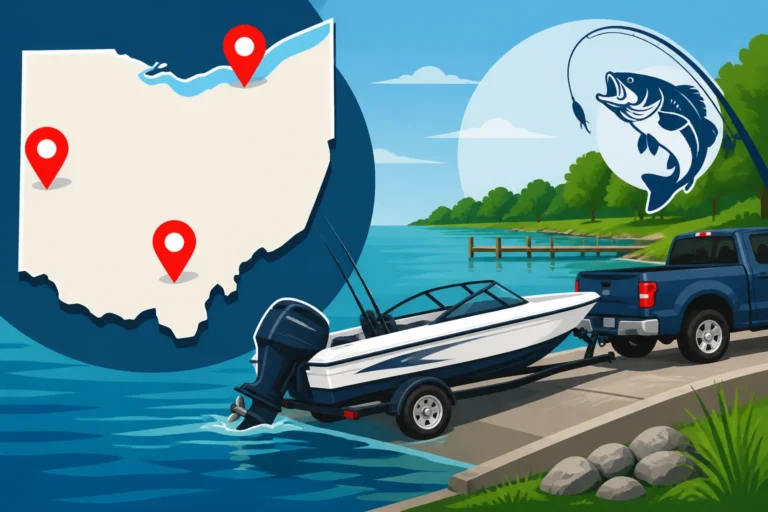
Mosquito Creek Lake is large, and whether you prefer to fish from shore or a boat, knowing your access points is vital. For boaters, there are several excellent launch ramps available, primarily managed by the Ohio Department of Natural Resources (ODNR).
Mosquito Lake State Park offers multiple well-maintained boat ramps, including the main ramp near the causeway, and others at Mecca Beach and the northern end of the lake. These ramps provide easy access to different sections of the lake, allowing anglers to target specific areas without excessive travel time. Boaters should be aware of any Does Mosquito Lake Have a Boat Speed Limit?, which can vary in certain zones. Kayak and canoe anglers will also find numerous spots to launch, especially in the more protected coves that are ideal for panfish and largemouth bass. For bank anglers, Mosquito Lake State Park provides plenty of shoreline access, particularly around the causeway and designated fishing areas. Piers and docks also offer good opportunities, especially in the spring and fall. Always check the latest park maps for the most up-to-date access information. Whether you're in a bass boat, a pontoon, a kayak, or on foot, there are ample opportunities to wet a line on this fantastic body of water.
Navigating Regulations and Responsible Angling
Fishing Mosquito Creek Lake, like any public water in Ohio, comes with a responsibility to understand and adhere to the rules and to practice good conservation. This ensures that this incredible resource remains healthy and vibrant for generations of anglers to come.
Understanding Ohio's Fishing Regulations
Before you even cast a line, ensuring you have the proper Ohio fishing license is paramount. The Ohio Department of Natural Resources (ODNR) sets specific rules for all waterways, and Mosquito Creek Lake is no exception. These regulations cover everything from license requirements to bag and size limits for various species.
All anglers aged 16 and over must possess a valid Ohio fishing license. You can easily purchase one online, at bait shops, or at most sporting goods stores. Our comprehensive guide, Ohio Fishing License Guide for Residents and Nonresidents, explains all your options. Beyond the license, it’s critical to be familiar with the statewide fishing regulations, which outline daily bag limits and minimum size requirements for species like walleye, crappie, bass, and muskie. While many regulations are statewide, some lakes, including Mosquito Creek, occasionally have specific exceptions or special regulations. For instance, knowing the Ohio Muskie Size and Bag Limits is crucial if you're targeting these giants, and understanding Ohio Largemouth and Smallmouth Bass Limits will ensure you're compliant when catching bass. Always consult the current Ohio Fishing Regulations booklet, available on the ODNR website or at license vendors, before your trip. Ignorance of the law is never an excuse, and wildlife officers patrol these waters regularly to ensure compliance.
Practicing Catch and Release and Conservation
While fishing is about the thrill of the catch, it's equally about responsible stewardship of our natural resources. Practicing catch and release, especially for certain species or trophy-sized fish, is a vital component of conservation on Mosquito Creek Lake.
For species like muskellunge, which take many years to grow to trophy sizes, catch and release is highly encouraged, if not mandatory, under current regulations. Large bass and walleye also benefit immensely from being released to ensure healthy breeding populations. When practicing catch and release, handle fish minimally and with wet hands to protect their slime coat. Use dehooking tools to remove hooks quickly and gently, especially if using treble hooks. Avoid dragging fish onto dry ground or boat decks. If a fish is exhausted, gently hold it in the water until it regains its strength and can swim away on its own. Beyond catch and release, simply disposing of your trash properly, avoiding the spread of invasive species by cleaning your boat and gear, and respecting the lake's natural environment are all critical aspects of responsible angling. Maintaining a healthy ecosystem ensures that Mosquito Creek Lake will continue to be a premier fishing destination for years to come.
Safety on the Water
The vastness of Mosquito Creek Lake, while offering incredible fishing, also demands a keen awareness of safety. Whether you're in a small jon boat, a large bass boat, or venturing out on the ice, prioritizing safety is non-negotiable.
For boaters, having properly fitting life jackets for everyone on board is not just a good idea, it's the law. Always check the weather forecast before heading out, as large lakes like Mosquito Creek can become dangerous quickly with strong winds and chop. Make sure your boat's navigation lights are working if you're fishing at dawn, dusk, or night. Inform someone on shore of your float plan – where you're going and when you expect to return. Be aware of other boat traffic, especially during busy weekends. If you're considering ice fishing, caution is paramount. Never venture onto thin ice. Always check ice thickness in multiple spots using an ice auger and carry safety equipment like ice picks. The general rule of thumb for safe ice is at least 4 inches for foot traffic, and 5-7 inches for ATVs/snowmobiles, but conditions can vary wildly. Our Ohio Ice Fishing Guide provides crucial safety tips. Remember, a successful fishing trip is a safe fishing trip, and no fish is worth risking your life over.
Planning Your Mosquito Creek Lake Trip
A successful fishing adventure to Mosquito Creek Lake goes beyond just knowing where to cast. It involves thoughtful planning, leveraging available resources, and considering local amenities to make your experience as enjoyable and productive as possible.
Resources for Trip Planning
The good news is that there's a wealth of information out there to help you plan your Mosquito Creek Lake fishing trip. The Ohio Department of Natural Resources (ODNR) website is your primary source for up-to-date fishing reports, stocking information, and current regulations. They often publish surveys and data specific to the lake, which can give you insights into fish populations and health.
Beyond official sources, local bait and tackle shops around the Mosquito Creek Lake area, such as those in Cortland or Warren, are invaluable resources. The folks who work there are often local anglers themselves and can provide current hot spots, effective lures, and real-time conditions. Don't be shy about asking for advice – they usually love sharing their knowledge! Online fishing forums and social media groups dedicated to Ohio fishing can also offer valuable, if sometimes anecdotal, information. If you're new to the lake or want to significantly shorten your learning curve, consider hiring a local fishing guide. Many excellent guides specializing in Mosquito Creek Lake, often found through sites like FishingBooker, can help you target specific species like muskie or walleye and teach you the nuances of this unique fishery. A guided trip can be a great investment, especially if you're traveling from out of state or simply want to maximize your time on the water.
Local Amenities and Accommodations
Making your fishing trip to Mosquito Creek Lake a comfortable and enjoyable experience often means considering more than just the fishing itself. Thankfully, the area surrounding the lake offers a variety of amenities and accommodations to suit different preferences.
Mosquito Lake State Park is a fantastic resource, not only providing boat launches and shoreline access but also offering a large campground with hundreds of sites, including primitive, electric, and even cabins. This makes it an ideal spot for a multi-day fishing adventure where you can stay right on the lake. If camping isn't your style, nearby towns like Cortland and Warren offer a selection of hotels and motels. You'll also find plenty of dining options, from casual eateries to sit-down restaurants, ensuring you can refuel after a long day on the water. For any forgotten essentials or last-minute tackle needs, these towns also have sporting goods stores and grocery markets. Whether you're roughing it under the stars or looking for a comfortable bed and hot meal, the Mosquito Creek Lake region has you covered, making it easy to focus on what you came for: fishing. If you're looking for a comprehensive Ohio Fishing License Guide for Residents and Nonresidents, you'll find it an invaluable resource for planning your trip.
Disclaimer
The information provided in this guide is for general informational purposes only and is based on typical conditions and regulations. Fishing conditions, regulations, and fish behavior can change rapidly. Always consult the current Ohio Department of Natural Resources (ODNR) fishing regulations booklet and local advisories before heading out on the water. Prioritize safety, wear appropriate personal flotation devices, and never take unnecessary risks.