How to Use Cut Bait for Catfish
For many Ohio anglers, the thrill of battling a big catfish is a unique joy, but sometimes these whiskered warriors can seem frustratingly picky. You've tried stink baits, worms, and even hot dogs, only to be met with silence. The secret to consistently hooking into those hefty channel, flathead, and even elusive blue catfish often lies in a time-tested method: using cut bait. This comprehensive guide will dive deep into everything you need to know about selecting, preparing, and presenting cut bait to maximize your success in Ohio’s diverse waters.
Why Cut Bait is a Catfish Magnet in Ohio
Catfish, unlike many other game fish, rely heavily on their incredible sense of smell and touch to locate food, especially in murky water or low-light conditions. Cut bait leverages this innate ability, releasing a powerful scent trail that draws catfish in from surprising distances. It’s not just about a meal; it’s about an irresistible aroma that screams "dinner time!" across the riverbed or lake bottom.
Understanding Catfish Scent-Tracking Abilities
Imagine navigating a dark room using only your nose and fingertips – that's essentially how a catfish operates in its underwater world. Their long, sensitive barbels aren't just for show; they're packed with taste receptors, constantly "tasting" the water for chemical cues. When a piece of cut bait hits the water, it immediately begins to release blood, oils, and other bodily fluids, creating a plume of scent that catfish can detect with astonishing precision. This natural exudate is far more potent and convincing than any artificial scent, mimicking a wounded or deceased prey item – an easy meal for an opportunistic cat. It’s why simply catching a live baitfish and then cutting it can be so much more effective than fishing it whole and alive for certain catfish species; that initial burst of scent is key.
The Allure of Fresh vs. Stale Cut Bait
When it comes to cut bait, freshness isn't just a preference; it's a performance enhancer. Freshly cut bait, still oozing with blood and natural oils, creates an intense scent trail that dissipates slowly, acting like a beacon for hungry catfish. Think of it like a fresh-baked cookie versus one that's been sitting out for a week – which one smells better and is more appealing? Catfish have a similar discernment. Stale bait, on the other hand, might still attract some attention, but its potency is greatly diminished. It won't have the same vibrant scent signature, and it might even develop off-putting odors that deter rather than attract. This doesn't mean you can't use frozen bait, but even then, using bait that was frozen fresh will yield better results than bait that was already old when frozen. The goal is to maximize that natural, powerful fishy odor.
Common Fish Used for Cut Bait in Ohio
Ohio offers a fantastic variety of baitfish that make excellent cut bait for catfish. The best choice often depends on what's readily available and what the local catfish are accustomed to eating.
- Shad (Gizzard and Threadfin): These are often considered gold standard cut bait for nearly all catfish species, especially in larger reservoirs and rivers like the Ohio River. They have oily flesh and shed scales easily, both of which contribute to an excellent scent trail. Many anglers will target shad specifically for bait, using cast nets in shallow areas.
- Suckers (White Suckers, Creek Chubs): Another highly effective baitfish, suckers are hardy and oily. They're particularly good for targeting larger flathead catfish. You can often catch suckers in smaller streams and creeks.
- Bluegill and Other Panfish: While some anglers prefer to use these whole and alive for flatheads, cutting them up makes them fantastic channel cat bait. Panfish are abundant in most Ohio lakes and ponds, making them easily accessible. Make sure to check local regulations on using game fish as bait.
- Common Carp: Don't underestimate the carp! Their tough, somewhat oily flesh holds up well on a hook and has a distinct scent that catfish, particularly large flatheads and channel cats, find appealing. Carp can be caught almost anywhere in Ohio, from small ponds to major rivers.
When choosing your bait, consider what's natural to the environment you're fishing. If the lake is full of bluegill, then bluegill cut bait is a logical choice. Variety can also be key, so don't be afraid to experiment with different species to see what the local catfish prefer on any given day.
Preparing Your Cut Bait for Ohio Catfish
The effectiveness of your cut bait isn't just about the fish species you choose; it's also about how you handle, prepare, and present it. A little effort here can make a huge difference in your catch rates.
Sourcing and Storing Your Baitfish
First things first, you need baitfish. Many tackle shops sell frozen baitfish, especially shad. While convenient, remember our earlier discussion on freshness. The best option is often to catch your own, ensuring it's as fresh as possible. A cast net is invaluable for catching shad, especially during warmer months. If you're catching panfish or suckers with a hook and line, use small hooks and handle them gently to keep them alive until you're ready to cut them.
Once you have your baitfish, proper storage is crucial. If you plan to use it fresh on the same day, keep it alive in a bait bucket with an aerator. If you're preparing bait for future trips, you'll want to freeze it. Flash freezing immediately after catching is ideal to preserve freshness. You can even pre-cut some bait before freezing, sealing it in vacuum-sealed bags to prevent freezer burn and loss of scent. Many anglers swear by freezing individual portions in a small amount of water to create a protective ice layer. Durable coolers and bait-keeping solutions can be found on Amazon.
The Art of Cutting: Chunks, Strips, and Fillets
The way you cut your bait can significantly impact its appeal and how long it stays on the hook. There’s no single "right" way, as different cuts work better for different catfish species and fishing conditions.
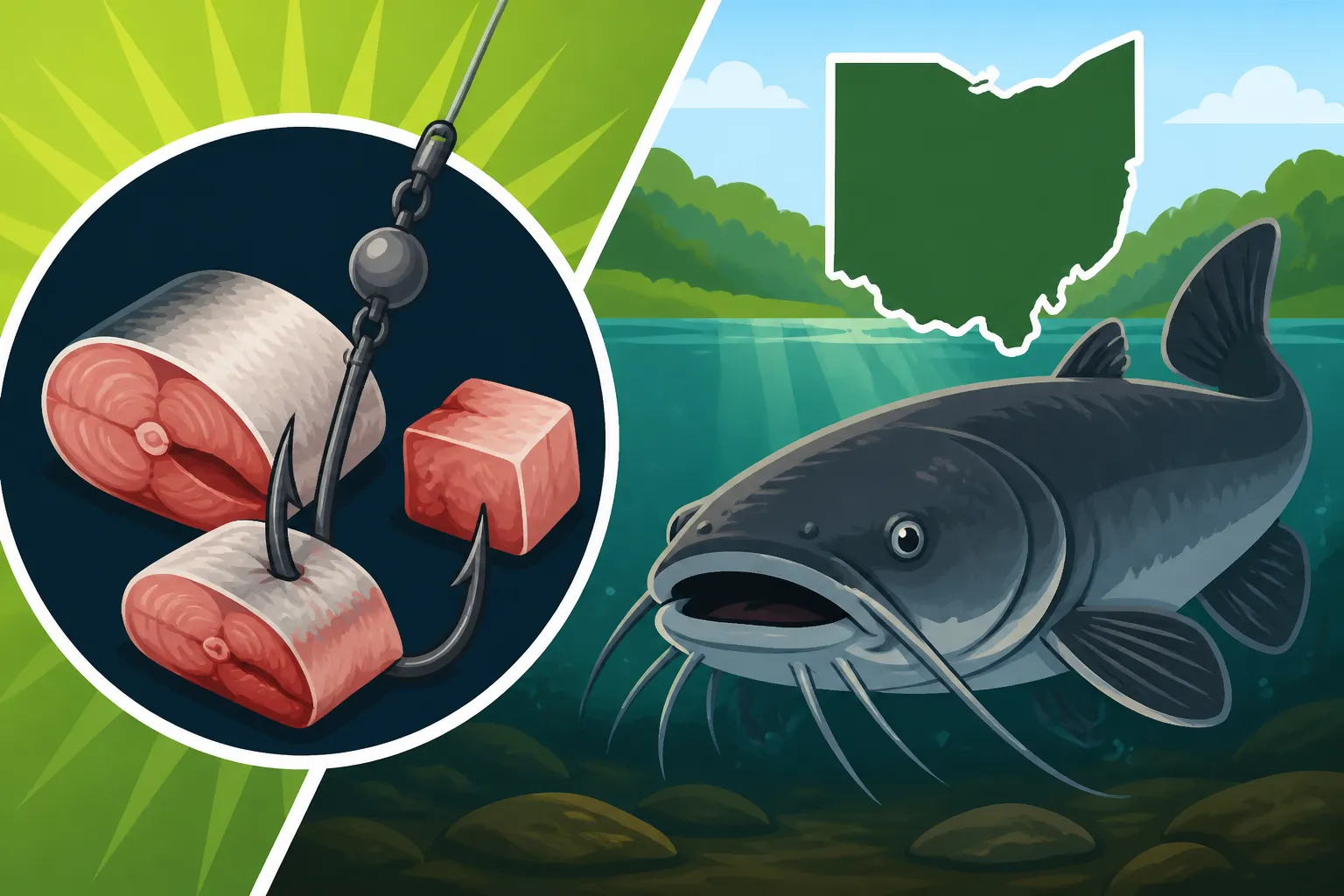
- Chunks: This is the most common and versatile cut. For smaller baitfish like bluegill or small shad, simply cut them into 1-2 inch chunks, including bone and guts. The internal organs release a potent scent, and the bones help the bait stay on the hook. Chunks are excellent for channel catfish and smaller flatheads.
- Strips: For larger baitfish, you can fillet the sides and then cut the fillets into long, thin strips, often 1/2 to 1 inch wide and 3-6 inches long. Strips are great for presenting a fluttering, tempting profile in the current, and their longer shape makes them harder for smaller fish to pick clean quickly. They’re often preferred for targeting blue catfish in rivers or active channel cats.
- Fillets: For very large baitfish like carp or big suckers, you might just use a section of fillet, cut into a size appropriate for your hook. These are less about the full "guts and glory" and more about presenting a sizable, scent-rich piece of meat. Large fillets are excellent for trophy flatheads and blue catfish, especially when you want to deter smaller panfish.
- Head or Tail Sections: Don't discard the head or tail! The head, especially with its brain and blood, is a very potent scent producer and can be surprisingly effective for larger catfish, particularly flatheads. The tail section can also be rigged to provide some natural movement in the water.
When cutting, make sure your knife is sharp. Clean cuts expose more flesh and release more scent. Also, consider bleeding your baitfish before cutting if you're using live bait; some anglers believe this enhances the scent release even further.
Enhancing Your Cut Bait
While fresh cut bait is powerful on its own, there are ways to supercharge its attraction.
- Scent Attractants: Many companies produce liquid or gel attractants designed to be applied to bait. These often contain strong amino acids, fish oils, or even specific pheromones that catfish are drawn to. While some purists prefer natural bait only, a little boost from a quality scent can sometimes make a difference, especially if your bait isn't as fresh as you'd like. These can be found at local tackle shops or online at retailers like Amazon.
- Dyeing Bait: While less common for cut bait than for other types of bait, some anglers experiment with food-grade dyes to make their cut bait visually stand out, especially in clear water or bright conditions. However, the primary draw of cut bait is scent, so this is usually a secondary consideration.
- Adding Seasoning: This might sound strange, but some anglers experiment with household spices or even garlic powder mixed with fish oil to create a unique scent profile. This often falls into the realm of Best Homemade Catfish Bait Recipes for Ohio Anglers, but the principle of adding an extra aromatic kick can be applied to cut bait as well. Remember, catfish have an incredible sense of smell, so strong, unique odors can grab their attention.
The key is to experiment. What works wonderfully on one lake might be ignored on another. Pay attention to what the fish are telling you on any given day.
Effective Rigs and Techniques for Fishing Cut Bait
Having the right bait is only half the battle; knowing how to present it effectively is just as important. Catfish are often bottom dwellers, but they can also suspend in the water column, especially larger fish. Your rig and technique should reflect the conditions and the species you're targeting.
Essential Terminal Tackle
Before you even think about casting, you need the right tools at the business end of your line.
- Hooks: Catfish have tough mouths, so sharp, strong hooks are non-negotiable. Circle hooks are highly recommended for catch-and-release fishing, as they usually hook in the corner of the mouth, minimizing gut hooks. Sizes can range from 3/0 to 8/0 or even larger, depending on the size of your bait and the target species. For Ohio Channel Catfish Fishing Guide, a 4/0 to 6/0 circle hook is usually a good starting point. For monster flatheads, you might go up to an 8/0 or 10/0.
- Weights: Sinkers are crucial for getting your bait to the bottom and holding it there against current. Pyramid, no-roll, or flat bell sinkers are popular choices for still water or light current. In stronger currents, like those found in the Ohio River Fishing Guide, heavier pyramid or flat sinkers might be necessary to keep your bait from washing away. The weight should be heavy enough to hold bottom but light enough to feel a bite.
- Swivels: Barrel or, even better, heavy-duty ball-bearing swivels are essential for preventing line twist, especially when fishing in current or if your bait tends to spin. A good swivel also acts as a stopper for your sliding sinker rig.
- Leader Material: Using a leader that is slightly lighter than your main line can be a good idea, as it provides a breaking point in case of a snag, saving your main line. Fluorocarbon leaders offer abrasion resistance and stealth, while heavy monofilament or even braided line can work for aggressive catfish applications.
Choosing the right combination of terminal tackle will help your bait stay in the strike zone and ensure that when a catfish bites, you have the best chance of landing it.
Rigging for Different Conditions
The beauty of cut bait is its versatility. You can adapt your rig to almost any situation you encounter in Ohio waters.
- Bottom Rigs (Carolina Rig/Sliding Sinker Rig): This is perhaps the most popular and effective rig for fishing cut bait on the bottom. It consists of a sliding sinker (egg sinker, bullet weight) above a swivel, with a leader (12-24 inches) tied to your hook. This setup allows the catfish to pick up the bait and move off with it without immediately feeling the weight of the sinker, leading to more confident bites. It's fantastic for both still water and moderate currents, and is a staple rig for Ohio Catfish Fishing Techniques.
- Santee Cooper Rig: A variation of the sliding sinker rig, the Santee Cooper rig adds a small float or cork on the leader, just above the hook. This lifts your cut bait slightly off the bottom, presenting it above weeds or snags, and making it more visible (or scent-distributable) to catfish cruising just off the bottom. This can be especially effective in softer bottoms where your bait might otherwise get buried.
- Float/Bobber Rigs: While less common for heavy cut bait, a sturdy slip bobber rig can be excellent for suspending smaller pieces of cut bait at a specific depth, especially when targeting catfish that might be suspended over deeper water or near structure. This is also a good option when fishing close to shore or structure where you want to keep your bait from snagging the bottom.
When setting up your rig, always test it near shore to ensure your bait presentation is natural and that your weights are appropriate for the current.
Presentation Strategies
Once your rig is set, how you get that bait to the fish matters.
- Casting and Waiting: This is the most straightforward method. Cast your baited rig to a promising spot – a deep hole, a channel edge, under a fallen tree – and let it settle. Keep your line relatively tight to feel subtle bites, but not so tight that it moves your bait with every slight current fluctuation. This method is often employed for Night Fishing Techniques in Ohio, as catfish are very active after dark.
- Drifting: In rivers or large lakes with current, drifting your cut bait can be incredibly effective. Use just enough weight to keep your bait near the bottom but still allow it to move naturally with the current. This covers more water and can help you locate active fish. Be prepared to adjust your weight as the current changes.
- Anchoring and Still Fishing: When you've found a promising spot, sometimes the best approach is to anchor your boat and simply fan-cast multiple lines around your position. This allows the scent to build up in a concentrated area, drawing in fish. For How to Anchor for Catfish on the Ohio River, securing your boat properly is key to success. This strategy is perfect for patiently waiting for those larger, less active catfish.
Reading the Water for Catfish
Catfish are creatures of structure and current breaks. Knowing where to cast your cut bait is just as important as how you prepare it.
- Deep Holes and Channels: Catfish often retreat to deeper water during the day or in colder temperatures. Look for sharp drop-offs, river bends, and dredged channels.
- Structure: Submerged trees, rock piles, bridge pilings, and even old tires provide cover, ambush points, and current breaks where catfish love to hide. Cast your bait as close to this structure as you dare.
- Current Seams and Eddies: In rivers, catfish will hold in areas where the fast current meets slower water (current seams) or in eddies behind obstructions. These spots offer a break from the current while still allowing food to wash by.
- Confluence of Tributaries: Where a smaller creek or river meets a larger body of water, it creates a nutrient-rich mixing zone that attracts baitfish, and consequently, catfish.
Pay attention to your surroundings – bird activity, baitfish jumping, and even subtle changes in water temperature can give clues to where catfish might be lurking.
Species-Specific Cut Bait Strategies for Ohio Waters
While cut bait generally works for all catfish, refining your approach for each species can dramatically improve your results. Each species has its own preferences and habits that can be exploited.
Channel Catfish Favorites
Channel cats are arguably the most widely distributed and caught catfish in Ohio. They are not terribly picky eaters, which makes them a fantastic target for cut bait. They have an excellent sense of smell and are drawn to strong, pungent odors.
- Preferred Baits: Shad, bluegill, carp, and even rough fish like drum, cut into 1-2 inch chunks, are highly effective. For channel cats, the fresher the better, but they'll often hit bait that's been frozen as well. The key is that strong, natural fish scent.
- Rigging: A simple sliding sinker rig with a 4/0 to 6/0 circle hook and a 12-18 inch leader is usually perfect.
- Locations: Channel cats are often found in a wide variety of habitats: deep holes in rivers, along the edges of weed lines in lakes, near submerged timber, or anywhere baitfish congregate. They are also known to cruise open water in search of food.
- Timing: While channel cats bite throughout the day, their activity often peaks during low-light conditions, such as dawn, dusk, and throughout the night. Targeting them in these periods with a strong-smelling cut bait can yield fantastic results. For tips on Best Techniques for Catching Channel Catfish at Night, cut bait is definitely a go-to.
Targeting Flathead Catfish with Cut Bait
Flatheads are the apex predators of the catfish world, and they have a reputation for being pickier, preferring live bait. However, extremely fresh cut bait can be highly effective, especially for larger fish that are less inclined to chase active prey. The distinction here is freshness.
- Preferred Baits: Live or freshly killed and immediately cut suckers, large bluegill, carp, or bullheads are prime choices. The cuts should be substantial – a large chunk of fillet, a head, or a large cross-section. The goal is to present a sizable meal. The information in Ohio Flathead Catfish Identification notes their predatory nature, explaining why they prefer substantial prey.
- Rigging: A heavy-duty sliding sinker rig with an 8/0 to 10/0 circle hook and a strong 24-36 inch leader is recommended. You need stout tackle to handle these powerful fish.
- Locations: Flatheads are ambush predators that love heavy cover. Look for deep log jams, submerged trees, rock piles, and bridge pilings in rivers and large reservoirs. They will rarely venture far from cover.
- Timing: Flatheads are predominantly nocturnal hunters. Fishing cut bait in their ambush zones after dark is your best bet for a trophy. Patience is key when targeting flatheads; they often take their time to investigate a meal.
Blue Catfish Considerations
While not as widespread in Ohio as channel and flathead catfish, blue catfish populations are present, particularly in the Ohio River. Blues are often described as a mix between channels and flatheads in terms of their diet, being omnivorous but with a strong preference for fish. They are often less picky than flatheads but can grow to immense sizes, demanding heavy tackle.
- Preferred Baits: Like channel cats, blue cats are strongly drawn to oily cut baits such as shad, skipjack herring (if available), and even smaller chunks of carp or drum. Freshness is still paramount for attracting these powerful fish.
- Rigging: A stout sliding sinker rig with a 6/0 to 8/0 circle hook and a strong leader is appropriate. Given their potential size, robust components are necessary.
- Locations: Blue catfish prefer large, open water areas, deep channels, and strong currents in major river systems. They will often school and can be found suspended or near the bottom in these open water environments.
- Timing: Blue cats are active day and night, but their feeding often intensifies during low-light periods and throughout the night.
Remember, local conditions always play a role. Don't be afraid to ask local bait shops or fellow anglers what's been working best in your specific Ohio fishing spot.
Cut Bait Selection & Application Table
Here's a quick reference table to help you choose and apply cut bait effectively for Ohio catfish:
| Catfish Species | Preferred Cut Bait Types | Ideal Cut Size | Recommended Hook Size | Rigging Style | Prime Locations | Key Considerations |
|---|---|---|---|---|---|---|
| Channel Catfish | Shad, Bluegill, Carp, Drum | 1-2 inch chunks | 4/0 – 6/0 circle | Sliding Sinker, Santee | Deep holes, weed edges, timber | Excellent sense of smell; active at night. |
| Flathead Catfish | Suckers, Large Bluegill, Carp | Large fillets, heads | 8/0 – 10/0 circle | Heavy Sliding Sinker | Heavy submerged cover, log jams | Prefers extremely fresh bait; nocturnal hunter. |
| Blue Catfish | Shad, Skipjack, Carp | 2-4 inch chunks/strips | 6/0 – 8/0 circle | Heavy Sliding Sinker | Deep river channels, strong currents | Powerful fighters; found in major rivers. |
Using cut bait for catfish isn't just a technique; it's an art. It's about understanding the fish, respecting the bait, and patiently waiting for that powerful tug on your line. With the right preparation and presentation, you'll be well on your way to a successful day (or night) of Ohio catfish angling.
Disclaimer
This article is for general informational purposes only and does not constitute professional advice. Laws, prices and regulations vary by location and change over time. Consult a qualified professional for guidance on your specific situation.