Best Homemade Catfish Bait Recipes for Ohio Anglers
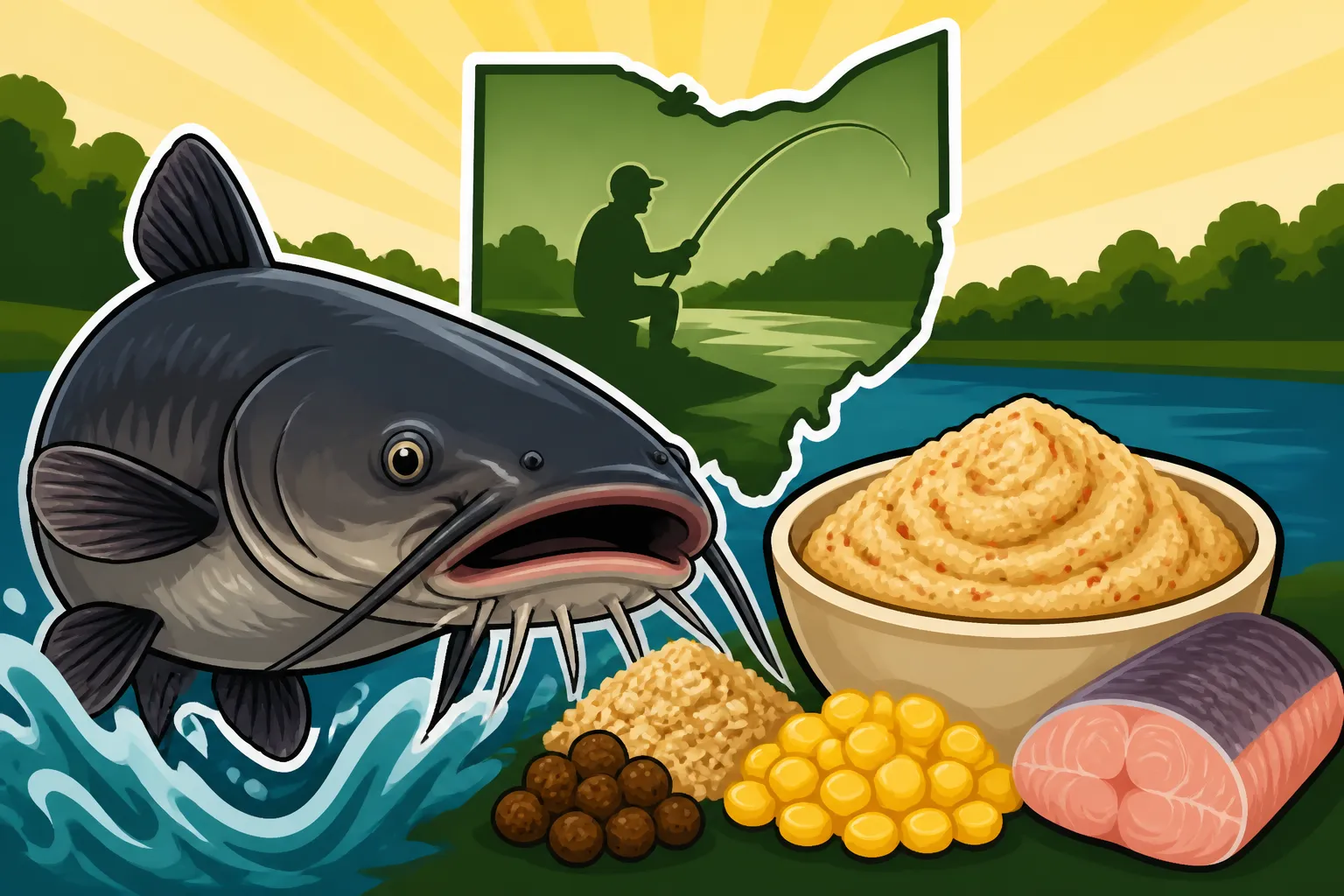
There's nothing quite like the thrill of reeling in a feisty Ohio catfish, but let's be honest, the cost of store-bought baits can really add up, and sometimes they just don't deliver the results you're hoping for. Many of us have stood in the fishing aisle, staring at those oddly colored, foul-smelling tubs, wondering if they're truly worth the expense. This guide is here to solve that frustration by providing you with tried-and-true homemade catfish bait recipes that are not only budget-friendly but also incredibly effective at enticing those whiskered giants in Ohio's lakes and rivers.
Why Homemade Catfish Baits are a Game Changer for Ohio Anglers
When you're serious about catching catfish in Ohio, whether it's trophy flatheads in the Ohio River or plentiful channel cats in your local pond, the bait you choose makes all the difference. While the convenience of pre-packaged options is undeniable, they often fall short in a few key areas that homemade baits excel in. It's about taking control of your fishing experience and giving yourself an edge.
The Cost-Saving and Customization Advantage
Let's face it, fishing can be an expensive hobby. Rods, reels, tackle, and of course, bait – it all adds up. Commercial catfish baits, particularly the "super secret" formulas, can carry a hefty price tag, especially if you're planning a full day out or a multi-day trip. Imagine going through several tubs of expensive bait in one weekend; your wallet definitely feels that pinch! Homemade baits offer a fantastic alternative, slashing your bait costs significantly. Many of the ingredients are common household items or inexpensive purchases from a grocery store, making them accessible to any angler on a budget.
Beyond the cost, there's the incredible power of customization. Store-bought baits are designed for a general appeal, but every body of water and even every day can present different conditions. With homemade bait, you become the chef, able to tweak ingredients, scents, and textures to perfectly match the local conditions and the specific catfish species you're targeting. Did the water get muddier after a rain? Add more garlic! Are the fish being finicky? Try a sweeter profile. This level of adaptability simply isn't possible with a factory-produced product. You can truly experiment and learn what works best for your favorite Ohio fishing spots.
Understanding Catfish Appetites
To make a truly effective homemade catfish bait, it helps to think like a catfish. These bottom-dwelling omnivores are renowned for their powerful sense of smell and their opportunistic feeding habits. They're not particularly picky eaters, but they are incredibly drawn to strong, pungent odors and rich, protein-filled meals. This is why "stink baits" are so popular – they exploit the catfish's acute olfactory senses, drawing them in from a distance, even in murky waters.
Catfish are scavengers by nature, constantly searching for decaying organic matter, dead fish, or even plant material. Their barbels, or "whiskers," are packed with taste buds and help them locate food along the bottom. This means that a bait that releases a consistent scent trail and has an appealing texture can be irresistible. Whether it's the savory tang of aged cheese, the robust aroma of chicken liver, or a sweet and spicy dough ball, understanding what triggers a catfish's feeding response is the secret sauce behind these homemade recipes. It's not just about throwing something in the water; it's about creating an olfactory beacon that catfish simply can't ignore.
Tried-and-True Homemade Catfish Bait Recipes for Ohio Waters
Now that we understand the 'why,' let's dive into the 'how.' These recipes are favorites among seasoned anglers and are designed to attract various catfish species commonly found throughout Ohio. From the largest reservoirs to smaller streams, these baits have proven their worth.
The Classic Stink Bait: Cheese & Garlic Concoction
This is arguably one of the most famous homemade catfish baits, and for good reason: it absolutely stinks (in the best way possible for catfish!). The strong, fermented aroma of cheese combined with pungent garlic is a powerful attractant that travels well through water, calling catfish to your hook. This recipe is particularly effective for channel catfish and can even tempt some blue catfish.
Ingredients:
- 1 block (about 16 oz) Velveeta-style cheese or cream cheese
- 4-6 cloves of fresh garlic (minced) or 2-3 tablespoons garlic powder
- 1/4 cup Parmesan cheese (grated, for extra funk)
- 1-2 tablespoons fish oil (herring or shad oil works great, available on Amazon or tackle shops)
- 1 cup all-purpose flour or cornmeal (as a binder)
- Optional: a few drops of red food coloring (some anglers believe it helps visibility)
Instructions:
- Soften the Cheese: Start by softening your Velveeta or cream cheese. You can do this by letting it sit at room temperature for a few hours, or carefully melting it in a microwave-safe bowl in short bursts (30 seconds at a time) until it's pliable. You want it soft enough to mix easily but not completely liquid.
- Add the Aromatics: Once the cheese is soft, add the minced fresh garlic or garlic powder, Parmesan cheese, and fish oil. Mix everything thoroughly with a sturdy spoon or your hands (wearing gloves is a good idea, trust me!). The goal is to distribute the scent evenly throughout the cheese.
- Incorporate the Binder: Gradually add the flour or cornmeal, mixing it in until the bait reaches a consistency that's firm enough to stay on a hook but still soft enough to release its scent. You might not need all of the binder, or you might need a little more, depending on the cheese and humidity. The texture should be like a thick dough. If you're adding food coloring, do it now.
- Knead and Store: Knead the bait for a few minutes to ensure all ingredients are well combined and the consistency is uniform. Form it into a ball or a log. You can then break off small pieces to mold onto your hook when you're ready to fish. Store this potent concoction in an airtight container or a heavy-duty Ziploc bag in the refrigerator until your next fishing trip. It gets smellier (and arguably better) with age!
The Liver-Based Powerhouse
Chicken livers are a perennial favorite for catfish anglers, but they can be a bit messy and soft on the hook. This recipe solves that problem by incorporating gelatin and oats, making them more durable while still retaining their irresistible bloody, rich scent. This bait is excellent for attracting hungry channel catfish and can also pique the interest of flathead catfish, especially smaller ones.
Ingredients:
- 1 pound fresh chicken livers
- 1 packet (about 0.25 oz) unflavored gelatin powder
- 1/2 cup old-fashioned rolled oats or cornmeal
- 2-3 cloves of fresh garlic (minced) or 1 tablespoon garlic powder
- Optional: 1 tablespoon soy sauce or Worcestershire sauce for added savory notes
Instructions:
- Prepare the Livers: Place the chicken livers in a blender or food processor. Add the minced garlic (if using fresh) and any optional sauces. Blend until the livers are mostly smooth, with a few small chunks remaining for texture.
- Bloom the Gelatin: In a small bowl, sprinkle the gelatin powder over 1/4 cup of cold water and let it sit for 5 minutes to "bloom" or soften.
- Heat and Dissolve: Gently heat the bloomed gelatin in a microwave for 10-15 seconds or over very low heat on a stovetop until it's completely dissolved into a clear liquid. Be careful not to boil it.
- Combine Ingredients: Pour the blended liver mixture into a mixing bowl. Stir in the dissolved gelatin. Slowly add the rolled oats or cornmeal, mixing until you have a thick, sticky paste. The oats will help absorb some of the moisture and firm up the bait.
- Set the Bait: Pour the mixture into a shallow, flat container (like a baking dish lined with parchment paper or a small plastic food storage container). Spread it evenly. Refrigerate for at least 4-6 hours, or preferably overnight, until the gelatin has completely set and the bait is firm.
- Cut and Store: Once firm, you can cut the bait into small, hook-sized cubes or strips. Store these pieces in an airtight container in the refrigerator. This bait is much more resilient on the hook than plain chicken livers and will hold up better to casting and current.
Simple & Effective Dough Ball Bait
Sometimes, simplicity is key. Dough balls are incredibly versatile, inexpensive, and can be customized with various scents to appeal to different fish. While great for channel catfish, especially smaller ones, these can also attract panfish like bluegill and crappie, making them a good all-around option for a family fishing trip in an Ohio state park lake.
Ingredients:
- 2 cups all-purpose flour
- 1 cup cornmeal
- 1/4 cup granulated sugar (optional, but sweet baits can attract some fish)
- 2-3 cloves of fresh garlic (minced) or 1 tablespoon garlic powder
- Water (as needed, typically 1/2 to 1 cup)
- Optional scents: 1 teaspoon anise extract, a few drops of vanilla extract, a tablespoon of powdered cheese, or a teaspoon of curry powder.
Instructions:
- Combine Dry Ingredients: In a large mixing bowl, combine the flour, cornmeal, and sugar (if using). Add the minced garlic or garlic powder, and any other dry optional scents like powdered cheese or curry powder. Mix thoroughly.
- Add Liquid Scents and Water: If you're using liquid scents like anise or vanilla extract, add them now. Gradually add water, a little at a time, mixing with a spoon until the dough starts to come together.
- Knead the Dough: Once the dough forms a shaggy ball, turn it out onto a clean, floured surface. Knead the dough vigorously for 5-10 minutes. This develops the gluten in the flour, making the bait tougher and less likely to fall off the hook. You want a firm, non-sticky dough. If it's too sticky, add a little more flour; if too dry, a few drops of water.
- Cook (Optional but Recommended for Durability): For even more durability, you can lightly cook the dough balls. Bring a pot of water to a gentle simmer. Break off small, hook-sized pieces of dough and roll them into balls. Drop them into the simmering water for about 30-60 seconds, or until they float to the surface. This "sets" the dough, making it much tougher. Remove them with a slotted spoon and let them cool and air dry on a paper towel.
- Store: Store the finished dough balls in an airtight container in the refrigerator. They can last for several weeks. When fishing, simply pinch off a piece or use a pre-cooked ball and mold it around your hook.
Here’s a quick overview of these fantastic homemade options:
| Bait Type | Primary Ingredients | Target Species | Pros | Cons |
|---|---|---|---|---|
| Cheese & Garlic Stink | Velveeta/Cream Cheese, Garlic, Parmesan, Fish Oil, Flour | Channel, Blue Catfish | Extremely pungent, strong attractant, easy to customize | Can be messy, softer texture might not hold up to strong current |
| Liver-Based Powerhouse | Chicken Livers, Garlic, Gelatin, Oats | Channel, Flathead Catfish | Highly attractive due to blood/organ smell, durable with gelatin | Messy preparation, strong odor on hands/clothes |
| Dough Ball Bait | Flour, Cornmeal, Sugar, Garlic, Water | Channel Catfish, Panfish | Inexpensive, versatile, easily customizable with scents | Can fall off hook easily if not cooked/kneaded enough |
Tailoring Your Homemade Baits for Ohio's Diverse Fishing Environments
Ohio offers such a fantastic variety of fishing environments, from the vast expanse of Lake Erie to the winding rivers and countless inland lakes and reservoirs. A great homemade bait isn't just about the recipe; it's about knowing how to make it work best for the specific water you're fishing.
Adapting for River Systems Like the Ohio River
When you're fishing major river systems in Ohio, like the mighty Ohio River Fishing Guide, current is often your biggest challenge. A bait that's too soft will simply wash off your hook before a catfish even gets a chance to sniff it out. This means you need a firmer bait that can withstand the flow without disintegrating too quickly. For your homemade cheese or liver baits, consider adding a bit more flour, cornmeal, or even a touch more gelatin than the recipe suggests. The goal is to make the bait dense enough to stay put but still soft enough to release its irresistible scent trail.
Also, think about presentation. In strong currents, using a heavier sinker or a specialized "slinky" weight can help keep your bait on the bottom where catfish feed. Rigging your bait on a treble hook with a bait spring or a small sponge can also help it adhere better, preventing it from being stripped away. For example, if you're targeting those impressive flatheads in the Ohio River, while they often prefer live bait, a firm, liver-based bait can still be very effective, especially if it's securely attached.
Preparing for Lake and Reservoir Catfish
Fishing in Ohio's numerous lakes and reservoirs, like Hoover Reservoir near Columbus or Alum Creek Lake, presents different conditions. You typically won't be dealing with strong currents, so your bait doesn't need to be as rock-solid. This opens up opportunities for slightly softer baits that can disperse their scent more freely into the water column. Here, a well-made cheese or liver bait that slowly breaks down can create a fantastic scent slick, drawing in fish from a wider area.
In these calmer waters, you might also be fishing deeper or targeting fish that are suspended off the bottom. A dough ball bait, perhaps with an added scent like anise, can be particularly good here, especially if you're also hoping to catch some bonus panfish. The slower dissolution rate allows the scent to spread without the bait immediately washing away. Consider casting to structure like submerged logs, rock piles, or ledges where catfish often congregate. Remember, even in calm water, a slow, steady scent release is key to attracting fish.
Matching Bait to Ohio Catfish Species
Ohio is home to channel catfish, flathead catfish, and occasionally blue catfish, and while they all love a good meal, they do have slight preferences. Knowing your target species can help you fine-tune your homemade baits.
- Channel Catfish: These are the most common and widespread catfish in Ohio. They are true omnivores and will readily strike at most homemade baits. The cheese and garlic stink bait or the liver-based concoction are absolute magnets for channel cats. Dough baits with sweet or savory additives also work wonders. If you want to dive deeper into targeting these fish, check out our Ohio Channel Catfish Fishing Guide.
- Flathead Catfish: Flatheads are ambush predators and have a stronger preference for live or fresh cut bait. While a highly pungent, liver-based homemade bait can attract them, especially smaller ones, they are less likely to hit a standard stink bait or dough ball. If flatheads are your primary target, you might want to combine your homemade efforts with fresh cut shad or bluegill, which you can easily find in Ohio waters. Our guide on the Best Bait for Flathead Catfish in the Ohio River offers more insights into their preferences.
- Blue Catfish: While less common than channels, blue catfish are increasing in some larger Ohio river systems. They share many feeding habits with channel cats but often prefer larger baits. A substantial chunk of your liver-based powerhouse bait would be a good option if you suspect blues are in the area. Like flatheads, they also appreciate fresh cut bait.
Essential Tips for Preparing, Storing, and Using Homemade Catfish Bait
Making the bait is only half the battle! Proper preparation, storage, and presentation are crucial to maximizing your success on the water with your homemade creations. You've put in the effort to craft these potent attractants, so let's make sure they perform their best.
The Art of Preparation and Consistency
When you're mixing your bait, pay close attention to the consistency. This is probably the most critical factor in ensuring your bait stays on the hook and effectively disperses scent. If your bait is too soft, it will simply fly off during a cast or dissolve too quickly in the water. If it's too hard, it won't release enough scent, and catfish might ignore it. Aim for a texture that's firm enough to hold its shape around a hook but still pliable.
A good test is to put a small piece on a hook and dip it in water for a few minutes. Does it stay on? Does it slowly release a cloud of scent? If not, adjust your binder (flour/cornmeal) or liquid content. Don't be afraid to experiment! And as a friendly reminder, when working with strong-smelling ingredients like garlic and chicken livers, wearing disposable gloves is a lifesaver. You can easily pick up a box of gloves on Amazon to keep your hands clean and odor-free. This ensures you're not carrying that "catfish bait" aroma all day long!
Storage Solutions to Keep Your Bait Fresh
Proper storage is key to making your homemade baits last and retain their potency. Exposure to air and heat will cause them to dry out or spoil quickly.
- Refrigeration: For most homemade baits, an airtight container or heavy-duty resealable bag is your best friend. After preparing your bait, place it immediately into one of these containers and store it in the refrigerator. The cooler temperatures will slow down spoilage and keep the bait fresh for several days, or even a week or two for some recipes. Make sure to label your containers clearly, especially if you have other, less-pungent items in your fridge!
- Freezing: If you've made a large batch or want to keep your bait fresh for extended periods, freezing is an excellent option. Portion out your bait into individual fishing trip sizes using small Ziploc bags or freezer-safe containers. This way, you only thaw what you need. Most homemade baits will last for several months in the freezer. Just remember to let them thaw slowly in the refrigerator before your trip to maintain their consistency. You can find durable freezer bags and small containers on Amazon that are perfect for this purpose.
Effective Rigging and Presentation
How you present your homemade bait can significantly impact your catch rate. Catfish aren't always aggressive biters, and a well-rigged bait can make all the difference.
- Hooks: For dough and stink baits, a treble hook is often preferred because its multiple points provide more surface area for the soft bait to adhere to. Some anglers also use specialized bait holder hooks or hooks with small springs designed to keep soft baits in place. For firmer liver chunks, a stout J-hook or circle hook might be more appropriate.
- Rigs: A simple Carolina rig or a three-way swivel rig works well for bottom-dwelling catfish in most scenarios. This allows your bait to sit on the bottom while giving the fish minimal resistance when they take the bait. In rivers, a slip-sinker rig can be effective. If you're new to different setups, you might find our guide on Ohio Fishing Knots to Know helpful for securely attaching your hooks and weights.
- Casting and Scent Spreading: Once your bait is on the hook, cast it out and let it settle. The key is to allow the scent to slowly disperse into the water. Avoid constantly reeling in and recasting, as this disturbs the scent trail you're trying to establish. Patience is a virtue in catfish fishing! If you're wondering about the best times to fish, our article on the Best Time of Day to Catch Catfish in Ohio offers some great insights. Remember, these baits are designed to work by scent, so giving that scent time to spread is paramount.
By making your own catfish baits, you not only save money but gain a deeper understanding of what really makes those Ohio catfish bite. Experiment with these recipes, tweak them to your heart's content, and enjoy the satisfaction of landing fish on bait you made yourself. Happy fishing!
Disclaimer
This article is for general informational purposes only and does not constitute professional advice. Laws, prices and regulations vary by location and change over time. Consult a qualified professional for guidance on your specific situation.