Ohio Apprentice or Mentor Fishing License Exemption
It can feel a little overwhelming when you're trying to introduce a friend or a family member to the joys of fishing in Ohio. The first question that often pops up is, "Do they need a license, too?" Especially if they're just trying it out and aren't sure if they'll stick with it, the thought of buying a full license can be a real barrier. Thankfully, Ohio offers a fantastic solution to this exact dilemma: the apprentice or mentor fishing license exemption. This guide will walk you through everything you need to know about this helpful program, making it easier than ever to share your passion for fishing.
Understanding the Ohio Apprentice Fishing License Exemption
The Ohio Apprentice Fishing License Exemption is a thoughtfully designed program by the Ohio Department of Natural Resources (ODNR) Division of Wildlife. Its primary goal is to lower the barrier to entry for new anglers, making it simpler for experienced folks to introduce newcomers to fishing without the immediate financial commitment of a full fishing license. Imagine wanting to take your neighbor's kid, who's always shown an interest, out for an afternoon, but you don't want their parents to have to shell out for a full annual license just for one trip. That's precisely where this exemption shines.
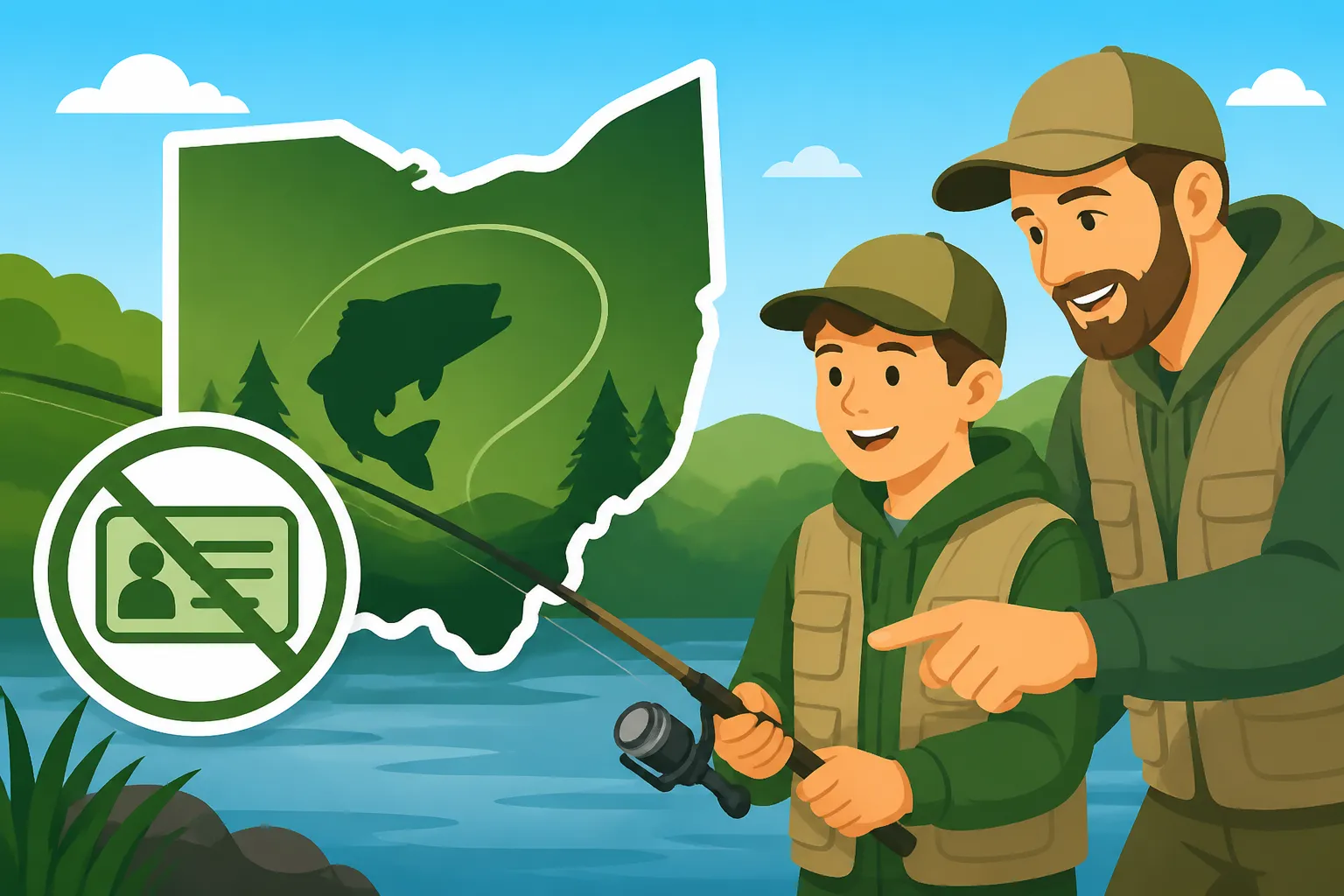
At its core, the apprentice license isn't a physical license you carry in your pocket. Instead, it’s an exemption that allows an unlicensed individual to fish legally, provided they are under the direct supervision of a properly licensed adult angler. This means you, as the mentor, are essentially "covering" them with your own valid Ohio fishing license. It's a fantastic way to encourage participation, allowing someone to test the waters, so to speak, before they fully commit to becoming an independent angler. It removes that initial hurdle, fostering a sense of community and mentorship on the water, which is what fishing is truly all about.
Who the Apprentice Exemption Serves Best
This exemption is truly a game-changer for several groups of people. First and foremost, it’s perfect for newcomers of any age who are curious about fishing but aren't ready to invest in their own license. Think of a teenager who might go fishing once or twice a year with a parent or grandparent, or an adult friend who's expressed interest but isn't sure if it's "their thing." This program lets them try it out without any strings attached, ensuring they have a positive, pressure-free first experience.
Secondly, it's a boon for mentors – you seasoned anglers who want to pass on your knowledge and passion. You don't have to worry about whether your mentee remembered to buy a license or deal with the complexities of youth licenses. You simply need your own valid license, and you're good to go. It simplifies the process of bringing along a friend, child, or grandchild, removing administrative hurdles and letting you focus on teaching them how to cast, identify fish, and, most importantly, enjoy nature. For more details on who needs a license, check out our guide on the Ohio Fishing License Guide for Residents and Nonresidents.
The Core Concept of Direct Supervision
The lynchpin of the apprentice exemption is the concept of "direct supervision." This isn't just about being in the same general area as the unlicensed angler. The Ohio Division of Wildlife defines "direct supervision" as the licensed angler being close enough to provide immediate assistance and instruction to the apprentice. This means they should be within a reasonable visual and audible range, able to communicate directly and intervene if necessary. For instance, if you're fishing from a boat, the apprentice should be on the same boat as you. If you're bank fishing, they should be fishing alongside you, not a hundred yards down the shore. This ensures safety, proper adherence to regulations, and effective mentorship.
This isn't a loophole to let multiple unlicensed people fish on one license from a distance. It's truly about enabling a hands-on learning experience where the mentor is actively involved. It's a practical approach that acknowledges that learning to fish often requires direct guidance, especially when it comes to things like setting the hook, identifying species, or understanding local regulations.
Eligibility and Requirements for Apprentice Anglers
While the apprentice license exemption is incredibly flexible, there are a few key points regarding eligibility and requirements that both the apprentice and, more importantly, the supervising licensed angler need to understand. Getting these right ensures a smooth, legal, and enjoyable fishing experience for everyone involved.
Age and Status of the Apprentice
One of the best aspects of the Ohio Apprentice Fishing License Exemption is its broad applicability regarding age. Unlike some states that might have specific age cutoffs, Ohio's apprentice program generally applies to any individual, regardless of age, who does not possess a valid Ohio fishing license and is being directly supervised by a licensed adult.
This means you can take out an adult friend who's never fished, a neighbor, a younger sibling, or an older relative, and they can all fall under this exemption. The emphasis isn't on their age, but on their status as an unlicensed angler learning the ropes. Of course, remember that kids under 16 generally don't need a license anyway, as detailed in our guide, Do Kids Need a Fishing License in Ohio?. But for anyone 16 and older who hasn't yet purchased their own, this exemption is a perfect fit.
The Supervising Angler's Responsibilities
The burden of responsibility, and the key to the apprentice exemption's legality, falls squarely on the shoulders of the supervising licensed angler. If you're going to be the mentor, you must meet a few crucial criteria:
- Possess a Valid Ohio Fishing License: This is non-negotiable. Your license must be current and valid. Whether you have a Ohio Resident One-Year Fishing License Cost, a Ohio Lifetime Fishing License, or any other valid type, it needs to be in force.
- Be at least 18 years old: This ensures that the supervisor is a responsible adult capable of providing guidance and making sound judgments, especially concerning safety and regulations.
- Provide Direct Supervision: As discussed, this means being physically close enough to the apprentice to offer immediate assistance and instruction. You're not just a passive observer; you're an active teacher and guardian.
- Be Knowledgeable of Regulations: As the licensed angler, you are ultimately responsible for ensuring that the apprentice adheres to all Ohio fishing regulations, including bag limits, size limits, and tackle restrictions. It's your job to know the rules, which you can find in our comprehensive guide, Ohio Fishing Regulations Every Angler Should Know.
It’s important to remember that the apprentice is essentially fishing under your license. If they violate a regulation, you, as the supervising licensed angler, could also be held accountable. This isn't meant to scare you, but to underscore the importance of active mentorship and ensuring your apprentice understands and follows the rules.
Apprentice Program Summary Table
To make it a little clearer, here's a quick overview of who needs what:
| Category | Needs Ohio Fishing License? | Qualifies for Apprentice Exemption? | Supervising Licensed Angler Required? |
|---|---|---|---|
| Ohio Resident, 16+ | Yes | Yes (under supervision) | Yes |
| Ohio Nonresident, 16+ | Yes | Yes (under supervision) | Yes |
| Ohio Resident, under 16 | No | N/A (already exempt) | No |
| Ohio Nonresident, under 16 | No | N/A (already exempt) | No |
| Supervising Angler (18+) | Yes | N/A (must have a license) | N/A |
This table highlights that the exemption is specifically for those aged 16 and older who would normally need a license but are fishing with a mentor.
Benefits of the Apprentice License Program
The Ohio apprentice fishing license program isn't just a regulatory technicality; it's a strategically designed initiative that offers a multitude of benefits, not only for the new angler but for the broader fishing community and conservation efforts in Ohio. It's all about making fishing accessible, enjoyable, and sustainable.
Encouraging New Anglers and Participation
Let's be real: trying a new hobby can be expensive. Between rods, reels, tackle, and specialized clothing, the costs can add up fast. Adding a fishing license on top of that, especially when someone isn't sure they'll enjoy it, can be a significant deterrent. The apprentice exemption elegantly sidesteps this initial financial hurdle. By allowing someone to fish under supervision without their own license, it provides a "try before you buy" opportunity. This is crucial for recruitment into the sport.
When people can experience the tranquility of a morning on Lake Erie, the thrill of a walleye strike, or the simple joy of catching a bluegill in a local pond without upfront commitment, they're far more likely to get hooked (pun intended!). This program lowers the entry barrier, fostering curiosity and turning casual interest into lifelong passion. More anglers, in the long run, mean a stronger voice for conservation and more funds generated through future license sales to support Ohio's fisheries.
Cost-Saving for Beginners
Beyond the psychological barrier of commitment, there's the very real financial aspect. An annual resident fishing license in Ohio might seem inexpensive to a seasoned angler, but for someone just dipping their toes in, it's an avoidable expense if they're not going to use it often. The apprentice exemption provides a tangible cost-saving, allowing individuals to save those dollars for essential gear like a starter rod and reel combo, a tackle box, or a pair of waders if they're considering steelhead fishing. You can often find great beginner gear kits on platforms like Amazon, which can further reduce initial costs.
This financial relief is particularly beneficial for families who might want to take several children or relatives out, all of whom are over 16 but not yet committed to purchasing their own license. It makes a family outing more affordable and accessible, promoting shared experiences in the great outdoors. Understanding Ohio Fishing License Costs Explained can help when planning to transition from an apprentice to a fully licensed angler.
No Long-Term Commitment Required
One of the biggest unspoken benefits is the freedom from commitment. Imagine you buy a full-year license, go fishing once or twice, and realize it's just not for you. That's a wasted investment. The apprentice program eliminates this risk. You can try fishing with a mentor for an afternoon, a weekend, or even a few times over a season, all without the obligation of a personal license.
This flexibility is incredibly valuable in encouraging exploration. It allows individuals to discover various types of fishing – maybe they try bait fishing for catfish one weekend, and then fly fishing for trout the next. Each experience can be had without a personal license until they find what truly resonates with them. It means no buyer's remorse, just pure, unadulterated fishing fun as they learn.
Limitations and Important Considerations
While the Ohio Apprentice Fishing License Exemption is a fantastic tool for introducing new anglers to the sport, it's crucial to understand its limitations and responsibilities. Misinterpreting these rules can lead to uncomfortable encounters with wildlife officers or, worse, fines. The goal is to maximize enjoyment while staying completely within the bounds of the law.
The Practical Meaning of "Direct Supervision"
We've talked about "direct supervision" in theory, but what does it really mean when you're out on the water? It means the licensed mentor must be actively engaged in the apprentice's fishing activity. You can't just drop off your friend at one end of a large pond and go fish the other end while claiming they're "supervised."
- Proximity: You should be within shouting distance, and ideally, within a short walking distance. If you're on a boat, you must be on the same boat. If you're ice fishing, you should be in the same shanty or very close by on the ice. The idea is that if the apprentice has a question, needs help with a tangled line, or, critically, catches a fish that needs to be measured or identified, you can immediately assist.
- Active Guidance: This isn't just about presence; it's about active mentorship. You should be teaching, explaining regulations, demonstrating techniques, and ensuring the apprentice understands and adheres to the rules.
If a wildlife officer observes an unlicensed angler fishing a significant distance away from their supposed mentor, or if the mentor isn't paying attention, that could easily be interpreted as fishing without a license, which can lead to fines as detailed in What Happens If You Fish Without a License in Ohio.
Bag and Size Limits Still Apply Individually
This is a really important point that often causes confusion. The apprentice angler is not allowed to combine their catch with the mentor's catch. Each person, regardless of whether they have their own license or are fishing under the apprentice exemption, is subject to the individual daily bag and size limits for each species.
For example, if the daily limit for walleye on Lake Erie is six fish, and you (the mentor) catch six walleye, your apprentice cannot then catch six more, bringing the total to twelve for your group. The apprentice can only keep up to six fish themselves, and those fish count only towards their own individual limit. They cannot contribute to your limit, and vice-versa. This ensures fair harvest practices and prevents overfishing. All other rules, like Lake Erie Walleye Bag Limits and Ohio Statewide Bag and Size Limits, still apply to the apprentice's catch.
The Mentor's Valid License is Paramount
The entire legality of the apprentice exemption rests on the mentor possessing a valid, current Ohio fishing license. What happens if your license expires mid-trip? Or if you accidentally left it at home? In such scenarios, your apprentice is no longer legally covered. It’s absolutely critical that the supervising angler ensures their license is up-to-date and physically or digitally accessible while fishing. Always double-check your How Long an Ohio Fishing License Stays Valid before heading out. Losing your license means you're technically fishing without one, and that puts your apprentice in a tough spot. You can typically get a duplicate online or at a license vendor if needed.
Duration and Intent of the Exemption
The apprentice exemption isn't a substitute for a long-term fishing license. It's designed as an introductory program. While there's no strict limit on how many times someone can use the exemption, the spirit of the program is to provide a temporary means to try fishing. If someone consistently fishes throughout the year, especially if they are frequently out on the water, they are generally expected to eventually purchase their own license. The ODNR encourages this transition as it supports conservation efforts and healthy fish populations for everyone. Think of it as a trial period, not a permanent solution for regular anglers.
Transitioning from Apprentice to Licensed Angler
The ultimate goal of the Ohio Apprentice Fishing License Exemption program is to create new, lifelong anglers. Once someone has experienced the thrill of the catch, the peace of the outdoors, and the satisfaction of a day well spent, the hope is that they'll want to take the next step and become a fully licensed, independent angler. This transition is straightforward and opens up even more opportunities.
When to Consider Buying Your Own License
Deciding when to move from an apprentice angler to a licensed one is a personal choice, but there are some clear indicators that it might be time:
- Frequent Fishing: If you find yourself going fishing regularly – say, once a month or more – it's a strong sign you're truly enjoying the sport. At this point, the convenience and independence of having your own license far outweigh the initial cost.
- Desire for Independence: Maybe you want to fish alone sometimes, or with friends who aren't licensed mentors. Having your own license gives you the freedom to hit the water whenever and wherever you choose, without needing a supervisor.
- Confidence in Skills: As you gain more experience, you'll feel more confident handling your own gear, identifying fish, and understanding regulations. This newfound independence is best celebrated with your own license.
- Supporting Conservation: Every license purchase directly contributes to the management of Ohio's fisheries, stocking programs, habitat restoration, and enforcement efforts. Buying your own license is a direct way to support the resources you enjoy.
- Exploring Other Opportunities: Perhaps you want to try different types of fishing, like booking a Lake Erie Walleye Charter Guide or participating in a small local fishing tournament. Many of these activities require each participant to have their own valid license.
Different License Options Available
Once you're ready to make the leap, Ohio offers a variety of fishing license options to suit different needs and budgets. It's not a one-size-fits-all situation, which is great for flexibility:
- One-Year Fishing License: This is the most common option and is valid for a full 365 days from the date of purchase. It's great for those who plan to fish regularly throughout the seasons. You can find detailed costs in our Ohio Resident One-Year Fishing License Cost article.
- Multi-Year Fishing Licenses: Ohio also offers 3-year, 5-year, and even 10-year options for residents. These can be a fantastic value in the long run, often saving you money compared to buying annual licenses year after year. They're perfect for dedicated anglers who know they're in it for the long haul.
- Lifetime Fishing License: For the ultimate commitment and convenience, a lifetime license means you'll never have to worry about renewing again. It's a significant upfront investment but pays off over decades. More information can be found in our guide on the Ohio Lifetime Fishing License.
- One-Day or Three-Day Nonresident Licenses: If you're an out-of-state angler who started as an apprentice but now wants to fish independently for a short trip, these options are perfect.
- Combination Hunting and Fishing License: For those who also enjoy hunting, a combination license offers convenience and often a slight cost saving compared to buying both licenses separately. Check out the Ohio Combination Hunting and Fishing License Cost for details.
You can easily purchase your Ohio fishing license online through the ODNR Division of Wildlife's website, or in person at various license vendors across the state, including many bait shops, sporting goods stores, and even some department stores like Walmart or other retailers. You can also look up "Ohio fishing license" on Amazon if you're interested in purchasing related accessories or even some digital guides to help you get started. Our article on Buying an Ohio Fishing License Online provides a step-by-step walkthrough.
How the Program Fosters Long-Term Participation
The apprentice program is a brilliant example of how a simple regulatory exemption can have a profound impact on participation. By removing initial barriers, it allows new anglers to develop skills, build confidence, and, most importantly, create positive memories on the water. These early, positive experiences are what cultivate a lasting love for fishing.
When new anglers transition to becoming licensed individuals, they don't just become another number; they become active stewards of Ohio's natural resources. They contribute directly to funding conservation, and they often become mentors themselves, passing on their knowledge and passion to the next generation. It's a cyclical process that strengthens the fishing community and ensures the future of Ohio fishing for everyone to enjoy.
Disclaimer
The information provided in this guide is for general informational purposes only and is subject to change. While we strive to keep the content accurate and up-to-date, fishing regulations, license requirements, and fees can be updated by the Ohio Department of Natural Resources (ODNR) at any time. Always consult the official ODNR Division of Wildlife website or their current fishing regulations manual for the most accurate and legally binding information before heading out to fish. Your adherence to official regulations is your sole responsibility.