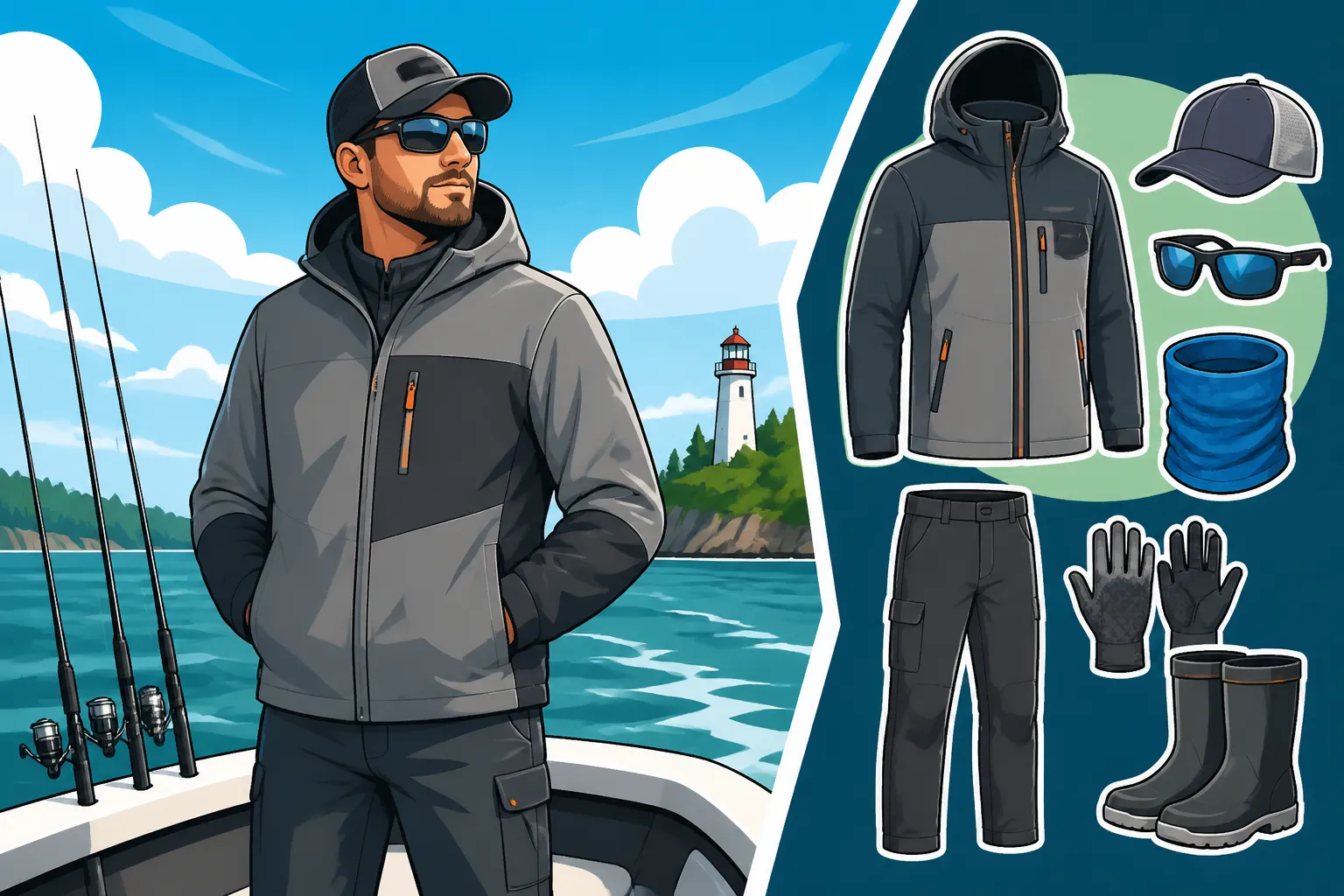
What to Wear on a Lake Erie Fishing Charter
One of the biggest anxieties when planning a fishing trip, especially to a place as dynamic as Lake Erie, is figuring out what in the world to wear. You don't want to be caught shivering when the wind picks up or baking in the sun when the clouds disappear, and nothing ruins a great day on the water faster than being uncomfortable or, worse, unprepared. This guide is here to take the guesswork out of your packing, making sure you're dressed for success and comfort on your next Ohio fishing charter.
Layering is Your Best Friend on Lake Erie
The phrase "four seasons in a day" might sound cliché, but on Lake Erie, it's often an accurate description. The vast expanse of the lake creates its own microclimates, and conditions can shift dramatically from sunrise to midday, or even from one side of the boat to the other. That chilly morning fog can burn off to blazing sun, only to be replaced by a sudden gust of wind and a chop that feels ten degrees colder. This unpredictable nature means layering isn't just a suggestion; it's practically a survival strategy for comfort.
Why Layers Matter for Comfort and Safety
Think of your clothing as a system designed to adapt. A good layering system allows you to add or remove clothing as the temperature, wind, and sun exposure change throughout your trip. Without layers, you might find yourself bundled up and sweating profusely, or stripped down and shivering uncontrollably. Both scenarios are miserable and can detract significantly from your enjoyment of the fishing experience. More than just comfort, layers also play a role in safety. Hypothermia can be a real concern if you get wet and the temperatures drop, even in seemingly mild conditions. Having a dry layer to put on, or an extra insulating piece, can make all the difference. When you're planning your trip, consider checking out resources like FishingBooker, which often include details on what captains recommend, helping you prepare even better.
Essential Base, Mid, and Outer Layers
Building your perfect Lake Erie outfit starts with these three fundamental components:
-
Base Layer: Moisture-Wicking Wonders
This is the layer closest to your skin. Its primary job is to wick moisture (sweat) away from your body, keeping you dry. If sweat stays against your skin, it cools you down quickly when the air temperature drops, making you feel much colder. Materials like synthetic fabrics (polyester, polypropylene) or merino wool are ideal here. Avoid cotton at all costs for your base layer! Cotton absorbs moisture and holds it, which means it will stay wet and make you cold. Whether it's a lightweight long-sleeve shirt or a pair of leggings under your pants, a good base layer is paramount. -
Mid Layer: The Insulators
The mid-layer's purpose is to provide warmth by trapping air. This is where you bring in your fleece jackets, heavier shirts, or even a puffy vest. Depending on the forecast and the time of year, you might have one substantial mid-layer or a couple of lighter ones for more versatility. For instance, on a cooler spring morning, you might wear a long-sleeve base layer, then a thin fleece, and finally a heavier insulated jacket. As the day warms up, you can shed the heaviest piece, then the fleece, always keeping that base layer doing its job. Think about bringing something that can pack down easily in a small bag, so it's not cumbersome on the boat. -
Outer Layer: The Shield Against the Elements
This is your protection from wind, rain, and spray. A good outer layer should be waterproof (or at least highly water-resistant) and windproof. A quality fishing jacket and matching bib pants or waders are worth their weight in gold on Lake Erie. Look for something that allows for movement – you'll be casting, reeling, and potentially battling big fish! Features like adjustable cuffs, a hood, and sealed seams are big bonuses. Even on a day with no rain in the forecast, the spray from waves or a sudden downpour can drench you quickly, making you miserable and cold. Having a reliable outer shell is non-negotiable for a comfortable Lake Erie experience. What to Bring on a Lake Erie Fishing Charter often highlights the importance of this protection.
Protecting Yourself from the Elements: Head to Toe
Beyond the core layers, specific accessories are crucial for safeguarding yourself from the relentless sun, biting wind, and potential rain or spray that can make or break your trip. Don't underestimate the power of seemingly small items to dramatically improve your comfort.
Headwear and Eye Protection are Non-Negotiables
Your head and eyes are particularly vulnerable on the open water.
- Hats for All Seasons: In warmer months, a wide-brimmed hat or a baseball cap is essential for keeping the sun off your face, ears, and neck. The sun's rays reflect off the water, intensifying exposure, so protection is key. In cooler weather, a warm beanie or a fleece-lined cap will retain body heat, preventing discomfort. Many anglers combine a baseball cap with a neck gaiter for comprehensive sun and wind protection for their face and neck.
- Polarized Sunglasses: These aren't just for looking cool. Polarized lenses drastically reduce glare from the water, allowing you to see into the water better (spotting fish or structure can be a huge advantage!) and significantly reducing eye strain. Prolonged exposure to sun glare can lead to headaches and fatigue, cutting your day short. Make sure they offer good UV protection.
Hands and Feet: Often Overlooked, Crucially Important
Cold, wet hands and feet are a fast track to misery on any fishing trip.
- Gloves for Grip and Warmth: In cooler weather, thin, waterproof fishing gloves can keep your hands warm while still allowing for dexterity for tying knots or handling fish. Some anglers prefer fingerless gloves for knot-tying and full-finger gloves for battling fish or operating equipment. Even in summer, some anglers wear light sun gloves to prevent sunburn on their hands.
- Waterproof Boots and Quality Socks: Your feet will get wet. It's almost a guarantee on a boat. Invest in comfortable, waterproof deck boots or rubber boots with good traction. They should be non-slip to prevent accidents on a wet deck. Inside those boots, wear moisture-wicking socks, again, not cotton. Wool or synthetic blends will keep your feet warm even if they get damp and prevent blisters. A thick pair of wool socks can be a game-changer on a chilly day.
Sun Protection Beyond Clothing: Don't Forget the Details
Even with excellent layered clothing, there are exposed areas that need attention.
- High-SPF Sunscreen: Apply generously and reapply throughout the day, especially to your face, neck, ears, and any exposed skin. The combination of direct sun and reflection off the water means you're getting hit from multiple angles. Don't forget the tops of your hands!
- Lip Balm with SPF: Your lips are incredibly susceptible to sunburn and windburn. A good quality lip balm with SPF will keep them protected and comfortable, preventing painful chapping.
- Neck Gaiter/Buff: These versatile pieces of fabric can be pulled up over your face to protect your neck and face from sun and wind, or pulled down as a neck warmer. They are lightweight, pack small, and offer excellent adaptable protection.
Considering the Conditions: Season and Forecast
Lake Erie fishing changes with the seasons, and so too should your wardrobe. What you wear for a spring walleye trip is going to be vastly different from a summer perch excursion. Always, always check the forecast, but be prepared for it to be wrong or for conditions to shift rapidly. Ohio Fishing Season Calendar can give you a general idea of what to expect seasonally.
Spring and Fall Considerations: Embrace the Cold
These are often prime fishing seasons on Lake Erie, but they bring some of the most challenging weather conditions. The water is often still very cold, which means any wind passing over it will feel much colder than the air temperature on land.
- Insulation is Key: You'll want heavier mid-layers and substantial outer layers that are both windproof and waterproof. Think insulated jackets and bibs, not just a shell. A pair of long underwear under your pants is a smart move.
- Warm Head and Hand Protection: A warm hat that covers your ears and good, insulated, waterproof gloves are essential. Cold hands make it impossible to tie knots or handle fish effectively.
- Rain Gear is a Must: Spring and fall often bring more precipitation, so assume you’ll encounter rain or heavy spray. A high-quality rain suit is not optional. When booking through services like FishingBooker, you might even find captains sharing tips on seasonal attire in their trip details.
Summer Days and Unexpected Weather: Don't Get Complacent
While summer might conjure images of shorts and t-shirts, Lake Erie can still throw curveballs. The mornings can be surprisingly cool, especially if you're out before dawn, and pop-up thunderstorms are always a possibility.
- Sun Protection is Paramount: Lightweight, long-sleeve shirts made of UPF-rated (Ultraviolet Protection Factor) material are ideal. They protect you from the sun's harmful rays without making you overheat. Light-colored clothing will reflect more heat.
- Bring a Lightweight Rain Jacket: Even if the forecast is clear, a sudden summer squall can drench you in minutes. A packable, lightweight rain jacket is a smart addition, along with rain pants if you have room.
- Versatile Layers: A light fleece or hoodie is perfect for cooler mornings or evenings, and easy to shed as the day heats up. Consider breathable shorts or quick-dry pants. What to Wear on a Lake Erie Fishing Charter advice often suggests embracing convertible pants for versatility.
The Importance of a Good Weather Check
Before you even leave your house, check the most up-to-date marine forecast for Lake Erie, specifically for the area your charter will be fishing. Don't just look at the general city forecast. Marine forecasts will give you critical information about wind speed and direction, wave height, and potential storms. However, remember that conditions can change quickly, so always err on the side of caution and over-prepare with layers. If you're wondering if your trip might be affected by strong winds, reading up on Does Wind Direction Matter for Lake Erie Walleye Fishing? can offer valuable insights.
Practicalities and Comfort on Deck
Beyond just battling the elements, there are practical considerations for what you wear on a fishing charter to ensure safety and comfort while you're actively fishing. The boat deck is a dynamic environment, and your clothing choices can impact your stability and overall experience.
Non-Marking Footwear and Stability
This point is more about safety and courtesy than just personal comfort.
- Non-Marking Soles: Most charter captains will specifically request "non-marking" shoes. This means the soles of your shoes shouldn't leave scuff marks on the boat's deck. Dark-soled sneakers or work boots can often leave unsightly marks that are difficult to remove. Stick to light-soled athletic shoes or dedicated deck boots.
- Good Traction: The deck can get wet and slippery from spray, fish slime, or bait. Your footwear needs excellent grip to prevent slips and falls. This is paramount for your safety on a moving boat, especially if the lake gets choppy. Avoid flip-flops, sandals, or any open-toed shoes; they offer no protection and poor stability.
What to Avoid: Cotton and Restrictive Clothing
We’ve touched on this, but it bears repeating:
- Say No to Cotton: Seriously, leave the cotton t-shirts, sweatpants, and denim jeans at home for your base and mid-layers. Cotton loses its insulating properties when wet and takes a very long time to dry, making you cold and miserable.
- Avoid Restrictive Clothing: You'll be casting, reeling, bending, and possibly fighting a feisty walleye or perch. Clothing that restricts your movement will only hinder your ability to enjoy the experience and potentially make you less effective as an angler. Opt for comfortable, athletic cuts that allow for a full range of motion.
Storage and Essentials: Keeping Your Gear Organized
While not strictly about wearing something, how you manage your additional clothing layers and personal items is part of being prepared.
- Waterproof Bag or Backpack: Bring a small, waterproof bag or backpack to stash your extra layers, sunscreen, snacks, and any personal items like medications or a camera. This keeps your gear dry and organized, preventing it from cluttering the deck or getting lost.
- Keep it Compact: Space on a charter boat can be limited, especially if there are several anglers. Choose layers that pack down easily and don't bring more than you truly need. A good captain, often found through platforms like FishingBooker, will appreciate an organized and considerate angler. Knowing What to Bring on a Lake Erie Fishing Charter will definitely help with this.
| Season | Headwear | Top Layers (Inside Out) | Bottom Layers | Footwear | Accessories |
|---|---|---|---|---|---|
| Spring | Warm beanie, baseball cap | Wool/synthetic base, heavy fleece, insulated waterproof jacket | Thermal leggings, waterproof bibs | Insulated waterproof boots | Waterproof gloves, neck gaiter, polarized sunglasses, high-SPF sunscreen |
| Summer | Wide-brimmed hat, baseball cap | Lightweight UPF long-sleeve, light hoodie/fleece, packable rain jacket | Quick-dry shorts/pants, light rain pants | Non-marking deck shoes/boots | Sun gloves, polarized sunglasses, high-SPF sunscreen, lip balm with SPF, neck gaiter |
| Fall | Warm beanie, baseball cap | Wool/synthetic base, heavy fleece, insulated waterproof jacket | Thermal leggings, waterproof bibs | Insulated waterproof boots | Waterproof gloves, neck gaiter, polarized sunglasses, high-SPF sunscreen |
Ultimately, your Lake Erie fishing charter experience will be vastly improved by being prepared for whatever Mother Nature decides to throw at you. Dressing in layers, protecting yourself from the sun and cold, and choosing practical, safe footwear are all key steps to a comfortable and memorable day on the water.
Disclaimer
This article is for general informational purposes only and does not constitute professional advice. Laws, prices and regulations vary by location and change over time. Consult a qualified professional for guidance on your specific situation.