How Ohio’s Fish Populations Change From Spring to Fall
Have you ever felt like you've got your favorite Ohio fishing spot totally dialed in during one part of the year, only to return a few months later and find it completely dead? It's a common frustration, and honestly, it can make you feel like you're losing your touch. The truth is, fish populations don't just stay put all year round; they're constantly on the move, responding to environmental cues like water temperature, food availability, and their own biological clocks. This guide is here to help you understand precisely how Ohio's fish populations shift and change from spring through fall, giving you the insights you need to stay on top of the bite no matter the season.
Spring's Surge: Awakening from Winter Slumber
When the ice finally relents and those first warm breezes hint at longer days, Ohio's waterways undergo a profound transformation. This isn't just about the scenery changing; it's a fundamental shift in the underwater world, signaling a new chapter for fish. After months of lethargy under the ice or in cold, deep waters, species begin to stir, driven by ancient instincts to feed and reproduce.
Post-Ice Thaw and Initial Movements
As the last vestiges of winter melt away, water temperatures slowly begin to climb. For anglers, this means a shift from the often static world of ice fishing to dynamic open water. Initially, fish are often sluggish, but as the water warms even slightly, their metabolism picks up, and they start to think about food. Many species, like walleye and yellow perch, will begin to stage in areas adjacent to their traditional spawning grounds, often in shallower bays or near river mouths where water warms fastest. You might find them suspended over humps or along contours, waiting for that perfect temperature window. It’s a delicate dance where patience is key, as conditions can change rapidly with a cold front or a few days of sunshine. Understanding these initial movements can be the difference between an empty livewell and a successful early-season outing.
The Spawning Rites: Priorities Shift
Once water temperatures hit their sweet spot, fish abandon their staging areas and head to their spawning grounds. This period is arguably the most significant driver of fish movement and behavior in Ohio, dictating where you'll find them and how aggressively they'll bite. Different species have different timelines, creating a fascinating progression throughout the spring.
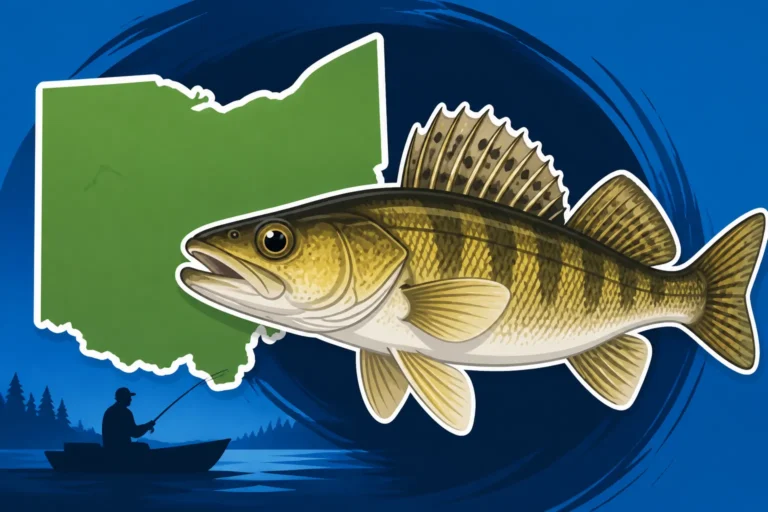
Walleye, for example, are early spawners, often making their runs up rivers like the Maumee or Sandusky right after ice-out, or congregating on rocky shoals in Lake Erie. Their focus during this intense period is entirely on reproduction, often making them less interested in feeding until after the spawn. However, male walleye might remain on the spawning grounds for a bit longer, defending nests and becoming more active.
Following the walleye, you'll see crappie moving into shallow, brushy areas, often around submerged timber or weed beds. They're looking for structure to lay their eggs, and during this time, they can be incredibly concentrated and aggressive. Bass, both largemouth and smallmouth, typically spawn a bit later in the spring, once water temperatures are consistently warmer. Largemouth will build nests in shallow, protected coves, while smallmouth prefer rocky areas in slightly deeper water or river currents. Even Ohio's steelhead, which began their journey into tributaries in the fall, will complete their spawning rituals in early spring before dropping back into Lake Erie. This staggered approach means there's almost always a species "on the move" for spawning throughout the spring months. You can learn more about Ohio Fishing Season Calendar to anticipate these movements.
Feeding Frenzy and Recovering Energy
After the physically demanding act of spawning, many fish enter a post-spawn recovery phase, characterized by a renewed and often voracious appetite. Their bodies are depleted, and they need to replenish energy reserves. This is a fantastic time to target these species, as they can be less particular about what they eat. They'll often move slightly deeper from their spawning grounds but remain close to areas with abundant baitfish.
For walleye, this might mean spreading out into open water or moving to deeper flats, actively searching for schools of emerald shiners or gizzard shad. Bass will often patrol the edges of weed lines or submerged timber, ambushing unsuspecting prey. Crappie, after finishing their spawn, might school up in slightly deeper water near structure, but they'll still be aggressive towards small jigs or live minnows. This period of intense feeding is crucial for their survival and growth throughout the warmer months ahead. Many anglers find their success rates soar during this time, often picking up a new assortment of baits from Amazon to capitalize on the fish's hunger.
Summer's Heat: Seeking Comfort and Sustenance
As spring transitions into summer, the long, hot days bring about another significant shift in Ohio's fish populations. The comfortable, warming waters of spring become intensely hot in shallow areas, forcing fish to adapt once again. This often means a retreat to deeper, cooler zones or a change in activity patterns to avoid the midday sun.
Deep Water Retreats and Thermoclines
One of the most critical factors influencing fish movement in summer is water temperature, particularly in larger lakes and reservoirs. As surface waters heat up, many species, especially cool-water fish like walleye and saugeye, will seek out deeper, cooler water. This is where the thermocline comes into play – a distinct layer in the water column where temperature changes rapidly. Below the thermocline, water is significantly cooler and often holds more oxygen, creating a comfortable habitat for fish.
You'll often find schools of walleye suspended just above or within the thermocline, especially in large bodies of water like Lake Erie or reservoirs such as Alum Creek Lake. They'll follow baitfish that also seek these cooler temperatures. For anglers, this means adjusting your Best Ohio Walleye Fishing Techniques from shallow presentations to deep trolling with planer boards, or vertical jigging over offshore structure. Even bass, while tolerant of warmer water, will often retreat to deeper humps, points, or submerged creek channels during the hottest parts of the day, only venturing shallower during low light.
Shade, Cover, and Nocturnal Activity
Not all fish have the luxury of deep water, particularly in shallower lakes, ponds, and rivers. For species like largemouth bass, bluegill, and channel catfish, finding relief from the summer sun often means seeking out heavy cover and shade. You'll find largemouth tucked under lily pads, beneath boat docks, or deep within thick weed beds during midday. These areas provide not only shade but also ambush points for prey. Crappie will also suspend in the shade of standing timber, bridge pilings, or dense brush piles.
As the sun sets and temperatures cool, many species become significantly more active, leading to fantastic night fishing opportunities. Catfish, known for their nocturnal habits, will patrol shallower flats and river bends, using their keen sense of smell to locate food. Walleye, too, often move shallow at night, feeding on baitfish that have come up from the depths. Night fishing can be incredibly productive for these species, and bringing along some glow-in-the-dark lures from Amazon can really help your presentation. If you're looking for more tips on this, check out Night Fishing Techniques in Ohio.
Adaptations to Abundant Forage
Summer is a time of abundant life, and that includes an explosion of baitfish and insect hatches. While this means plenty of food for game fish, it can also make them more selective. When bait is everywhere, fish don't have to work as hard, and they become pickier about what they'll strike. They might key in on a specific size, color, or retrieve speed that perfectly mimics the natural forage.
Anglers need to "match the hatch," paying attention to what the fish are actually eating. Are they chasing schools of tiny minnows? Then small, silvery crankbaits or soft plastics might be the ticket. Are they feeding on larger shad? Then bigger swimbaits or spoons are in order. This often requires a more subtle approach than the aggressive post-spawn bite of spring. Successfully navigating summer fishing means adapting your presentations and understanding that fish are often focused on efficient feeding rather than simply eating anything that comes their way.
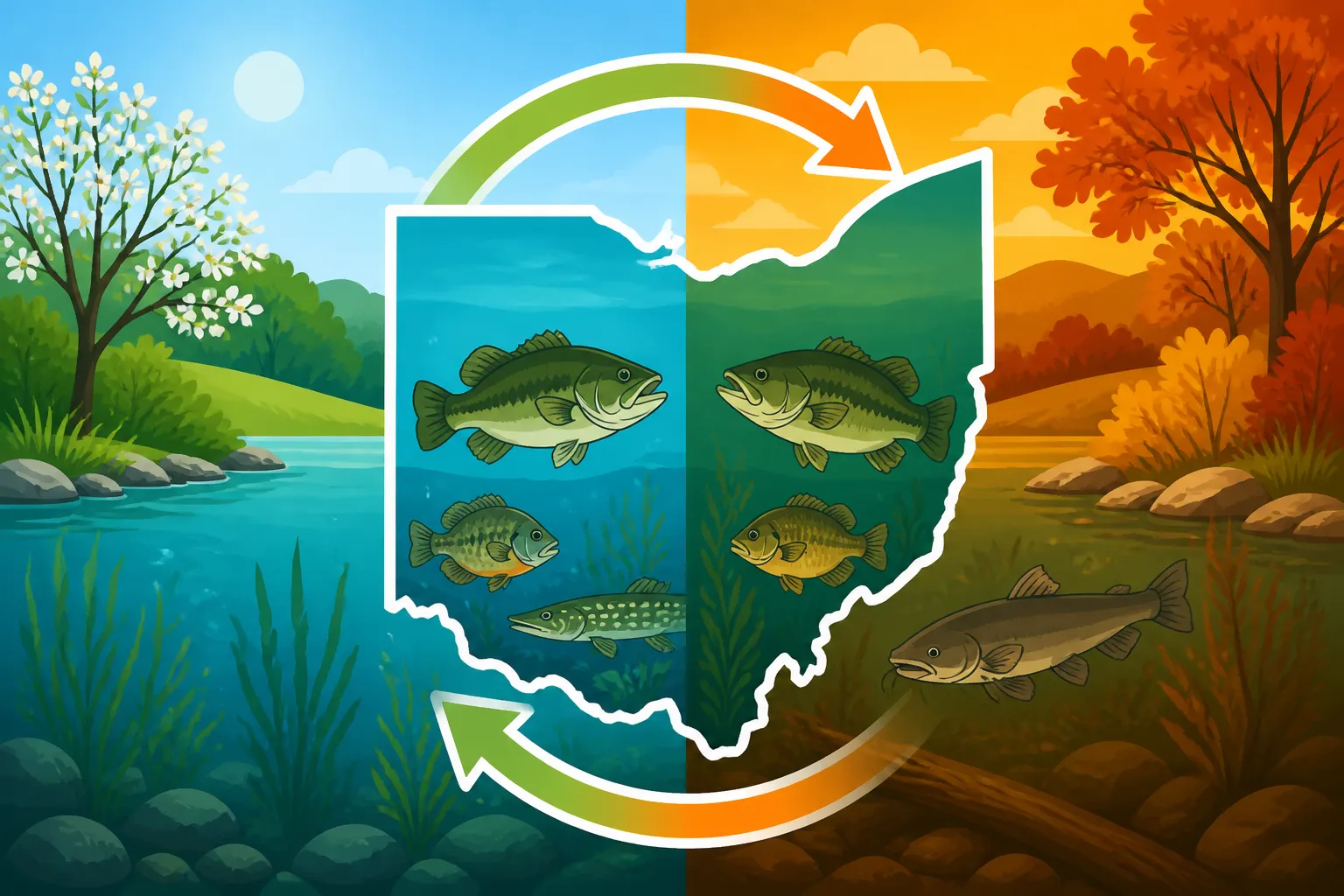
Here’s a general look at how some popular Ohio fish species adapt from spring to fall:
| Fish Species | Spring Movement & Behavior | Summer Movement & Behavior | Fall Movement & Behavior |
|---|---|---|---|
| Walleye | Spawn in rivers/shoals (Mar-Apr); post-spawn shallow bite. | Retreat to deep, cool water, thermocline, offshore structures. | Return to shallower feeding flats; aggressive pre-winter feeding. |
| Yellow Perch | Stage in shallow bays; spawn over weeds/brush (Apr-May). | Found deep over mud flats, near structure, follow bait schools. | Move to deeper breaks, school tightly, feed heavily. |
| Largemouth Bass | Spawn in shallow, protected coves (May-June); nest guarding. | Seek heavy cover, shade, docks, weed beds; active at dawn/dusk. | Ambush prey along weed lines, deeper points; aggressive feeding. |
| Smallmouth Bass | Spawn on rocky shoals, river currents (May-June). | Deeper rocky structures, current breaks, offshore humps. | Move to rocky points, humps; chase bait; highly active. |
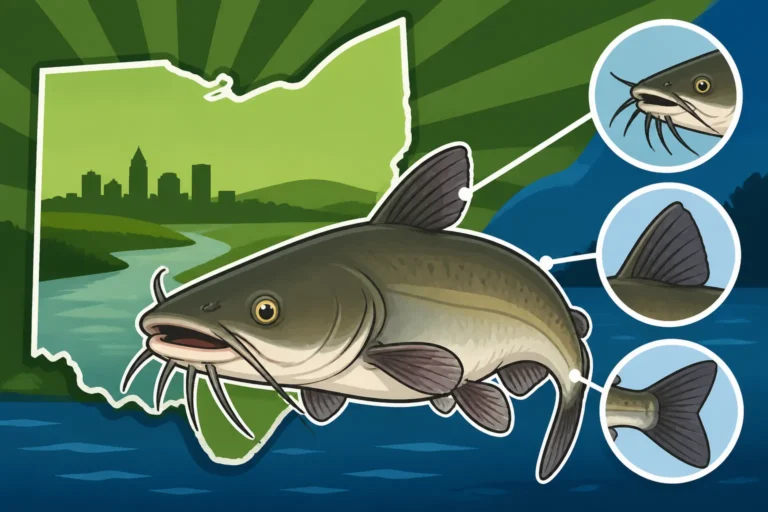
| Channel Catfish | Move into shallower, warmer water; spawn in cavities (May-July). | Active day/night in deeper holes, channels; use scent for feeding. | Concentrate in deeper holes, feed on dying baitfish; good night bite. |
| Crappie | Move shallow for spawn near brush, timber (Apr-May). | Suspend near submerged structure, bridge pilings in deeper water. | School up tightly, move to deeper brush piles and drop-offs. |
| Steelhead Trout | Complete spawn in tributaries (Mar-Apr); drop back to Lake Erie. | Dispersed in Lake Erie, feeding on alewives/smelt in open water. | Begin staging in Lake Erie, enter tributaries for fall runs (Oct-Dec). |
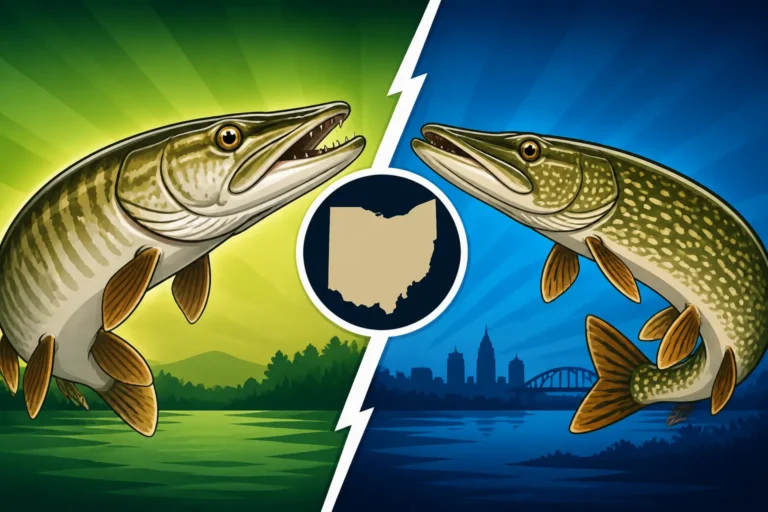
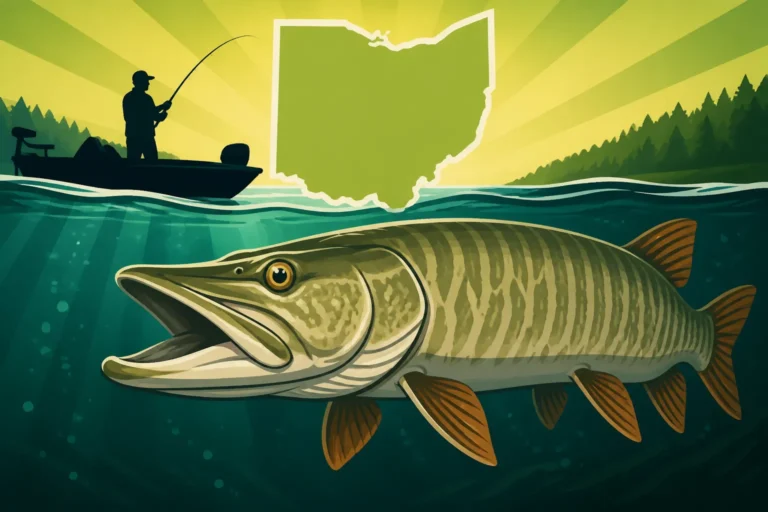
| Muskie | Spawn in shallow, vegetated areas (Apr-May); post-spawn activity. | Relate to open water baitfish, deep weed edges, main lake points. | Aggressively feed on large baitfish, relate to structure/breaks. |
Autumn's Chill: The Pre-Winter Feast
As the calendar pages turn from summer to fall, Ohio experiences some of its most beautiful scenery – and some of its best fishing. The shortening days and cooling temperatures ignite a final, frantic feeding period for many fish species as they prepare for the lean months of winter. This is often when trophy fish are caught, as they throw caution to the wind in their quest for calories.
Cooling Waters and Renewed Vigor
The most significant change in fall is the gradual, but steady, drop in water temperature. In many Ohio lakes, this leads to a phenomenon called "turnover," where the cooler surface water sinks, mixing with the deeper, warmer water. This process redistributes oxygen throughout the lake and essentially "resets" the aquatic environment. For fish that were pushed deep by summer heat, these cooling waters are a welcome relief, bringing them back to areas they haven't frequented in months. Their metabolism, which slowed during the dog days of summer, kicks back into high gear, making them more active and aggressive.
This renewed vigor makes fall an exciting time to be on the water. Fish like walleye and smallmouth bass, which might have been lethargic in summer's heat, now patrol shallower structures and points with purpose. The cooler water also means they can chase prey for longer periods without tiring, leading to powerful strikes and memorable fights. This is a prime time for anglers to get out and experience some fantastic fishing, often with fewer crowds than in summer.
Predator-Prey Dynamics in Fall
Fall fishing in Ohio is largely defined by intense predator-prey interactions. As baitfish begin to school up, preparing for winter, game fish like walleye, muskie, and bass follow them relentlessly. It's a race against time for these predators to pack on as much weight as possible before winter slows them down. This often means very active, visual fishing. You might see schools of baitfish flickering on your fish finder, with larger predatory fish lurking just below or to the sides, waiting for an opportunity.
For example, walleye will often concentrate on main lake points, breaks, and flats where baitfish are abundant. Trolling or casting crankbaits that mimic these baitfish can be incredibly effective. Muskie, known for their elusive nature, become significantly more aggressive in the fall, chasing larger baits in preparation for winter. This is a prime season for targeting true trophy muskie on lakes like Alum Creek or Piedmont. You can find more specific guidance on Ohio Muskie Fishing Guide. Additionally, the fall marks the strong return of steelhead to Ohio's Lake Erie tributaries, as they begin their journey upstream, staging in the deeper pools and runs, providing exceptional fishing opportunities for those willing to brave the colder weather.
Changing Locations and Patterns
While fish become more active in the fall, their exact locations can still be a puzzle to solve. Instead of being tightly confined to deep summer retreats, they might be more spread out, following schools of baitfish that could be anywhere from shallow flats to open water. This requires anglers to be adaptable and willing to cover water.
Many species that sought deep cover in summer will now move back towards shallower, rockier areas or the edges of weed beds as the cooler water allows them to tolerate these zones again. However, their patterns can still be temperature-dependent. A sudden cold snap might push them a bit deeper, while a few days of sunshine could bring them back up. Keep an eye on water temperatures and look for transition areas – where shallow water drops off into deeper troughs, or where hard bottom meets soft bottom. These are often highways for migrating baitfish and cruising predators.
Ultimately, understanding how fish populations shift from spring to fall is about more than just knowing where to cast. It's about respecting the natural rhythms of Ohio's waterways and adapting your approach to match the instincts of the fish you're pursuing. Whether you're chasing spawning walleye in spring, deep-water bass in summer, or aggressive muskie in fall, being observant and flexible will make all the difference in your success. You can also explore Best Fall Fishing Techniques in Ohio for more detailed strategies.
Disclaimer
This article is for general informational purposes only and does not constitute professional advice. Laws, prices and regulations vary by location and change over time. Consult a qualified professional for guidance on your specific situation.