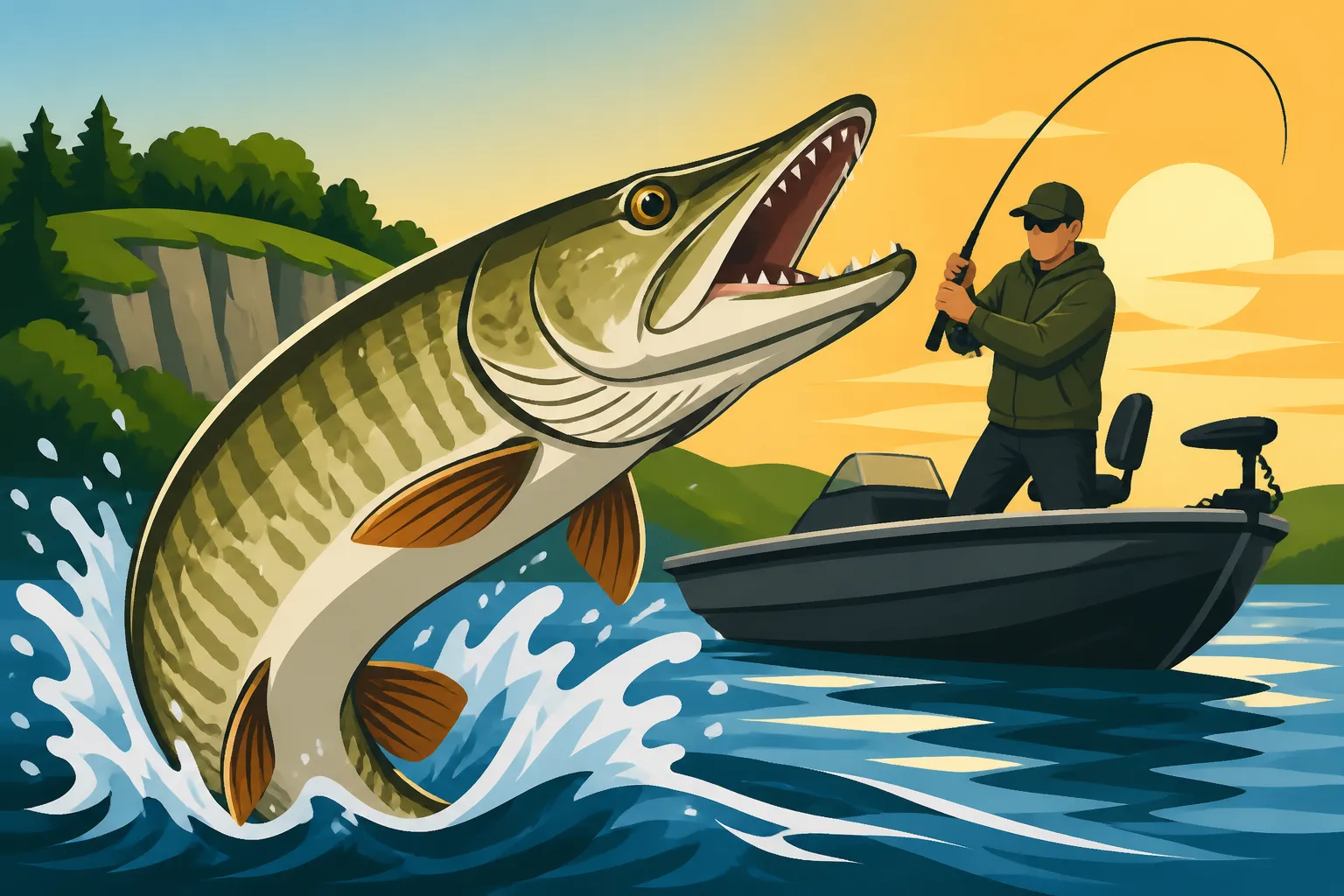
Ohio Muskie Fishing Guide Services
For many anglers, the idea of chasing Ohio's elusive muskie feels like a daunting, almost impossible quest. These powerful, toothy predators earned their nickname, "the fish of 10,000 casts," for a reason, leaving countless anglers frustrated and empty-handed. But what if you could significantly increase your odds and learn from someone who lives and breathes muskie fishing? This comprehensive guide will walk you through everything you need to know about Ohio muskie fishing guide services, helping you understand their value, what to look for, and how to prepare for an unforgettable adventure.
Why a Muskie Guide is a Game Changer for Ohio Anglers
Chasing muskie isn't like casting for panfish; it's an intense, specialized pursuit that demands patience, knowledge, and the right techniques. For many, hiring a dedicated muskie guide isn't just a luxury; it's often the most efficient and rewarding way to pursue these apex predators in Ohio's diverse waterways. They bring a level of expertise and localized insight that can shave years off your learning curve.
The Elusive Nature of Muskie
Muskie are notorious for their finicky behavior. One day they might be aggressive, crushing anything that moves, and the next they seem to vanish without a trace, ignoring every presentation. They are solitary creatures for the most part, holding tight to specific structures or patrolling certain depth contours, often in vast bodies of water. Finding them is the first challenge, and then convincing them to strike is another battle entirely. Factors like water temperature, barometric pressure, forage base, and even moon phase can dictate their activity levels. A muskie guide has spent countless hours on the water, meticulously tracking these patterns and understanding the nuances of how each factor influences muskie behavior in specific Ohio lakes and reservoirs. They know the subtle clues that tell them where a fish might be hiding and what mood it's in.
Imagine spending a full day casting massive baits, only to realize you've been in the wrong part of the lake all along, or using the wrong retrieve speed. That's a common frustration for self-guided muskie anglers. A guide minimizes this wasted effort by putting you in productive water with the right approach from the start.
Learning from the Pros
One of the biggest benefits of a guided muskie trip is the invaluable education you receive. A good guide doesn't just put you on fish; they teach you how they found those fish and why a particular technique is working. They'll explain the intricacies of casting oversized lures, the importance of the "figure-eight" boat-side maneuver, and how to read your electronics to identify potential muskie holding structure or baitfish schools. You'll learn about specific bait choices, retrieve speeds, seasonal movements, and subtle changes in weather patterns that trigger muskie activity.
This isn't just about catching fish for a day; it's about gaining knowledge that you can apply to your own muskie pursuits for years to come. Think of it as a masterclass in muskie fishing, where every cast, every retrieve, and every conversation is an opportunity to deepen your understanding. They'll share stories, tips, and personal observations that aren't found in books or online forums, offering a truly unique perspective into the mind of a muskie. You'll grasp Ohio Muskie Fishing Guide best practices much faster with an expert by your side.
Maximizing Your Chances
Muskie fishing requires specialized, heavy-duty gear that can be a significant investment. From powerful rods and reels to expensive, often custom-made lures, assembling a complete muskie arsenal can be prohibitive for many anglers. When you hire a guide, all that high-end equipment is provided. This means you don't have to worry about whether your gear can handle a forty-pound muskie or if your lures are the right size and color for the conditions.
Guides also operate high-performance boats specifically rigged for muskie fishing, complete with advanced electronics like side-imaging sonar and GPS mapping, which are crucial for locating structure and navigating large bodies of water efficiently. Their experience drastically reduces the time spent searching and maximizes your actual fishing time in prime locations. This combination of top-tier gear, specialized boats, and intimate knowledge of the water translates directly into a higher probability of encountering and landing one of Ohio's magnificent muskie. It's about giving yourself the best possible shot at the fish of a lifetime, especially when you consider Ohio Muskie Minimum Length Limit on Inland Lakes and the sheer power these fish possess.
What to Look for in an Ohio Muskie Guide
Choosing the right muskie guide is paramount to a successful and enjoyable trip. It's not just about who can put you on fish, but also about finding someone whose expertise, professionalism, and personality align with your expectations for the day. A great guide becomes an instructor, a conversationalist, and a partner in your angling adventure.
Experience and Local Knowledge
The first thing you want in a muskie guide is deep, unwavering experience with the specific waters you plan to fish. Muskie behavior can vary significantly from one lake to another, even within the same region. A guide who has spent decades learning the nuances of Leesville Lake, for example, will understand its unique forage base, seasonal muskie movements, and prime ambush points better than someone who primarily fishes West Branch Reservoir. Look for guides who specialize in muskie fishing in Ohio, rather than those who offer a broad range of species.
Ask about their tenure on the water, their catch rates (though remember, muskie fishing is never a guarantee!), and their approach to different weather and water conditions. A truly experienced guide won't just tell you where to cast, but why that spot is productive and how it changes throughout the season. Their local knowledge extends beyond simply mapping depths; it encompasses current baitfish patterns, recent stocking efforts, and even subtle changes in water clarity that might impact muskie behavior. It's their accumulated wisdom that makes them invaluable.
Boat, Gear, and Safety
A reputable muskie guide will operate a well-maintained, purpose-built boat designed for muskie fishing. These are typically large, stable vessels with ample casting platforms, powerful trolling motors, and state-of-the-art electronics. Don't be shy about inquiring about the type of boat they run and what safety features are onboard. This includes life jackets (which they should provide), first-aid kits, and communication devices.
Beyond the boat, the quality and condition of their fishing gear are critical. Muskie rods, reels, and lures are expensive and subjected to extreme stress. A good guide will provide high-quality, properly maintained equipment, including a range of lures suitable for various conditions and depths. They should also have a large, muskie-specific landing net and proper tools for handling these toothy predators safely, minimizing stress on the fish and ensuring a clean release. Everything from the sharpness of the hooks to the integrity of the line should be top-notch.
Communication and Personality
Muskie trips can be long, often requiring many hours of casting without a strike. The guide's personality and communication style can make or break the experience. You want someone who is patient, encouraging, and passionate about teaching, not just catching. They should be willing to explain techniques, answer questions, and engage in conversation throughout the day. A guide who is quiet or dismissive can make a long day feel even longer.
Before booking, consider reaching out to the guide directly. A brief phone call can give you a feel for their personality and whether you'll gel with them on the water. Do they sound enthusiastic? Are they transparent about their rates and what's included? Do they seem genuinely interested in helping you learn? Websites like FishingBooker often feature client reviews that can offer insights into a guide's communication style and overall demeanor, helping you find someone who is a good fit for your style of trip, whether you're a seasoned muskie hunter or new to the sport. The best guides are not just fishing experts, but also excellent communicators and motivators.
Understanding Ohio's Top Muskie Waters
Ohio is surprisingly rich in muskie fisheries, boasting several lakes and reservoirs that consistently produce trophy-sized fish. Each body of water has its own unique characteristics, challenges, and peak seasons. Understanding these differences is key when choosing a guide service, as many guides specialize in one or two particular lakes.
Leesville Lake: The Muskie Mecca
When most Ohio anglers think of muskie, Leesville Lake often comes to mind first. Located in Carroll County, Leesville has a long-standing reputation as one of Ohio's premier muskie destinations. It's a relatively smaller lake, around 1,000 acres, but its fertile waters and abundant forage consistently grow large, healthy muskie. The lake's deep channels, extensive weed beds, and submerged timber offer ideal habitat for these ambush predators. Leesville is especially known for producing consistent numbers of upper 40-inch fish, with 50-inch giants being a real possibility.
Guides who operate on Leesville are intimately familiar with its every cove, point, and contour. They know the seasonal movements of muskie from shallow spring haunts to deeper summer structures and aggressive fall patterns. Due to its size, Leesville can feel less overwhelming than some of the larger reservoirs, making it an excellent choice for anglers looking for a focused muskie experience. A guide here can teach you the subtle art of picking apart specific structures that hold fish. Leesville is where many guides gain their foundational experience in Ohio Muskie Fishing Guide.
West Branch and Alum Creek: Big Fish Potential
Moving to larger reservoirs, West Branch Reservoir in Portage County and Alum Creek Lake north of Columbus offer different, but equally exciting, muskie opportunities. These are much larger bodies of water, presenting more challenges in terms of covering ground and locating fish, but they also hold the potential for truly massive muskie. West Branch is a sprawling lake with a diverse fishery, including excellent bass and walleye populations, which contribute to a robust forage base for its muskie. Its numerous coves, submerged humps, and standing timber make it a complex but rewarding lake to fish.
Alum Creek Lake is another fantastic muskie water, particularly known for its strong saugeye population which serves as prime muskie food. Alum Creek Lake Muskie Fishing Tips often involve targeting the edges of creek channels and deeper drop-offs where muskie ambush their prey. Both West Branch and Alum Creek demand a guide with a keen understanding of vast areas, utilizing advanced electronics to pinpoint isolated structure and subtle depth changes that might hold a monster muskie. A guide can dramatically cut down on the unproductive searching time across these expansive waters, focusing on the most promising areas.
Other Notable Muskie Lakes
While Leesville, West Branch, and Alum Creek often get the spotlight, Ohio has several other excellent muskie fisheries where guides operate. Piedmont Lake in Belmont County is a well-regarded muskie lake, known for its clear water and productive deep areas. It's another lake where a guide's expertise in reading electronics and understanding deep-water muskie patterns is invaluable. Piedmont Lake Muskie Fishing Guide services are crucial for navigating its depths effectively.
Clear Fork Reservoir near Mansfield is also a consistent producer, offering diverse habitat from shallow weed flats to deeper rock piles. The Muskingum River also holds a good population of muskie, offering a different riverine challenge. Each of these lakes has its own character, and a specialized guide will have the intimate knowledge required to successfully target muskie there. When looking for a guide on FishingBooker, you can often filter by the specific water bodies they serve, ensuring they have the expertise for your chosen destination. Exploring these other lakes with a guide can reveal hidden gems and new favorite fishing spots.
The Muskie Fishing Experience: What to Expect
Embarking on a guided muskie trip in Ohio is an adventure, often starting before dawn and lasting a full day. It's physically demanding but incredibly rewarding. Understanding what a typical day entails and the ethical considerations involved will help you set realistic expectations and make the most of your time on the water.
Gear Provided by Guides
One of the primary advantages of hiring a muskie guide is the high-quality gear they provide. You won't need to worry about investing in specialized heavy-action rods, baitcasting reels spooled with heavy braided line, or a tackle box full of expensive muskie lures. Your guide will have a comprehensive selection of rods and reels suitable for various techniques, from casting large crankbaits and bucktails to working jerkbaits and glide baits. They'll know which colors and sizes are currently performing best based on recent conditions and fish patterns.
Beyond the fishing tackle, guides will also provide a fully equipped boat. This includes a powerful outboard motor for quick runs between spots, a quiet trolling motor for stealthy presentations, and advanced fish finders with GPS capabilities. Life jackets are always provided, and many guides also have onboard coolers for your drinks and snacks. While the guide supplies the essential gear, you'll still want to bring personal items like appropriate clothing, polarized sunglasses, and sunscreen. This ensures you're comfortable and protected throughout the day, allowing you to focus purely on the fishing.
Fishing Techniques and Strategies
A guided muskie trip is a masterclass in various techniques. You'll likely spend a significant amount of time casting and retrieving large lures, often with specialized rod actions and specific retrieve speeds. Your guide will demonstrate and coach you on proper casting form to handle heavy baits, how to work different lure types to maximize their action, and the critical importance of the "figure-eight" maneuver at the boat side. This technique, where you make a large "8" pattern with your lure next to the boat before lifting it out of the water, often triggers follows into strikes from wary muskie.
Beyond casting, guides might also employ trolling strategies, especially on larger lakes, using planer boards or downriggers to present lures at specific depths over expansive areas. They'll teach you how to read the water, identify potential ambush points like weed edges, rock piles, or submerged timber, and adapt your presentation based on muskie behavior observed on the sonar. They might also discuss different types of retrieves, from burning a bucktail to slow-rolling a jig, and how weather changes impact what works. It's a dynamic approach, constantly adjusting to what the fish are telling you. Best Ohio Muskie Fishing Techniques are constantly being refined by experienced guides.
The Catch and Release Ethic
Muskie are revered among anglers, and their conservation is a top priority for most guides. The vast majority of guided muskie trips are strictly catch-and-release. Guides are experts in handling these large, powerful fish safely and efficiently to minimize stress and ensure their survival after release. They'll use large, knotless landing nets, specialized hook removers, and often keep fish in the water for photos, only briefly lifting them for a quick shot.
You'll learn proper handling techniques, such as supporting the fish horizontally, avoiding contact with its gills, and quickly returning it to the water, sometimes even holding it gently to help it regain its strength before swimming off. This ethical approach ensures that these incredible fish can continue to grow and provide thrilling battles for future generations. Understanding and respecting the catch-and-release ethic is a fundamental part of a guided muskie trip and contributes to the long-term health of Ohio's muskie fisheries. Your guide will emphasize How to Handle and Release an Ohio Muskie and the importance of quick, clean releases.
Cost and Booking Considerations for Muskie Guides
Investing in a muskie guide service is a significant decision, and understanding the financial aspects and booking process can help you plan your trip effectively. While costs can vary, remember that you're paying for expertise, specialized gear, and a highly focused experience.
Factors Influencing Guide Trip Cost
The cost of an Ohio muskie guide trip isn't a single, fixed number; it varies based on several key factors. The primary considerations typically include the duration of the trip (half-day versus full-day), the number of anglers, and the reputation and demand for the specific guide. Full-day trips, naturally, cost more than half-day excursions, offering more time on the water and a greater chance to connect with fish. While some guides might offer slightly reduced rates for solo anglers, many trips are priced for 1-2 people, with an additional fee for a third angler, as muskie fishing from a boat can get crowded with more than two casting.
Beyond the basic trip fee, other factors can influence the total cost. Some guides might include a fuel surcharge, especially if they have to travel a considerable distance to reach specific fishing grounds on larger lakes. Others might have package deals that include accommodations or multi-day discounts. It's crucial to clarify exactly what is included in the stated price—does it cover bait, tackle, snacks, or is it strictly for the guide's time and boat? Always get a clear breakdown before you book. Websites like FishingBooker often provide detailed pricing structures, helping you compare different Ohio Muskie Guide Trip Cost options and what's included.
Booking Your Trip
Booking a muskie guide trip in Ohio typically requires advanced planning, especially if you're targeting peak seasons like spring or fall, or specific weekends. Muskie guides are often booked solid months in advance, so it's wise to secure your date well ahead of time. Most guides require a deposit to confirm your reservation, with the balance due on the day of the trip.
When booking, be sure to inquire about their cancellation policy. What happens if weather conditions make fishing unsafe or unproductive? Most reputable guides will offer to reschedule your trip or refund your deposit in such circumstances. However, if you cancel last minute without a valid reason, you might forfeit your deposit. It’s important to have clear communication regarding these policies upfront. Using online platforms like FishingBooker can streamline the booking process, allowing you to view available dates, compare guides, and often book directly through the site. This platform also offers a layer of protection with defined booking and cancellation terms.
Tipping Your Guide
Tipping your muskie guide is customary and highly recommended, much like tipping in the service industry. These guides work incredibly hard—from preparing the boat and gear, putting in long hours on the water, to cleaning up afterward—and a significant portion of their income often comes from gratuities. A general guideline for tipping is 15-20% of the total trip cost, assuming you had a positive experience.
However, the amount you tip should reflect your satisfaction with their service. Did they work tirelessly to put you on fish? Were they patient and educational? Did they handle the fish ethically? If you had a fantastic day, consider tipping at the higher end of the scale. Even if the fish weren't biting (which happens in muskie fishing!), a guide who worked hard, stayed positive, and taught you a lot still deserves a fair tip. It's a way to show your appreciation for their effort, expertise, and dedication to providing a memorable experience, regardless of the final count of fish in the net. Many guides rely on these tips to support their passion and profession.
| Muskie Lake | Primary Characteristics | Typical Guide Focus | Best Time to Go |
|---|---|---|---|
| Leesville Lake | Abundant forage, smaller size, clear water, consistent numbers | Structure fishing, weed lines, figure-eight technique | Spring (spawn recovery), Fall (feeding frenzy) |
| West Branch | Large, diverse habitat, open water, big fish potential | Trolling, wide area search, advanced electronics | Late Spring, Summer (deep water), Fall (pre-turnover) |
| Alum Creek Lake | Large, strong forage base (saugeye), deep channels, diverse structure | Channel edges, deep humps, jigging, power casting | Summer (thermocline), Fall (active feeding) |
| Piedmont Lake | Clear water, deep structure, often requires specific deep-water tactics | Deep trolling, slow presentations, precise electronics | Summer, early Fall |
| Clear Fork | Variety of habitat, shallow weeds to deep rock | Diverse techniques, adapting to conditions | Spring, Summer, Fall |
Preparing for Your Guided Muskie Trip
While your muskie guide will handle most of the heavy lifting in terms of gear and finding fish, there are still crucial steps you need to take to ensure you're ready for the day. Proper preparation not only enhances your comfort but also contributes to a smoother, more focused fishing experience.
Essential Personal Gear
Muskie fishing trips are long days on the water, exposed to the elements. Packing appropriate personal gear is vital. Start with layered clothing, as temperatures can change dramatically from early morning to afternoon, especially on larger bodies of water. Even in summer, a light rain jacket or windbreaker is a good idea. Waterproof footwear is also highly recommended.
Sun protection is non-negotiable. Bring a wide-brimmed hat, sunglasses (polarized lenses are a huge advantage for spotting fish and structure), and high SPF sunscreen. Hydration is also key; pack plenty of water and any non-alcoholic beverages you prefer, along with snacks to keep your energy up throughout the day. Don't forget any personal medications you might need. While guides often have some basics, it's always best to be self-sufficient. A small, waterproof bag for your phone, wallet, and keys is also a good idea.
Licensing and Regulations
Before you even think about stepping onto a guide's boat, you absolutely must have a valid Ohio fishing license. There are no exceptions for guided trips; every angler on board needs their own license. You can purchase these online through the Ohio Department of Natural Resources (ODNR) website, or at authorized license vendors across the state. It's generally quick and easy to buy an Ohio Fishing License Online, and you can usually print a temporary copy to carry with you.
Beyond the license, it's a good idea to familiarize yourself with basic Ohio Fishing Regulations Every Angler Should Know, particularly those pertaining to muskie, even though your guide will be well-versed in them. This includes Ohio Muskie Size and Bag Limits and any specific rules for the lake you'll be fishing. While your guide is responsible for ensuring the boat adheres to all regulations, being informed yourself shows respect for the resource and the guide's efforts. Always double-check the current regulations before your trip, as they can sometimes change annually.
Physical and Mental Preparation
Muskie fishing is not a passive activity; it can be physically demanding. You'll be making hundreds, if not thousands, of casts with heavy baits, often for 8-10 hours. This requires a certain level of physical stamina. If you're not accustomed to this type of repetitive motion, consider doing some light stretching or arm exercises in the days leading up to your trip.
Mentally, muskie fishing requires immense patience and perseverance. These fish are called "the fish of 10,000 casts" for a reason. There will be long stretches without a bite, and it's easy to get discouraged. Go into the trip with a positive attitude, focusing on the experience, the learning, and the pursuit, rather than solely on the catch. Celebrate every follow, every flash, and every small victory. Your guide will work tirelessly, but they can't make the fish bite. A good mental game will ensure you enjoy the entire process, making the eventual hook-up even more exhilarating. This pursuit is as much about the journey as it is about the destination.
Beyond the Hook: The Educational Value
While the thrill of hooking a massive muskie is undoubtedly the highlight of any guided trip, the experience offers so much more than just a potential trophy fish. A truly great guide imparts knowledge that extends far beyond the day on the water, shaping you into a more skilled and responsible angler.
Developing Your Muskie Skills
A guided trip is an accelerated learning environment. You'll get hands-on instruction in advanced casting techniques, learning how to accurately place large lures in tight cover or make long, powerful casts to cover expansive water. Your guide will teach you the nuances of different lure presentations—how to make a jerkbait dance, how to burn a bucktail, or how to properly work a glide bait to entice a strike. This isn't just theory; it's practical, real-time coaching that helps you refine your mechanics and intuition.
You'll also develop a better understanding of retrieve speeds, pauses, and the critical figure-eight maneuver at the boat. The immediate feedback from an expert can correct bad habits and instill good ones, making you a more efficient and effective caster. These skills are transferable, too; improving your heavy tackle casting and retrieve control will benefit your pursuit of other large predatory fish. It's an investment in your personal angling growth.
Understanding Muskie Behavior
One of the most profound takeaways from a guided muskie trip is the deeper insight you gain into the behavior of these enigmatic fish. Guides spend thousands of hours observing muskie, understanding their seasonal patterns, their preferred habitats, and how they react to different weather conditions and forage availability. They'll explain why muskie might be holding in a specific depth, relating to a certain type of structure, or favoring a particular color bait on a given day.
You'll learn about their feeding windows, their ambush tactics, and how their mood can shift from aggressive to totally shut down. This education transcends simply knowing where to fish; it helps you understand why and when they are there. This knowledge allows you to read the water more effectively on your own future trips, making more informed decisions about where to cast and what techniques to employ. It's about developing a muskie angler's intuition, a critical component for consistent success. This deep dive into their habits is vital for truly understanding When Muskie Fishing Peaks in Ohio.
Conservation and Responsible Angling
Perhaps the most enduring lesson from a reputable muskie guide is the importance of conservation and responsible angling practices. Muskie populations, while robust in Ohio's top fisheries, are fragile, and every fish is a valuable asset. Guides are passionate advocates for catch-and-release, demonstrating best practices for handling these large, toothy fish to ensure their survival. You'll learn the proper way to net a muskie, how to safely remove hooks using specialized tools, and how to revive and release a fish with minimal stress.
They'll often emphasize the value of each fish, talking about the time it takes for a muskie to grow to trophy size and the importance of allowing them to spawn and contribute to future generations. This focus instills a deep respect for the resource, encouraging you to become a steward of the fishery yourself. The educational value of a guided trip extends far beyond personal achievement; it cultivates an appreciation for the ecosystem and a commitment to protecting these magnificent creatures for all anglers.
Common Misconceptions About Muskie Guiding
For many anglers, the idea of hiring a muskie guide can come with a few preconceived notions that might deter them. Let's tackle some of these common myths head-on, because understanding the reality can open up incredible opportunities.
The "Guaranteed Fish" Myth
One of the most widespread misconceptions about hiring any fishing guide, especially for muskie, is the expectation of a "guaranteed catch." The truth is, there are no guarantees in fishing, particularly when it comes to the notoriously challenging muskie. Even the most experienced guides, with decades of local knowledge and top-tier equipment, can have slow days. Muskie are wild animals, influenced by countless environmental factors that are beyond human control.
A guide's job isn't to guarantee a fish; it's to maximize your chances by putting you in the most productive water, using the most effective techniques, and teaching you how to fish effectively. They provide the expertise and tools to give you the best possible opportunity to catch a muskie. So, while you might hear stories of incredible catch rates, always temper your expectations. Go into the trip with an open mind, ready to learn, and appreciate the pursuit itself. If a guide ever promises a catch, be wary; it's an unrealistic claim in the world of muskie fishing.
Expense vs. Value
Another common hurdle for anglers considering a guide is the perceived high cost. Indeed, a full-day muskie trip can be a significant investment. However, it's essential to weigh this expense against the immense value you receive. Consider what you get for your money: access to a fully rigged, specialized muskie boat; use of high-end, expensive rods, reels, and a vast array of muskie lures; years of accumulated local knowledge and expertise; personalized instruction; and safety on the water.
If you were to buy all that equipment yourself, the cost would far exceed a single guided trip, likely multiple trips. Moreover, the value of learning from an expert can save you years of trial and error, not to mention countless hours of unproductive fishing. For anglers looking to get serious about muskie, or simply wanting to experience the thrill without the significant upfront investment in gear, a guided trip offers incredible value. It's often more about the educational experience and efficient pursuit of a challenging fish than just the raw number of fish caught. When comparing guides on platforms like FishingBooker, consider the value proposition beyond just the dollar amount.
Intimidation Factor
Some anglers, particularly those new to muskie fishing or even fishing in general, might feel intimidated by the idea of spending a full day with an expert guide. They might worry about holding up the guide, not knowing enough, or feeling pressured to perform. Let me assure you, reputable muskie guides are generally patient, encouraging teachers who love sharing their passion. They understand that not everyone is an expert, and they genuinely enjoy seeing anglers learn and succeed.
A good guide will tailor their instruction to your skill level, whether you're a seasoned angler looking to fine-tune your technique or a complete novice needing to learn the basics of casting. They are there to make your experience enjoyable and educational, not to judge your abilities. Don't let perceived intimidation stop you from booking a trip. Communicate your experience level honestly when you book, and choose a guide whose personality seems welcoming. Remember, everyone started somewhere, and a guided trip is one of the best ways to overcome the initial learning curve in the exciting world of Ohio muskie fishing.
Disclaimer
This article is for general informational purposes only and does not constitute professional advice. Laws, prices and regulations vary by location and change over time. Consult a qualified professional for guidance on your specific situation.