Best Way to Handle and Release an Ohio Muskie
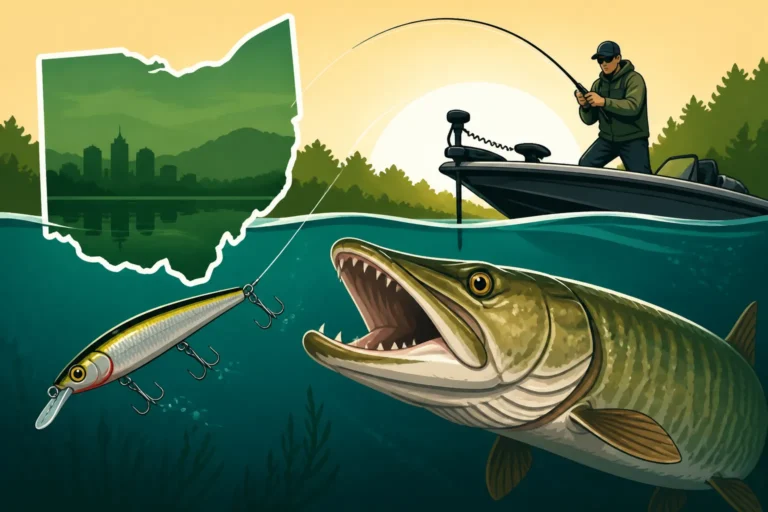
Catching a magnificent muskie in Ohio waters is an exhilarating experience, often considered the pinnacle for many freshwater anglers. However, the sheer size, power, and sharp teeth of these apex predators can make handling them a daunting task, especially when your primary goal is to ensure their healthy release. This guide is dedicated to equipping you with the best practices for safely handling and releasing an Ohio muskie, minimizing stress on the fish and increasing its chances of survival, so both you and the mighty muskie can thrive.
Why Proper Muskie Release is Paramount
Muskellunge, or muskie as they're affectionately known, are truly special fish. They grow to incredible sizes, are notoriously challenging to catch, and represent a crucial part of Ohio's aquatic ecosystem. Because of their slow growth rate and relatively low population density compared to other sport fish, every muskie is a valuable asset to the fishery. Improper handling can lead to delayed mortality, even if the fish swims away seemingly fine. This is why understanding and practicing responsible catch-and-release techniques is not just good practice, but an essential responsibility for every muskie angler.
The Value of a Released Muskie
Think of a muskie as a living trophy. Unlike a fish you might keep for the dinner table, a muskie's value lies in its continued presence in the water. Each successfully released muskie contributes to the future of the species. A large, mature female muskie can lay tens of thousands of eggs, ensuring future generations of these incredible fish. When we handle them carelessly, we're not just potentially harming one fish; we're impacting the entire population dynamics of that particular water body. Many dedicated muskie anglers are passionate about preserving these fish, understanding that their sport depends entirely on robust, healthy muskie populations. It's a long-term investment in the thrill of the chase.
Understanding Muskie Vulnerability Post-Catch
While muskie are incredibly tough creatures, the fight, the air exposure, and physical contact can be immensely stressful. When you battle a large muskie, lactic acid builds up in its muscles, similar to how it would in a human athlete after an intense sprint. This physiological stress can weaken the fish, making it more susceptible to disease, predation, and even preventing it from recovering properly to hunt again. Furthermore, their protective slime coat, which guards against parasites and bacteria, can be easily rubbed off by rough handling or contact with dry surfaces. Gill damage, a common issue, significantly reduces their ability to extract oxygen from the water, leading to suffocation if severe enough. Our goal, therefore, is to reduce all these stressors as much as possible, as quickly as possible.
Essential Gear for Safe Muskie Handling
Before you even make your first cast targeting muskie, having the right gear specifically for handling these toothy critters is non-negotiable. This isn't the time to rely on your bass fishing pliers or a small trout net. Investing in quality tools will protect both you and the fish, making the release process smoother and safer for everyone involved. Without these items, you're genuinely putting the fish's life at risk and inviting potential injury to yourself.
The Indispensable Muskie Net
A large, rubber-coated landing net is, without a doubt, your most important piece of muskie handling equipment. Forget the tiny mesh nets; you need something with a hoop that can easily encompass a 40-inch or 50-inch fish. The rubber coating is critical because it's much gentler on the muskie's delicate slime coat, preventing scales from being scraped off and protecting them from abrasions. It also reduces tangles with hooks, making hook removal faster and less stressful. Many anglers prefer nets with a long handle, allowing you to control the fish better while it's still in the water, especially if you're fishing from a boat. Think about the size of the fish you're hoping to catch when you're looking for a net on a site like Amazon; go bigger than you think you need.
Specialized Hook Removal Tools
Muskie have powerful jaws and rows of razor-sharp teeth. Trying to unhook them with standard pliers is a recipe for disaster, both for your fingers and the fish. You'll need a set of long-nosed pliers, ideally 11-16 inches long, specifically designed for reaching deep into a muskie's mouth. These allow you to gain leverage and remove hooks quickly without putting your hands too close to those teeth.
Another critical tool is a jaw spreader. These devices hold the muskie's mouth open, giving you clear access to the hooks. Again, look for heavy-duty, robust models available on retailers like Amazon, as a flimsy spreader won't hold up to a thrashing muskie. Finally, consider adding a pair of bolt cutters or heavy-duty side cutters to your kit. Sometimes, hooks are so deeply embedded or the muskie is so agitated that the safest option is to cut the hook, leaving the shank in the fish, rather than attempting to rip it out. A single hook point often causes less harm than a prolonged, stressful extraction.
| Tool Category | Specific Item | Primary Function | Benefit for Muskie | Benefit for Angler |
|---|---|---|---|---|
| Landing & Control | Large Rubber Net | Safely contain fish in water, prevent injury | Protects slime coat & scales | Prevents tangles, secure fish |
| Hook Removal | Long-Nosed Pliers (11"+) | Reach hooks deep in mouth, provide leverage | Minimizes air exposure | Keeps hands safe from teeth |
| Mouth Control | Heavy-Duty Jaw Spreader | Hold mouth open for clear access | Reduces thrashing | Improves visibility, safety |
| Emergency Removal | Bolt or Side Cutters | Cut hooks in difficult situations | Minimizes tissue damage | Avoids prolonged struggle |
| Fish Health | Release Tool (optional) | Quickly revive tired fish after release | Aids recovery | Ensures successful release |
The Step-by-Step Muskie Release Process
Once you've hooked and landed that incredible muskie, the real work of ensuring its survival begins. Every second counts, and having a clear, calm plan of action is essential. Speed, gentleness, and minimizing air exposure are the three pillars of a successful muskie release. Don't get caught up in the excitement and forget the primary goal of sending that fish home healthy.
Keeping the Fish in the Water
The absolute golden rule for muskie release is to keep the fish in the water as much as humanly possible. Water supports their body weight, allows them to breathe, and keeps their sensitive slime coat intact. When you get the muskie to the boat or shore, immediately guide it into your large, rubber-coated net. Keep the entire net, with the fish inside, submerged alongside the boat or in shallow water near the bank. This is where you should do the majority of your work. Avoid lifting the fish high out of the water, especially if you're planning on taking a quick photo. Even a few seconds of dry air can be detrimental, and letting a heavy fish hang vertically can damage its internal organs and spine.
If you absolutely must lift the fish for a quick picture, do so horizontally, supporting its entire body, especially the belly. Have a buddy ready to snap the shot immediately, then get that muskie back into the water within seconds. This is often where anglers make mistakes, prolonging the photo op at the fish's expense. Remember, the goal is release, and a picture is a bonus, not the priority. For more insights on this, check out our guide on How to Revive a Muskie Before Release.
Efficient Hook Removal
With the muskie securely in the submerged net, it's time to tackle those hooks. Engage your jaw spreader to gently but firmly open the muskie's mouth. This gives you a clear view and protects your hands. Use your long-nosed pliers to carefully back out the hooks. If the muskie has multiple treble hooks, consider removing one at a time, or even cutting off any extraneous hooks from your lure to simplify the process and reduce potential harm to the fish. Speed and precision are key here. If a hook is deeply set in a gill or other sensitive area, and you can't remove it quickly and cleanly, don't hesitate to use your bolt cutters to snip the hook. A small piece of stainless steel hook will often corrode and fall out, causing less harm than tearing tissue during a prolonged, forceful extraction attempt. This decision to cut the hook instead of forcing it is a mark of a truly responsible angler.
Reviving and Releasing the Muskie
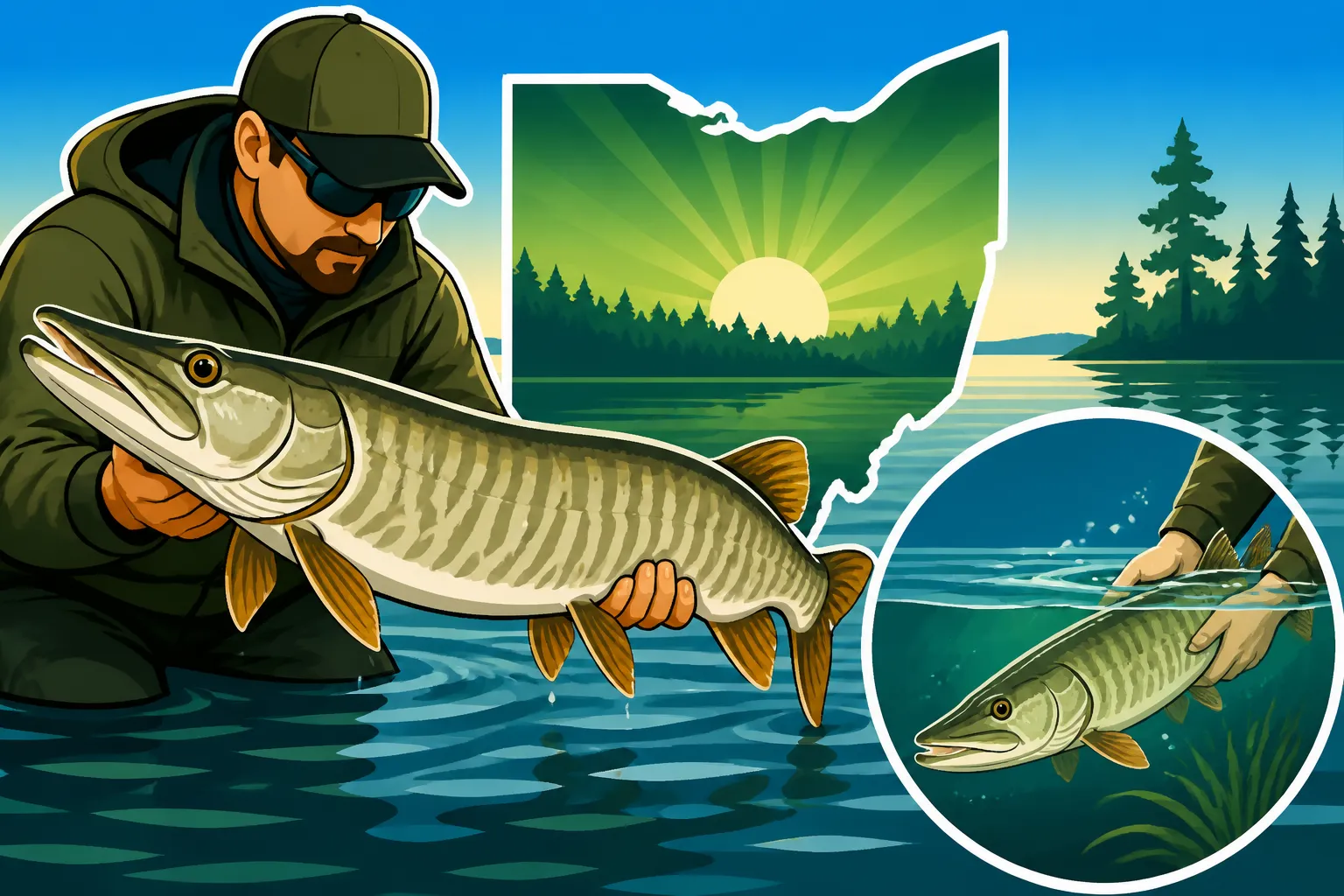
After hook removal, the muskie might be exhausted. It's crucial to take the time to revive it properly before letting it go. Hold the fish gently by the tail with one hand and support its belly or head with the other, keeping it upright in the water. Move it slowly back and forth to force oxygenated water over its gills. Look for signs of recovery: the muskie might start to gently fan its fins, its mouth will begin to open and close rhythmically, and it will try to swim away from your grasp. This process can take a few minutes, sometimes longer for a very large or deeply stressed fish. Don't rush it! When the fish feels strong and is actively trying to pull away, it's ready for release. Gently let go, allowing it to swim off on its own power. Sometimes, a tired muskie will turn belly-up if released too soon, so always ensure a strong, self-propelled swim-off. Understanding How to Handle and Release an Ohio Muskie is fundamental to this entire process.
Post-Release Care and Observation
The moment a muskie swims away powerfully is incredibly rewarding, but your responsibility doesn't necessarily end there. Sometimes, a fish that seems fine might still experience delayed mortality or struggle to readapt to its environment. Being mindful of the conditions and even the behavior of other anglers can contribute to the overall health of the muskie fishery.
Minimizing Stressors for Optimal Survival
Beyond the immediate release, consider the broader factors that impact muskie survival. Extremely warm water temperatures, often found in late summer, can drastically reduce oxygen levels and increase post-release mortality. If you're fishing in very warm conditions, consider shortening your fighting time, avoiding any air exposure whatsoever, and spending extra time on revival. Some dedicated muskie anglers even avoid fishing altogether during peak heat waves, choosing to protect the resource. Ohio Muskie Fishing Guide covers seasonal aspects that can influence fish health.
Using barbless hooks or crushing the barbs on your trebles is another simple yet highly effective way to minimize tissue damage and speed up hook removal. You'll find tools for this, and even pre-barbless hooks, on sites like Amazon, making it easy to upgrade your tackle. Every little bit of effort to reduce stress, from the fight to the release, stacks up to a higher survival rate for these magnificent fish.
Reporting and Conservation Efforts
If you happen to catch a muskie that is visibly injured or doesn't revive, it's important to report it to the Ohio Department of Natural Resources (ODNR). This information helps biologists monitor the health of muskie populations and understand the impact of fishing pressure or environmental factors. Many muskie anglers are also involved in local conservation groups that work to improve muskie habitat, stock fish, and educate fellow anglers. Being part of these efforts ensures that future generations will also have the opportunity to chase these incredible freshwater giants. Every responsible angler contributes to the bigger picture, not just in their individual actions on the water but also in their support for broader conservation goals.
Disclaimer
This article is for general informational purposes only and does not constitute professional advice. Laws, prices and regulations vary by location and change over time. Consult a qualified professional for guidance on your specific situation.