Fly Fishing Guides for Ohio Steelhead
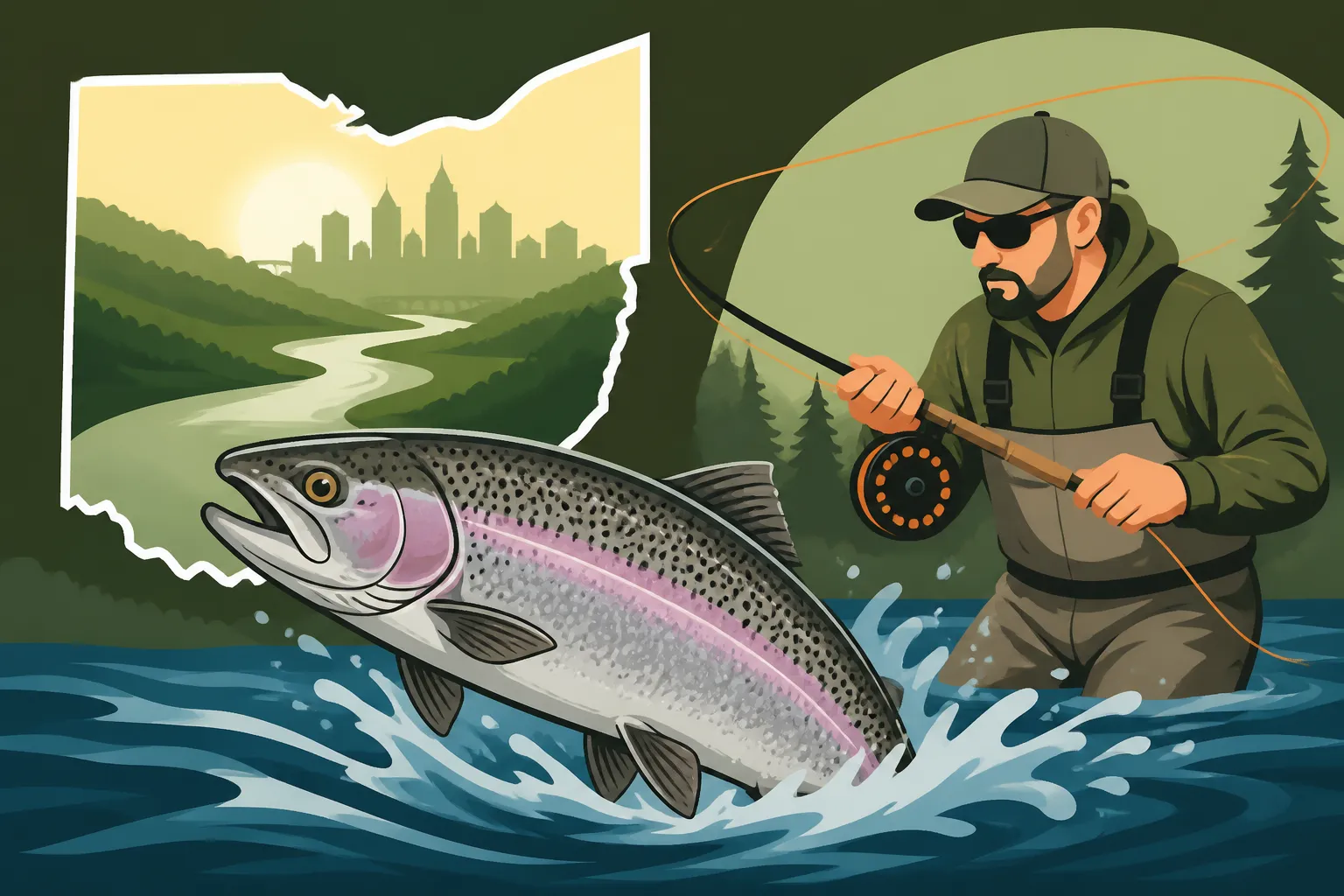
Ohio's steelhead tributaries are legendary, offering some of the most exhilarating fly fishing experiences in the country. But let's be honest, those rivers can be incredibly intimidating. The fluctuating water levels, the tricky wading, the sheer volume of water to cover, and figuring out where the fish are holding can turn a dream trip into a frustrating slog. This comprehensive guide is here to cut through that confusion, helping you understand the immense value of hiring a fly fishing guide for Ohio steelhead, what to look for, and how to make the most of your adventure on "Steelhead Alley."
Why Hire a Fly Fishing Guide for Ohio Steelhead?
Navigating the rugged beauty and complex waters of Ohio's steelhead rivers can be a challenge even for seasoned anglers. For those new to the game or visiting from out of state, it can feel like trying to solve a puzzle with half the pieces missing. This is where a professional fly fishing guide truly shines, transforming potential frustration into a deeply rewarding and educational experience.
Navigating "Steelhead Alley" and Complex Waters
Imagine driving for hours, pulling into a scenic river access point, only to find the water blown out, too low, or completely barren of fish. It's a soul-crushing experience many of us have faced. Ohio's "Steelhead Alley" comprises a series of Lake Erie tributaries – rivers like the Rocky, Grand, Chagrin, and Vermilion – each with its own quirks, access points, and ever-changing conditions. Water levels can swing wildly with rainfall, and fish movements are heavily dependent on flow, temperature, and time of year. Knowing which river is "in" on any given day, and more importantly, which specific stretches are holding fish, is a full-time job.
A dedicated steelhead guide lives and breathes these rivers. They are constantly monitoring flows, water clarity, and temperature, making informed decisions on where to go. They know the subtle seams, the deep pools, the undercut banks, and the boulder gardens where steelhead are likely to hold or travel. They understand the nuances of public access versus sensitive private property, ensuring you're fishing legally and respectfully. Without their intimate knowledge, you could spend precious fishing time aimlessly wandering or casting into unproductive water, rather than being precisely where the action is. Their expertise also extends to safety, guiding you through tricky wading conditions and alerting you to potential hazards that a newcomer might easily overlook.
Mastering Specialized Techniques and Gear
Fly fishing for steelhead is a highly specialized discipline, quite different from casting dry flies on a trout stream or stripping streamers in a bass pond. Steelhead are powerful, migratory fish that demand precision, specific presentations, and robust gear. Many anglers come to Ohio with conventional trout setups, only to find their lighter rods and delicate leaders quickly outmatched by an acrobatic chrome torpedo.
A good guide provides not only the expertise but often the specialized gear you need. This might include longer, heavier switch or spey rods for swinging flies, or specialized nymphing rods for detecting the subtlest takes. They'll rig your leader with the right indicators, weights, and tippet strength to handle the powerful currents and potentially large fish. Most importantly, they'll teach you the specific casting techniques (like roll casts, switch casts, or single-hand spey casts) and presentation methods (such as dead-drifting nymphs, swinging streamers, or stripping flesh flies) that are most effective for steelhead in varied conditions. They'll also know the local fly patterns that are currently producing, saving you the headache of trying to guess. Their instruction can significantly shorten your learning curve, turning frustrating tangles into confident casts and missed bites into solid hooksets.
Maximizing Your Chances of Success
Let's be honest, we all want to catch fish. The primary frustration for many anglers, especially those targeting challenging species like steelhead, is putting in the effort without the reward. A guide's role is not just to teach but to put you in the best possible position to hook a fish. They meticulously scout the rivers, often before you even arrive, to identify active holding water. They'll analyze the light, water conditions, and recent fish reports to choose the most productive spots and techniques for that specific day.
Furthermore, a guide provides constant feedback and adjustments to your technique. Is your drift dragging? Are you missing subtle bites? Is your fly getting to the right depth? They'll watch your casts, identify issues, and offer immediate corrections, helping you refine your presentation and increase your chances of getting a strike. For many, a guided trip isn't just about catching fish, but about learning the nuances that will make them a better angler in the long run. The lessons learned in a single day with an experienced guide can often equate to years of trial-and-error fishing on your own. It's an investment in your skills and your enjoyment of Ohio Steelhead Fishing Techniques.
What to Look for in an Ohio Steelhead Fly Fishing Guide
Choosing the right guide is paramount to a successful and enjoyable steelhead adventure. It's not just about finding someone with a boat or a set of waders; it's about finding a professional who aligns with your fishing goals, prioritizes safety, and offers a truly enriching experience.
Experience, Reputation, and Local Knowledge
When you're shelling out for a guided trip, you want confidence that your guide knows their stuff. Experience on Ohio's specific steelhead rivers is non-negotiable. Look for guides who have been actively working the "Steelhead Alley" tributaries for many years. This isn't just about knowing the names of the rivers, but understanding their seasonal flows, the migratory patterns of the fish, and the subtle changes that occur day-to-day. A guide who consistently fishes the Grand, Rocky, or Chagrin will have a database of knowledge that a casual angler simply cannot replicate.
Reputation is another critical factor. Check online reviews and testimonials. Angler forums and dedicated fishing websites are excellent resources for genuine feedback. Look for consistent praise regarding their ability to find fish, their teaching skills, their patience, and their overall demeanor. A guide's reputation is built on client satisfaction, and a strong track record speaks volumes. A guide who is passionate and truly lives and breathes these rivers will have an infectious enthusiasm that enhances your entire trip. When looking for a guide, platforms like FishingBooker can be incredibly helpful for comparing different guides, reading reviews from past clients, and getting a sense of their experience level and specialty. This allows you to vet potential guides thoroughly before committing.
Guide Certifications, Safety, and Professionalism
Safety should always be a top priority. A professional fly fishing guide will possess all necessary state and federal licenses, which often include Coast Guard credentials for those operating drift boats or power vessels. Beyond licenses, inquire about their first aid and CPR certifications. Wading in cold, slick rivers, especially during cooler months, carries inherent risks, and knowing your guide is prepared for emergencies provides invaluable peace of mind.
Professionalism extends beyond just safety credentials. It encompasses clear communication from the moment you inquire about a trip. Do they respond promptly? Do they provide detailed information about what to expect, what to bring, and their cancellation policy? On the water, a professional guide is patient, a good communicator, and genuinely invested in your experience. They should be excellent teachers, able to break down complex techniques into understandable steps, and offer constructive feedback without being condescending. They should also maintain their gear meticulously and ensure a clean, comfortable, and well-organized fishing environment, whether wading or from a boat.
Gear, Techniques, and Trip Customization
A top-tier guide should come equipped with high-quality gear that they are willing to provide. This typically includes a range of appropriate fly rods and reels, lines, leaders, tippet, and a wide selection of proven fly patterns. If you don't have your own waders or wading boots, some guides can even provide rentals, which is a huge bonus for beginners or out-of-state visitors. Discuss this upfront.
Beyond gear, a versatile guide will be proficient in multiple steelhead fly fishing techniques. Whether the conditions call for deep nymphing, swinging streamers with a two-handed rod, or subtle indicator fishing, your guide should be able to adapt and instruct you. Finally, consider if they offer trip customization. Are they willing to tailor the day to your skill level, physical capabilities, and specific goals? If you're a complete novice, they should be prepared to focus heavily on instruction. If you're an experienced fly caster hoping for a shot at a trophy fish, they should be able to target appropriate water and help you refine advanced presentations. Understanding what's available can often be found on platforms like FishingBooker, where guides often list their specializations and what they provide.
Understanding Ohio Steelhead Guide Trip Costs and Inclusions
One of the first questions anglers ask is, "How much does a guided trip cost?" It's a valid concern, and like any specialized service, the price reflects the guide's expertise, the resources provided, and the length and type of trip. Understanding these factors will help you budget and manage your expectations.
Factors Influencing Trip Pricing
The cost of an Ohio steelhead fly fishing guide trip can vary considerably. The most significant factors are usually the duration of the trip and the number of anglers. Half-day trips are generally shorter and less expensive, perfect for a quick outing or if you're testing the waters of guided fishing for the first time. Full-day trips, lasting anywhere from 6 to 8 hours, offer more time on the water, allowing for exploration of multiple spots and deeper instructional opportunities. Naturally, they come with a higher price tag.
Another key differentiator is whether you're booking a private trip or joining a shared trip. Private trips, where the guide focuses solely on you or your small group, are more expensive per person but offer personalized attention. Shared trips, if offered, allow you to split the cost with other anglers, making it more budget-friendly, though the attention is divided. The season can also play a role; peak steelhead runs in fall and spring might see slightly higher demand and pricing compared to off-peak periods. It's crucial to reach out directly to guides or check their booking platforms for their current rates. Remember that these are professional services provided by experts who spend countless hours scouting, maintaining gear, and honing their craft. You can often find a good overview of general pricing structures for Ohio Steelhead Guide Trip Cost on guide service websites or booking platforms.
What's Typically Included (and What's Not)
When you book a guided trip, you're investing in more than just a day on the river. Most reputable Ohio steelhead guides will include their professional guiding service, all necessary flies, leader, and tippet for the day. Many will also provide high-quality rods and reels suitable for steelhead, especially beneficial if you don't own specialized fly gear. Some guides may even include snacks, non-alcoholic beverages, and occasionally a riverside lunch for full-day trips.
However, there are usually items you're expected to bring yourself. This almost always includes your valid Ohio Fishing License Guide for Residents and Nonresidents. Don't forget this! You'll also need appropriate clothing for the weather, including layers, rain gear, and sometimes insulated underlayers for cold-water wading. Waders and wading boots are often required, and while some guides offer rentals, it's best to confirm this in advance. Personal items like sunglasses (polarized are a must!), sunscreen, a hat, and any personal medications are also your responsibility. It's always a good idea to clarify with your specific guide exactly what is and isn't included before your trip, to avoid any surprises. Reputable booking sites like FishingBooker clearly outline inclusions for each specific guide, making it easy to see what you're getting.
Tipping Etiquette and Additional Expenses
Tipping your fly fishing guide is customary and very much appreciated, similar to tipping in other service industries. Guides work incredibly hard, often long hours, both on and off the water, to ensure you have a successful day. A standard tip typically ranges from 15-25% of the trip's total cost, depending on your satisfaction with the experience. If your guide went above and beyond, provided excellent instruction, found you fish, or simply made the day incredibly enjoyable, a more generous tip is a great way to show your appreciation.
Beyond the guide's fee and tip, consider other potential expenses. Travel costs to and from the river (gas, tolls) are yours. If you're staying overnight, lodging expenses will apply. If you need to rent waders or other gear that your guide doesn't provide, factor that in. Additionally, if you plan to purchase flies, specific tackle, or souvenirs from a local fly shop before or after your trip, those are separate costs. Having a clear understanding of these potential additional expenses helps ensure a smooth and stress-free experience.
Booking Your Ohio Steelhead Fly Fishing Adventure
Booking a fly fishing guide for Ohio steelhead isn't quite like booking a hotel room; there's a bit more to consider, especially when it comes to timing and preparation. A little foresight goes a long way in securing the best experience.
When and How to Book a Trip
Timing is everything when it comes to steelhead. The prime seasons for Ohio's steelhead runs are typically fall (from late September through December) and spring (from March through May), with some winter fishing possible during milder periods. These peak windows are also when guides are in highest demand, sometimes booking up months in advance. If you have specific dates in mind, especially weekend days, it's highly recommended to book your trip as far out as possible – often 3 to 6 months ahead of time. Don't wait until the last minute, or you might find yourself out of luck.
Initial contact can be made via phone, email, or through a guide's website or social media page. Be prepared to discuss your desired dates, group size, and any specific goals or experience levels. Don't be shy about asking questions regarding their approach, what they provide, and their cancellation policy. Reputable guides will appreciate your thoroughness. Many guides also list their availability and booking options on platforms like FishingBooker, which can streamline the process, allowing you to easily compare schedules and secure your dates. This is especially useful for finding available guides during When Ohio Steelhead Runs Start.
Preparing for Your Guided Steelhead Trip
Once your trip is booked, preparation is key to maximizing your time on the water. First and foremost, ensure you have your Ohio Fishing License Guide for Residents and Nonresidents well in advance. Trying to scramble for a license the morning of your trip is a recipe for stress. Also, take a moment to review Ohio Fishing Regulations Every Angler Should Know, particularly those pertaining to steelhead, such as specific stream regulations or catch limits, if applicable.
Physically, steelhead fishing often involves wading in swift currents and walking uneven riverbanks, so a reasonable level of fitness is beneficial. Practice basic casting in your yard if you're new to fly fishing, just to get a feel for the rod. Mentally, be prepared for diverse weather conditions. Ohio weather can be notoriously unpredictable, especially during spring and fall. Layers are your best friend! Pack warm, moisture-wicking clothing, good rain gear (jacket and pants), warm socks, and a hat. Don't forget polarized sunglasses to protect your eyes and help you spot fish, and any personal snacks or drinks you might want beyond what the guide provides. A small dry bag or backpack can be useful for keeping personal items secure and dry. Refer to our guide on What to Bring on an Ohio Fishing Charter for more general packing tips that apply to guided trips.
Maximizing Your Experience On the Water
When you're finally on the water with your guide, the best way to make the most of your investment is to listen, learn, and engage. Your guide is there to help you, so pay close attention to their instructions. Ask questions when you don't understand something – there's no such thing as a "dumb question" when you're learning. Be open to trying new techniques or flies, even if they're different from what you're used to. Sometimes, what works on one river or day doesn't work on another, and your guide has the most current insight.
Be patient and maintain a positive attitude. Steelhead fishing can be challenging, and there will be periods of slower action. Enjoy the scenery, the sounds of the river, and the camaraderie. Your guide is not just a fish-finder but also an educator and a companion for the day. Finally, practice ethical angling. Handle fish gently, especially those you plan to release. Use barbless hooks to minimize harm, and keep fish in the water as much as possible for photos. Releasing fish properly ensures the future of this incredible fishery for everyone.
Popular Ohio Steelhead Rivers and Guide Concentrations
Ohio's "Steelhead Alley" is a network of rivers and streams that feed into Lake Erie, each offering its own unique character and challenges for fly anglers. Knowing where guides typically operate can help you narrow down your search and find the perfect setting for your trip.
Northeast Ohio's "Steelhead Alley" Tributaries
When people talk about Ohio steelhead, they are almost certainly referring to the tributaries in the northeastern part of the state, collectively known as Steelhead Alley: Where It Is and What It Means. These rivers are the lifeblood of the Ohio steelhead fishery, providing spawning and holding grounds for these migratory rainbow trout.
- The Rocky River: Located near Cleveland, the Rocky is a highly popular and productive river, known for its significant steelhead runs. Its accessibility within a major metropolitan park system (Cleveland Metroparks) means it sees a lot of pressure, but also offers great infrastructure. Guides working the Rocky know its extensive network of pools, runs, and riffles intimately.
- The Chagrin River: Just east of the Rocky, the Chagrin is another excellent steelhead river, offering diverse water types from fast riffles to deep, slow pools. It's often considered a bit more challenging to wade in places but can hold large numbers of fish.
- The Grand River: This is one of Ohio's largest and most famous steelhead rivers. Its size means it can handle higher flows and offers extensive water to explore, making it a favorite for drift boat guides. The Grand offers a wilder feel in some stretches compared to its western counterparts.
- The Vermilion River: Further west, the Vermilion is a beautiful, smaller river that can offer fantastic fishing, especially during periods of stable flow. Its more intimate nature can be appealing to anglers who prefer less crowded conditions.
- Conneaut Creek: Located at Ohio's far eastern edge, Conneaut Creek is famous for its robust runs and clear water. It's a prime destination for anglers seeking a more traditional "pocket water" steelhead experience.
Each of these rivers has its own personality, and a good guide will know which one is fishing best based on current conditions. These rivers form the core of Best Ohio Rivers for Steelhead for fly anglers.
Different Guide Trip Formats: Wade vs. Drift Boat
When booking a guided steelhead trip, you'll often encounter two primary formats: wade trips or drift boat trips. Each offers a distinct experience and is suited to different river conditions and angler preferences.
- Wade Trips: A wade trip involves fishing primarily on foot, either by wading into the river or casting from the bank. This format allows for a more intimate connection with the water, enabling the guide to meticulously work specific runs, pockets, and riffles. It's often preferred on smaller rivers or when water levels are lower and conducive to wading. Wade trips can be very educational, as the guide can stand right beside you, providing hands-on instruction on casting, reading water, and presentation. They also allow access to areas that might be difficult to reach by boat. However, wade trips require a certain level of physical mobility and comfort with wading in currents.
- Drift Boat Trips: Drift boat trips are conducted from specialized, shallow-draft boats designed to be rowed downriver by the guide. This format allows you to cover significantly more water in a day, accessing stretches that might be inaccessible by wading or private property. Anglers cast from the boat, often targeting specific features as the boat drifts downstream. Drift boats are particularly popular on larger rivers like the Grand, especially when water levels are higher. They offer more comfort, a dryer experience, and are often ideal for anglers with limited mobility or those who prefer to focus solely on casting rather than wading. Guides will choose between these options based on river conditions, client preferences, and fish distribution, as detailed in Wade Trips vs Drift Boat Trips for Ohio Steelhead.
| Trip Format | Advantages | Disadvantages | Ideal Conditions/Anglers |
|---|---|---|---|
| Wade | Intimate river connection; precise spot fishing; hands-on instruction; access to shallow areas. | More physically demanding; covers less water; limited by river access. | Anglers seeking detailed instruction; lower, clear water; specific small runs. |
| Drift Boat | Covers vast amounts of water; comfortable; ideal for larger rivers; less physical exertion. | Less intimate; can be harder to focus on specific small pockets; limited by boat launches/take-outs. | Anglers wanting to cover distance; higher water levels; larger rivers like the Grand; those with mobility concerns. |
Finding Guides on Specific Rivers
While many Ohio steelhead guides fish multiple tributaries, some specialize in particular rivers where they have the most experience or preference. If you have a specific river in mind – perhaps you've heard good things about the Conneaut's clarity or the Grand's size – it's worth seeking out guides who primarily operate on that water.
Searching online for "Grand River steelhead guide" or "Rocky River fly fishing guide" will often yield results for guides who have honed their craft on those specific waters. Additionally, local fly shops located near these rivers are invaluable resources. They often have close relationships with guides and can provide recommendations based on current river conditions and what you're looking for in a trip. Online platforms are also great for this; when browsing guides on FishingBooker, for example, you can often filter by location or see which rivers a guide lists as their primary fishing grounds. This targeted approach can lead you to a guide who truly embodies the spirit and nuances of your chosen river, enhancing your overall experience.
Ethical Angling and Conservation for Ohio Steelhead
Beyond the thrill of the catch, responsible angling is a critical component of any fly fishing adventure, especially when targeting a treasured species like Ohio steelhead. Guides play a crucial role in promoting and demonstrating ethical practices, ensuring these magnificent fish continue to thrive for generations to come.
Catch and Release Best Practices
Steelhead are a migratory species that travel from Lake Erie into the rivers to spawn. Maintaining healthy populations relies heavily on catch-and-release practices, particularly for wild or naturally reproducing fish. Even for stocked steelhead, proper handling significantly increases their survival rate, allowing them to continue their life cycle or provide future angling opportunities.
Your guide will instruct you on the best practices for catch and release. This includes minimizing the fight time, using barbless hooks to facilitate easy removal, and keeping the fish in the water as much as possible. If you must handle the fish for a quick photo, wet your hands thoroughly before touching it. Support the fish horizontally, never vertically by the jaw or tail, and avoid squeezing its body. Gently remove the hook with forceps or pliers, and allow the fish to recover in the current until it swims away under its own power. A good guide will always prioritize the fish's well-being over a hero shot, teaching you how to safely and respectfully interact with these powerful creatures.
Respecting Private Property and River Access
Ohio's steelhead rivers often flow through a mix of public and private lands. Navigating these access points legally and respectfully is not just good etiquette; it's a legal requirement. Trespassing, even inadvertently, can lead to serious consequences and reflects poorly on the entire angling community. This is a common frustration for independent anglers trying to find good spots.
One of the significant advantages of hiring a guide is their intimate knowledge of access rights. They know precisely where public access points are located, where fishing easements exist, and where private property begins and ends. They ensure that your entire trip is conducted legally and with the utmost respect for landowners. They will also emphasize leaving no trace behind – packing out all trash, not disturbing vegetation, and being considerate of other river users, whether they are fellow anglers, hikers, or local residents. Adhering to Ohio Fishing Regulations Every Angler Should Know means understanding these access rules, and your guide is an invaluable resource in this regard.
Supporting Sustainable Fisheries
The health of Ohio's steelhead fishery isn't just about what happens on the water; it's also about supporting the broader conservation efforts. Guides are often at the forefront of these initiatives, advocating for habitat improvements, responsible stocking programs, and adherence to regulations. By hiring a licensed and reputable guide, you are indirectly supporting their commitment to the resource.
As anglers, our role extends to understanding and respecting the Ohio Statewide Bag and Size Limits for all species, not just steelhead. These regulations are in place to ensure sustainable populations. Participating in angler surveys, reporting poaching, and joining local conservation groups are other ways to contribute. Ultimately, a guided fly fishing trip for Ohio steelhead isn't just about the personal thrill of the catch; it's about connecting with nature, learning from experts, and becoming a more responsible steward of these incredible natural resources.
Disclaimer
This article is for general informational purposes only and does not constitute professional advice. Laws, prices and regulations vary by location and change over time. Consult a qualified professional for guidance on your specific situation.