Ohio Steelhead Fishing Techniques
There's a special kind of thrill that comes with chasing steelhead in Ohio's famous "Steelhead Alley." It’s a challenge, for sure, pitting your wits and skills against one of the strongest freshwater fighters out there. But when you feel that jarring strike and the line peels off your reel, every cold morning and tricky drift becomes worth it. This comprehensive guide is here to walk you through the various techniques, gear, and strategies you'll need to successfully target these incredible fish in Ohio's rivers, helping you turn those frustrating blank days into memorable catches.
Understanding Ohio's Steelhead Alley
Before we dive into the nitty-gritty of techniques, it’s vital to grasp what steelhead are and the unique environment they inhabit in Ohio. These are not your average trout; they are a species with an incredible life cycle that dictates how and when we fish for them.
What Exactly Are Ohio Steelhead?
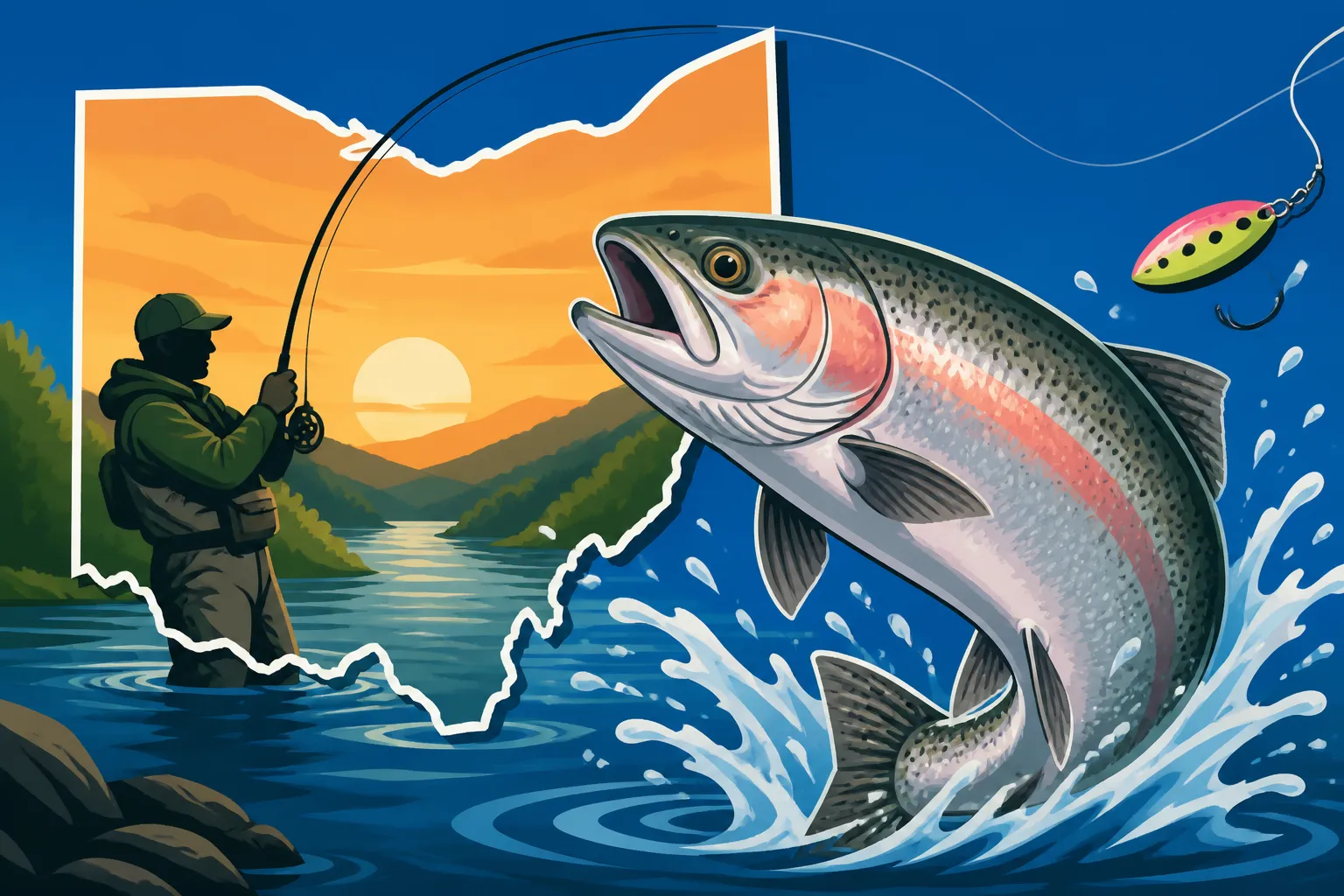
When we talk about Ohio steelhead, we're referring to rainbow trout that have migrated from Lake Erie into its tributary rivers to spawn. Unlike resident rainbow trout that spend their entire lives in freshwater streams, steelhead embark on an anadromous journey, similar to salmon, growing large and powerful in the vast expanse of the Great Lake before returning to the rivers where they were either stocked or hatched. These fish are renowned for their strength, acrobatic jumps, and fierce fighting spirit, making them a premier sportfish in the region. The Steelhead strain Ohio stocks in its rivers is typically the Ganaraska strain, known for its rapid growth and robust returns. They typically spend 2-3 years growing in Lake Erie before making their first spawning run, and some older, larger fish might be making their fourth or fifth trip upriver. It's truly fascinating to consider How long Steelhead live in Lake Erie tributaries and the incredible distances they travel.
The Geography of Steelhead Alley
Ohio’s "Steelhead Alley" is a stretch of rivers and streams along the state's northeastern Lake Erie shoreline, running from just east of Cleveland all the way to the Pennsylvania border. This region boasts several excellent steelhead rivers, each with its own characteristics and charm. The major players include the Rocky River, Chagrin River, Grand River, Vermilion River, and Conneaut Creek. These rivers offer varied terrain, from wide, slow pools to fast, rocky runs, providing diverse habitats for steelhead. Knowing the specifics of Steelhead Alley: Where It Is and What It Means is key to understanding the fishery. Smaller creeks and tributaries also get runs, but these larger rivers are generally the most consistent and accessible.
Steelhead Behavior and River Movement
Steelhead movement and behavior in the rivers are heavily influenced by water conditions, temperature, and their biological drive to spawn. When they first enter the rivers in the fall, often triggered by cooling water temperatures and increased flow from rain, they tend to be aggressive feeders, recovering from their journey and bulking up for the winter. As winter sets in, their metabolism slows, and they often hold in deeper, slower pools, conserving energy. Come spring, the primary spawning urge kicks in, and they become more active, moving into shallower gravel areas to complete their reproductive cycle. Understanding these seasonal shifts is crucial for anglers, as it dictates where you'll find them and which techniques will be most effective. They'll hug structure, seek cover, and utilize currents to their advantage, which is why How to Read Steelhead Holding Water is such a valuable skill.
Essential Gear for Ohio Steelhead
Chasing Ohio steelhead isn't like panfishing in a farm pond; these are powerful fish that demand robust, reliable gear. Having the right setup can make the difference between landing that trophy and watching your line snap in frustration. Don't skimp on quality here; it pays dividends.
Rods and Reels for River Fishing
For steelhead, you generally want a rod with enough backbone to handle a powerful fish, but also a sensitive tip to detect subtle bites.
- Spinning Rods: A common choice for many anglers, spinning rods typically range from 8'6" to 10'6" in length, with a medium-light to medium action. The longer length helps with line control, casting distance, and cushioning the shock of a hard-fighting fish. A good example would be a 9-foot, 8-12 lb line rating rod. Paired with a quality spinning reel in the 2500-4000 series, loaded with a smooth drag system, you'll have a versatile setup.
- Centerpin Rods: For those who pursue the art of float fishing, a centerpin setup is unparalleled. These rods are much longer, often 11 to 15 feet, with a very flexible, forgiving action that allows for incredibly natural, drag-free drifts. The reel itself, a centerpin, allows line to flow freely off the spool, providing the perfect drift. It's a specialized setup that takes some getting used to but offers supreme control for float fishing.
- Fly Rods: If fly fishing is your passion, a 9-10 foot, 7 or 8-weight fly rod is a standard choice. This has enough power to cast heavy nymph rigs or larger streamers and to fight strong steelhead. A large arbor reel with a strong drag and plenty of backing is essential.
While the specific recommendations for walleye might differ slightly, the principles of selecting a durable, high-performance rod and reel are similar to choosing the Best Rod and Reel Setup for Lake Erie Walleye – you need something that can handle a big fight.
Line and Leader Choices
Your line is the direct connection to the fish, so it's not a place to compromise.
- Main Line: For spinning and centerpin setups, 8 to 12-pound test monofilament or fluorocarbon is common. Some anglers prefer braided line (10-20 lb) for its sensitivity and strength, but will always tie on a fluorocarbon leader. Mono offers good knot strength and shock absorption. Fluorocarbon is nearly invisible underwater and sinks, which can be an advantage. Braid is great for feel but can be visible, so a leader is critical.
- Leaders: This is where stealth comes in. Most steelhead anglers use a fluorocarbon leader ranging from 6 to 10-pound test. The nearly invisible nature of fluorocarbon in water is a huge advantage, especially in clear conditions or for spooky fish. Leader length can vary from a couple of feet to 8-10 feet, depending on the technique and water clarity. Learning Ohio Fishing Knots to Know like the Albright knot or double surgeon's knot is essential for connecting your main line to your leader securely. You can find a fantastic selection of fluorocarbon leader material on platforms like Amazon, ensuring you get the right strength and diameter for the conditions.
Waders and Apparel
Comfort and safety are paramount when spending hours in cold rivers.
- Waders: You absolutely need a good pair of waders. Chest waders are the most popular choice, keeping you dry and warm in chilly river water. Breathable waders made from Gore-Tex or similar materials are excellent for comfort, especially if you're doing a lot of walking. Neoprene waders offer more warmth but are less breathable. Layering underneath your waders is key, even with the best material. If you're wondering, "Do you need waders for Ohio Steelhead fishing?" the answer is a resounding yes if you plan to wade into the river.
- Layered Clothing: Dress in layers. Start with a moisture-wicking base layer, add a fleece or wool mid-layer for insulation, and top it with a waterproof, breathable outer jacket. Gloves, a warm hat, and wool socks are non-negotiables for colder days.
Essential Terminal Tackle and Accessories
Beyond the basics, a few accessories will make your steelhead outing more enjoyable and productive.
- Hooks: Sharp, strong hooks are critical. Sizes typically range from #6 to #14, depending on the bait or lure. Octopus style or wide-gap hooks are popular.
- Weights: Split shots, pencil lead, or slinky weights are used to get your bait down to the fish. Carry a variety of sizes to adapt to different current speeds and depths.
- Floats/Indicators: For float fishing, a good quality bobber or float (slip or fixed) is essential for detecting bites and maintaining a natural drift. For fly fishing, strike indicators are used.
- Net: A large, rubberized landing net is crucial for safely landing and releasing steelhead without harming their protective slime coat. It also prevents snags on hooks.
- Pliers/Forceps: For hook removal.
- Nipper/Line Cutter: Keep one handy for quick line changes.
- Polarized Sunglasses: Not just for eye protection, but also to help you see fish and subtle changes in water structure.
- Backpack/Vest: To carry all your gear comfortably. You can find reliable fishing vests and backpacks on Amazon, perfect for keeping your tackle organized and accessible on the river.
Top Techniques for River Steelhead
Once you have your gear sorted, it's time to learn the techniques that will put you in the best position to catch Ohio steelhead. Each method has its time and place, and a versatile angler often employs several throughout a day or a season.
Float Fishing for Maximum Drift
Float fishing, often done with a centerpin reel but also effective with a spinning setup, is arguably the most popular and productive method for Ohio steelhead. The goal is to present your bait or lure as naturally as possible, drifting it downstream with the current, making it appear like an easy meal.
To set up, you'll attach a float (either a fixed float for shallower water or a slip float for deeper runs) to your main line. Below the float, you'll distribute split shot weights to 'cock' the float, meaning it sits upright with only a small portion showing above the water. This allows for sensitive bite detection. The amount of weight should be just enough to get your bait down to the fish's level without hindering a natural drift.
Cast your rig slightly upstream and across the current, then "mend" your line by lifting your rod tip and flipping slack line upstream. This prevents drag on your float, ensuring it travels at the same speed as the current. Watch your float intently; any hesitation, sudden dip, or movement against the current could be a bite. A good float fisherman makes hundreds of perfectly executed drifts, and you can learn a lot from guides who show you How to Fish a Bead Under an Indicator for Steelhead for subtle presentations.
Drift Fishing and Bottom Bouncing
Drift fishing and bottom bouncing involve presenting your bait near the riverbed, where steelhead often hold, without the use of a float. This technique is especially effective when fish are sluggish or holding tight to the bottom in deeper pockets.
For drift fishing, you'll typically use a three-way swivel rig or a "slinky" weight setup. The idea is to have just enough weight to intermittently tick the bottom without constantly snagging. You cast upstream and allow your weight and bait to tumble downstream with the current. The key is to keep your line relatively tight, feeling for the subtle "ticks" of the weight on the bottom, or the distinct pull of a fish.
A popular variation is the "spawn sack" rig, where small mesh bags filled with cured steelhead or salmon eggs are drifted along the bottom. This is incredibly effective when steelhead are focused on consuming roe. Learning the nuanced feel of this technique takes practice, but it's a staple for a reason. For more insights on this approach, consider researching Best Way to Drift Fish a River for Steelhead.
Casting Spoons and Spinners
When steelhead are active and aggressive, often in higher or slightly colored water, casting spoons and spinners can be incredibly effective. These lures imitate baitfish or provide an enticing flash and vibration that triggers a predatory response.
- Spoons: Popular spoons like Little Cleo or K.O. Wobblers in various sizes and colors (silver, gold, chartreuse, orange) can be deadly. Cast them across or slightly upstream, allowing them to sink for a few seconds, then retrieve with a steady or erratic retrieve, imparting a wobbling action. Vary your retrieve speed and depth until you find what the fish prefer. A common technique involves a slow, steady retrieve with occasional twitches of the rod tip. More details can be found on How to Cast a Spoon for Steelhead.
- Spinners: Rooster Tails, Mepps, or Blue Fox spinners are also excellent choices. Their rotating blade creates flash and vibration, irresistible to aggressive steelhead. Retrieve them just fast enough to get the blade spinning, often near the bottom. Like spoons, experimenting with colors and sizes is key.
Fly Fishing: The Art of the Presentation
Fly fishing for steelhead is a captivating and highly rewarding pursuit, drawing anglers from all over. It demands precision, finesse, and an understanding of insect hatches and fish behavior.
- Nymphing: This is perhaps the most common and productive fly fishing method for river steelhead. You use weighted nymphs (imitating aquatic insects) or egg patterns, drifted under a strike indicator, much like float fishing. The goal is a perfect, drag-free drift right on the bottom. Effective nymph patterns include stoneflies, caddis larvae, and egg patterns in various colors (chartreuse, orange, pink). You'll want to explore the Best Fly Patterns for Ohio Steelhead to match the prevalent forage.
- Wet Fly Swinging: A more classic approach, wet fly swinging involves casting soft-hackle flies or traditional wet flies downstream and across, allowing the current to swing them through holding water. The take can be subtle or a jarring tug.
- Streamer Fishing: For aggressive steelhead or those targeting larger fish, streamer patterns that imitate baitfish can be very effective. Cast streamers (like Woolly Buggers, Sculpzillas, or flashier patterns) and strip them back with varying retrieves, mimicking a darting baitfish. This can be particularly exciting and often hooks larger, more aggressive fish. For an in-depth look, check out Fly Fishing Techniques for Ohio Steelhead.
Strategic Bait and Lure Choices
The old saying "match the hatch" holds true for steelhead fishing, though it's often more about matching the mood of the fish or their current diet preference. Having a variety of baits and lures in your tackle box is a smart move.
Natural Baits: Roe, Worms, and Minnows
Sometimes, nothing beats the real thing. Natural baits tap into the steelhead's instinctual feeding habits.
- Cured Roe (Spawn Sacks): Steelhead and salmon eggs are a primary food source for river-dwelling trout and are incredibly effective for steelhead, especially during spawning runs. Anglers typically cure the eggs themselves or purchase pre-cured roe, then tie them into small mesh "spawn sacks." These sacks can be drifted under a float or bottom-bounced. The scent and natural appearance are highly enticing.
- Worms: Live nightcrawlers or chunks of garden worms can be surprisingly effective, especially after rain when worms are washed into the river. Present them under a float or on a drift rig.
- Minnows: Live or dead minnows, particularly shiners, can attract aggressive steelhead looking for a larger meal. They can be drifted, jigged, or fished under a float. However, be aware of any local regulations regarding the use of live baitfish.
Artificial Baits: Beads, Jigs, and Plastics
Artificial baits offer durability and consistency, often imitating natural food sources very closely.
- Beads: Trout beads are one of the most popular artificial offerings for steelhead. These small, brightly colored plastic or glass beads (6-12mm) are threaded onto the line a few inches above the hook, imitating a single salmon or steelhead egg. Colors like orange, chartreuse, pink, and natural "roe" are standard. They are almost exclusively fished under a float or indicator. The subtle, natural drift of a single bead can be irresistible to even finicky steelhead.
- Jigs: Small marabou jigs, often tipped with a maggot or wax worm, are incredibly effective. Their pulsating action in the water, especially when dead-drifted or slowly retrieved, can mimic a variety of aquatic prey. Colors like black, white, pink, or chartreuse are common. The key is to use a jig head weight appropriate for the current speed and depth to get it into the strike zone.
- Soft Plastics: Small plastic worms, grubs, or "nymph" style plastics can also be effective when fished on a jig head or under a float. Their soft texture and lifelike action can draw strikes.
Hardware: Spoons and Spinners
As mentioned earlier, hardware can be a game-changer for active fish.
- Spoons: Beyond the classic Little Cleo, other spoon brands like Acme's Kastmaster or Johnson Silver Minnow can also entice strikes. Experiment with different finishes – polished silver, gold, hammered, or painted patterns – as water clarity and light conditions can influence what fish prefer.
- Spinners: Varying blade colors (silver, gold, copper, painted patterns) and body colors can make a difference. Some anglers swear by specific combinations for certain water conditions. The size of the spinner should also be adjusted based on the size of baitfish in the river and the aggressiveness of the steelhead.
Reading the Water and Weather
Steelhead fishing is as much about understanding the environment as it is about casting and retrieving. Fish behavior is highly dependent on water conditions and weather patterns, so learning to "read the river" is a vital skill.
Understanding Water Levels and Clarity
River conditions are constantly changing, especially during the fall and spring steelhead seasons.
- High Water/Rising Water: After heavy rains or significant snowmelt, rivers can rise quickly and become murky. While this might seem daunting, rising water can actually draw fresh steelhead into the rivers from Lake Erie. Fish often move closer to the banks to avoid strong currents. Techniques like casting spoons or fishing larger, brighter baits under a float in slower eddies can be effective. However, there's a point where the water becomes too high or muddy to fish effectively. Understanding What Flow Is Too High to Fish Ohio Steelhead Rivers? is important for safety and success.
- Falling Water/Normal Flows: As rivers drop and clear, fishing conditions generally improve. Fish will spread out and occupy more of their typical holding lies. This is when float fishing with natural presentations like spawn sacks or beads becomes highly effective.
- Low Water/Clear Water: During periods of drought or prolonged dry spells, rivers can run very low and clear. Steelhead become incredibly spooky in these conditions, often holding in the deepest pools. You'll need to use lighter leaders, smaller baits, and make longer casts to avoid spooking them. Dawn and dusk can be the most productive times. If you're wondering How to Tell If a River Is Too Muddy for Steelhead, look for visibility: if you can't see an inch or two into the water, it's likely too muddy. However, a slight stain can sometimes be beneficial, offering fish a bit more cover. The period just after a rain, as the river begins to drop and clear, is often considered the Best Time to Fish for Steelhead After Rain.
Identifying Holding Water
Steelhead are masters of efficiency. They'll position themselves in spots where they can expend minimal energy while having access to food or cover.
- Runs: These are stretches of river with a moderate current, often with a consistent depth and gravel bottom. Steelhead will rest in the deeper parts of runs, especially behind subtle current breaks.
- Pools: Deep, slower-moving sections of the river. Steelhead will hold in pools during periods of high water, cold weather, or when spooked. They offer sanctuary and are often where fish congregate.
- Riffles: Shallow, fast-moving sections. While steelhead typically don't hold in the fastest parts, the edges of riffles or the deeper water immediately downstream can be productive.
- Seams: The transition zone where fast current meets slower water. Steelhead often lie in these seams, waiting for food to drift by in the faster current. Look for the "sweet spot" where the water changes speed.
- Logjams and Undercuts: Any form of overhead cover or current break is a potential holding spot. Fallen trees, submerged logs, and undercut banks provide excellent ambush points and shelter.
The Impact of Temperature and Barometric Pressure
These atmospheric conditions play a larger role than many anglers realize.
- Water Temperature: Steelhead are cold-water fish, generally preferring temperatures between 38-55°F. In colder water (winter), their metabolism slows, and they become less active. In warmer water (early fall, late spring), they are more energetic. Very cold water will push them into deeper, slower pools, while slightly warmer temperatures might encourage them to spread out and feed more actively.
- Barometric Pressure: Changes in barometric pressure can significantly affect fish behavior. A steady or rising barometer generally indicates stable or improving weather and can lead to more active feeding. A rapidly falling barometer, often preceding a storm, can also trigger a feeding frenzy, but after a significant drop, fish often become sluggish. This is why Does Barometric Pressure Affect Ohio Fishing? is a question worth considering when planning your trip.
Weather Patterns for Ohio Fishing
Beyond temperature and pressure, other weather elements influence your success.
- Wind: Strong winds can make casting difficult and make boat control challenging. However, a chop on the water can also provide cover for fish, making them less spooky.
- Sun vs. Clouds: Overcast days are often preferred for steelhead fishing, as the diffused light makes fish less wary. Bright, sunny days can push fish into deeper, shadier areas.
- Precipitation: Rain can stir up rivers, bringing in new fish and food. Snow, especially a light snowfall, can also be a good time to fish, as it provides cover and can make fish less alert. However, ice and slush can make fishing impossible. The Ohio Fishing Season Calendar provides a general overview, but you need to pay attention to daily weather.
Safety and Etiquette on the Steelhead Rivers
Steelhead fishing, particularly wading in cold rivers, comes with inherent risks. Additionally, these popular fisheries often attract many anglers, so understanding proper etiquette is crucial for a pleasant experience for everyone.
River Safety Essentials
Your personal safety should always be your top priority.
- Wading Staff: A collapsible wading staff provides crucial stability, especially in fast currents or on slippery, rocky bottoms. It acts as a third point of contact and can help you gauge depth before taking a step. Don't leave home without one.
- Felt or Rubber-Sole Wading Boots with Studs: The river bottom in Steelhead Alley can be incredibly treacherous – slick rocks, algae, and uneven terrain. Wading boots with felt soles offer excellent grip, though rubber soles with studs or cleated soles are becoming increasingly popular and effective.
- Cold Water Immersion: Falling into cold river water can lead to hypothermia rapidly. Always dress in layers, and consider wearing a self-inflating PFD (Personal Flotation Device) when wading in deep or fast water, especially if fishing alone. Inform someone of your fishing plans and expected return time.
- Check River Conditions: Before heading out, check river gauges online (like those from the USGS) to see current water levels and flow rates. This helps determine if conditions are safe for wading. Overestimating your wading ability in swift currents can be extremely dangerous.
Angler Etiquette and Sharing the Water
Steelhead Alley can get crowded, especially on peak weekends during the fall and spring runs. Good etiquette ensures everyone has a chance to enjoy the fishery.
- Respect Personal Space: Give other anglers ample room. A general rule of thumb is to allow at least 50-100 feet between you and the next angler, depending on the river's width and the casting space available. Don't "cut in" on someone who is already fishing a run.
- "Running the Run": If you're moving upstream or downstream through a run, communicate with other anglers. Many anglers will "leapfrog," meaning you take turns fishing a section, then move past the next angler to fish the next section.
- Passing Quietly: If you need to pass an angler who is actively fishing, do so quietly and well behind them, avoiding their immediate fishing area. Don't wade directly in front of someone or disturb the water they are trying to fish.
- Be Mindful of Noise: Loud talking, splashing, or running up and down the bank can spook fish for everyone in the area. Keep disturbances to a minimum.
Conservation and Responsible Angling
Ohio's steelhead fishery is a precious resource that requires careful stewardship to ensure its longevity.
- Catch and Release: Many steelhead anglers practice catch and release to help sustain the population. If you do keep fish, always adhere to the Ohio Fishing Regulations Every Angler Should Know regarding bag and size limits.
- Handle Fish Gently: If you're releasing a steelhead, minimize its time out of the water. Keep the fish in the net while removing the hook. Use wet hands to handle the fish to protect its slime coat. Avoid squeezing or dropping the fish. If a fish is exhausted, hold it gently in the current facing upstream until it regains its strength and swims away on its own. The principles of handling and releasing a large fish are similar to Best Way to Handle and Release an Ohio Muskie.
- Barbless Hooks: Many anglers crimp down the barbs on their hooks. This makes hook removal easier, faster, and less damaging to the fish, increasing its chances of survival.
- Leave No Trace: Pack out everything you pack in. Don't leave behind broken line, bait containers, or any other trash. Respect private property signs and public access points.
Seasonal Considerations for Steelhead Runs
The Ohio steelhead season isn't a single event; it’s a dynamic cycle with distinct phases, each offering unique opportunities and challenges. Understanding the Ohio Fishing Season Dates and Effective Periods for steelhead is crucial for planning your trips.
Fall Steelhead Run (October-December)
The fall run typically kicks off in earnest around October, often triggered by cooler water temperatures in Lake Erie and the first significant rains that raise river levels.
- Early Arrivals: The first fish to enter the rivers are often aggressive. They're fresh from the lake, full of energy, and eager to feed after their migratory journey. This is a prime time for spoons, spinners, and larger, more aggressive presentations.
- Peak Fall: As more fish move in through November and into December, the rivers can become stacked. Water temperatures continue to drop, and fish might become a bit less aggressive, settling into holding lies. Float fishing with spawn sacks, beads, and jigs becomes highly effective. The When Ohio Steelhead Runs Start depends heavily on rainfall and Lake Erie water temperatures.
- Conditions: Expect variable weather. Some days can be crisp and clear, others cold and rainy. Dressing in layers and being prepared for anything is key. This is a popular time, so expect company on the rivers.
Winter Steelhead Fishing (January-March)
Winter steelhead fishing can be the most challenging but also incredibly rewarding. It requires patience, persistence, and proper preparation for cold conditions.
- Slower Metabolism: As water temperatures drop into the 30s, steelhead's metabolism slows significantly. They feed less actively and often hold in deep, slow-moving pools, conserving energy.
- Subtle Bites: Bites in winter are often very subtle – a slight hesitation of the float, a gentle tap on your line. Ultra-sensitive rods and keen attention are paramount.
- Techniques: Float fishing with small baits (single beads, tiny jigs tipped with wax worms, small spawn sacks) in slower water is the primary technique. Patience is key; you might need to make many drifts over the same fish to entice a bite.
- Conditions: Expect ice, snow, and freezing temperatures. Access to rivers might be difficult due to icy banks. Safety precautions related to cold weather, including hypothermia awareness, are critical. While not directly about steelhead, the broader advice in Ohio Winter Fishing and Ice Safety applies to any cold-weather angling.
Spring Steelhead Run (March-May)
The spring run marks the peak of the steelhead spawning activity, often considered the most exciting time for many anglers.
- Spawning Urge: As river temperatures rise with spring thaws, steelhead become highly active, moving into shallower riffles and gravel beds to spawn.
- Post-Spawn Dropbacks: After spawning, fish become "dropbacks," migrating back towards Lake Erie. These fish are often very hungry and aggressive, trying to regain strength, making them excellent targets. This is When the Rocky River Steelhead Run Peaks, and other rivers in the alley, see a surge in activity.
- Techniques: All techniques can be effective. Float fishing with egg patterns, spawn sacks, and nymphs is excellent for active spawners. Swinging flies or casting spoons and spinners can be deadly for aggressive dropbacks.
- Conditions: Variable spring weather, from warm, sunny days to cold rain and even late snow. River levels can fluctuate dramatically with snowmelt and spring rains. This is a fantastic time for both numbers of fish and the chance at a true trophy, as the fish are very active.
Advanced Tips and Troubleshooting
Even with the right gear and techniques, steelhead can be notoriously challenging. Here are some advanced tips and troubleshooting strategies to help you when the bite gets tough.
Fine-Tuning Your Presentation
The smallest details can make the biggest difference in steelhead fishing.
- Achieving Perfect Drifts: This is the holy grail of river fishing. Any unnatural drag on your line or float will make your bait look suspicious. Practice your line mending, adjusting your position, and ensuring your bait travels at precisely the same speed as the current. This often means casting slightly upstream and "feeding" slack into the drift.
- Minimizing Drag: For fly anglers, understanding current seams and stacking your line correctly is paramount. For spin and centerpin users, subtle rod tip adjustments and knowing when to feed line are key.
- Subtle Strike Detection: Especially in cold water, steelhead bites can be incredibly soft. Watch your float like a hawk for the slightest twitch, hesitation, or unnatural movement. For bottom bouncing, feel for anything that isn't the natural tick of your weight on the bottom. Sometimes, it's just a feeling of "heaviness" on the line. The concepts of How to Set the Hook on a Soft-Biting Walleye are very applicable here – a quick, firm sweep of the rod rather than a massive jerk.
Adapting to Changing Conditions
Steelhead fishing is a dynamic game; what worked an hour ago might not work now.
- When Fish Aren't Biting: If you're not getting bites after a reasonable number of drifts in a good spot, don't be afraid to change.
- Change Bait/Lure: Switch colors, sizes, or even types of bait (e.g., from a bead to a spawn sack, or a spoon to a jig).
- Change Depth: Are you fishing too high or too low in the water column? Adjust your split shot or float depth.
- Change Presentation: If float fishing isn't working, try a bottom-bouncing rig, or vice-versa.
- Move Spots: Sometimes, the fish just aren't there, or they're in a different mood. Move to a new run, a deeper pool, or a different type of water entirely. The river is constantly changing, so your approach should too.
Leveraging Technology
While steelhead fishing often feels traditional, technology can offer some advantages.
- GPS and Mapping Apps: Using fishing apps on your phone or a handheld GPS can help you mark productive spots, navigate the river, and track your movements, especially if you're exploring new stretches.
- Online River Gauges: As mentioned, checking online river gauges (like the USGS National Water Information System) provides real-time data on water levels and flow, helping you decide where and when to fish, and even Best Water Flow for Steelhead Fishing on the Rocky River.
- Fish Finders (for larger rivers/boats): If you're fishing a wider, deeper section of a river from a boat or kayak, a portable fish finder can help locate deep holes and concentrations of fish. Even knowing how to use simple electronics like Reading Ohio Fish Finders and Electronics can give you an edge.
Dealing with Difficult Bites
Sometimes steelhead are incredibly finicky, especially in clear, cold water.
- Light Tippets and Leaders: When fish are spooky, dropping down to a lighter fluorocarbon leader (e.g., 6lb instead of 8lb) can make a huge difference in getting bites.
- Smaller Baits: Downsize your beads, jigs, or spawn sacks. A single 6mm bead might entice a bite where a 10mm bead gets ignored.
- Subtle Colors: In clear water, more natural, subdued colors for your baits are often better.
- Slow Down: Sometimes, a slower, almost motionless drift or retrieve is what it takes to get a reluctant fish to commit.
Remember, every day on the river is a learning experience. Pay attention to what's working (and what's not), observe other successful anglers, and keep refining your techniques. The Ohio steelhead are out there, and with persistence and the right approach, you'll be connecting with them.
Disclaimer
The information provided in this guide is for general informational and educational purposes only. Fishing regulations, conditions, and techniques can change. Always consult the latest official Ohio Department of Natural Resources (ODNR) fishing regulations booklet or website for the most current rules and requirements before heading out on the water. Exercise caution and prioritize safety in all fishing activities.