How Far Offshore Lake Erie Charters Travel
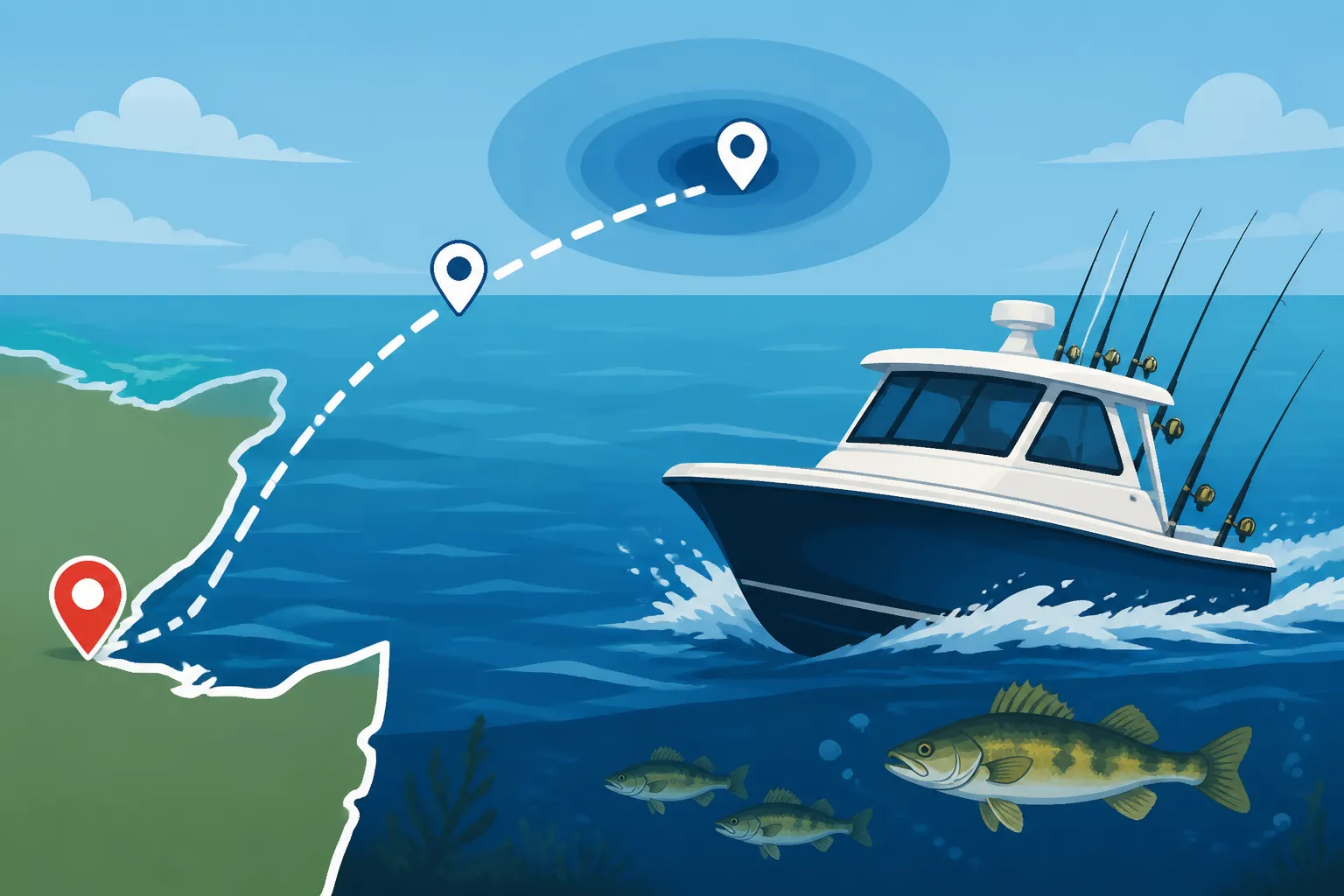
One of the biggest questions on many anglers' minds when booking a Lake Erie fishing charter is just how far offshore they'll actually be heading. It's a valid concern, often tied to thoughts of seasickness, travel time, and simply knowing what to expect on the vast waters of the "Walleye Capital of the World." This guide will meticulously break down the typical distances Lake Erie charters travel, the factors that influence these ranges, and what you can anticipate from your trip out on the water.
Understanding the Factors That Influence Offshore Distances
It's easy to imagine a Lake Erie charter boat simply heading straight out into the boundless blue, but the reality is far more nuanced. The distance a charter travels offshore isn't just up to the captain's whim; it's a strategic decision based on a complex interplay of environmental factors, fish behavior, and the safety and comfort of everyone on board.
Weather and Lake Conditions
Let's face it, Lake Erie can be a beast. One day it's glass calm, the next it's kicking up some serious chop that makes even seasoned anglers feel queasy. The prevailing weather conditions, especially wind speed and direction, play a huge role in how far a captain will venture. If the wind is howling out of the west, creating huge waves in the Western Basin, a responsible captain might choose to stay closer to shore, perhaps fishing calmer waters behind an island or in a more protected bay. Conversely, on a calm day, the same captain might run a considerable distance to reach a known hotspot. The lake's mood directly dictates safe travel and effective fishing. It's not just about getting there, but about fishing comfortably and safely once you arrive.
Target Species and Seasonal Movements
Fish aren't static; they move. Their location throughout the year is largely driven by spawning cycles, water temperature, and the availability of their preferred forage. For instance, early season walleye in the Western Basin often spawn in the shallows of rivers like the Maumee and Sandusky, or over specific reefs. After spawning, they'll scatter, and as the water warms, many will migrate offshore or further east into the Central Basin, chasing baitfish. This means a charter targeting spring walleye might stay relatively close to shore, perhaps just a few miles out, working reefs or channel edges. Later in the summer, those same walleye might be found 10-20 miles offshore, suspended over deep water. Understanding Ohio Walleye Fishing Guide or Ohio Yellow Perch Fishing Guide can give you a better idea of these movements.
Lake Erie's Basins: Western, Central, and Eastern
Lake Erie isn't one uniform body of water; it's comprised of three distinct basins, each with its own characteristics that affect fishing distances.
- Western Basin: This is the shallowest basin, dotted with islands like Kelleys Island and South Bass Island, and features numerous reefs. It's famous for its spring walleye run. Due to its shallow nature and abundant structure, prime fishing spots for walleye and yellow perch can often be found anywhere from a couple of miles to 10-15 miles offshore. You might launch from Port Clinton or Sandusky and find great fishing relatively quickly. This basin is often where you'll find charters that don't need to run as far to hit fish.
- Central Basin: Deeper than the Western Basin, the Central Basin stretches from Sandusky eastward. While it lacks the dense reef structure of the west, it holds massive schools of walleye and yellow perch, particularly in the warmer months. Charters operating out of ports like Cleveland or Ashtabula might need to travel further, often 15-30 miles offshore, to find the temperature breaks or baitfish concentrations that attract pelagic walleye. Ohio's Central Basin of Lake Erie has different dynamics than the Western Basin.
- Eastern Basin: The deepest and easternmost part of the lake, stretching into Pennsylvania and New York. While still productive, fewer Ohio charters operate solely in this basin from Ohio ports. It generally requires longer runs to reach prime offshore fishing grounds.
Typical Offshore Distances for Lake Erie Charters
So, how far are we really talking? It's not an exact science, but based on the target species, time of year, and basin, we can give you some pretty solid estimates. Remember, these are averages, and a great captain will adjust based on what the fish are doing that particular day.
Walleye Charters: The Big Run
Walleye are the undisputed kings of Lake Erie, and chasing them often involves the most varied offshore travel.
- Spring (April – May): In the Western Basin, particularly around areas like Port Clinton and Catawba, walleye are often concentrated on or near spawning reefs. Charters might only travel 2-8 miles offshore to these productive areas. This is when you can often catch them closer to shore before they disperse.
- Early Summer (June – July): As waters warm, walleye in the Western Basin begin to spread out, and larger schools move into deeper water, often 8-15 miles out. In the Central Basin, walleye are actively feeding and can be found anywhere from 10-25 miles offshore, often suspended over open water. This is when captains start making longer runs to target these actively feeding fish.
- Late Summer/Fall (August – October): Walleye continue to roam widely. In the Western Basin, they might be 5-15 miles out, sometimes moving back towards shallower feeding grounds. In the Central Basin, charters commonly run 15-30 miles or even more to locate large schools that are congregating, particularly for trolling with planer boards. Trolling for Lake Erie Walleye is a common technique used on these longer runs.
Yellow Perch Charters: Often Closer, But Not Always
Yellow perch are another highly sought-after species, known for their delicious fillets. Their movements are often more structure-oriented, though they can also be found in deeper water.
- Spring/Early Summer: Perch tend to be shallower, often just 1-5 miles offshore, congregating around structure, drop-offs, or near the mouths of rivers.
- Mid-Summer to Fall: As the season progresses, perch can move further offshore, sometimes 5-15 miles out, especially if they are following schools of baitfish in deeper, cooler water. However, good perch fishing can often be found relatively close to shore around various docks, reefs, or artificial structures. A charter specifically targeting perch might not venture as far out as a walleye trip would.
Smallmouth Bass Charters: Island Hopping and Rocky Shores
Lake Erie offers fantastic smallmouth bass fishing, especially around its many islands and rocky shorelines.
- Proximity to Structure: Smallmouth bass are generally found in association with rocky bottoms, shoals, and island structures. This means charters targeting smallmouth often stay much closer to shore, typically within a few miles of islands like Kelleys Island, South Bass Island, or along the mainland's rocky stretches. You might launch from Port Clinton and fish the nearby islands, perhaps only traveling 1-5 miles from port to find prime spots.
- Variability: While typically closer, a captain might make a longer run across open water to get from one island complex to another if those spots are known to be holding bigger fish. However, the actual fishing itself is usually done in sight of land. Ohio Largemouth and Smallmouth Bass Limits can influence where captains choose to target these species to maximize chances of legal fish.
To give you a quick visual, here's a table illustrating typical offshore distances by species and season in the Western and Central Basins:
| Target Species | Season | Typical Offshore Distance (from port) | Notes |
|---|---|---|---|
| Walleye (Western) | Spring (April-May) | 2-8 miles | Often near spawning reefs, shallower |
| Walleye (Western) | Summer (June-Oct) | 8-15 miles | Dispersed, chasing bait, deeper water |
| Walleye (Central) | Spring (April-May) | 5-15 miles | Often targeting early arrivals or near major structures |
| Walleye (Central) | Summer (June-Oct) | 15-30+ miles | Large schools suspended, longer runs for trolling |
| Yellow Perch | All Seasons | 1-15 miles | Closer to structure/drop-offs; can go deeper following bait |
| Smallmouth Bass | All Seasons | 1-5 miles | Usually around islands, rocky shorelines, visible structure |
Please note: These are general ranges. Actual distances will vary based on daily conditions, fish movements, and captain's strategy.
Safety, Technology, and Your Captain's Expertise
Regardless of how far offshore your charter travels, safety should always be the captain's top priority. Reputable captains are well-versed in navigating Lake Erie's waters and are equipped with the necessary tools and knowledge to ensure a safe and successful trip.
Modern Navigational Equipment
Today's charter boats are veritable floating command centers. They come equipped with advanced GPS systems, high-definition fish finders, radar, and marine radios. These tools allow captains to not only pinpoint exact fishing locations but also to navigate safely in all conditions, monitor weather changes, and communicate with other vessels or shore in an emergency. This technology makes those longer runs possible and much safer than in years past. When you're looking at options on platforms like FishingBooker, you can often see details about the boat and its equipment, which can give you peace of mind.
Communication with Your Captain
Don't hesitate to ask your captain about their typical fishing grounds and expected travel distances when you book your trip. A good captain will be transparent about their approach. If you're prone to seasickness, or have any other concerns about being far from shore, communicate this upfront. They might recommend specific times of year, or offer advice on medication, or even suggest a trip that tends to stay closer to land. Many captains understand that comfort is key to an enjoyable experience.
Experience and Local Knowledge
Ultimately, a captain's vast experience and local knowledge are invaluable. They spend countless hours on Lake Erie, constantly monitoring fish movements, baitfish locations, and weather patterns. They know the subtle nuances of where fish will be based on water temperature, current, and recent reports. Their decision to run 5 miles or 25 miles offshore is an informed one, aimed at putting you on the fish safely. Platforms like FishingBooker often feature reviews that highlight a captain's knowledge and ability to find fish, regardless of the distance traveled.
Making the Most of Your Offshore Adventure
Being prepared for varying offshore distances is part of the Lake Erie fishing experience. Whether you're hugging the coastline or heading out past the horizon, there are things you can do to ensure a great day on the water.
Prepare for the Journey
Even if the forecast is for calm waters, Lake Erie can be unpredictable. Always dress in layers, as temperatures can change quickly, especially when you're several miles offshore. Bring rain gear, even if it's sunny, and always pack polarized sunglasses, sunscreen, and a hat. For those susceptible to motion sickness, take preventative measures like medication before you even leave the dock. Many charters, especially those found through services like FishingBooker, will provide a detailed list of what to bring on a What to Bring on a Lake Erie Fishing Charter.
Enjoy the View
While the primary goal is often to catch fish, the journey itself can be spectacular. Lake Erie offers incredible sunrises and sunsets, vast open water views, and opportunities to see various birds and even other wildlife. Being miles offshore can feel like a true escape, a chance to disconnect and immerse yourself in the natural beauty of one of the Great Lakes. The farther out you go, the more pristine and expansive the views become, reminding you of the incredible ecosystem you're a part of.
Focus on the Fishing
Once you've reached the fishing grounds, whether it's a reef just a few miles out or a deep-water walleye highway 20 miles offshore, it's time to focus on the action. Your captain and mate will guide you through the techniques, whether it's Ohio Trolling Techniques for Lake Erie or jigging for perch. Trust their expertise, listen to their instructions, and be ready to reel in some fantastic Lake Erie fish. Remember, the captain's goal is the same as yours: to have a successful and memorable day.
Choosing Your Lake Erie Charter
When you're ready to book your Lake Erie adventure, consider the distance factor in your decision. If you prefer to stay closer to shore, communicate that when you inquire. If you're an avid angler chasing trophy walleye, you might be excited about the prospect of a longer offshore run.
Many charter listings, especially on sites like FishingBooker, will give you an idea of the captain's focus (e.g., "Western Basin Walleye Trips" or "Central Basin Trolling Charters"), which can indirectly hint at typical distances. Don't be shy about asking questions about their typical fishing spots and how far they usually travel. A reputable captain wants you to have a great experience, and that starts with clear expectations. Whether you're looking for a Lake Erie Walleye Charter Guide or just a fun day reeling in perch, there's a Lake Erie charter out there for you, ready to take you as far (or as close) as needed to find the fish.
Disclaimer
This article is for general informational purposes only and does not constitute professional advice. Laws, prices and regulations vary by location and change over time. Consult a qualified professional for guidance on your specific situation.