Ohio Yellow Perch Fishing Guide
Ah, the yellow perch! If you've spent any time fishing the waters of Ohio, especially Lake Erie, you know these little guys are not just a blast to catch, but they're also absolutely delicious on the dinner plate. But let's be honest, sometimes finding them, and then consistently catching them, can feel like a real puzzle. This comprehensive guide is here to unravel the mysteries of Ohio yellow perch fishing, offering you all the tips, tricks, and insights you need to make your next outing a smashing success, whether you're targeting them on the big lake or a quiet inland pond.
Understanding Ohio Yellow Perch: Biology and Behavior
Before we even cast a line, it's incredibly helpful to get into the mind of a yellow perch. Knowing their habits, what they eat, and how they react to different conditions can make all the difference between a slow day and a cooler full of tasty fillets. They're not just random targets; they have patterns, preferences, and predictable behaviors if you know what to look for.
Yellow Perch Identification and Habits
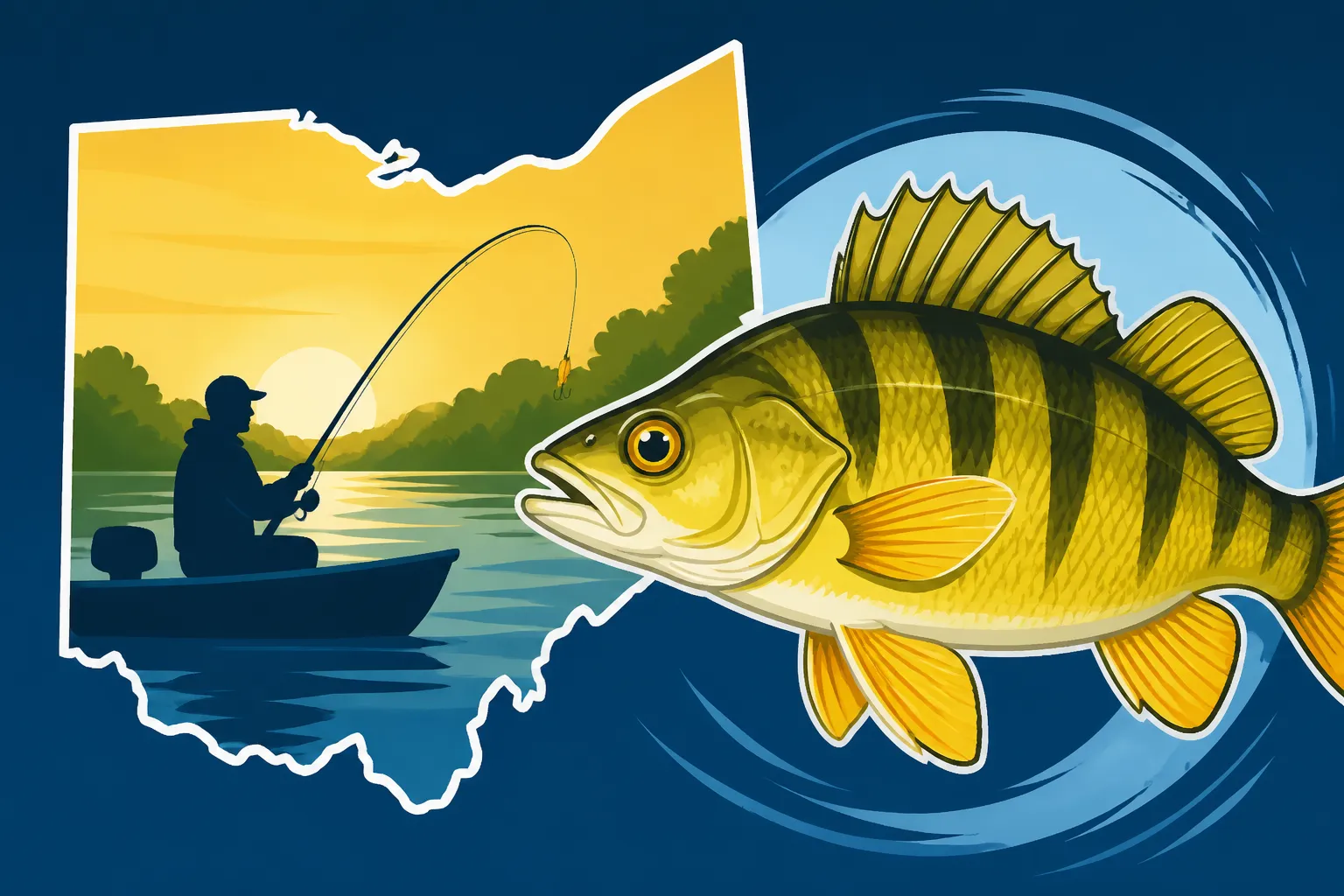
Yellow perch, or Perca flavescens if you want to get scientific, are pretty distinctive. They typically have a brassy green to golden yellow body with 6-8 dark, vertical bars running down their sides. Their fins, especially the lower ones, often have an orangish tint, which can be quite vibrant. They also have two dorsal fins, one spiny and one soft-rayed, which is a key identifier. For anglers in Ohio, distinguishing them from other panfish isn't usually hard, but it's good to know the tell-tale signs. You can learn more about Yellow Perch Identification and Habits in a dedicated resource.
These fish are schooling fish, which is fantastic news for us anglers! When you find one, you've often found a whole pile of them. They prefer cooler, clear waters with some vegetation or structure where they can hide from predators and ambush smaller prey. Think weed lines, submerged logs, rock piles, or even artificial reefs. Their schooling behavior means they're constantly on the move, searching for food, which can make them elusive but also incredibly rewarding when you hit a hot spot. They're also quite hardy, tolerating a range of water conditions, which contributes to their widespread presence across Ohio. Many anglers get frustrated when they catch one or two and then the bite just dies – it often means the school has moved on, and so should you!
Yellow Perch Spawning Behavior in Ohio
Understanding when and how yellow perch spawn is crucial, not just for conservation but for knowing when and where they'll be most concentrated (and sometimes most vulnerable). Typically, yellow perch in Ohio begin their spawning rituals in late spring, usually from April to early May, once water temperatures reach around 45-52 degrees Fahrenheit. This can vary slightly depending on the specific body of water and the weather patterns of any given year.
During spawning, female perch lay long, accordion-like strands of eggs over submerged vegetation, brush, or debris in shallow waters, often only a few feet deep. These egg masses can be quite large, sometimes several feet long! The males then fertilize them. After spawning, perch tend to disperse, but they often remain in relatively shallow areas for a while before moving to deeper, cooler waters as summer progresses. Knowing these patterns means you might find large aggregations of fish in shallow bays or protected coves during this window. However, it's also a time to be particularly mindful of conservation and practice responsible angling, ensuring these important populations continue to thrive for future generations. For a deeper dive into this topic, check out Yellow Perch Spawning Behavior in Ohio.
Yellow Perch Diet and Foraging Patterns
Yellow perch are opportunistic predators with a fairly diverse diet. Juveniles primarily feed on zooplankton and small insects, but as they grow, their palate expands. Adult perch are keen consumers of insect larvae (like chironomids and mayflies), small crustaceans (such as scuds and amphipods), and, most importantly for anglers, other small fish. Minnows, shiners, and even the fry of other species are fair game. They're not picky, which is one reason they're so much fun to catch!
They are primarily sight feeders, especially in clear water, and tend to forage actively during the day, though dawn and dusk can be particularly productive. Their schooling nature means they often sweep through areas, hoovering up whatever small prey they can find. If you notice baitfish flickering on your sonar or darting near the surface, there's a good chance some hungry perch are nearby. Understanding their diet directly influences your bait and lure selection – matching the hatch, as they say, or at least presenting something appealingly bite-sized, is key. They often feed near the bottom or suspend just above schools of baitfish, so keeping your offering in that strike zone is critical.
Top Ohio Yellow Perch Fishing Locations
Ohio is blessed with incredible yellow perch fisheries, from the vast expanses of Lake Erie to countless inland lakes and reservoirs. Each location offers its own unique challenges and rewards, but knowing where to start is half the battle.
Lake Erie Yellow Perch Grounds
When most people think of yellow perch in Ohio, their minds immediately go to Lake Erie, and for good reason! The "Walleye Capital of the World" is also an undisputed champion for jumbo yellow perch. Lake Erie's vast, productive waters offer incredible habitat and forage for perch, leading to robust populations and impressive sizes. The lake is generally divided into zones for management purposes, which directly affects how you might fish for them. It's vital to be aware of Lake Erie Yellow Perch Zone Limits as they can vary.
The western basin, shallower and warmer, is often an early-season hotspot, especially around structure like the Bass Islands, Maumee Bay, and the reefs and shoals near Port Clinton and Sandusky. As the summer heats up, perch tend to move to deeper, cooler waters of the central basin, often congregating over mud flats or near drops-offs. Famous spots include the waters off Cleveland, Lorain, and Huron. You'll often find charter boats and private vessels drifting or anchored over these productive grounds. The sheer size of Lake Erie can be daunting, but concentrating your efforts on known productive zones and observing where other successful anglers are fishing can dramatically increase your odds.
Inland Lakes and Reservoirs for Perch
While Lake Erie gets the lion's share of attention, don't overlook Ohio's numerous inland lakes and reservoirs for fantastic yellow perch action. Many of these waters are regularly stocked or maintain healthy self-sustaining populations, offering a more accessible fishing experience, often from shore or smaller boats. Lakes like Indian Lake, Buckeye Lake, Lake LaDue, Mogadore Reservoir, and many of the state park lakes can hold surprisingly large perch populations.
These inland waters typically feature more distinct structures that concentrate perch, such as weed beds, fallen timber, docks, and submerged humps. Unlike Lake Erie's often vast, featureless flats, inland lakes usually have more defined contours and shallower average depths, making it easier to pinpoint potential holding areas. When fishing these spots, pay close attention to any contour changes, areas where aquatic vegetation meets open water, or any visible cover. Sometimes, the quiet charm of a smaller lake, with fewer boats and less pressure, can lead to some of the most enjoyable and productive perch fishing trips you'll ever have.
Shore Fishing for Yellow Perch in Ohio
You don't always need a boat to get in on the yellow perch action. Many Ohio anglers find great success targeting these tasty fish from shore. Public piers, jetties, break walls along Lake Erie, and access points on inland lakes and reservoirs can be prime real estate for shore-bound perch anglers. The key is to find locations that offer access to deeper water relatively close to the bank or areas with submerged structure or vegetation within casting distance.
In places like Lake Erie, popular shore fishing spots include the various municipal piers in cities like Cleveland, Lorain, and Sandusky. These structures often extend into the lake, providing access to deeper water and creating current breaks that attract baitfish and, in turn, perch. On inland lakes, look for public docks, causeways, or points that jut out into the water. Even simple bank access areas near brush piles or weed beds can be incredibly productive. The trick is to be observant, look for signs of baitfish, and talk to local tackle shop owners or fellow anglers – they often have the most up-to-date information on where the perch are biting from shore. Plus, it's a wonderfully accessible way to enjoy the sport, especially for families or those new to fishing. Consider checking the Ohio State Park Fishing Rules for any specific regulations in those areas.
Essential Gear for Ohio Yellow Perch Anglers
Having the right tools for the job can make a world of difference when chasing yellow perch. You don't need to break the bank, but a few key pieces of equipment will greatly enhance your success and enjoyment. This isn't about fancy gadgets; it's about practical gear that helps you feel the subtle bite and successfully land your catch.
Rod, Reel, and Line Selection
For yellow perch, finesse is often the name of the game. Their bites can be incredibly subtle, especially in deeper, colder water. A light to ultralight spinning rod is your best friend here. Look for a rod in the 5'6" to 6'6" range, with a fast action tip that will telegraph even the lightest tap. This sensitive tip allows you to detect those "mushy" bites before the perch has a chance to spit out your bait.
Pair your rod with a small spinning reel, typically a 1000 or 2000 series. This size is lightweight and balances well with an ultralight rod, making it comfortable for long days of casting or holding your line still. As for line, many anglers prefer a 4 to 6 lb test monofilament or fluorocarbon. Monofilament offers a bit of stretch, which can be forgiving, while fluorocarbon is nearly invisible underwater and has less stretch for increased sensitivity. Some anglers even use a thin braided line (6-10 lb test) for ultimate sensitivity, adding a 4-6 lb fluorocarbon leader to it. The braided line's lack of stretch means you'll feel everything, which can be a huge advantage when perch are hitting delicately. You can find a fantastic selection of light tackle rods, reels, and lines on online retailers like Amazon, ensuring you get quality gear that fits your budget.
Terminal Tackle and Rigs for Perch
The world of terminal tackle for perch is wonderfully simple, yet highly effective. The most common and productive setups revolve around presenting small baits near the bottom. The classic "perch rig" is a staple, especially on Lake Erie. This usually consists of a three-way swivel, a dropper line with a small sinker (1/2 to 1 oz depending on current/depth) on the bottom, and one or two snelled hooks (often size 6 to 10) on short leaders above the sinker. This allows you to present multiple baits at different depths just off the bottom. Check out Best Rig for Yellow Perch on Lake Erie for more specific details on this setup.
Beyond the classic perch rig, a simple slip bobber rig can be incredibly effective when perch are suspended or in shallower, weedy areas. A small jig head (1/16 to 1/8 oz) tipped with a minnow or a soft plastic grub fished under a bobber is a deadly combination. Small split shot weights are also essential for adding just enough weight to your line to get your bait down without inhibiting the natural action. Always carry an assortment of small hooks, swivels, and sinkers in various sizes, as conditions can change rapidly. Don't forget a pair of pliers for removing hooks and a small cooler for keeping your catch fresh.
Live Bait and Lure Choices
When it comes to yellow perch, live bait is almost always king. Small emerald shiners, fathead minnows, or golden shiners are absolutely irresistible to perch. Nightcrawlers, cut into small pieces (often called "wigglers" or "perch worms"), are another fantastic option, as are small leeches. The key with live bait is to keep it fresh and lively; dying bait is far less appealing. Many anglers use aerated bait buckets to ensure their minnows stay frisky throughout the day. For tips on keeping your bait in top condition, refer to Best Way to Keep Minnows Alive While Perch Fishing.
While live bait often outproduces, lures can be incredibly effective, especially when perch are aggressive or when you want to cover water more quickly. Small spoons (like Swedish Pimples or Kastmasters), jigging spoons, or blade baits can draw strikes, especially in deeper water. Small soft plastic grubs, tubes, or paddletail swimbaits, fished on jig heads, can also be deadly. Experiment with colors – perch often respond well to chartreuse, white, pink, and natural baitfish patterns. Sometimes, a tiny splash of glitter or glow-in-the-dark paint on a lure can be the extra trigger they need. Keep a variety of live bait and artificials on hand; you never know what the perch will be in the mood for on any given day. You can easily stock up on these versatile lure options through platforms like Amazon.
Best Yellow Perch Fishing Techniques and Strategies
Knowing where the perch are is one thing, but knowing how to catch them consistently is another. These techniques are tried and true for Ohio's waters, giving you the best chance to fill your cooler.
Drift Fishing for Lake Erie Yellow Perch
Drift fishing is hands down one of the most popular and effective methods for catching yellow perch on Lake Erie. The vast, open waters of the lake, combined with currents and wind, make drifting a natural way to cover ground and present your bait to schools of actively feeding fish. The basic idea is to let your boat drift naturally with the wind or current, dragging your perch rigs along the bottom or just above it. For an in-depth look, consult Drift Fishing for Lake Erie Yellow Perch.
To set up for a successful drift, you'll want to deploy your perch rigs, ensuring your sinker is just occasionally ticking the bottom. This allows the scent of your bait to disperse and your offerings to bounce naturally, mimicking foraging baitfish or crustaceans. If the drift is too fast, you might need a heavier sinker or consider deploying a drift sock (or two) to slow your boat down. This maintains better bait control and keeps your lines more vertical, making bites easier to detect. Keep an eye on your fish finder for schools of perch or baitfish, and when you get a bite, mark the spot on your GPS. If you land multiple fish, you can often motor back upwind and repeat the productive drift. It's a method that requires constant adjustment to conditions but is incredibly rewarding when you dial it in.
Jigging and Still Fishing Tactics
While drifting is king on Lake Erie, jigging and still fishing are crucial techniques, especially in inland lakes, from shore, or when perch are concentrated in a specific area. Jigging involves actively working a lure or bait up and down to attract attention. This can be done with small spoons, blade baits, or jig heads tipped with minnows or soft plastics. The idea is to mimic a struggling baitfish or insect.
For jigging, drop your bait to the bottom, then lift your rod tip a foot or two, letting the bait fall back down on a semi-slack line. Watch your line closely as many bites occur on the fall. Vary your retrieve speed and jigging motion until you find what the perch prefer. Still fishing, on the other hand, involves little to no movement. This is often done by anchoring over a known perch school or fishing from a dock or bank with a bobber or bottom rig. With still fishing, patience is key. Let the scent of your live bait draw the perch in, and wait for that tell-tale tap or bobber dip. Both jigging and still fishing require sensitivity and focus to detect the often subtle bites of a perch, but when executed correctly, they can lead to consistent catches.
Reading Water and Locating Perch Schools
Finding the perch is often the biggest challenge, but learning to "read the water" and utilize modern electronics can turn the tide in your favor. Yellow perch love structure and cover – anything that offers protection or concentrates baitfish. In open water like Lake Erie, this might be subtle changes in bottom composition (from mud to gravel), offshore humps, or distinct depth contours. On inland lakes, look for weed lines, fallen trees, brush piles, submerged rock piles, or even docks and bridges.
A good fish finder is an invaluable tool for locating perch schools, especially in deeper water. Look for dense, often crescent-shaped marks near the bottom or suspended in the water column. If you see baitfish schools, perch are often nearby, waiting to ambush. Also, pay attention to environmental factors: wind direction can concentrate baitfish and perch on certain shorelines or points, and current can funnel food past prime ambush points. Keep a mental (or GPS) log of where you found fish, what the conditions were, and what technique worked. Over time, you'll develop a keen sense for where the perch are hiding. Knowing How to Fish for Perch Near the Bottom is often critical for success.
Seasonal Yellow Perch Fishing in Ohio
Yellow perch are available year-round in Ohio, but their location and behavior shift significantly with the seasons. Adapting your approach to the time of year is crucial for consistent success.
Spring and Summer Perch Strategies
Spring brings renewed life to Ohio's waters, and yellow perch become very active after the long winter. Post-spawn, they often remain in relatively shallow waters, particularly in bays, protected coves, and near emergent vegetation where they can feed heavily to recover their energy. Water temperatures in the 50s and low 60s tend to see them very aggressive. Focus on areas with a mix of shallow and slightly deeper water, especially flats adjacent to spawning grounds.
As summer progresses and water temperatures climb into the 70s, perch in many lakes and certainly in Lake Erie will move deeper to seek cooler, more oxygenated water. On Lake Erie, this means moving out to the central basin's mud flats or deeper humps, often in 20-40 feet of water or more. Inland, they might retreat to the thermocline (the layer where warm surface water meets cooler deep water) or hold in deeper holes and channels. During summer, early morning and late evening can be prime times as the sun's intensity is lower. The challenge in summer is finding those deep-water schools, but once you do, the action can be phenomenal. Remember, the Best Month to Catch Yellow Perch on Lake Erie can vary slightly each year, but generally, early summer and fall are fantastic.
Fall Perch Hotspots and Methods
Fall is arguably one of the best times of the year for yellow perch fishing in Ohio, particularly on Lake Erie. As water temperatures begin to drop in September and October, perch become incredibly active, feeding aggressively to build up fat reserves for the coming winter. They often move back into shallower to mid-depth ranges, especially in Lake Erie's western and central basins, congregating in massive schools over expansive flats.
During this period, drift fishing with emerald shiners or minnows becomes exceptionally productive. Look for schools of baitfish on your sonar, and perch won't be far behind. The cooler water temperatures also mean the perch are often larger and more eager to bite, making fall a prime time for targeting jumbo perch. The stable weather patterns (often) of early fall can also lead to more comfortable fishing days. Don't underestimate the potential of inland lakes during the fall run either; perch will be actively chasing bait in preparation for winter, offering fantastic action for shore anglers and boaters alike.
Winter and Ice Fishing for Perch in Ohio
When the lakes freeze over in Ohio, the yellow perch fishing doesn't stop; it just moves beneath the ice! Ice fishing for perch is a cherished tradition for many anglers, offering the unique challenge and reward of pulling these tasty fish from a frozen landscape. Perch often remain active under the ice, schooling up in predictable locations.
Typically, perch will be found near the bottom, often congregating around any remaining green vegetation, submerged humps, rock piles, or transition areas between shallow and deeper water. They can also be found suspended just off the bottom, particularly if there are baitfish present. Small jigs tipped with minnow heads, wax worms, or spikes are highly effective. Ultra-light rods specifically designed for ice fishing, paired with small reels, provide the necessary sensitivity for detecting those subtle winter bites. While ice fishing, always prioritize safety: check ice thickness, go with a buddy, and carry safety gear. Locations like Mosquito Creek Lake, Indian Lake, and many smaller ponds are popular for ice fishing perch.
Ohio Yellow Perch Regulations and Conservation
Regulations aren't just rules; they're vital tools for ensuring our cherished yellow perch populations remain healthy and abundant for generations to come. Understanding and respecting these guidelines is a fundamental responsibility for every angler.
Ohio Statewide Bag and Size Limits
Across Ohio, specific regulations are in place to manage fish populations, including yellow perch. While perch don't typically have minimum size limits in most inland waters, there are often daily bag limits that dictate how many fish you can keep. These limits are designed to prevent overfishing and maintain a healthy age structure within the population. It's crucial to check the most current Ohio fishing regulations booklet before you head out, as these rules can change seasonally or annually based on biological surveys and management needs.
For instance, a common daily bag limit for yellow perch in inland waters might be quite generous, reflecting robust populations. However, adhering to these limits is non-negotiable. Keeping only what you intend to eat and practicing catch and release for excess fish helps ensure that there are plenty of perch left for others and for the future. Ignorance of the law is never an excuse, and wildlife officers are out there to enforce these rules for the benefit of all. You can get a general overview of Ohio Statewide Bag and Size Limits which can then be cross-referenced with specific perch rules.
Lake Erie Yellow Perch Zone Limits
Lake Erie, due to its immense size and differing habitat characteristics, is often managed with specific zones, and yellow perch are no exception. The lake is generally divided into western, central, and eastern basins, and the daily bag limits for yellow perch can vary significantly between these zones. This zonal management approach reflects the distinct population dynamics and fishing pressure in different parts of the lake.
For example, the western basin might have one daily limit, while the central basin might have another. These limits are usually set after extensive surveys and scientific analysis to ensure the sustainability of the perch population. Anglers need to know which zone they are fishing in and what the current bag limit is for that specific area. Crossing from one zone to another, even unintentionally, could put you in violation if you haven't adjusted your catch accordingly. Always refer to the official Ohio Department of Natural Resources (ODNR) fishing regulations for the most up-to-date and precise information regarding Lake Erie's yellow perch zone limits.
Lake Erie Yellow Perch Daily Bag Limits (Example)
| Zone / Basin | Typical Daily Bag Limit | Notes |
|---|---|---|
| Western Basin | Check Current Regulations | Often a higher limit due to historically strong populations |
| Central Basin | Check Current Regulations | Can vary based on population health and fishing pressure |
| East Zone (Erie) | Check Current Regulations | Historically lower limits, though can change |
Disclaimer: Daily bag limits are subject to change. Always consult the official Ohio fishing regulations for the most current information before fishing.
Responsible Angling and Perch Population Health
Being a responsible angler goes beyond just following the rules; it's about actively contributing to the health of the fishery. For yellow perch, this means practicing ethical catch and release for fish you don't intend to keep, minimizing stress on the fish, and properly disposing of trash and unwanted fishing line. Small steps make a huge difference.
If you're keeping fish, understand that bleeding them quickly and putting them on ice immediately can significantly improve the quality of the meat. If releasing, handle the fish as little as possible, avoid touching their gills, and release them gently back into the water. Never introduce foreign species or release baitfish from one body of water into another, as this can introduce diseases or invasive species. Participating in local clean-up efforts, reporting poaching or environmental violations, and supporting conservation organizations are all ways to give back. By being mindful of our impact, we ensure that the joy of yellow perch fishing remains a vibrant part of Ohio's angling heritage. For overall knowledge on regulations, Ohio Fishing Regulations Every Angler Should Know is a good starting point. Don't forget that you also need an Ohio Fishing License Guide for Residents and Nonresidents.
Preparing Your Yellow Perch Catch
The delicious taste of yellow perch is a huge part of their appeal. Once you've caught them, knowing how to properly clean, store, and prepare them ensures that the hard work on the water translates into a fantastic meal.
Cleaning and Filleting Yellow Perch
Cleaning yellow perch is a relatively straightforward process, but like anything, practice makes perfect. The goal is to get those tasty, boneless fillets ready for the pan. Many anglers use a dedicated fillet knife, which has a thin, flexible blade perfect for navigating the contours of the fish. Start by scaling the fish or, if you prefer, skinning it. For perch, many prefer to skin them rather than scale, especially if they're going to be pan-fried.
To fillet, make a cut behind the pectoral fin, down to the backbone. Then, turn the knife and run it along the backbone, all the way to the tail, separating the fillet from the rib cage. Repeat on the other side. With a little practice, you can get two beautiful, boneless fillets from each perch. You can then trim any remaining skin or dark meat. The fresher the fish, the easier they are to clean, so try to clean them as soon as possible after catching, or at least keep them on ice until you're ready. There are numerous videos and tutorials online that demonstrate the technique, and after a few fish, you'll be a pro.
Storage and Preservation Tips
Once you have those gleaming perch fillets, proper storage is crucial to maintain their freshness and flavor. The absolute best way to keep fresh fish is on ice, in a cooler, as soon as they're caught. This slows down spoilage significantly. Once filleted, rinse the fillets quickly in cold water and pat them dry. Excess moisture can lead to freezer burn and a loss of quality.
For short-term storage (1-2 days), place the fillets in an airtight container or zip-top bag with a little ice in the refrigerator. For longer storage, freezing is your best bet. Vacuum sealing is ideal, as it removes all air and prevents freezer burn, keeping the fish fresh for several months. If you don't have a vacuum sealer, place fillets in heavy-duty freezer bags, fill them with water to displace air (creating an "ice block" around the fish), and freeze. Label your bags with the date to keep track of freshness. Properly stored perch can be a delicious reminder of your fishing trip months down the road.
Simple (Delicious!) Perch Recipes
Yellow perch are renowned for their delicate, sweet flavor and flaky, white meat, making them a favorite on many dinner tables. The beauty of perch is that they don't need complicated recipes to shine. Often, the simpler, the better!
Classic Pan-Fried Perch: This is a timeless favorite. Lightly coat your fillets in a seasoned flour, cornmeal, or breadcrumb mixture (salt, pepper, garlic powder, paprika are good starters). Fry them in butter or a mix of butter and oil over medium-high heat until golden brown and flaky, usually just 2-3 minutes per side. Serve immediately with a squeeze of lemon and a side of coleslaw or fries. Absolutely divine!
Baked Perch: For a lighter option, arrange fillets in a baking dish, drizzle with olive oil, sprinkle with your favorite herbs (dill, parsley, chives work well), salt, and pepper. Bake at 375°F (190°C) for 10-15 minutes, or until cooked through and flaky.
Perch Fish Tacos: Fry or bake your perch as above, then flake the cooked fish into warm tortillas. Top with shredded cabbage, a creamy lime sauce, and fresh salsa for a fresh and zesty meal.
No matter how you prepare them, yellow perch are a culinary treat that makes all the effort of catching them truly worthwhile. Enjoy the fruits of your labor!
Disclaimer
This article is for general informational purposes only and does not constitute professional advice. Laws, prices and regulations vary by location and change over time. Consult a qualified professional for guidance on your specific situation.