Ohio Walleye Fishing Guide
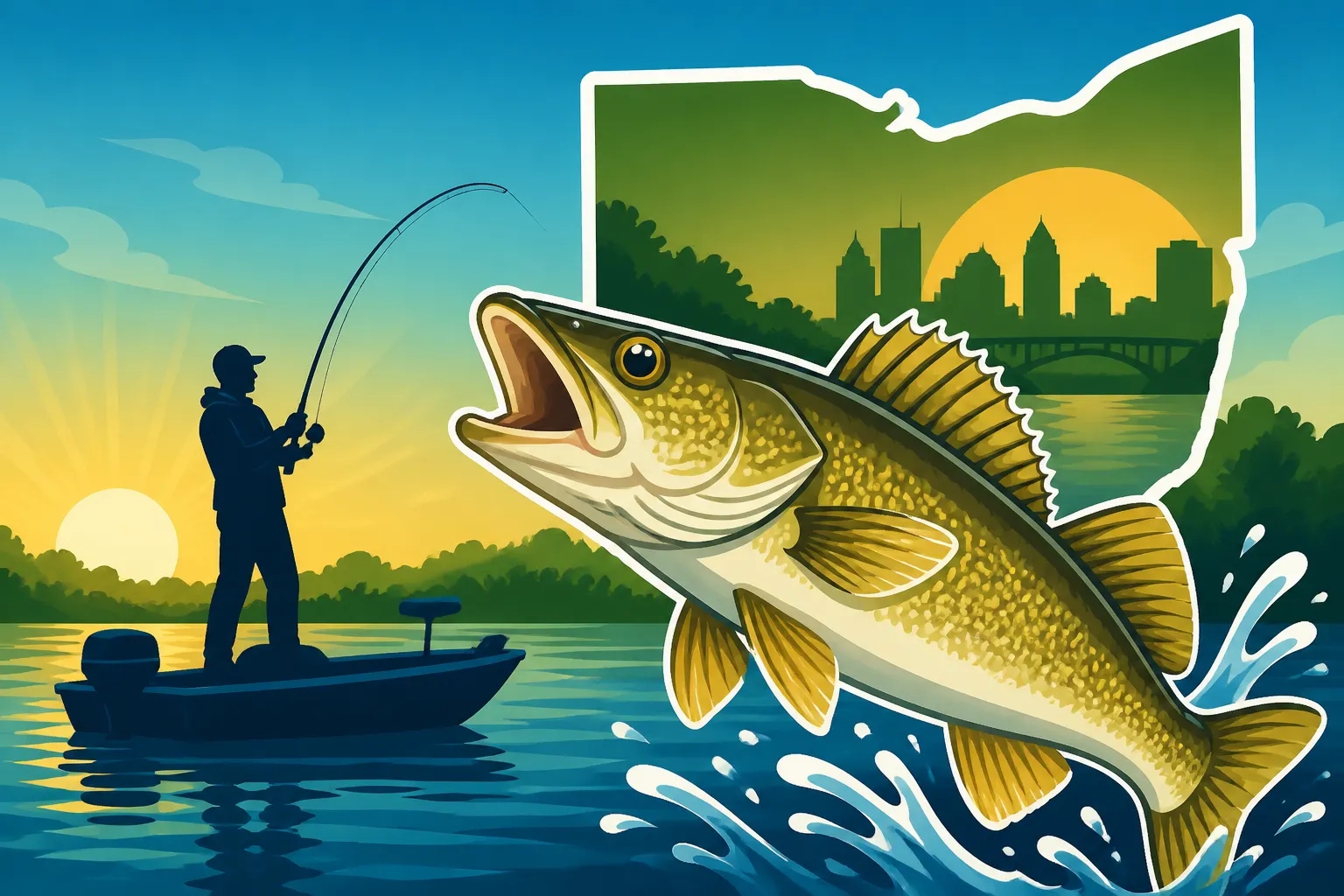
Ohio's walleye fishery is legendary, drawing anglers from across the nation to its bountiful waters. But knowing exactly where to find these elusive fish, when they're most active, and what techniques actually work can feel like trying to solve a complex puzzle. This comprehensive guide is designed to cut through the confusion, offering you an in-depth look at everything you need to know to pursue and successfully catch walleye in the diverse waters of Ohio.
Understanding Ohio's Walleye: Biology and Behavior
Before you even think about casting a line, getting to know the walleye itself is crucial. These fascinating fish are perfectly adapted to their environment, and understanding their biology and behavior patterns will give you a significant advantage on the water. They're not just any fish; they're predators with specific preferences.
Walleye Identification: What to Look For
Walleye (Sander vitreus) are often mistaken for their close cousins, the sauger or even the hybrid saugeye. However, there are distinct features that help identify a true walleye. Their most notable characteristic is their large, pearlescent eyes, which are highly sensitive to light, giving them excellent vision in dim conditions – hence the name "walleye." This sensitivity is a key factor in their behavior, often making them more active during dawn, dusk, and cloudy days, or in deeper, darker waters.
They have a long, slender body, typically olive and gold in color, with darker mottling or bars on their sides. A key identifier is the distinct white tip on the lower lobe of their caudal (tail) fin. This white tip is almost always present and is a reliable way to distinguish them from sauger, which lack this feature. Walleye also possess sharp dorsal fins, with the first dorsal fin being spiny and separate from the second, soft-rayed dorsal fin. When handling a walleye, be mindful of these spines, as they can deliver a painful poke. Understanding these physical traits not only helps you identify your catch but also appreciate how their physiology contributes to their predatory success.
Walleye Habitat Preferences in Ohio Waters
Walleye are masters of adaptation, but they generally prefer cooler, clear to slightly turbid waters with a good supply of oxygen. In Ohio, this translates to large, deep lakes and reservoirs, as well as significant river systems. They often associate with structure—anything that breaks up the bottom contour or provides ambush points. This could be rock piles, submerged timber, weed lines, drop-offs, humps, or even channel edges. They are light-sensitive, so during bright daylight hours, you'll often find them retreating to deeper water, shaded areas, or areas with increased turbidity to escape the sun's glare.
Their diet consists primarily of smaller baitfish like shad, shiners, perch, and smelt, so finding walleye often means finding their food source. Areas where baitfish congregate, especially around submerged structures or current breaks, are prime walleye territory. These fish are also quite nomadic, especially in larger bodies of water like Lake Erie, following baitfish migrations and temperature gradients throughout the seasons. This constant movement can make them challenging to track, but once you understand their preferred habitats and forage, you're well on your way to locating them.
Spawning Habits and Their Impact on Fishing
Walleye typically spawn in early spring, often from late March through April, depending on water temperature. They prefer water temperatures in the range of 40-50 degrees Fahrenheit. Their spawning ritual involves moving into shallow, rocky areas of lakes and reservoirs, or migrating up rivers and tributary streams to deposit their eggs over gravel and rubble bottoms. These hard-bottom areas provide the ideal substrate for their eggs to adhere and develop without being smothered by silt. You can learn more about this crucial period in Walleye Spawning Behavior in Ohio.
During the pre-spawn period, walleye are often highly aggressive as they stage in preparation for spawning, making them very susceptible to angling. Post-spawn, they can be lethargic for a short time as they recover, but soon after, they move into their summer feeding patterns. Understanding the timing and locations of their spawning movements is absolutely critical for successful spring walleye fishing. Anglers often target rivers during the spring runs, or specific shallow, rocky reefs in Lake Erie. Knowing these patterns helps you anticipate where they'll be and what they'll be focused on, allowing you to tailor your approach accordingly.
Top Walleye Fishing Spots in Ohio
Ohio is incredibly blessed with diverse fishing opportunities, and when it comes to walleye, we've got some true gems. From the world-famous Lake Erie to productive inland reservoirs and river systems, there's a walleye adventure waiting for every angler.
Lake Erie: The Walleye Capital
It's no secret: Lake Erie is widely regarded as the "Walleye Capital of the World," and for good reason. This massive Great Lake consistently produces incredible numbers of walleye, including many trophy-sized fish. The western basin of Lake Erie, stretching from Toledo to the Lake Erie Islands, is particularly renowned for its vast shallow areas, fertile bottom, and abundant baitfish, which creates an ideal nursery and feeding ground for walleye. As the season progresses, walleye can be found throughout the central basin as well, especially during the summer months when they move into deeper, cooler waters.
Fishing Lake Erie is often a boat-based endeavor, with charters being a popular option for those without their own vessel. Many anglers opt for trolling techniques, covering vast expanses of water to intercept roaming schools of fish. Popular ports like Port Clinton, Sandusky, and Cleveland serve as hubs for walleye fishing, offering numerous launch ramps and charter services. The sheer volume of walleye in Lake Erie means that even on a slow day, your chances are often better here than almost anywhere else. However, mastering Lake Erie requires understanding its nuances, including wind, current, and fish movements. For an even deeper dive, check out our Lake Erie Fishing Guide for Ohio Anglers.
Inland Reservoirs for Trophy Walleye
While Lake Erie garners much of the attention, Ohio's inland reservoirs are fantastic alternatives, especially if you're looking for a more accessible option or a different angling experience. Many of these lakes are regularly stocked with walleye and saugeye (a walleye-sauger hybrid), offering excellent fishing closer to home. Lakes like Mosquito Creek Lake, Hoover Reservoir, and Indian Lake are prime examples where dedicated anglers can consistently pull in quality walleye. These inland waters often have distinct structures like old creek channels, submerged roadbeds, humps, and points that walleye gravitate towards.
Unlike the vastness of Lake Erie, these reservoirs can feel more manageable, allowing anglers to focus on specific features and patterns. Techniques often involve a mix of trolling, jigging, and casting, adapting to the depth and structure of each particular lake. Early spring and late fall are often peak times for inland walleye, as they become more active in cooler water. If you're looking for specific recommendations for these fantastic locations, our Best Ohio Reservoirs for Walleye and Saugeye guide has you covered. Don't underestimate these local gems; they offer a fantastic challenge and the potential for a true trophy.
River Systems and Their Seasonal Runs
Ohio's river systems provide a dynamic and exciting opportunity for walleye fishing, particularly during the spring spawning runs. Major rivers like the Maumee, Sandusky, and Scioto, as well as sections of the Ohio River, experience significant migrations of walleye moving upstream to spawn. These "runs" concentrate thousands of fish in relatively small areas, offering a unique chance for shore anglers and boaters alike to hook into abundant walleye.
During these river runs, vertical jigging, casting stickbaits, and drift fishing with live bait are highly effective. The strong current of a river dictates different techniques compared to stillwater fishing, often requiring heavier jigs or specific boat positioning. The timing of these runs is critical and depends heavily on water temperature and flow, but generally kicks off in March and continues into April. Beyond the spring run, walleye can still be found in various river sections, often holding in deeper pools, current seams, or around submerged structures where they can ambush prey. Understanding river dynamics, such as eddies and current breaks, is key to success in these flowing waters.
Seasonal Walleye Fishing Strategies
Walleye behavior changes dramatically with the seasons, driven by water temperature, light conditions, and spawning instincts. To consistently catch them, you need to adapt your strategies throughout the year. What works in spring won't necessarily work in summer, and vice-versa.
Spring: Spawning Runs and Post-Spawn Bites
Spring is a highly anticipated time for Ohio walleye anglers, primarily because of the famous spawning runs. As ice melts and water temperatures climb into the 40s Fahrenheit, walleye instinctively begin their migration to traditional spawning grounds. Rivers like the Maumee and Sandusky become teeming with fish, and shallow, rocky reefs in Lake Erie also see a massive influx. During this pre-spawn period, walleye are aggressive and focused on feeding to build up energy for spawning. Vertical jigging with minnows or soft plastics, casting shallow-diving stickbaits, and working blade baits are highly effective techniques in these concentrated areas.
After the spawn, walleye can be a bit sluggish as they recover, but this lull is usually brief. Soon after, they disperse from their spawning areas and begin their post-spawn feeding frenzy. They're hungry and willing to chase baits. In early post-spawn, look for them staging in slightly deeper water adjacent to spawning grounds or moving towards main lake basins. Trolling crankbaits or Jigging Techniques for Lake Erie Walleye can be very effective as they spread out and resume more active feeding patterns. This is a crucial window for anglers, offering some of the year's most consistent action.
Summer: Deep Water Trolling and Structure Fishing
As summer heat sets in and water temperatures rise into the 60s and 70s Fahrenheit, walleye in larger bodies of water like Lake Erie generally move to deeper, cooler sections. Their light-sensitive eyes make them seek refuge from bright sun in these deeper zones, often suspended over open water or relating to deep structures like humps, drop-offs, and thermoclines. This is prime time for open-water trolling, a highly productive method on Lake Erie. Anglers deploy planer boards to spread out multiple lines, running crankbaits, spoons, or crawler harnesses at specific depths to intercept schools of fish. You can find excellent advice on this in Ohio Trolling Techniques for Lake Erie.
In inland reservoirs, walleye will also retreat to deeper main lake basins or congregate around submerged structures, points, and channel edges. Electronics become indispensable during summer to locate these fish, especially when they are suspended. Using your fish finder to mark schools of baitfish and nearby walleye is key. Techniques such as bottom bouncing with crawler harnesses or vertical jigging over marked fish can be very effective. Early mornings, late evenings, and cloudy days often provide the best bites, even in deep water.
Fall: Feeding Frenzies and Transition Zones
Fall is a fantastic time to target walleye in Ohio, offering some of the year's most aggressive bites. As water temperatures begin to cool in September and October, walleye sense the approaching winter and embark on a major feeding binge to pack on weight. They become more active, moving into shallower waters for longer periods and feeding heavily on baitfish. This can often mean a return to areas that were productive in spring or early summer, such as reef edges, points, and flats adjacent to deeper water.
During fall, a wide range of techniques can be effective. Trolling crankbaits and spoons remains a staple on Lake Erie and larger reservoirs, but casting stickbaits and jerkbaits to shoreline breaks or shallow structures can also produce spectacular results, especially during low-light conditions. Jigging with minnows or soft plastics around rocky humps and drop-offs is another killer strategy. The fish are often fat, healthy, and willing to strike, making fall a favorite season for many walleye enthusiasts. Don't overlook the potential for a trophy walleye during this period of intense feeding.
Winter: Ice Fishing for Walleye
When winter arrives and locks many of Ohio's inland lakes and parts of Lake Erie in ice, a whole new world of walleye fishing opens up: ice fishing. This unique angling experience offers a direct connection to the fish, often allowing you to target specific structures and depths with precision. While not all Ohio waters are safe for ice fishing, many smaller lakes and protected bays of Lake Erie offer excellent opportunities once the ice is thick enough. Always prioritize safety and check ice conditions before venturing out.
Ice fishing for walleye typically involves jigging with small spoons, blade baits, or soft plastics tipped with a minnow head. Tip-ups, set with live minnows, are also highly effective for passive presentation. Walleye will often cruise along breaks, humps, and points under the ice, actively seeking out food. Early morning and late afternoon into dusk are generally the most productive times, mirroring their open-water behavior. Investing in a good flasher or a portable fish finder can dramatically increase your success, helping you locate fish and determine their depth. It's a cold but rewarding pursuit, offering the chance to catch some truly large walleye.
Essential Walleye Fishing Techniques
Catching walleye is a blend of science and art, often requiring a diverse set of techniques to adapt to changing conditions and fish behavior. Whether you're a seasoned pro or just starting, having a solid understanding of these methods will greatly improve your success.
Trolling with Crankbaits and Crawler Harnesses
Trolling is undeniably one of the most effective ways to cover water and find active walleye, especially on vast expanses like Lake Erie or large inland reservoirs. It involves dragging lures or baits behind a moving boat at a controlled speed. The key is to match your speed and lure depth to the walleye's location and preferred baitfish. Crankbaits are excellent for imitating baitfish and can be chosen to dive to specific depths or run just above the bottom. Color selection often depends on water clarity and light conditions; natural baitfish patterns in clear water, and brighter colors like chartreuse or fire tiger in stained water.
Crawler harnesses, which consist of spinner blades, beads, and hooks rigged with a live nightcrawler, are another trolling staple. The spinner creates vibration and flash, attracting walleye, while the nightcrawler provides natural scent and action. These are often fished behind bottom bouncers or inline weights to maintain specific depths. Using planer boards allows you to spread out multiple lines, covering a wider swath and experimenting with different lures and depths simultaneously. Fine-tuning your trolling speed and experimenting with lure choices are critical components of mastering this technique.
Jigging and Drift Fishing Methods
Jigging is a highly versatile and engaging technique for walleye, allowing for precise bait presentation and direct interaction with the fish. It involves vertically dropping a weighted lure (a jig) to the desired depth and imparting action with short, sharp lifts and drops of the rod. This mimics an injured baitfish or invertebrate, enticing strikes. Jigging is particularly effective when walleye are concentrated around structure, holding in current, or suspended over specific depth contours. Common jig baits include soft plastic grubs, paddle tails, or live minnows and shiners.
Drift fishing, often combined with jigging or other presentations, is another effective strategy, especially on windy days or in river current. It involves allowing your boat to drift with the wind or current, covering water while presenting your baits. This is a classic method for targeting yellow perch on Lake Erie, but it's also highly effective for walleye. You can drift with jigs, crawler harnesses, or slip bobbers rigged with live bait. The challenge lies in controlling your drift speed and trajectory to effectively present your bait to active fish. Both jigging and drift fishing allow for a more hands-on approach and can be incredibly rewarding when you dial them in.
Casting from Shore and Boats
While many anglers associate walleye fishing with boats and deep water, casting from shore or from a stationary boat can be incredibly productive, especially during specific times of the year or in particular locations. This technique is more accessible for many anglers and can offer some thrilling bites. In early spring, during river runs or when walleye move into shallow feeding areas, casting from shore with stickbaits, lipless crankbaits, or jigs can be highly effective. The key is to find areas with good access to deeper water, current seams, or rocky structures where walleye will congregate.
From a boat, casting allows for precise targeting of specific structures like weed lines, rock piles, or submerged timber that might be difficult to troll effectively. Early mornings, evenings, and cloudy days are often the best times for casting presentations, as walleye are more likely to be in shallower, more accessible water during low-light conditions. Experiment with different retrieve speeds and lure actions to trigger strikes. Whether from shore or boat, casting demands stealth and a keen eye for fish-holding structure. Remember, a good pair of polarized sunglasses can help you spot subtle changes in the water that indicate potential walleye hiding spots.
Walleye Gear and Tackle: What You Need
Having the right tools for the job can make all the difference in walleye fishing. From the right rod and reel combo to specific lures and invaluable electronics, investing in quality gear tailored for walleye will enhance your experience and increase your catch rates.
Rods, Reels, and Line for Walleye Success
When it comes to walleye fishing, your rod and reel setup is crucial. A medium to medium-light power spinning or casting rod, typically 6'6" to 7'6" long, is a good all-around choice. Look for a rod with a fast or extra-fast action, meaning the tip bends easily but the backbone is stiff. This provides the sensitivity needed to detect subtle walleye bites and the power to set the hook firmly. For jigging, a shorter, more sensitive rod is often preferred, while longer rods are great for casting longer distances or trolling.
Pair your rod with a reliable spinning reel in the 2000-3000 size range, or a baitcasting reel with a good drag system for trolling. Spool your reels with quality line. Many anglers opt for 6-10 pound test monofilament for its stretch and shock absorption, or fluorocarbon for its invisibility and sensitivity. Braided line in 10-20 pound test is also a popular choice, especially for jigging, due to its incredible sensitivity and lack of stretch, which makes detecting subtle bites easier. If using braid, a fluorocarbon leader is often added to provide invisibility. You can find a wide array of options for all these components on Amazon, making it easy to put together your ideal setup.
Best Lures and Baits for Ohio Walleye
The world of walleye lures and baits is vast, but a few staples consistently produce results in Ohio waters.
- Crankbaits: These are essential for trolling and casting. Shallow-diving models (like Rapala Shad Raps or Berkley Flicker Shads) work well in spring and fall, while deep-diving models (like Reef Runners or Deep Walleye Divers) are critical for summer trolling. Colors vary, but natural baitfish patterns, perch, fire tiger, and chartreuse are often top producers.
- Jigs: From 1/8 oz to 3/4 oz, jigs are incredibly versatile. Tipped with live minnows, shiners, or soft plastic grubs and paddle tails, they're effective for vertical jigging, casting, and drift fishing. Popular colors include chartreuse, white, pink, and black.
- Crawler Harnesses: These are a must-have for trolling, especially in summer. They combine flash, vibration, and the natural scent of a nightcrawler to entice strikes. Different blade sizes and colors (silver, gold, chartreuse, orange) can be swapped to match conditions.
- Blade Baits: Lures like the Heddon Sonar or Rapala Rippin' Rap are fantastic for jigging in rivers or open water. Their vibrating action and flashy profile are irresistible to walleye, especially when they're aggressive.
- Live Bait: Minnows (shiners, fatheads, suckers), nightcrawlers, and leeches are often the most effective baits, especially when fished on a jig, slip bobber, or crawler harness.
Having a diverse selection in your tackle box, whether you bought them locally or from a large retailer like Amazon, allows you to adapt to whatever the walleye are biting on that day. For even more detailed lure recommendations, check out our Best Lures for Ohio Fishing guide.
Electronics and Accessories for Locating Fish
In modern walleye fishing, electronics are no longer a luxury but a necessity, particularly on large bodies of water.
- Fish Finders (Sonars/Chartplotters): These devices allow you to "see" underwater. They display depth, bottom contours, submerged structure, and, most importantly, fish. High-end units combine traditional 2D sonar with side-imaging and down-imaging, giving you a comprehensive view of the underwater world. Being able to mark baitfish schools and individual walleye, especially suspended ones, is invaluable. Learning How to Read a Fish Finder for Suspended Walleye is a game-changer.
- GPS/Chartplotters: Integrated into most modern fish finders, GPS allows you to mark waypoints, track your trolling passes, and navigate safely. Knowing exactly where you caught a fish or where a productive structure is located allows you to return to that spot precisely.
- Electric Trolling Motors with Spot-Lock: These advanced motors, like those from Minn Kota or Motorguide, allow you to precisely control your boat's speed and direction, crucial for trolling. The "Spot-Lock" feature acts like a virtual anchor, holding your boat in place over a specific waypoint, which is fantastic for jigging or casting to a productive area.
- Coolers and Livewells: A good cooler is essential for keeping your catch fresh, and a livewell (or a portable aerated bait bucket) is vital for keeping live bait frisky throughout the day.
- Landing Nets: A large, rubberized landing net is essential for safely landing walleye, especially trophy fish. The rubber coating protects the fish's slime coat, important for catch and release.
These accessories, many readily available on Amazon, not only enhance your fishing efficiency but also contribute to a safer and more enjoyable experience on the water.
Ohio Walleye Regulations and Conservation
Fishing success isn't just about catching fish; it's also about understanding and respecting the rules that protect our fisheries for future generations. Walleye regulations in Ohio are designed to manage fish populations sustainably.
Statewide and Lake Erie Specific Limits
Ohio's fishing regulations, including those for walleye, are established by the Ohio Department of Natural Resources (ODNR) Division of Wildlife. It's crucial to consult the most current regulations booklet or the ODNR website before each fishing season, as rules can change. Generally, walleye regulations will specify:
- Daily Bag Limit: The maximum number of walleye you can keep in a single day. This can vary by location (e.g., Lake Erie vs. inland lakes) and time of year.
- Minimum Length Limit: The smallest size of walleye you are legally allowed to keep. Any fish shorter than this must be immediately released. This is vital for allowing young fish to grow and reproduce.
- Closed Seasons/Areas: In rare instances, specific areas might have a closed season or special restrictions, particularly during spawning periods, to protect concentrated fish.
Lake Erie, given its unique status as a world-class fishery, often has specific regulations that differ from statewide inland lake limits. For example, Lake Erie Walleye Bag Limits are carefully managed to balance angler opportunity with the long-term health of the robust population. Always ensure you are familiar with the specific rules for the body of water you intend to fish. Violating these regulations can result in fines and loss of fishing privileges. Remember, ignorance of the law is not an excuse. Familiarize yourself with the Ohio Fishing Regulations Every Angler Should Know.
Responsible Catch and Release Practices
While many anglers keep walleye for their delicious table fare, practicing responsible catch and release is vital for conservation, especially for larger breeding fish. If you plan to release a walleye, follow these guidelines to maximize its survival:
- Minimize Fight Time: Bring the fish in as quickly as possible to reduce stress and exhaustion.
- Handle With Care: Avoid touching the fish with dry hands, as this can remove their protective slime coat. If possible, keep the fish in the water while unhooking.
- Use Appropriate Tools: Have a pair of long-nosed pliers or a de-hooker ready to quickly remove hooks. If the fish is deeply hooked, especially in the gills, it might be best to cut the line as close to the hook as possible.
- Support the Fish: If you must remove the fish from the water for a photo, support its body horizontally. Never hold a large walleye vertically by the jaw, as this can damage its internal organs.
- Revive Properly: If the fish seems sluggish, hold it gently in the water, facing into a mild current, and move it back and forth to force water over its gills until it can swim away under its own power.
Responsible angling practices ensure that the incredible walleye fishing opportunities in Ohio can be enjoyed by generations to come.
Why Conservation Matters for Walleye Populations
The health of Ohio's walleye fishery is a testament to strong conservation efforts, including stocking programs, habitat protection, and responsible harvest limits. Walleye are a keystone species in many ecosystems, and their well-being reflects the overall health of the aquatic environment. Factors like water quality, habitat degradation, and overfishing can severely impact populations.
By adhering to regulations, practicing ethical angling, and supporting conservation initiatives, every angler plays a direct role in protecting this precious resource. This includes reporting suspicious activity to wildlife officers and educating fellow anglers on best practices. The sustained abundance of walleye, particularly in Lake Erie, is a shining example of how effective management and angler cooperation can lead to thriving fisheries. Let's all do our part to ensure that Ohio remains a premier destination for walleye fishing.
Planning Your Ohio Walleye Adventure
Now that you're armed with knowledge about walleye, where to find them, how to catch them, and the rules to follow, it's time to plan your own Ohio walleye adventure. A little preparation goes a long way in ensuring a successful and enjoyable trip.
Hiring an Ohio Fishing Charter
For many, especially those new to Lake Erie or without their own boat, hiring an Ohio fishing charter is the best way to experience world-class walleye fishing. Charter captains are professionals who know the waters intimately, possess specialized equipment, and can put you on fish when you might struggle on your own. They typically provide all the necessary gear, bait, and often even clean your catch at the end of the day.
When choosing a charter, look for a captain with a good reputation, a well-maintained boat, and a focus on safety. Many charters operate out of popular ports like Port Clinton, Sandusky, and Cleveland. It's wise to book well in advance, especially for peak season dates. While charter costs can vary, they offer an unparalleled experience and a high likelihood of success. For a detailed breakdown of what to expect and how to choose, consult our Ohio Fishing Charter Guide or specifically for Lake Erie, the Lake Erie Walleye Charter Guide. It's an investment that often pays off with a cooler full of fish and unforgettable memories.
Best Times to Plan Your Trip
The "best" time to fish for walleye in Ohio really depends on what kind of experience you're looking for and where you plan to fish.
- Spring (March-May): Excellent for river run fishing and early season lake action. Fish are concentrated, making them easier to target. This is When Ohio's Walleye Season Peaks on Lake Erie.
- Summer (June-August): Prime for deep-water trolling on Lake Erie and active fish in inland reservoirs. Requires more advanced electronics and techniques to locate fish.
- Fall (September-November): Often the most consistent time for trophy fish, as walleye feed aggressively before winter. Both casting and trolling can be highly productive.
- Winter (December-February): Best for ice fishing on safe, frozen lakes, offering a unique and often productive angling experience.
Considering factors like weather, water temperature, and fish behavior is crucial. For example, Best Month to Catch Walleye on Lake Erie is a popular query, and often, May, June, and October are top contenders depending on if you're targeting numbers or trophies. Always check local fishing reports and weather forecasts leading up to your trip.
Safety Considerations on the Water
Safety should always be your top priority when heading out on the water, especially on large bodies like Lake Erie.
- Weather Awareness: Lake Erie's weather can change rapidly. Always check the marine forecast before and during your trip. Be prepared to head back to shore if conditions deteriorate.
- Life Jackets: Ensure everyone on board has a properly fitting life jacket, and wear them, especially if conditions are rough or water temperatures are cold. Kids under specific ages are often legally required to wear them.
- Boat Maintenance: If you're using your own boat, ensure it's in good working order, with all safety equipment (flares, horn, fire extinguisher, first-aid kit) readily accessible.
- Know Your Limits: Don't venture further offshore or stay out longer than your experience level or boat capabilities allow.
- Communication: Inform someone on shore of your float plan (where you're going, when you expect to return). Have a reliable means of communication, like a marine radio or a fully charged cell phone.
- Ice Safety: If ice fishing, never venture onto unsafe ice. "No ice is safe ice" is a common saying. Always check conditions, fish with a buddy, and carry safety equipment like ice picks and a rope.
By planning ahead, staying informed, and prioritizing safety, your Ohio walleye fishing trip will be not only successful but also a truly enjoyable and memorable experience. Don't forget to secure your Ohio Fishing License Guide for Residents and Nonresidents before you head out!
| Season | Typical Walleye Location | Primary Techniques | Recommended Lures/Baits |
|---|---|---|---|
| Spring | Rivers, shallow reefs, near spawning areas | Vertical Jigging, Casting | Jigs (minnow/plastic), Stickbaits, Blade Baits |
| Summer | Deeper main lake basins, suspended over structure | Trolling, Bottom Bouncing | Deep-diving Crankbaits, Crawler Harnesses, Spoons |
| Fall | Transition areas, points, flats, main lake basins | Trolling, Casting, Jigging | Crankbaits (various depths), Jerkbaits, Jigs |
| Winter | Humps, breaks, bottom structure under ice | Ice Jigging, Tip-ups | Small Spoons, Blade Baits, Live Minnows |
Disclaimer
This article is for general informational purposes only and does not constitute professional advice. Laws, prices and regulations vary by location and change over time. Consult a qualified professional for guidance on your specific situation.