Wildlife Officer Violation Fines in Ohio
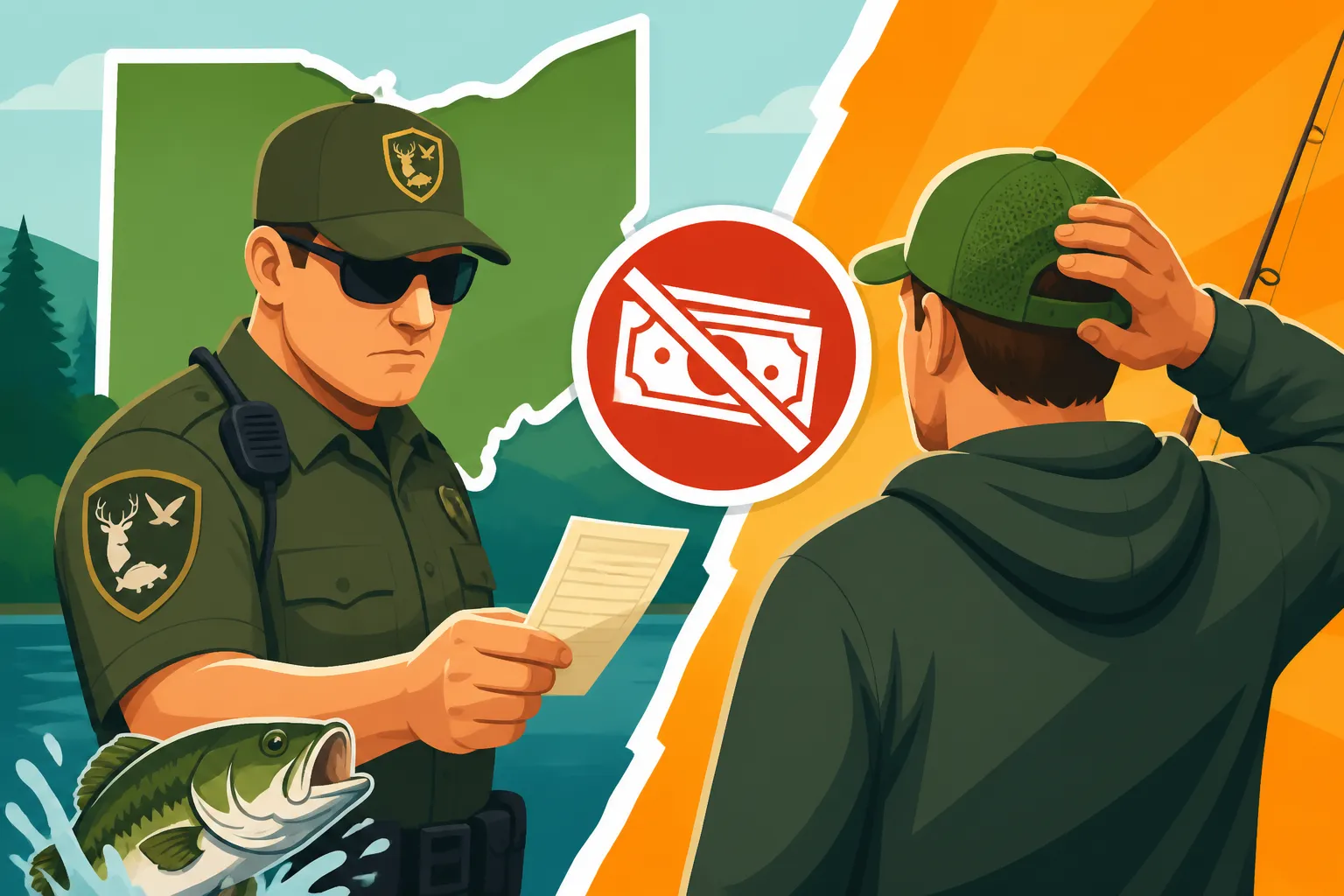
There’s nothing quite like a peaceful day out on Ohio’s waters, rod in hand, soaking up the tranquility. But that calm can shatter pretty quickly if you hear an unexpected "Excuse me, sir/ma'am, do you have a moment?" from a uniformed Ohio wildlife officer. The thought of a fishing violation and the fines that come with it can be daunting, leaving many anglers feeling confused, frustrated, and even a little anxious. This comprehensive guide will walk you through the realities of wildlife officer violation fines in Ohio, demystifying common infractions, explaining the potential penalties, and equipping you with the knowledge to ensure your next fishing trip is enjoyable and compliant.
Understanding the Role of Ohio Wildlife Officers
Before we dive into the nitty-gritty of fines, it’s helpful to understand who Ohio wildlife officers are and what their job entails. These aren't just folks looking to hand out tickets; they are dedicated professionals committed to conserving Ohio's natural resources and ensuring fair and safe outdoor recreational opportunities for everyone. Think of them as the guardians of our lakes, rivers, and forests.
Their Authority and Responsibilities
Ohio wildlife officers, who are officially commissioned law enforcement officers with the Ohio Department of Natural Resources (ODNR) Division of Wildlife, possess full police authority. This means they can enforce all Ohio laws, not just those pertaining to wildlife. Their primary focus, however, is on upholding fishing, hunting, trapping, and boating regulations. They patrol vast areas, from bustling Lake Erie marinas to secluded farm ponds and remote stretches of the Ohio River, ensuring that anglers adhere to established rules designed to protect fish populations and maintain ecological balance.
Beyond enforcement, these officers often engage in educational outreach, provide assistance during emergencies, and participate in wildlife management programs. They are an invaluable resource, often happy to answer questions about regulations if you approach them respectfully. For instance, if you're unsure about the current Lake Erie Walleye Bag Limits, asking an officer (before you've already broken a rule!) can save you a lot of headache. Their presence is ultimately for the good of the resource and the safety of the public, even if it feels a little intimidating sometimes.
How They Enforce Regulations
Wildlife officers employ various methods to ensure compliance. They conduct routine patrols by boat, vehicle, and even on foot, often observing anglers from a distance before making contact. They might check your fishing license, inspect your catch for size and bag limits, or verify that your equipment meets regulations, such as checking if you're adhering to the Two-Pole and Line Limit Rules in Ohio. It’s their job to ensure that everyone is playing by the same rules, which ultimately prevents overfishing and maintains healthy fish populations for future generations of anglers.
Sometimes, an officer might even be working undercover, observing fishing behavior at popular spots. They are trained to identify common violations and approach situations in a calm, professional manner. If an officer approaches you, the best course of action is always to be polite, cooperative, and provide any requested information or documentation promptly. Resisting or being uncooperative can escalate the situation and potentially lead to more severe consequences, including additional charges. They're just doing their job, and your cooperation helps everyone.
Common Fishing Violations and Their Fines
Ohio has a comprehensive set of fishing regulations, and while most anglers try to follow them, mistakes or intentional disregard can lead to fines. Knowing the most common violations can help you avoid them.
Fishing Without a License
This is perhaps the most frequent and easily preventable violation. Every resident and nonresident angler aged 16 and older needs an Ohio fishing license to fish in public waters. Many people mistakenly believe they don't need one if they're only fishing for a short time, or from shore, or if they're just "dunking a worm" in a local creek. These are common misconceptions. The law is clear: if you’re fishing, you need a license unless explicitly exempt (like during Ohio's Free Fishing Days, or for children under 16, as outlined in the Ohio Youth Fishing License Rules).
The fine for fishing without a license can vary, but it's often a hefty penalty that far exceeds the cost of purchasing an actual license. On top of the fine, you’ll likely still be required to purchase a license. It's truly not worth the risk. Imagine getting a fine for "What Happens If You Fish Without a License in Ohio" that’s several hundred dollars when a one-year resident license costs under $20! You can easily buy an Ohio Fishing License Online or find places Where to Buy an Ohio Fishing License in Person. Don't forget that you can even purchase a multi-year license to save yourself the hassle of renewing annually.
Exceeding Bag and Size Limits
Ohio’s fishing regulations include specific bag limits (the maximum number of fish of a certain species you can keep per day) and size limits (the minimum or maximum length a fish must be to be legally kept). These limits are critical for managing fish populations and ensuring sustainable angling. For example, keeping an undersized bass or too many walleye is not just "a little mistake"; it directly impacts the reproductive capacity and overall health of those fish stocks.
Exceeding these limits is a serious offense, and the fines often increase with the number of fish over the limit or the degree to which they are undersized. For instance, if you're out on Lake Erie and you keep more walleye than the daily limit allows, or if they are undersized, you could face significant penalties. The specific fines are outlined in the Ohio Fishing Regulations Every Angler Should Know, but expect them to be substantial, often hundreds of dollars per fish, depending on the species and the egregiousness of the violation. ODNR takes these rules very seriously because they're fundamental to the long-term health of our fisheries.
Fishing in Restricted Areas or Seasons
Not all waters are open to fishing year-round, and some areas have very specific regulations or are entirely off-limits. This could include private ponds without permission (though generally, no license is required for fishing a private pond in Ohio if you have landowner permission), fish spawning areas, or designated wildlife refuges. There are also specific Ohio Fishing Season Dates and Effective Periods for certain species or locations that you need to be aware of.
For example, fishing during a closed season for a particular species, or in a no-fishing zone, can result in fines and even confiscation of your gear. These restrictions are usually put in place to protect vulnerable fish populations during critical periods like spawning or to maintain sensitive habitats. Always check local signage and the current Ohio Fishing Regulations Booklet to confirm you’re in an authorized fishing area and that the season is open for your target species. Ignorance of the law is never a valid defense.
Improper Gear Usage and Other Infractions
Beyond licenses and limits, there are rules about how you fish and what you use. For instance, using too many lines, fishing with illegal bait, or snagging fish are all prohibited. Ohio fishing regulations stipulate how many fishing lines you can use in Ohio. Typically, anglers are limited to two poles and lines, though exceptions might apply in certain waters or for specific fishing techniques. Ice fishing also has its own specific rules, which you can read more about in our guide to Ohio Ice Fishing Rules on Ohio Lakes.
| Violation Type | Typical Penalty (Example) | Potential Additional Consequences |
|---|---|---|
| Fishing Without a License | Base fine: ~$100-$150 + court costs + required license | Possible license suspension/revocation |
| Exceeding Bag Limit | ~$50-$200 per fish over limit + court costs | Confiscation of catch, license suspension/revocation |
| Undersized Fish | ~$50-$200 per fish + court costs | Confiscation of catch, license suspension/revocation |
| Fishing in Closed Season/Area | ~$150-$300 + court costs + potential gear confiscation | License suspension, criminal trespass charges |
| Using More Than 2 Poles | ~$75-$150 + court costs | |
| Littering | ~$100-$250 + court costs | Community service |
| Obstructing an Officer | ~$200-$500 + court costs + possible arrest | Jail time, severe license penalties |
Note: These are illustrative examples. Actual fines and penalties are subject to judicial discretion and specific circumstances.
Littering, another common infraction, isn't just an eyesore; it's detrimental to wildlife and their habitats. Leaving behind fishing line, bait containers, or food wrappers is a direct violation of environmental laws. It's always best practice to pack out everything you pack in. Consider carrying a small trash bag with you, perhaps a reusable one that you bought from Amazon, to ensure no waste is left behind.
Factors Influencing Violation Penalties
It's not always a black-and-white situation when it comes to fishing violations. Several factors can influence the severity of the penalty you might face. These elements often come into play when an officer decides whether to issue a warning, a citation, or pursue more serious charges.
Severity of the Offense
The nature of the violation plays a significant role in determining the fine. A minor infraction, like having one undersized panfish or forgetting to sign your license, might result in a warning or a lower fine. However, more egregious offenses, such as intentionally poaching a large number of fish, keeping multiple trophy-sized fish over the limit, or using illegal methods like netting, will draw much stiffer penalties. ODNR has a fine schedule, but judges have discretion.
Consider the difference between accidentally snagging a fish outside the mouth and keeping it (which might be a fine for improper taking) versus setting up a gill net to harvest hundreds of fish illegally. The latter would be considered a severe violation with substantial fines, potential jail time, and permanent loss of fishing privileges, because it directly harms the resource on a large scale.
Prior Offenses
Just like with traffic tickets, having a history of fishing violations in Ohio can significantly increase the penalties for subsequent offenses. A first-time offender might receive a warning or a minimal fine for a minor infraction, whereas a repeat offender might face maximum fines, mandatory court appearances, and longer license suspensions for the same offense. ODNR tracks fishing and hunting license holders, so they know if you've had previous run-ins.
This system is designed to deter habitual violators who repeatedly disrespect conservation laws. If an officer finds that you've been cited multiple times for similar offenses, such as repeatedly exceeding the daily limit, they are much less likely to show leniency, and the courts will view your case more harshly.
Cooperation with Officers
Your attitude and cooperation (or lack thereof) during an encounter with a wildlife officer can heavily influence the outcome. Being respectful, honest, and cooperative can go a long way. If you’ve made an honest mistake, acknowledging it and being forthright can sometimes lead to a warning instead of a ticket, especially for minor, non-malicious infractions. Officers are human, and a positive interaction can make a difference.
Conversely, being argumentative, evasive, or refusing to comply with a lawful request will almost certainly result in a citation and could even lead to additional charges like obstructing official business. This is where a minor issue can quickly escalate into a much larger legal problem. Always remember that wildlife officers are law enforcement, and treating them with respect is paramount.
The Process After Receiving a Citation
So, you've received a citation. What happens next? The process can seem confusing, but generally, you have a few options and important deadlines to meet.
Court Appearance Versus Paying the Fine
Most minor fishing violations in Ohio are "waiverable" offenses, meaning you can often pay the specified fine and court costs by mail or online before your scheduled court date, effectively admitting guilt and avoiding a court appearance. The citation itself will clearly indicate if it's a waiverable offense and provide instructions on how to pay. This is the simplest and most common route for many people.
However, if you choose not to pay the waiverable fine, or if your citation is for a non-waiverable offense (typically more serious violations), you must appear in court on the date specified on your ticket. Failing to appear can result in a warrant for your arrest, additional charges, and further legal trouble. If you believe you are innocent, or if you want to contest the charges, you should always appear in court and be prepared to present your case, potentially with legal representation.
Potential License Suspension or Revocation
Beyond monetary fines, one of the most significant consequences of certain fishing violations, especially repeat offenses or serious infractions, can be the suspension or even permanent revocation of your fishing license. This is often an administrative action taken by the ODNR, separate from any court-imposed fines.
For example, a conviction for a severe poaching offense or repeated disregard for bag limits could lead to a multi-year ban from fishing in Ohio. This can be particularly devastating for avid anglers. The intent behind such suspensions is to protect the resource from individuals who repeatedly demonstrate a lack of respect for conservation laws. Information on specific license penalties can often be found within the broader framework of the Ohio Fishing Regulations Every Angler Should Know.
Preventing Fishing Violations
The best way to deal with fishing violation fines is to avoid them entirely! It sounds obvious, but a little preparation and awareness can save you a lot of hassle and money.
Knowing the Regulations
This is the golden rule of responsible angling. Ohio's fishing regulations change periodically, so relying on outdated information is a recipe for trouble. Before heading out, especially at the start of a new year or if you're visiting a new body of water, always consult the current regulations.
The Ohio Department of Natural Resources (ODNR) provides an annual fishing regulations booklet, which you can usually pick up at most bait shops, sporting goods stores, or ODNR offices. You can also find the Ohio Fishing Regulations PDF Online, which is a great resource. Pay close attention to statewide regulations, but also look for any special regulations specific to the body of water you'll be fishing, such as those that apply to the Ohio River or specific lakes. Understanding things like Inland Walleye and Saugeye Size Limits or Catfish Regulations by Species is crucial for a worry-free day.
Double-Checking Gear and Licenses
A common oversight is simply forgetting your license or realizing it has expired. Before you even leave the house, make it a habit to confirm your license is valid and that you have a physical or digital copy with you. Many states, including Ohio, allow you to carry a digital image on your phone, but it's always smart to have a backup. You can even buy a waterproof license holder on Amazon to keep it safe.
Also, quickly review your gear to ensure it complies with local rules. For instance, if you're fishing in a special regulation area that limits bait types, make sure you don't accidentally bring prohibited items. Forgetting to count your poles, or having too many hooks on a single line where regulations specify otherwise, are small details that can still lead to a citation. A quick double-check can prevent a lot of potential headaches and ensure your fishing trip remains purely recreational.
Being a Responsible Angler
Beyond just following the letter of the law, being a truly responsible angler encompasses a broader set of behaviors. This includes practicing catch and release properly for fish you don't intend to keep, minimizing your impact on the environment, and being courteous to other anglers and boaters.
Always dispose of your trash properly, including old fishing line, bait containers, and food wrappers. Consider using lead-free tackle to protect wildlife from lead poisoning. If you're using a boat, understand and follow all boating safety regulations. By acting responsibly, you not only avoid potential fines but also contribute to the overall health and enjoyment of Ohio’s beautiful natural resources. This ethos ensures that the sport of fishing remains sustainable and pleasant for everyone who loves to cast a line.
Disclaimer
The information provided in this guide is for general informational purposes only and does not constitute legal advice. Fishing regulations and associated fines are subject to change. Always refer to the most current official Ohio Department of Natural Resources (ODNR) regulations and consult with legal counsel if you have specific questions or concerns about a violation.