Where to Find the Ohio Fishing Regulations Booklet
It's incredibly frustrating when you're gearing up for a relaxing day on the water, but you’re left scratching your head, wondering if you have the latest Ohio fishing regulations. The rules seem to change just often enough to keep us on our toes, and nobody wants to inadvertently break a law or miss out on a great fishing opportunity because they weren't informed. This guide is here to cut through the confusion and show you exactly where to find the most current and official Ohio fishing regulations booklet, ensuring your next angling adventure is worry-free and compliant.
The Absolute Importance of Up-to-Date Regulations
Let's be real, reading through a dense regulations booklet might not sound like the most thrilling part of fishing. Most of us just want to grab our gear, hit the lake, and cast a line. But trust me, making sure you're working with the latest rules and information is not just about staying out of trouble; it's about being a responsible angler and ensuring the future of Ohio's fantastic fisheries. The Ohio Department of Natural Resources (ODNR) works tirelessly to manage fish populations, and these regulations are the backbone of those efforts.
Think about it this way: what was legal last year might have a slight tweak this year, especially for popular species or certain bodies of water. Maybe the walleye limit on Lake Erie shifted slightly, or a new size restriction was introduced for bass in a particular reservoir. These changes aren't arbitrary; they're based on scientific data and the health of the fishery. Ignorance of the law is never an excuse, and a quick check of the regulations can save you a lot of headaches – and potentially, money.
Avoiding Costly Fines and Penalties
Nobody wants to have their peaceful day on the water interrupted by a wildlife officer, only to find out they're facing a fine. The penalties for fishing without a license or violating bag and size limits can be surprisingly steep. We're talking about potential fines that could easily put a dent in your tackle budget or, worse, make you think twice about fishing again for a while. It’s not just about the monetary cost either; it’s the hassle, the court appearance if it comes to that, and the overall stress that could put a damper on your passion.
Imagine you've had an incredible day, caught a few monster largemouth bass, and you're feeling proud. You get back to the ramp, and an officer asks to see your catch. If you didn't realize that particular lake had a slot limit, or that the statewide bass limits for inland lakes had changed, your prize catch could quickly turn into a citation. It's a tough lesson to learn, and one that's entirely avoidable by simply consulting the current Ohio fishing regulations booklet before you even leave your driveway. Being informed is your first line of defense. Knowing what happens if you fish without a license in Ohio can certainly encourage proactive checking of the rules.
Ensuring Sustainable Fishing Practices
Beyond the personal ramifications, understanding and following the regulations is absolutely vital for the sustainability of Ohio's fish populations. The ODNR doesn't just pull these numbers out of thin air. They conduct extensive surveys, monitor fish health, and analyze angler harvest data to determine what bag and size limits are necessary to maintain healthy, thriving fisheries for generations to come. Every regulation, from the seasonal closure for certain species to the daily creel limits, serves a purpose.
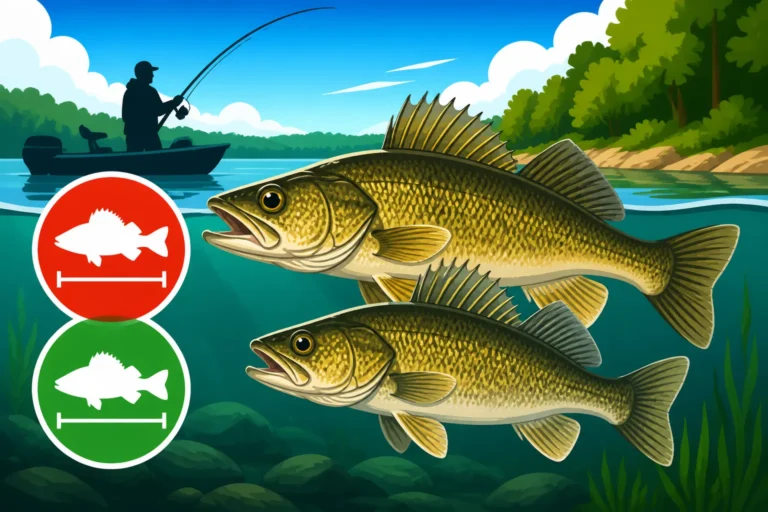
For instance, minimum length limits for fish like walleye, bass, and muskie ensure that a sufficient number of fish reach maturity and have a chance to spawn before being harvested. This allows them to contribute to the next generation, preventing overfishing and population decline. Without these rules, and without anglers adhering to them, our favorite fishing spots could quickly become barren. By taking the time to review the Ohio Fishing Regulations Every Angler Should Know and understand the intent behind them, you're not just complying with the law; you're actively participating in conservation, helping to preserve the rich angling heritage we all cherish in Ohio.
Official Sources for the Ohio Fishing Regulations Booklet
Alright, so we've established why it's so important to have the latest info. Now, let's get down to the nitty-gritty: where do you actually find this elusive booklet? The key word here is official. You want the most accurate, up-to-date information directly from the source, which in Ohio is the Ohio Department of Natural Resources (ODNR) Division of Wildlife. Forget relying on old printouts from years ago or questionable online forums; stick to the trusted sources.
The good news is that the ODNR makes it quite accessible. Whether you prefer the convenience of digital access or the tactile feel of a paper copy, there are straightforward ways to get your hands on the official regulations. Don't fall into the trap of assuming last year's rules are still valid; checking the current year's guide is always the smart play, especially since Ohio fishing season dates and effective periods can sometimes shift.
Online Access via the ODNR Website
In this digital age, the easiest and fastest way to get your hands on the current Ohio fishing regulations is by visiting the official ODNR Division of Wildlife website. They consistently update their site with the latest information, typically at the beginning of each new regulation year (which often coincides with the license year). This is usually where you'll find the most current version of the Ohio Fishing Regulations PDF, which is identical to the printed booklet.
To find it, simply head over to the ODNR Division of Wildlife website and look for sections related to "Fishing," "Regulations," or "Licenses." There's usually a prominent link titled something like "Ohio Fishing Regulations PDF Online " or "Current Fishing Regulations." Clicking on this will bring up a PDF document that you can view directly in your browser, download to your computer or phone, or even print at home if you prefer. The beauty of the digital version is that it's always accessible from your smartphone while you're out on the water, provided you have a signal or have downloaded it beforehand. This is a great resource, not just for the general regulations, but also for specific details like Ohio Statewide Bag and Size Limits and even specialized Lake Erie Fishing Regulations in Ohio.
Physical Copies at Authorized License Vendors
For those of us who prefer to have a tangible booklet in hand—something you can dog-ear, highlight, and flip through without worrying about battery life—physical copies are readily available. These printed booklets are distributed annually to thousands of authorized license vendors across the state. These vendors are typically bait and tackle shops, sporting goods stores, some Walmart locations, and other retailers that sell Ohio fishing license types and options.
When you go to purchase your fishing license, whether it's an annual, a one-day, or a multi-year option, the vendor should provide you with a complimentary copy of the current year's fishing regulations booklet. This is part of the standard service when you buy a license in person. If they don't offer one, don't hesitate to ask! They should have a stack readily available for anglers. This is also a good opportunity to pick up your Ohio Fishing License Guide for Residents and Nonresidents, if you haven't already.
ODNR District Offices and State Parks
While less common for the average angler, ODNR district offices and many Ohio State Parks are also reliable places to pick up a physical copy of the fishing regulations booklet. If you happen to be visiting one of these locations, it can be a convenient stop. ODNR district offices, located strategically across the state, serve as hubs for wildlife management and information dissemination. They are staffed by knowledgeable personnel who can not only provide you with a booklet but also answer any specific questions you might have about local regulations or fishing conditions.
Similarly, many Ohio State Parks, especially those with significant fishing opportunities, will have regulations booklets available at their visitor centers or park offices. This is particularly useful if you're planning to fish within a state park and want to be sure you're aware of any specific Ohio State Park Fishing Rules. These locations are also often where you can learn more about local fishing spots or even buy your license if you need to, making them a one-stop shop for getting ready for your trip.
Understanding the Structure and Content of the Booklet
Once you have the Ohio Fishing Regulations booklet in your hands, either physically or digitally, it can feel a bit overwhelming at first glance. There's a lot of text, various tables, and sometimes specific legal jargon. But don't let that intimidate you! The booklet is designed to be comprehensive, covering everything from statewide general rules to highly specific regulations for certain bodies of water or species. Taking a few moments to understand its structure will make it far easier to find the information you need quickly and efficiently.
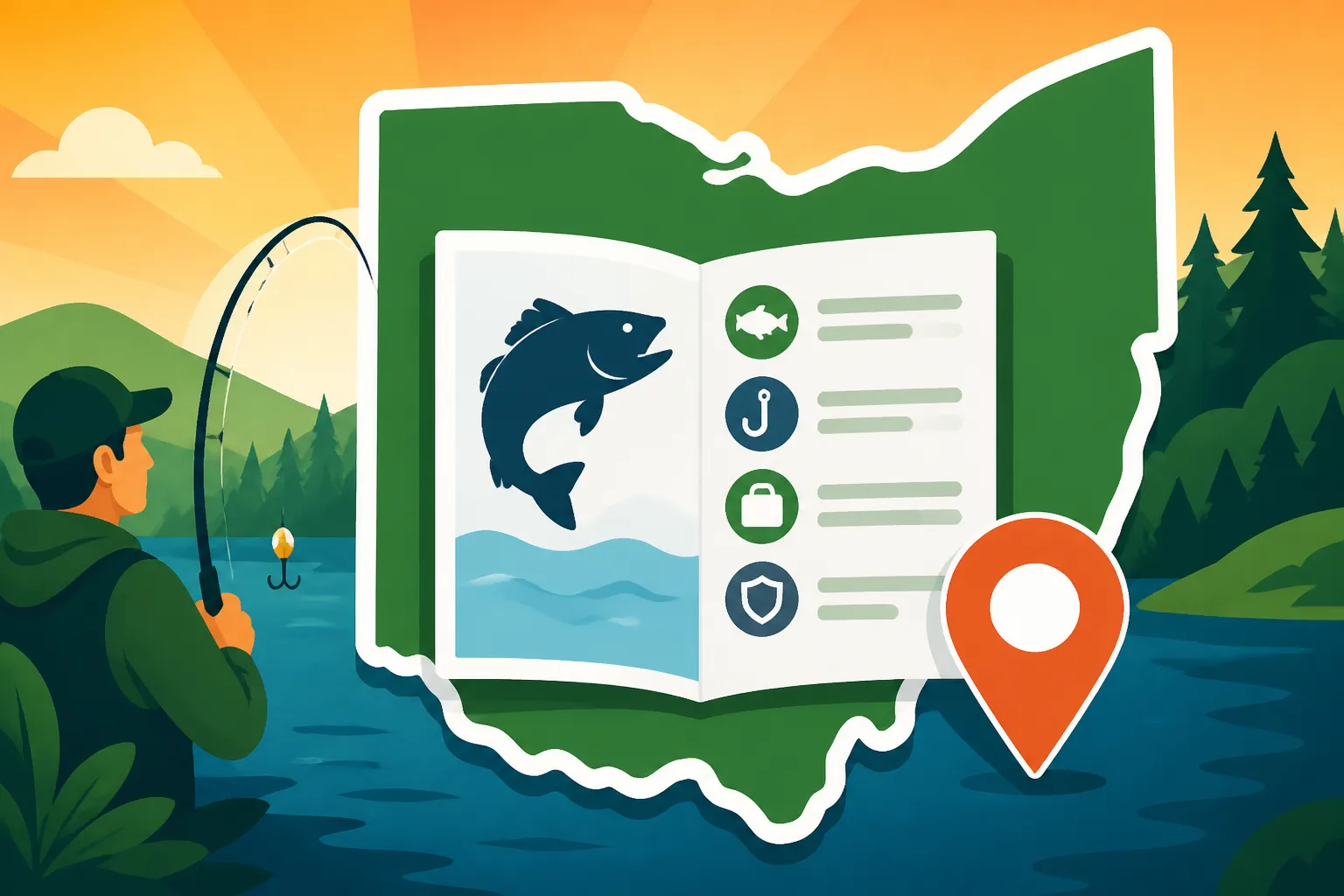
Typically, the booklet starts with general information, such as who needs a license, how long an Ohio fishing license stays valid, and basic definitions. It then usually breaks down into sections by species, followed by special regulations for specific lakes or rivers. There's often a map or list of waters under special management, which is crucial to check before fishing an unfamiliar spot.
Key Sections to Pay Attention To
While every page of the regulations booklet is important, a few sections demand your immediate attention before any fishing trip. These are the details that are most likely to impact your daily angling decisions and can lead to the most common violations if overlooked.
- General Regulations: This section covers overarching rules like the number of rods you can use (two-pole and line limit rules in Ohio), methods of taking fish, and prohibitions. It's the foundation upon which all other regulations are built.
- Statewide Bag and Size Limits: This is often presented in a clear table format, breaking down the daily bag limit (how many fish of a certain species you can keep in a day) and the minimum length limit (the smallest size fish you can legally keep) for common species like walleye, crappie, catfish, and bass. Pay close attention to these numbers, as they can vary greatly by species.
- Special Regulations by Water: This is arguably the most critical section for many anglers. Ohio has numerous lakes, reservoirs, and rivers that have specific rules that override the statewide regulations. For example, a particular lake might have a different minimum length limit for bass or a reduced bag limit for crappie to help manage its unique fishery. Failing to check this section for your chosen fishing spot is a common mistake and can easily lead to a violation. These special regulations are often listed geographically or by water body name.
- Species-Specific Information: Beyond just limits, this section might include details about particular species, such as when Ohio Inland Trout Stocking Months occur or special rules for muskie or steelhead.
Navigating Specific Regulations
Trying to find a specific rule for a particular fish or body of water can sometimes feel like searching for a needle in a haystack. However, with a little strategy, you can efficiently navigate the booklet.
- Use the Table of Contents: Most booklets have a detailed table of contents at the beginning. This is your best friend for quickly jumping to the relevant sections without flipping through every page.
- Identify Your Target Species: If you're going after walleye, go directly to the "Walleye" section. Then, cross-reference with the "Special Regulations by Water" section to see if your chosen lake has specific walleye rules. Don't assume the statewide limit applies everywhere. For instance, inland walleye and saugeye size limits can differ from Lake Erie's.
- Locate Your Fishing Spot: Before you head out, identify the exact body of water you'll be fishing. Then, systematically check the "Special Regulations by Water" to see if it's listed. If it's not listed there, then the statewide regulations generally apply.
- Look for Maps and Diagrams: Some booklets include maps of zones (like for Lake Erie yellow perch zone limits) or diagrams illustrating how to measure fish properly. These visual aids are incredibly helpful and often simplify complex information.
It really pays off to spend a few minutes familiarizing yourself with the layout. This small investment of time upfront can prevent confusion and ensure you're always fishing within the law. If you're ever unsure about a specific rule, remember that wildlife officers are there to help and educate, and it's always better to ask than to guess.
Why a Physical Copy Can Still Be Handy
Even in an age where our smartphones are practically extensions of our hands, carrying a physical copy of the Ohio Fishing Regulations booklet still has its undeniable advantages. While digital access is fantastic for convenience, there are scenarios where that old-school paper booklet truly shines, making it a valuable item to keep in your tackle box or boat.
Think about those moments when technology fails us. A dead phone battery, no cell signal in a remote area, or even just a glaring sun making a screen impossible to read can quickly turn a quick regulations check into a frustrating ordeal. A physical booklet, however, is impervious to these issues. It doesn't need charging, it works anywhere, and it doesn't glare back at you in bright sunlight.
Benefits on the Water
Imagine you're out on a secluded lake, far from any cell towers, and you and your buddies are debating the exact size limit for crappie or the number of channel catfish you can keep. Having that physical booklet on hand means you can settle the discussion immediately without any guesswork or relying on someone's possibly outdated memory. This is particularly useful when you’re deep into fishing, maybe even exploring new territory or trying out a new technique.
A physical booklet is also often easier to share and discuss with others in your fishing party. You can point directly to sections, compare notes, and ensure everyone is on the same page regarding daily limits and special rules. It’s also much more resilient to wet hands, dirt, and the general wear and tear of a fishing trip than a delicate electronic device. Plus, some anglers just prefer the sensory experience of flipping through pages; there's a certain satisfaction in having all that vital information tangible and ready at a moment's notice.
When Digital Access is King
Despite the benefits of a physical copy, the digital PDF version of the Ohio fishing regulations is undeniably convenient and often the go-to for most modern anglers. The primary advantage is its accessibility: you can download it to your phone or tablet once and carry it with you on every trip without adding bulk to your gear. This means you always have the most current information at your fingertips, provided your device is charged and functional.
Digital access is also incredibly useful for quick searches. Many PDF readers allow you to search for specific keywords (like "walleye" or "Alum Creek Lake"), instantly highlighting all mentions of that term throughout the document. This can be a huge time-saver compared to manually flipping through pages. Furthermore, the ODNR website is the first place new regulations are typically posted, meaning the digital version will always be the most up-to-the-minute version available. For planning trips, checking regulations from home, or for those impromptu fishing excursions, the digital Ohio Fishing Regulations PDF is truly king. Whether you're researching how to buy an Ohio fishing license online or checking Ohio's free fishing days, the digital platform is usually the quickest way to find answers.
Here's a quick comparison of the two formats:
| Feature | Digital PDF Booklet | Physical Booklet |
|---|---|---|
| Accessibility | Available 24/7 online, downloadable to device | Obtainable at vendors, ODNR offices, state parks |
| Up-to-Date | Always the most current version online | Printed annually; check edition date |
| Searchability | Keyword search function (via PDF viewer) | Manual page-flipping |
| Durability | Dependent on device; sensitive to water/impact | Resilient to moisture, less fragile |
| Battery Life | Requires charged device | No power needed |
| Sharing | Easy to share digitally (email, message) | Easy to pass around for in-person discussion |
| Cost | Free download | Free with license purchase, otherwise nominal |
| Environmental | Paperless | Uses paper (though recycled in many cases) |
Disclaimer
Please remember that while this guide provides comprehensive information, fishing regulations can change. Always consult the official Ohio Department of Natural Resources (ODNR) Division of Wildlife website or their most current printed regulations booklet before you head out. This content is for informational purposes only and does not constitute legal advice.