Ice Fishing Rules on Ohio Lakes
There’s nothing quite like the crisp air, the quiet solitude, and the thrill of pulling a feisty fish through a hole in the ice. But let's be honest, trying to keep track of all the rules and regulations can sometimes feel like a bigger challenge than actually catching fish. It’s easy to get confused about licenses, equipment, and specific lake requirements. This guide is here to untangle the complexities of ice fishing rules on Ohio lakes, ensuring you can hit the hard water confidently and safely.
Understanding Ohio's General Ice Fishing Regulations
Venturing out onto the ice in Ohio requires more than just a bucket and a spud bar; it demands a solid understanding of the state's fishing regulations. These rules are put in place not to complicate your winter pastime, but to ensure the safety of all anglers and the sustainability of our precious fish populations. Ignoring them can lead to serious consequences, both legal and personal.
Licensing Requirements for Ice Anglers
First things first: the golden ticket to legal fishing in Ohio, even through a foot of ice, is a valid fishing license. This isn't just a formality; it's a critical component of conservation, with funds going directly to support fisheries management and habitat restoration across the state. Whether you're a seasoned ice veteran or just dipping your toe (or auger) into the frozen waters, you need to be properly licensed. You can find comprehensive details in our Ohio Fishing License Guide for Residents and Nonresidents.
The type of license you need depends on your residency status and how long you plan to fish. Ohio offers various options, from annual licenses to multi-year and even lifetime passes. For a quick rundown on what you might expect to pay, check out our Ohio Fishing License Costs Explained. Keep in mind that there are exemptions for certain groups, such as children under 16 – a topic thoroughly covered in our Ohio Youth Fishing License Rules. However, it's always best to double-check the current regulations, as these can sometimes change, and being caught without the proper authorization can result in fines.
General Statewide Rules for Ice Fishing
Beyond the license itself, there are a host of statewide rules that apply to all fishing activities, including ice fishing. These are your foundational guidelines, designed to maintain fair chase, protect fish populations, and ensure public safety. It’s imperative to familiarize yourself with these general rules, as they dictate everything from legal methods to prohibited activities. For a complete overview, take a look at our guide on Ohio Fishing Regulations Every Angler Should Know.
One of the most frequently asked questions revolves around bait. While live bait, like minnows, is generally permitted for ice fishing, there can be specific restrictions on where bait can be collected or what species are allowed. Always ensure your bait is legally sourced and transported to avoid the unintentional introduction of invasive species. Additionally, the practice of snagging fish is strictly prohibited, even when ice fishing; all fish must be taken by legal hook-and-line methods. These seemingly small details contribute to the broader health of Ohio's aquatic ecosystems, making responsible angling a collective effort.
Safety First: Ice Thickness and Preparation
Ice fishing is undeniably fun, but it comes with inherent risks, primarily centered around the stability of the ice itself. No fish is worth falling through thin ice, which is why safety should always be your absolute top priority. The Ohio Department of Natural Resources (ODNR) provides clear guidelines and recommendations to help anglers assess ice conditions and stay safe, but ultimately, it's your responsibility to make sound judgments.
Recommended Ice Thickness Guidelines
Determining if the ice is safe is a crucial first step for any ice angler. While there's no official "guarantee" of safety, the ODNR and other safety organizations recommend specific minimum ice thicknesses for different activities. These are guidelines, not absolute rules, and conditions can vary greatly even on the same body of water. Factors like temperature fluctuations, snow cover, currents, springs, and even recent heavy snowfalls can impact ice stability. Always remember: "thick and blue, tried and true; thin and crispy, way too risky."
| Activity | Recommended Minimum Ice Thickness | Notes |
|---|---|---|
| Foot Traffic | 4 inches | Solo angler, spreading weight. |
| Small Group | 5-7 inches | Small groups of anglers. |
| Snowmobile/ATV | 8-12 inches | Ice vehicles (check local rules for vehicle access). |
| Small Car/Truck | 12-15 inches | Seldom recommended, use extreme caution. |
It's vital to check the ice thickness regularly as you venture out, starting close to shore and working your way out. A spud bar or an ice auger is your best friend for this. Don't rely solely on what someone else tells you or on tracks you see, as conditions can change rapidly. Pay attention to any strange sounds, cracks, or discoloration in the ice, as these are all warning signs. Ice that forms over moving water, near structures like bridge pilings, or over springs will almost always be thinner.
Essential Safety Gear and Practices
Being prepared for the worst-case scenario can make all the difference in an emergency. Essential safety gear should always be part of your ice fishing kit, even if you never have to use it. This includes personal flotation devices (PFDs) – a must-have, especially when walking on unfamiliar ice or near thin areas. Ice picks, worn around your neck, are crucial for self-rescue if you do fall in, providing grip to pull yourself out. A length of rope, a whistle, and a fully charged cell phone (in a waterproof bag) can also be lifesavers.
Beyond gear, adopting smart safety practices is equally important. Always let someone know where you're going and when you expect to return. Consider going with a buddy; there's safety in numbers. Avoid venturing out alone, particularly in remote areas or during adverse weather. Dress in layers to stay warm and dry, as hypothermia is a real threat. It’s a good idea to pack a change of clothes in a waterproof bag, just in case. Taking these precautions seriously isn't being overly cautious; it's being a responsible and smart angler, ensuring your trip is memorable for the right reasons. You can find many of these crucial safety items, like ice picks and specialized winter clothing, readily available on platforms like Amazon.
Gear and Equipment Specifics for Ice Fishing
Ohio has specific rules regarding the amount and type of gear you can use when ice fishing, designed to prevent overfishing and maintain fair sport. Understanding these regulations will help you set up your spread legally and efficiently, maximizing your chances of a successful day on the hard water without running afoul of a wildlife officer.
Legal Number of Lines and Tip-Ups
One of the most common questions from ice anglers is how many lines they can legally use. In Ohio, the general rule is that you can fish with up to two fishing lines at any given time. This applies whether you're actively holding a rod, using a tip-up, or a combination of both. Each line, regardless of its setup, counts towards that two-line limit. This specific regulation is detailed further in our guide on How Many Fishing Lines You Can Use in Ohio. It's a critical rule to remember, as exceeding this limit is a common violation that can lead to fines.
The rule exists to ensure fair angling practices and prevent a single individual from dominating a fishing spot with excessive gear. A "line" is defined as a single pole or tip-up, complete with hook and bait. If you’re using tip-ups, which are popular for their hands-off approach to targeting species like walleye, you still can’t exceed the two-line total. So, if you have one rod in your hand, you can only deploy one tip-up. Always make sure your name and address (or Ohio customer ID number) are clearly visible on any unattended gear, such as tip-ups or ice shanties, so authorities can identify the owner.
Ice Shanty and Shelter Regulations
Ice shanties, those cozy portable or semi-permanent shelters that offer refuge from the biting winter wind, are a staple for many Ohio ice anglers. While generally permitted, there are specific regulations governing their use, especially concerning identification and removal deadlines. These rules are crucial for maintaining clean waterways and ensuring that public access areas are not cluttered or damaged once the ice thaws.
All ice fishing shelters, whether a fancy hard-sided shanty or a simple pop-up tent, must be clearly marked with the owner's name and address or their Ohio customer identification number. This allows the ODNR to identify and contact owners if there's an issue or if a shanty is abandoned. Furthermore, there are strict deadlines for removing permanent or semi-permanent ice shanties from Ohio's frozen lakes. Generally, shelters must be removed by a specific date, often around early to mid-March, though this date can vary depending on ice conditions and specific lake regulations. Abandoned shanties become debris, pollute the water, and can be hazardous to boaters once the ice melts. Ignoring these removal dates can result in significant fines and clean-up costs billed to the owner. Many ice fishing essentials, including lightweight and easy-to-mark shelters, can be found with ease on Amazon.
Species-Specific Rules and Bag Limits for Ice Fishing
Ohio's diverse aquatic environments offer a fantastic array of fish species for ice anglers to pursue. However, each species comes with its own set of rules regarding size and bag limits. These regulations are meticulously crafted by the ODNR to protect breeding populations, ensure healthy fish growth, and provide sustainable fishing opportunities for generations to come. It’s not enough to know that you can catch a fish; you need to know how many and how big you can keep. You can consult the comprehensive Ohio Statewide Bag and Size Limits for general information.
Common Winter Catches: Walleye and Perch
Walleye and yellow perch are arguably the kings and queens of Ohio's ice fishing scene, especially on the vast expanse of Lake Erie. Their delicious flesh and spirited fight make them highly sought after. Because of their popularity, these species have specific regulations that anglers absolutely must adhere to. For walleye, the daily bag limit and minimum size limit can vary depending on the body of water. For example, Lake Erie Walleye Bag Limits are often quite specific and can even change year to year based on population assessments.
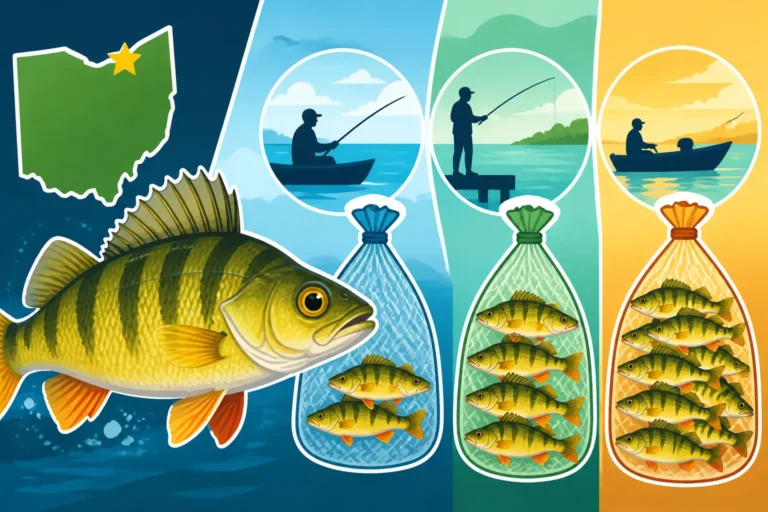
Yellow perch also have varying daily bag limits, particularly on Lake Erie where different zones (Western, Central, and Eastern Basins) may have distinct limits. It's crucial to check the current year's fishing regulations booklet or the ODNR website before heading out, as these limits are subject to change. Misidentifying your catch or miscounting your haul can lead to penalties. The goal of these limits is to allow enough fish to reach spawning age and reproduce, maintaining the robust populations that make Ohio a premier walleye and perch destination.
Other Popular Species and Their Limits
While walleye and perch often steal the spotlight, Ohio's frozen waters offer fantastic opportunities for other species too. Crappie, bluegill, and various sunfish, often collectively referred to as "panfish," are popular targets for ice anglers. These species are typically found in shallower bays and weed lines, making them accessible even to those venturing out on foot. Most panfish have generous daily bag limits, usually 30-50 fish, and often no minimum size limit, but it's always best to verify specific regulations for the water you're fishing.
Largemouth and smallmouth bass, though not traditionally thought of as primary ice fishing targets, can also be caught through the ice, especially in deeper weed edges or near structure. Bass often have statewide minimum size limits and daily bag limits, such as a 12-inch minimum and a daily limit of 5. Catfish, too, are surprisingly active under the ice, with channel and flathead catfish providing a strong fight. Their regulations generally involve a specific daily limit, sometimes with a larger overall possession limit. Always be aware of the specific rules for the species you are targeting to ensure a legal and ethical harvest.
Navigating Unique Waters: Lake Erie and Inland Lakes
Ohio boasts an incredible diversity of fishing waters, from the immense freshwater sea of Lake Erie to countless inland lakes, reservoirs, and even some rivers that freeze solid enough for ice fishing. While general statewide rules apply, each of these environments can present unique challenges and, more importantly, unique regulations. It's vital to understand these differences before drilling your first hole.
Special Considerations for Lake Erie Ice Fishing
Lake Erie is a phenomenal ice fishing destination, particularly for its world-class walleye and yellow perch. However, its sheer size, unpredictable weather, and dynamic ice conditions demand extra caution and awareness of specific rules. Unlike smaller inland lakes, Lake Erie's ice can shift, crack, and break away into large floes with little warning, especially in the western basin. This makes constant vigilance and checking weather forecasts absolutely non-negotiable. Always inform someone of your exact location and expected return time, and carry a marine radio or satellite communication device if venturing far offshore.
Beyond safety, Lake Erie has specific regulations that differ from inland waters. As mentioned earlier, the Lake Erie yellow perch fishery is divided into zones, each with its own daily bag limit that can fluctuate yearly based on population assessments. Walleye limits are also closely monitored. You can dive deeper into these specifics with our guide on Lake Erie Fishing Regulations in Ohio. Additionally, certain areas might have access restrictions or specific rules regarding vehicle use on the ice, particularly near harbors or public access points in towns like Port Clinton or Sandusky. Always consult local advisories from the ODNR and local bait shops, which are invaluable resources for current conditions and rules.
Rules for Inland Lakes and Reservoirs
Ohio's inland lakes and reservoirs offer a more sheltered and often more predictable ice fishing experience compared to Lake Erie. Lakes like Mosquito Creek, Indian Lake, and many state park lakes are popular ice fishing destinations. While generally governed by the statewide regulations, some individual lakes or reservoirs might have unique rules. These can include special size or bag limits for specific species, restrictions on motor vehicle use on the ice, or even specific shanty removal dates that differ slightly from the general statewide advisory.
For example, a particular reservoir might have a protected slot limit for largemouth bass, meaning you can only keep fish within a certain size range, or a higher minimum size for crappie to promote trophy fisheries. Some lakes might have specific rules for permanent shelters or require all shelters to be removed earlier than the statewide recommendation. It's always a good practice to check the specific regulations for the body of water you intend to fish. Most Ohio State Parks offer excellent fishing, and while they don't typically have separate fees for fishing beyond your state license, they may have specific rules regarding access points or ice safety on their properties. Finding out about the best spots to ice fish can be made easier by exploring our article on the Best Ohio Lakes for Ice Fishing.
What Happens if You Break the Rules?
Ignorance of the law is never an excuse, especially when it comes to fishing regulations. Breaking ice fishing rules in Ohio isn't just a minor oversight; it carries real consequences that can range from warnings and fines to the confiscation of equipment and even more severe legal repercussions. Ohio's wildlife officers are dedicated to enforcing these rules to protect our natural resources and ensure fair play for all anglers.
Enforcement and Penalties for Violations
Ohio wildlife officers are out on the ice, just like you, ensuring everyone is following the rules. They patrol state waters to check for proper licensing, adherence to bag and size limits, and compliance with equipment regulations. Getting caught fishing without a valid license, for example, is a common violation. The penalties for this can be significant, often involving a fine that far exceeds the cost of an annual license, plus court costs. For a clearer picture of potential fines, you might want to read our article on the Ohio Wildlife Officer Fishing Violation Fine Schedule.
Other violations, like exceeding the daily bag limit for walleye or perch, keeping undersized fish, or using too many lines, also carry penalties. Depending on the severity and frequency of the offense, consequences can escalate. In some cases, your fishing equipment (rods, reels, augers, shanties) could be confiscated. Repeat offenders may face suspension of their fishing privileges or even more serious legal action. The enforcement of these rules is critical for maintaining the health of Ohio's fisheries, making sure there are plenty of fish for everyone to enjoy, both now and in the future. Our guide What Happens If You Fish Without a License in Ohio provides further details on these consequences.
The Importance of Conservation and Responsible Angling
Beyond the legal ramifications, adhering to ice fishing rules is fundamentally about conservation and responsible angling. Every rule, from the two-line limit to specific size and bag limits, is designed with the long-term health of fish populations and ecosystems in mind. Overfishing, even by a few individuals, can have cumulative negative impacts, especially on slow-growing species or those with specific spawning requirements.
Responsible angling also extends to practices like proper fish handling and ethics. If you're practicing catch and release, especially for larger fish that are crucial to breeding stocks, handle them with care to maximize their survival chances. Dispose of all trash, broken lines, and bait containers properly; never leave anything on the ice or shore. The future of Ohio's fantastic ice fishing opportunities depends on the collective commitment of all anglers to respect the rules, the fish, and the environment. Enjoy the sport, but do so responsibly and with an eye towards preserving it for the generations that follow.
Disclaimer
The information provided in this guide is for general informational purposes only and is subject to change. While we strive to keep the information up-to-date and correct, current fishing regulations can change without prior notice. Always consult the official Ohio Department of Natural Resources (ODNR) fishing regulations booklet or their website for the most current and accurate information before engaging in any fishing activities.