LaDue Reservoir Walleye and Saugeye Size Limit
It can be incredibly confusing to keep up with all the different fishing regulations across Ohio's diverse waterways, especially when it comes to specific details like size limits for popular species. Many anglers assume a blanket rule applies to walleye and saugeye statewide, only to find out that certain reservoirs, like LaDue Reservoir, have unique rules. This guide will cut through the confusion and explain the precise walleye and saugeye size limits at LaDue Reservoir, ensuring you're well-informed before your next outing.
Navigating Walleye and Saugeye Regulations in Ohio
Ohio is a fantastic state for anglers, boasting everything from the mighty Lake Erie to countless inland lakes and winding rivers. This incredible variety means that while many regulations are statewide, certain bodies of water have their own specific rules designed to manage local fish populations effectively. It's not uncommon to find yourself scratching your head, wondering if the 15-inch minimum you know from one lake applies everywhere else. The simple answer is often "it depends," and LaDue Reservoir is a prime example of why checking those local rules is so important. Ignoring these specific regulations can lead to more than just a disappointing day; it could result in fines or penalties from wildlife officers.
Why Regulations Vary by Water Body
The Ohio Department of Natural Resources (ODNR) Division of Wildlife doesn't just pull regulations out of a hat. These rules are carefully crafted based on scientific data, population assessments, and specific management goals for each fishery. For instance, a lake with a robust, fast-growing walleye population might have different rules than a lake where walleye are newly stocked or struggling to establish themselves. Factors such as stocking programs, natural reproduction rates, angler pressure, and the overall health of the ecosystem all play a role.
LaDue Reservoir, located in Geauga County, is a prime example of a water body managed with distinct objectives. Its unique characteristics, including its depth, forage base, and fishing pressure, contribute to the tailored regulations you'll find there. These localized rules are essential for maintaining sustainable fisheries, ensuring that future generations of anglers can also enjoy the thrill of catching walleye and saugeye. To stay fully informed, you should always consult the official Ohio Fishing Regulations Every Angler Should Know booklet, which is updated annually and can often be found at tackle shops or sporting goods stores. If you're looking to gear up, platforms like Amazon sometimes offer regulation booklets or useful accessories to help you organize your fishing license and keep it handy.
Identifying Walleye Versus Saugeye
Before we dive into the specifics of LaDue, it’s crucial to understand the difference between walleye and saugeye. While they are closely related and often found in the same waters, there are subtle differences in appearance, and sometimes, regulations can differentiate between them. A saugeye is a hybrid cross between a female walleye and a male sauger, specifically bred by the ODNR to thrive in inland reservoirs. They tend to be more tolerant of turbid water and warmer temperatures than pure walleye, making them an excellent choice for many Ohio lakes.
Here’s how to tell them apart:
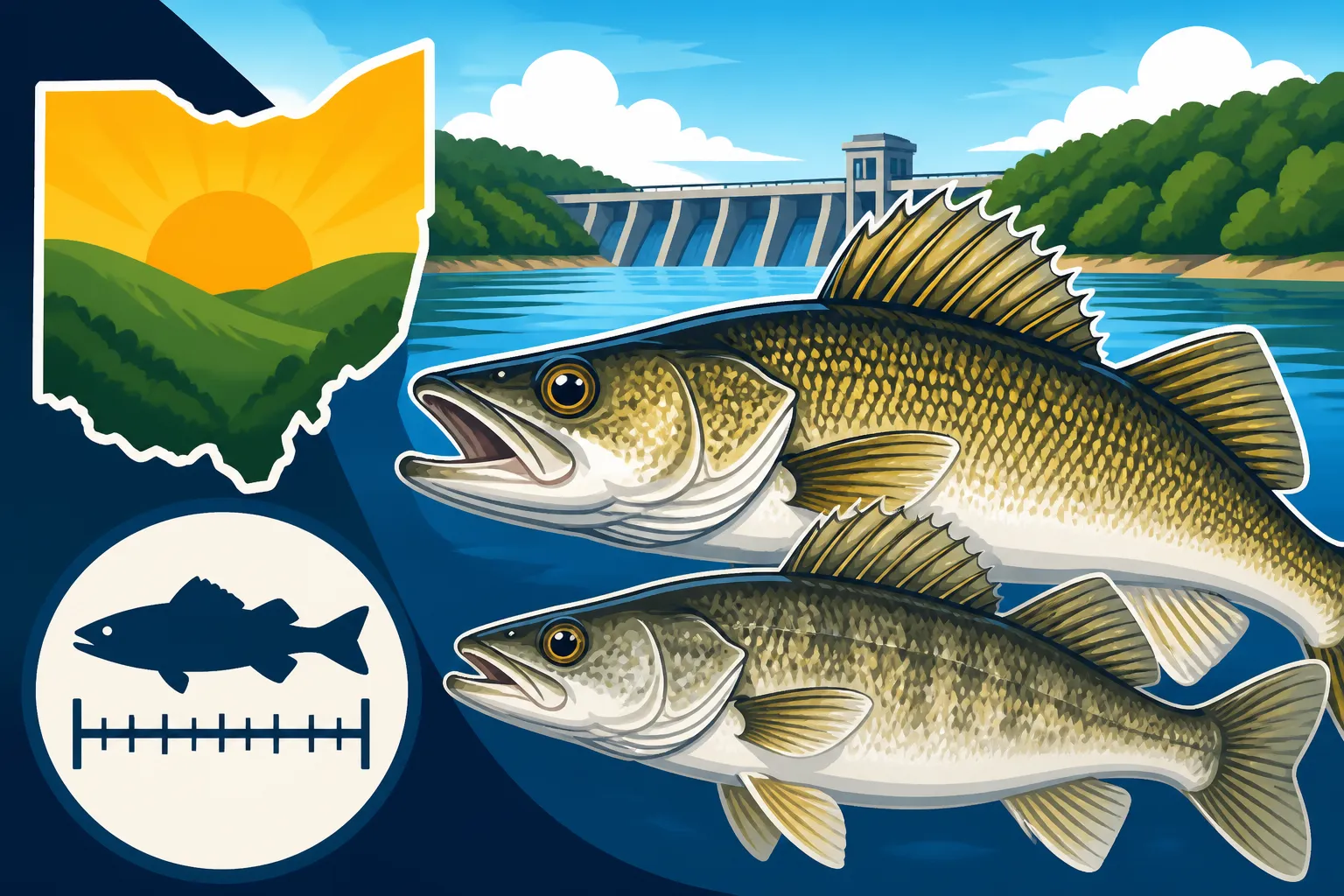
- Walleye: They typically have a prominent white tip on the lower lobe of their tail fin. Their bodies are usually more olive green to golden, and they lack distinct spots on their dorsal fin.
- Saugeye: Often lack the distinct white tip on the lower tail fin, or it may be less pronounced. They usually have distinct dark spots or bars on their dorsal fin, and their bodies might appear more mottled or blotchy. The sides can often have dark, saddle-like markings that extend down their flanks.
While the regulations for LaDue Reservoir we're discussing apply to both species combined, understanding these identification points is helpful for other water bodies that might have different rules for each species. Being able to confidently identify your catch is a cornerstone of responsible angling, helping you adhere to limits and contributing to accurate harvest data. You can delve deeper into the specific traits with our guide on Saugeye vs Walleye Identification.
LaDue Reservoir's Specific Walleye and Saugeye Size Limit
Now, let's get to the heart of the matter for LaDue Reservoir. This particular body of water has a regulation that often surprises anglers who are accustomed to statewide or Lake Erie rules. The key takeaway for walleye and saugeye at LaDue is distinctly different from many other popular fishing spots. Understanding this specific rule is paramount for any angler planning a trip to LaDue Reservoir, as it directly impacts what you can and cannot keep.
The "No Minimum Length" Rule at LaDue Reservoir
Unlike many other inland lakes where a 15-inch minimum length limit for walleye and saugeye is common, LaDue Reservoir operates under a special regulation: there is no minimum length limit for walleye and saugeye. This means that if you catch a walleye or saugeye at LaDue, regardless of its size, it can count towards your daily bag limit, provided it is alive and legally caught. This rule is in place for specific fishery management reasons, often related to the overall health and population dynamics of the reservoir.
The ODNR might implement such a rule to encourage the harvest of smaller fish, which can help manage population density, reduce competition for food, and potentially allow the remaining fish to grow larger. It might also be a strategy for a "put-grow-and-take" fishery where a large number of smaller saugeye are stocked, and the goal is to provide ample opportunity for harvest without imposing restrictive growth periods. For anglers, this means you don't have to carry a measuring tape specifically for these species, and you can retain smaller fish if you choose to. However, it’s still good practice to measure your fish and understand the general sizes, even if there isn't a minimum. Remember, just because you can keep a small fish doesn't always mean you should, especially if you're aiming for larger table fare or practicing selective harvest.
Daily Bag Limits for Walleye and Saugeye at LaDue
While the minimum length limit is waived at LaDue Reservoir, the daily bag limit still applies, and it's essential to adhere to it. For walleye and saugeye combined, the daily bag limit at LaDue Reservoir is six fish. This means you can keep any combination of walleye and saugeye, up to a total of six fish per angler per day. For example, you could keep six walleye, six saugeye, or three of each, as long as the total doesn't exceed six. This combined limit is common across many Ohio waters, treating the two species as interchangeable for harvest purposes due to their similar ecological roles and angler desirability.
It’s crucial to understand that this is a daily limit, meaning it resets at midnight. You cannot simply catch your limit, go home, and return to the same body of water to catch another limit on the same calendar day. Always be mindful of your possession limit to avoid any issues with wildlife officers. Being familiar with these kinds of rules is part of being a responsible angler, and knowing your Ohio Statewide Bag and Size Limits will serve you well across the state. Furthermore, understanding LaDue's unique approach helps to appreciate the nuanced strategies employed by the ODNR to maximize fishing opportunities while maintaining sustainable fish populations.
Here's a quick comparison to illustrate the unique aspects of LaDue Reservoir's regulations:
| Regulation Type | Statewide Inland Lakes (General Walleye/Saugeye Rule) | LaDue Reservoir (Specific Walleye/Saugeye Rule) |
|---|---|---|
| Minimum Length Limit | 15 inches (common, but always check local rules) | No Minimum Length |
| Daily Bag Limit (Combined) | 6 fish | 6 fish |
This table clearly shows the deviation from a common statewide rule, highlighting why specific knowledge of LaDue Reservoir's regulations is so important.
Practical Implications for Anglers at LaDue Reservoir
Knowing the regulations is one thing, but understanding how they translate to your actual fishing experience at LaDue Reservoir is another. The "no minimum length" rule, combined with the standard daily bag limit, influences everything from your approach to fishing to how you manage your catch. It’s about being prepared and making informed decisions on the water, ensuring a productive and compliant day.
Planning Your LaDue Fishing Trip
When you're gearing up for a trip to LaDue, the "no minimum length" rule can affect your strategy. You might consider targeting a wider range of fish sizes, knowing that even smaller walleye or saugeye are fair game for the cooler if you choose to keep them. This opens up opportunities for different techniques and baits. For example, if you typically use larger baits to deter smaller fish, you might opt for slightly smaller presentations to increase your hook-up rate, as any legal catch contributes to your limit.
However, remember that the bag limit of six fish remains. This means that while you can keep smaller fish, you'll reach your limit quicker if you're keeping every fish you catch. Consider your goals for the day: are you aiming for a meal, or are you hoping to catch a trophy? If it's a trophy you're after, you might still choose to release smaller fish, even without a minimum length.
Don't forget to check the overall conditions before you go. The Ohio Fishing Season Dates and Effective Periods are crucial for any trip, and knowing the best times for walleye and saugeye can significantly improve your success. Additionally, familiarity with LaDue Reservoir Fishing Rules and Access will inform you about public access points, boat launch regulations, and any other specific local rules that might impact your day on the water. Proper planning also includes having a good grasp of Reading Weather Patterns for Ohio Fishing, as conditions can greatly influence fish behavior.
Best Practices for Ethical Angling at LaDue
Even with relaxed size limits, ethical angling remains paramount. It’s always a good idea to handle fish gently, especially if you intend to release them. This involves using proper unhooking tools, minimizing air exposure, and ensuring the fish is revived before being returned to the water. Catch-and-release is a valuable conservation tool, and even when there’s no minimum length, choosing to release smaller fish can contribute to a healthier population of larger, more mature individuals.
For those planning to keep their catch, consider what you'll realistically consume. Harvesting only what you need is a respectful way to enjoy the resource. You might also want to consult guides like the Ohio Walleye Fishing Guide or the Ohio Saugeye Fishing Guide to refine your techniques, ensuring efficient and responsible angling. Finally, always carry a valid Ohio fishing license. You can easily find information on Where and How to Buy an Ohio Fishing License online or at various vendors. Some anglers even purchase a small, waterproof fishing regulation booklet from places like Amazon to keep in their tackle box, just for quick reference.
Understanding and respecting the unique rules of each water body, like LaDue Reservoir, is a hallmark of a knowledgeable angler. By doing so, you not only stay within the law but also contribute to the long-term health and vitality of Ohio's fantastic fishing opportunities.
Disclaimer
Please note that fishing regulations can change. While this guide provides the most current information available at the time of writing, it is always your responsibility to consult the official Ohio Department of Natural Resources (ODNR) Division of Wildlife fishing regulations booklet or website before heading out. This content is for informational purposes only and should not be considered legal advice.