What Happens If You Fish Without a License in Ohio
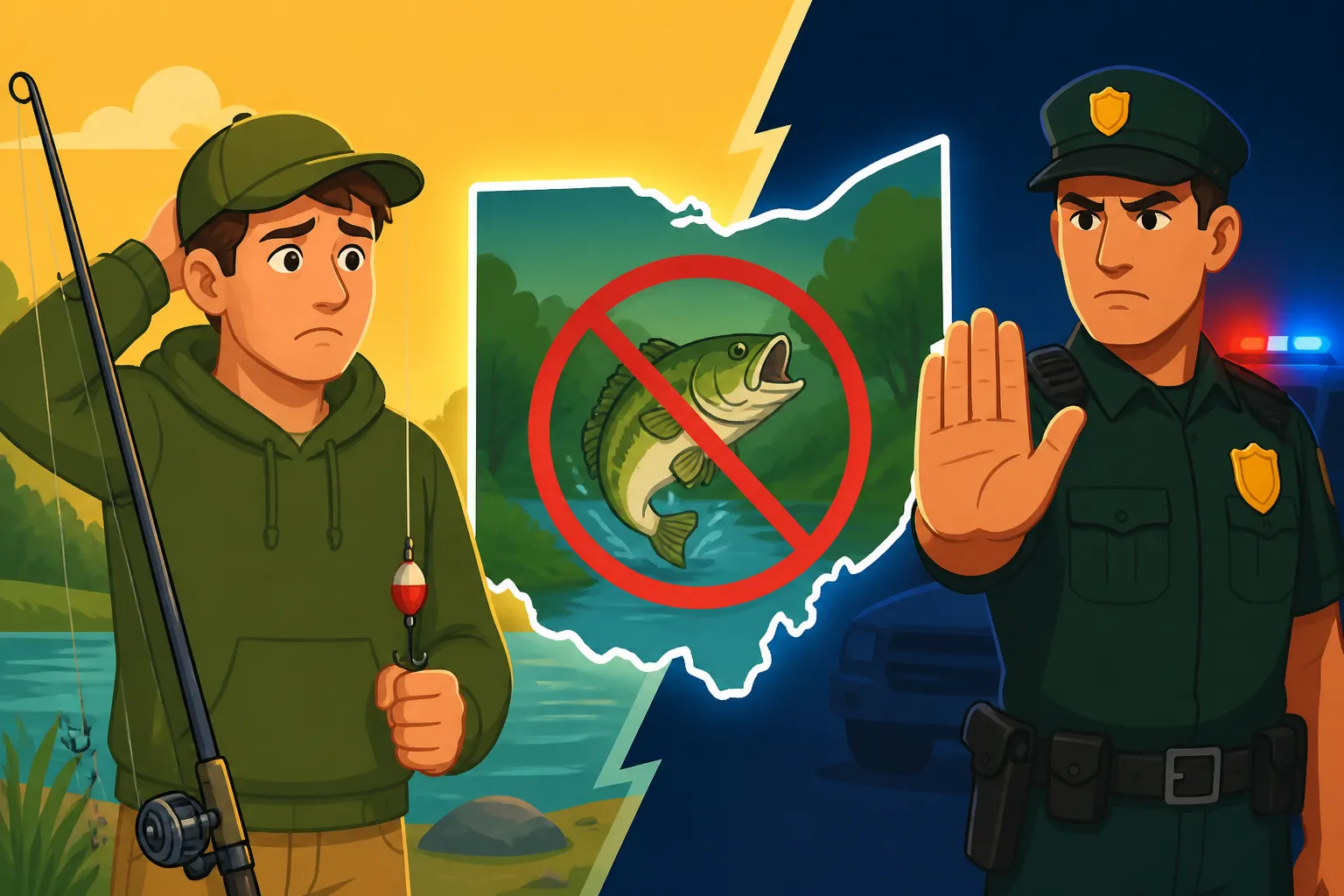
It’s a scenario no angler wants to face: you’re out on the water, enjoying a peaceful day, when an Ohio Department of Natural Resources (ODNR) wildlife officer approaches and asks to see your fishing license. If you’ve somehow overlooked this critical piece of preparation, or genuinely just forgot it at home, the stress can be instant and overwhelming. This guide is here to walk you through exactly what can happen if you find yourself fishing in Ohio waters without a valid license, outlining the potential consequences and, more importantly, how to ensure you’re always on the right side of the law.
The Initial Encounter: What to Expect When You're Caught
Coming face-to-face with a wildlife officer when you suspect you might be in violation can be an intimidating experience. It’s important to understand their role and how these interactions typically unfold, so you can approach the situation calmly and respectfully.
The Wildlife Officer's Role
Ohio wildlife officers are highly trained professionals dedicated to conserving the state's natural resources and ensuring everyone adheres to the fishing and hunting regulations set forth by the ODNR. They aren't just looking to hand out tickets; their primary goal is to educate the public and protect fish populations for current and future generations.
When an officer approaches, whether you're casting from the bank of a serene lake or enjoying a day out on Lake Erie in your boat, they'll typically identify themselves and politely ask for your fishing license and photo identification. They have the authority to request this information from anyone engaged in fishing activities. Their job often involves patrolling public waterways, state parks, and wildlife areas, ensuring compliance with all aspects of Ohio fishing law, not just licenses. They might also check for compliance with Ohio Statewide Bag and Size Limits or proper boat registration if you’re on the water. Remaining cooperative, honest, and respectful throughout this interaction is always your best course of action, even if you know you’ve made a mistake.
Common Scenarios and Why Officers Check
Wildlife officers conduct checks for several reasons, all rooted in the broader mission of conservation and fair enforcement. It's not usually a targeted action against individuals but rather routine patrols designed to ensure everyone is playing by the rules.
You might be checked while fishing from a popular public pier, during a boat inspection on a busy reservoir like Mosquito Creek Lake, or even when tucked away on a quiet stretch of the Ohio River. Officers are trained to observe activity and often use a combination of random checks and intelligence to decide where and when to engage. They are looking for more than just licenses; they're also ensuring that anglers aren't exceeding daily limits, using illegal gear, or fishing during closed seasons. The collective revenue from fishing licenses directly funds conservation efforts, stocking programs, habitat restoration, and enforcement, so ensuring everyone contributes fairly is crucial. It’s about more than just a piece of paper; it’s about sustaining the very resource we all enjoy.
Understanding the Legal Ramifications and Penalties
If you're caught fishing without a valid license in Ohio, it's not just a slap on the wrist. There are clear legal consequences that can range from significant financial penalties to more severe repercussions, especially for repeat offenders.
Classification of the Offense
In Ohio, fishing without a valid license is typically classified as a minor misdemeanor. While this might sound less severe than a felony, it's still a criminal offense that can appear on your record. It's similar in classification to other minor infractions like a traffic ticket for a minor moving violation, but the implications for your outdoor recreation privileges can be much greater. Unlike a speeding ticket, which usually just impacts your driving record, a fishing violation goes on your permanent record with the Ohio Department of Natural Resources, which can affect your ability to purchase licenses in the future.
This classification means that while you likely won't be arrested on the spot for a first-time offense of simply not having a license, you will almost certainly receive a citation. This citation will require you to either pay a fine or appear in court to address the charge. Ignoring the citation, however, can quickly escalate the situation, potentially leading to additional charges, warrants, and significantly harsher penalties.
Fines and Court Costs
The financial impact of fishing without a license can be quite substantial, far exceeding the cost of an actual license. For a first offense of fishing without a license, the base fine in Ohio typically ranges from $50 to $100. However, this is just the beginning. What often catches people off guard are the additional court costs and administrative fees that get tacked on. These fees can easily push the total amount you owe to $150, $200, or even more, depending on the specific county and court where the citation is processed.
Think about it: an annual resident fishing license in Ohio costs around $25. Paying $200 or more for a violation makes the decision to skip buying one look particularly costly. Moreover, these penalties can increase significantly if there are aggravating circumstances. For example:
- Repeat Offender: If you have prior violations for fishing without a license or other related offenses, the fine and consequences will be much more severe.
- Additional Violations: If the officer finds you not only without a license but also exceeding the Ohio Muskie Size and Bag Limits, using illegal fishing methods, or fishing during a closed season, the penalties will compound rapidly. Each additional violation typically carries its own fine.
- Refusal to Cooperate: Being belligerent or uncooperative with a wildlife officer can also lead to additional charges, such as obstructing official business, which carries much higher fines and potential jail time.
It’s a clear reminder that investing in an Ohio Fishing License Guide for Residents and Nonresidents and purchasing the correct license is a small price to pay for peace of mind and avoiding these hefty fines.
Potential for Equipment Seizure and Other Consequences
While less common for a simple first-time license infraction, more serious or repeated violations can lead to the seizure of your fishing equipment. This might include your rods, reels, tackle boxes, and even your boat if you were fishing from one. Imagine losing your prized fishing setup over a missed license. It's a real possibility and a significant deterrent.
Beyond the immediate financial hit and potential loss of gear, there are other long-term consequences to consider:
- Suspension or Denial of Future Fishing Privileges: The ODNR maintains a record of all violations. A conviction for fishing without a license can lead to the suspension of your fishing privileges for a period of time, or even a denial when you attempt to purchase a license in the future. This means you literally won't be able to legally fish in Ohio until the suspension is lifted.
- Impact on Criminal Record: As a minor misdemeanor, this charge becomes part of your public criminal record. While it's not a severe crime, it can still show up on background checks, which could potentially affect things like employment opportunities, especially for jobs requiring a clean record or involving outdoor activities.
- Educational Requirements: In some cases, particularly for juvenile offenders or first-time offenders in certain jurisdictions, a court might require you to complete a hunter or angler education course in addition to paying fines.
It's clear that the repercussions extend far beyond just paying a fine. The best approach is always prevention: know the rules and have your license ready.
Here's a quick overview of common minor fishing violations and their typical first-offense penalties in Ohio:
| Violation Type | Classification | Typical Base Fine Range | Estimated Total Cost (with court fees) | Potential Additional Consequences |
|---|---|---|---|---|
| Fishing Without a Valid License | Minor Misdemeanor | $50 – $100 | $150 – $250+ | License suspension, criminal record |
| Exceeding Daily Bag Limit | Minor Misdemeanor | $75 – $250 | $200 – $500+ | License suspension, equipment seizure |
| Fishing in a Closed Season | Minor Misdemeanor | $100 – $300 | $250 – $600+ | License suspension, equipment seizure |
| No Valid Ohio Fishing Tag | Minor Misdemeanor | $25 – $75 | $100 – $200+ |
Note: Fines and court costs are estimates and can vary by jurisdiction and specific circumstances. Repeat offenses or severe violations will incur significantly higher penalties.
Avoiding the Trouble: Getting Your Ohio Fishing License
The easiest way to avoid any of the headaches mentioned above is simply to make sure you have a valid Ohio fishing license. It's an essential part of responsible angling and contributes directly to the health of Ohio’s fisheries.
Where and How to Purchase a License
The Ohio Department of Natural Resources (ODNR) makes it incredibly straightforward to obtain a fishing license. You have several convenient options to choose from, so there's truly no excuse not to get one:
- Online: This is arguably the easiest and quickest method. You can purchase your license directly from the ODNR's website. It takes just a few minutes, and you can print your license or save a digital copy to your phone. This is perfect for those last-minute decisions to hit the water.
- ODNR Mobile App: The "HuntFish OH" mobile app is a fantastic resource. Not only can you purchase and store your license digitally right on your smartphone, but you can also access current regulations, check game and fish limits, and even report harvests. Having your license on your phone means you're never without it as long as your phone is with you.
- In-Person Vendors: If you prefer a physical license or want to combine your purchase with other fishing gear, you can visit hundreds of authorized license vendors across the state. These include most Walmart and Meijer stores, many bait and tackle shops, and various sporting goods retailers. It’s a great way to support local businesses while ensuring you’re legal. Before you head out, you might even browse Amazon for a new tackle box or a convenient digital fish scale to go with your new license.
For a more detailed breakdown of your options, check out our guide on Where and How to Buy an Ohio Fishing License. Remember, whether you’re a resident or a non-resident, the process is largely the same, but the costs will differ. You can find out more about the pricing structure in our article about Ohio Fishing License Costs Explained.
Understanding License Types and Exemptions
Ohio offers a variety of fishing license types to fit different needs, from a single day of fishing to a lifetime of angling enjoyment. Knowing which one is right for you can save you both money and hassle.
- Annual Licenses: These are the most common, valid for one year from the date of purchase (not necessarily a calendar year). Residents have access to Ohio Resident One-Year Fishing License Cost options, while non-residents have specific Ohio Nonresident One-Year Fishing License Cost options.
- Multi-Year Licenses: For those committed to fishing in Ohio, options like the three-year or five-year licenses offer convenience and often a slight discount over buying annual licenses repeatedly.
- One-Day Licenses: Perfect for a quick trip or for visitors, the Ohio One-Day Fishing License is an excellent choice. This can also be upgraded to an annual license within a certain timeframe.
- Lifetime Licenses: A fantastic investment for avid anglers, especially for younger individuals. Our article on the Ohio Youth Lifetime Fishing License Cost Before Age 16 can provide more details.
- Senior Licenses: Ohio offers special pricing and options for senior anglers. Our guide on Ohio Senior Fishing License Cost for Anglers 66 and Older has all the details.
It's also crucial to understand that certain individuals are exempt from needing a fishing license in Ohio. The most common exemptions include:
- Youth Under 16: Anglers under the age of 16 do not need a fishing license in Ohio. This is a wonderful initiative to encourage young people to get into fishing. Our detailed guide, Do Kids Need a Fishing License in Ohio?, provides more clarity on this.
- Private Ponds: If you are fishing in a private pond, lake, or reservoir that is owned by you or a direct family member, and the water is entirely on private property with no public access, you generally do not need a license. However, always double-check specific scenarios to ensure the water truly qualifies as "private."
- Free Fishing Days: The ODNR designates specific days each year when all Ohio residents can fish for free, without a license. These are usually advertised well in advance. Check out When Ohio's Free Fishing Days Fall Each Year to plan your free fishing adventures.
For a comprehensive overview, consult our article on Ohio Fishing License Types and Options. No matter your age or residency status, there's likely a license option (or exemption) that applies to you.
Best Practices for Anglers
Even after purchasing your license, a few best practices can ensure you're always compliant and ready for any encounter with a wildlife officer.
First and foremost, always carry proof of your current fishing license when you're fishing. Whether it's a printed copy, a screenshot on your phone, or the digital version within the "HuntFish OH" app, having it readily accessible is key. Officers are unlikely to be sympathetic if you claim it's "at home" or "in the truck" after being asked to present it. If you primarily use the digital app, consider keeping a small portable power bank with you, which you can easily find on Amazon, to ensure your phone doesn't die.
Secondly, stay informed about current regulations. Fishing laws and bag limits can change annually or seasonally. Before each fishing season, or even before heading to a new body of water, it’s a good idea to review the latest Ohio Fishing Regulations Every Angler Should Know. The ODNR publishes a comprehensive fishing regulations booklet each year, available online and at license vendors. Many anglers also buy relevant guides or books, often available on Amazon, to keep up with the latest information.
Finally, consider purchasing a multi-year or lifetime license if you plan on fishing regularly. This eliminates the need to remember to renew your license every year. If you stick with an annual license, make a note of its expiration date. Many anglers renew well in advance, and you can usually renew an Ohio Fishing License Online within a few months of its expiration date, ensuring continuous coverage. This simple step saves you from the potential panic of realizing your license expired just as you’re heading out the door.
What to Do If You've Made a Mistake
Despite your best efforts, sometimes mistakes happen. If you find yourself cited for fishing without a license, knowing how to react and what steps to take next can significantly influence the outcome.
Cooperation and Honesty with Officers
The moment a wildlife officer approaches, your best strategy is always cooperation and honesty. If you realize you've genuinely forgotten your license or never purchased one, simply state that fact calmly. Do not try to lie, evade questions, or become argumentative. Wildlife officers are trained to handle a variety of situations and can often tell when someone is being deceptive. Being respectful, polite, and apologetic for your oversight can go a long way.
While an officer is within their right to issue a citation regardless of your demeanor, a cooperative attitude might, in some rare cases for a minor, first-time offense, result in a warning instead of a ticket. This isn't a guarantee, of course, but a respectful interaction almost always leads to a better outcome than a confrontational one. Provide your identification promptly, answer their questions truthfully, and acknowledge your mistake. They might also advise you on how to purchase your Ohio Combination Hunting and Fishing License if you’re interested in expanding your outdoor activities.
Addressing the Citation
Once you receive a citation, you essentially have two main options:
- Pay the Fine (Plead Guilty): This is the most common route for minor misdemeanors like fishing without a license. By paying the fine before the court date listed on the citation, you are admitting guilt and closing the case. This avoids a court appearance, but the conviction will still go on your record. Make sure to pay all fines and associated court costs by the due date to avoid further penalties or a warrant for your arrest. The fine amount will usually be clearly stated on the citation, along with instructions on how to pay.
- Appear in Court (Plead Not Guilty / Contest the Ticket): If you believe the citation was issued in error, or you have a valid defense (e.g., you actually had a digital license on your phone that the officer couldn't verify due to technical issues, or you fall under a specific exemption not recognized at the time), you have the right to appear in court and plead not guilty. You will have an opportunity to present your case to a judge. This option typically requires more time and effort, and you might consider consulting with a legal professional, especially if there are additional charges or the circumstances are complex.
Regardless of which path you choose, do not ignore the citation. Ignoring it will only compound your problems, leading to missed court dates, default judgments, higher fines, and potentially even an arrest warrant.
Learning from the Experience
Being cited for fishing without a license can be an unpleasant experience, but it’s an opportunity to learn and ensure it never happens again. Think of it as a costly lesson that underscores the importance of compliance for the benefit of all anglers and Ohio’s natural resources.
After dealing with the citation, take immediate steps to rectify the situation:
- Purchase your license: If you didn't have one, go online or to a vendor and purchase the appropriate Ohio Fishing License Types and Options immediately. Having it for your next trip, even if you’re just bank fishing in a local park, will restore your peace of mind.
- Review regulations: Take the time to genuinely read through the Ohio Fishing Regulations Every Angler Should Know for the current year. Understand not just licensing but also bag limits, size limits, and any special area-specific rules. Knowledge is power, and it’s your responsibility as an angler.
- Set reminders: If forgetting your license was the issue, set a recurring reminder on your phone or in your calendar to check its validity before each fishing trip, or to renew it well in advance of its expiration.
Ultimately, proper licensing and adherence to regulations are cornerstones of responsible angling. They ensure that Ohio’s vibrant fishing opportunities remain sustainable for everyone, for years to come.
Disclaimer
The information provided in this guide is for general informational purposes only and does not constitute legal advice. Fishing regulations and penalties can change, and interpretations may vary. It is always recommended to consult the official Ohio Department of Natural Resources (ODNR) regulations and, if necessary, seek legal counsel for specific situations.