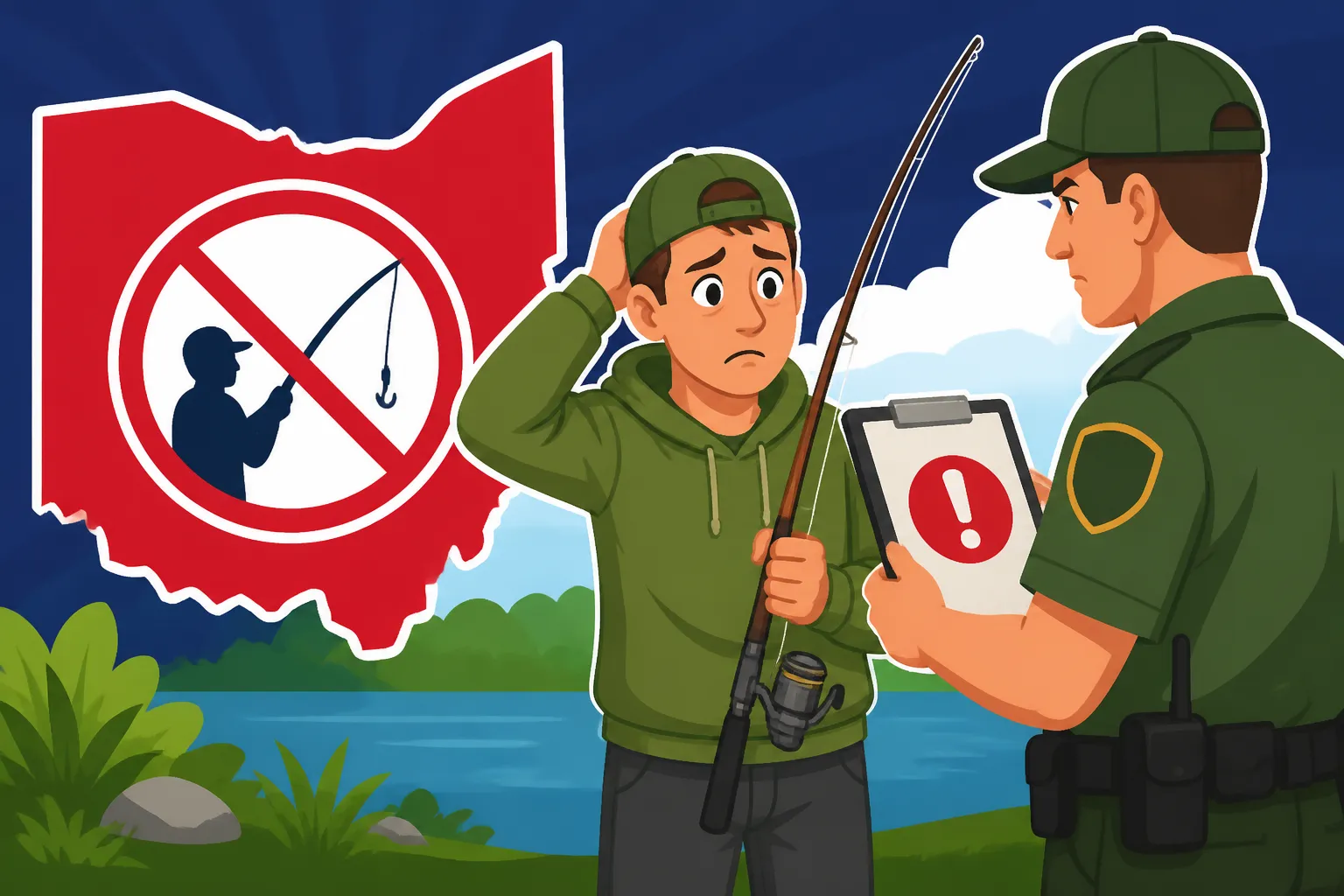
Ohio Fine for Fishing Without a License
It's easy to get caught up in the excitement of a beautiful day on the water, planning your tackle, bait, and where you'll cast your line. But one crucial detail that can often slip an angler's mind – or worse, be intentionally overlooked – is making sure you have a valid Ohio fishing license. Getting caught without one can turn a relaxing day into a frustrating, costly ordeal. This guide will walk you through exactly what an Ohio fine for fishing without a license entails, the potential penalties, and how to make sure you're always on the right side of the law.
The Immediate Consequences of Being Caught Unlicensed
Imagine you're out on Lake Erie, the sun is shining, and the walleye are biting. You've got a stringer full, feeling great, when a wildlife officer approaches for a routine check. They ask for your license, and suddenly your heart sinks – it's at home, or worse, you never bought one. This isn't just a minor inconvenience; fishing without a valid license in Ohio is considered a serious offense, and the consequences start immediately.
Fourth-Degree Misdemeanor Classification
In Ohio, fishing without the proper license is classified as a fourth-degree misdemeanor. This isn't like a parking ticket; it's a criminal offense. What does that mean for you? It means you'll likely receive a summons to appear in court. This isn't something that just goes away with a simple fine payment at the scene, though sometimes officers have discretion depending on the circumstances. The classification means it goes on your record, and you’ll have to deal with the judicial system. It’s a stark reminder that these regulations are taken seriously by the Ohio Department of Natural Resources (ODNR) to protect and manage our valuable fisheries.
Financial Penalties and Court Costs
The actual fine for a fourth-degree misdemeanor in Ohio can vary, but generally, you're looking at a penalty of up to $250. And that's just the fine! On top of that, you'll be responsible for court costs, which can add another significant chunk of change, easily pushing the total well over the initial fine amount. Think about it: a single-year resident fishing license costs significantly less than even the lowest potential fine. It’s a clear case where trying to save a few bucks upfront can end up costing you ten times as much, not to mention the stress and time lost dealing with court proceedings. It certainly makes you wonder why anyone would risk it when getting your Ohio Resident Fishing License Cost or a Ohio Nonresident Fishing License Cost is so simple.
Understanding the Legal Ramifications and Penalties
Beyond the immediate fine and court costs, there are other, often overlooked, legal ramifications that can stem from being caught fishing without a license. These can impact your ability to fish in the future and even your personal record. It's not just about paying a penalty; it's about understanding the full scope of what such a violation can lead to.
Potential for License Revocation and Equipment Seizure
While not always the first action taken, especially for a first offense, judges do have the authority to revoke your fishing privileges. This means you could be prohibited from purchasing an Ohio Fishing License Guide for Residents and Nonresidents for a set period. Imagine having your favorite pastime taken away because of one oversight. In more egregious or repeat offense cases, a wildlife officer might even seize your fishing equipment – rods, reels, tackle, and even your boat. While this is less common for a simple lack of license compared to, say, exceeding bag limits or fishing in a closed area, it’s a power they possess and a risk you take. Always make sure you understand the full range of Ohio Fishing Regulations Every Angler Should Know.
Aggravating Factors and Repeat Offenses
The penalties can escalate quickly if there are aggravating factors involved. For example, if you're found to be fishing without a license and you're over your legal limit of walleye on Lake Erie Walleye Daily Bag Limit or keeping undersized bass, the charges stack up. A wildlife officer isn't just looking for one violation; they're assessing the overall situation. Repeat offenders face much harsher penalties. A second or third offense could lead to significantly higher fines, extended periods of license revocation, and the increased likelihood of equipment seizure. The legal system looks less kindly on those who repeatedly disregard the law. This is why it’s so critical to understand all Ohio Fishing License Types and Options.
Avoiding Fines: How to Ensure You're Always Legal
The best way to avoid the headache and expense of an Ohio fishing without a license fine is, quite simply, to make sure you always have a valid license. This seems obvious, but people forget, misplace, or misunderstand the rules. Let's break down how to stay compliant.
Purchasing and Carrying Your License
First things first: buy your license! You can purchase an Ohio fishing license online through the Ohio Department of Natural Resources (ODNR) website, which is incredibly convenient. Just head to their portal, select the appropriate license, and within minutes you're covered. You can even buy one from the comfort of your home on your tablet or smartphone. Many sporting goods stores like those found on Amazon or local bait and tackle shops throughout Ohio also sell them. Make sure to keep your physical license or a digital copy on your phone with you whenever you're fishing. The ease of Buying an Ohio Fishing License Online means there's really no excuse for not having one.
Here's a quick overview of typical Ohio fishing license costs for residents and nonresidents, though these can change, so always check the official ODNR site or call them directly:
| License Type | Ohio Resident Cost (Approx.) | Ohio Nonresident Cost (Approx.) |
|---|---|---|
| 1-Day | $14 | $14 |
| 1-Year | $25 | $50 |
| 3-Year | $70 | N/A |
| 5-Year | $110 | N/A |
| Lifetime | Varies by age | N/A |
| Apprentice (1-Year) | $25 | $50 |
Note: Prices are approximate and subject to change. Always verify current costs with the Ohio Department of Natural Resources.
Understanding Expiration Dates and Renewals
Another common pitfall is letting your license expire without realizing it. Many anglers assume their license is valid for a full calendar year from the purchase date, but in Ohio, most annual licenses expire on December 31st of the year they were purchased, regardless of when you bought it. So, if you bought a license in July, it still expires on December 31st. This is a common cause of unintentional violations. Make a note to renew your license at the beginning of each year, or consider a multi-year option if available to you. You can find more details on How Long an Ohio Fishing License Stays Valid and whether Does an Ohio Fishing License Expire on December 31? to clarify any confusion. Setting a reminder on your phone or marking it on a physical calendar are simple ways to ensure you don't forget.
Exemptions and Special Cases
Not everyone needs a license, but these exemptions are specific. For instance, children under 16 years of age do not need a fishing license in Ohio. So, if you're taking your grandkids out, they're typically good to go. Also, landowners or their lineal descendants fishing on their own private land (not a public waterway) don't need a license for that specific property. However, it's crucial to understand these nuances. If you’re fishing a private pond that connects to public waters, or if it’s not your private pond, a license is generally required. Always consult the official Ohio Fishing License Guide for Residents and Nonresidents or the ODNR website if you think you might be exempt. When in doubt, it’s always better to err on the side of caution and get a license. Even veteran anglers sometimes have questions about specific scenarios, and getting clarity upfront can save a lot of trouble. You can often find the official Ohio fishing regulation booklet at local bait shops or by searching on Amazon.
Common Misconceptions About Ohio Fishing Licenses
There are many myths and misunderstandings floating around about fishing licenses in Ohio. Clearing these up can save you from an unwelcome encounter with a wildlife officer.
"I'm Just Catching and Releasing, So I Don't Need a License."
This is a very common misconception, and it's absolutely false. Whether you intend to keep your catch for dinner or release every fish back into the water, if you are actively engaged in fishing (casting a line, netting bait, setting traps for fish), you need a valid Ohio fishing license. The act of "fishing" itself, regardless of intent for the catch, requires the proper authorization. Wildlife officers are primarily concerned with the act of angling, not just the harvest. This applies across the board, from small inland ponds to the vast waters of Lake Erie.
"I Only Fish in a Private Pond, So I'm Exempt."
As mentioned briefly before, this isn't always true. While fishing on your own private pond that doesn't connect to public waters might exempt you, fishing in a friend's private pond, a community pond, or any pond that has an inlet or outlet connected to a public waterway generally requires a license. The definition of a "private pond" for exemption purposes is quite specific, and it's not simply "a pond not open to the public." Always verify the status of the waterway. If you're unsure, it's safer to have a license. Many small lakes and reservoirs, even if they feel "private," are often managed by the state and require a license.
"The Wildlife Officer Won't Bother Me for a Simple License Check."
This is a dangerous assumption. Ohio wildlife officers are diligent in their duties, and routine license checks are a fundamental part of their job. They patrol all types of waterways, from popular spots like Alum Creek Lake to remote river bends, and they are trained to identify fishing activity. Their presence isn't just about enforcing rules; it's about managing fish populations and ensuring fair access for everyone. They will absolutely approach you for a license check, and being unprepared can lead to the very fines and legal issues we're discussing. Remember, they aren't just looking for big violations; they are ensuring compliance with all Ohio Fishing Regulations Every Angler Should Know, including the basics. You can even find essential items for proper identification and outdoor safety, like waterproof cases for your license, on Amazon.
What Happens If You Encounter a Wildlife Officer Without a License?
So, you're out there, and an officer approaches. What should you expect, and how should you handle it?
Professional Demeanor and Compliance
First and foremost, maintain a respectful and cooperative demeanor. Wildlife officers are professionals, and a calm, polite interaction is always in your best interest. When asked for your license, if you don't have it, calmly state that. Do not try to argue, hide, or make excuses. Providing false information or resisting an officer can lead to additional, more serious charges. They will likely ask for your identification and gather information to issue a summons.
Understanding the Summons and Court Process
If you are issued a summons for fishing without a license, it will specify the court date, time, and location. It's imperative that you appear in court as directed. Failing to appear can result in a bench warrant being issued for your arrest, which is a significantly more serious problem than the initial misdemeanor. In court, you'll have the opportunity to explain your situation, and the judge will determine the fine and any additional penalties. Sometimes, if it's a first offense and you immediately purchase a license before your court date, the judge might show leniency, but this is entirely at their discretion. It's always a good idea to bring proof of a newly purchased license to your court appearance if you acquire one after the incident. For more about potential fines, look at the Ohio Wildlife Officer Fishing Violation Fine Schedule.
Final Thoughts on Staying Legal and Enjoying Ohio Fishing
The regulations, while sometimes feeling like a bureaucratic hurdle, are put in place for a good reason: to preserve Ohio's incredible fishing opportunities for everyone, now and in the future. Responsible angling includes understanding and adhering to these rules. From ensuring you have your Ohio Fishing License Guide for Residents and Nonresidents to knowing Ohio Statewide Bag and Size Limits for the fish you're targeting, being informed is key. Don't let a preventable oversight like not having a license turn your passion for fishing into a legal and financial burden. A little preparation goes a long way in ensuring your time on Ohio's beautiful lakes and rivers remains relaxing and enjoyable. You can even find handy organizational tools for your tackle box, where you can keep a copy of your license and key regulations, on Amazon.
Disclaimer
The information provided in this guide is for general informational purposes only and does not constitute legal advice. Fishing regulations and fines can change, and specific situations may vary. Always consult the official Ohio Department of Natural Resources (ODNR) website or legal counsel for the most accurate and up-to-date information regarding Ohio fishing licenses and regulations.