Lake Erie Yellow Perch Daily Limit in the East Zone
It can be incredibly frustrating to head out for a peaceful day of fishing on Lake Erie, only to feel confused about the specific regulations for the yellow perch you’re hoping to catch. With different zones and varying limits, it’s easy to get turned around. This guide is here to untangle the complexities of the Lake Erie yellow perch daily limit, focusing specifically on the East Zone, so you can fish with confidence and stay on the right side of the rules.
Understanding Ohio's Lake Erie Yellow Perch Zones
Lake Erie is a massive body of water, and it's not a uniform fishing ground. To effectively manage its diverse fish populations, particularly the popular yellow perch, the Ohio Department of Natural Resources (ODNR) has divided the lake into distinct management zones. This approach allows for more tailored regulations that reflect the unique ecological conditions, fishing pressure, and population dynamics found in different parts of the lake.
Why the Zones Exist
Think about it: the western basin of Lake Erie, with its shallow, warmer waters and extensive wetlands, is a very different environment from the deep, cooler, and rockier eastern basin. These differences directly impact where fish like yellow perch spawn, feed, and grow. Because of these ecological variations, a "one-size-fits-all" approach to fishing regulations simply wouldn't work. The zone system allows wildlife managers to respond precisely to data collected from each area. If a particular zone is experiencing lower perch numbers, perhaps due to environmental factors or higher harvest rates, the ODNR can adjust the bag limit there without impacting healthy populations in other zones. This localized management is crucial for maintaining sustainable fishing opportunities for everyone who enjoys casting a line. Understanding these nuances is key to appreciating why these rules exist in the first place, rather than just seeing them as arbitrary restrictions.
Delineating the East Zone
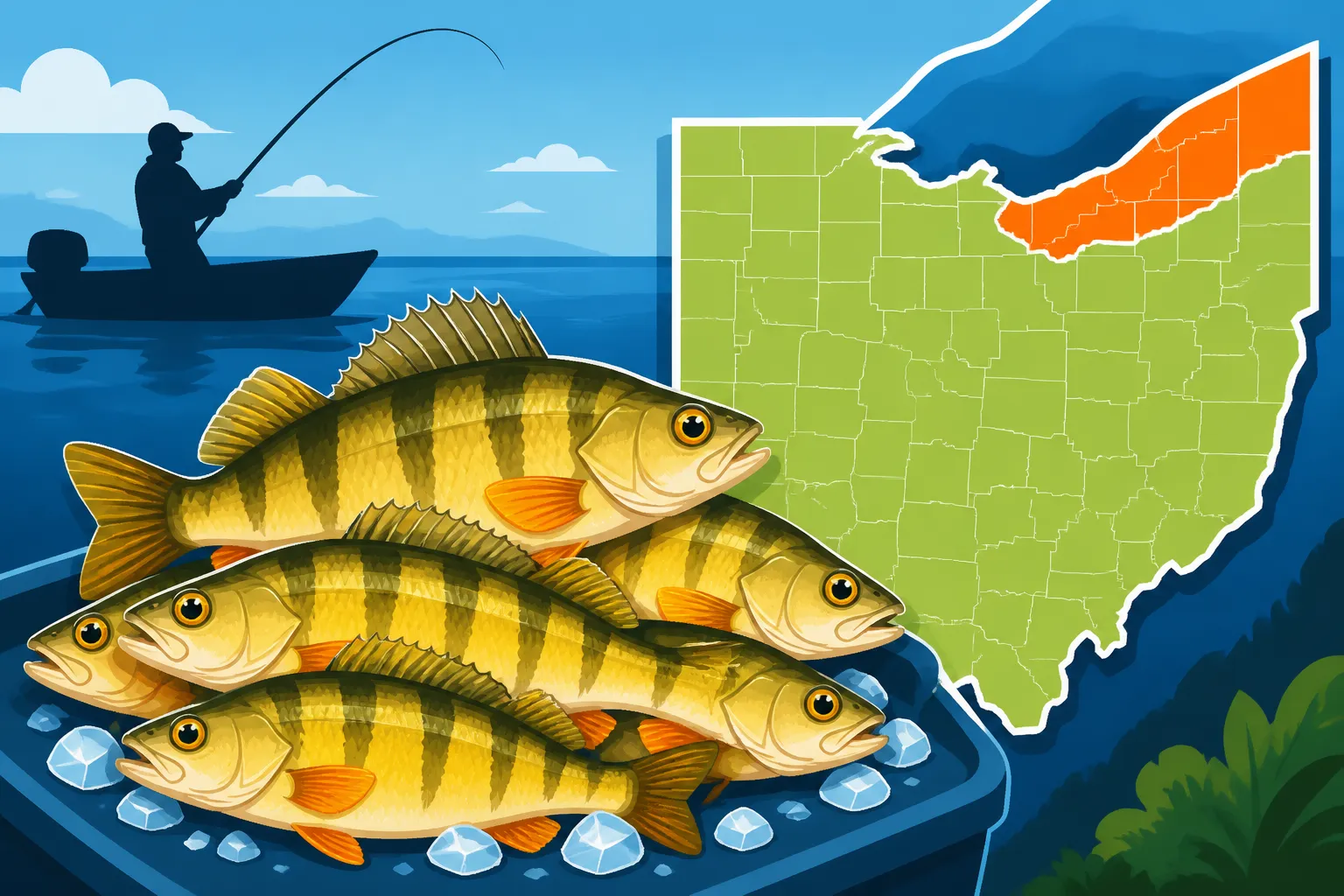
For Ohio anglers, understanding where one zone ends and another begins is absolutely critical. The East Zone of Lake Erie in Ohio is generally defined as the waters east of a line running due north from the Ohio-Pennsylvania state line. To be more precise, it covers Ohio waters east of 80 degrees 30 minutes West Longitude. This imaginary line extends from the Ohio-Pennsylvania border up into the lake. This section includes popular areas off the coasts of Ashtabula and Conneaut. It's often characterized by deeper waters and different bottom structures compared to the central or western basins, which impacts where yellow perch are found and how they behave. When you’re planning a trip to Lake Erie, especially for yellow perch, knowing which zone you're in before you even launch your boat is step one. If you're heading out from a harbor like Ashtabula, you're firmly in the East Zone.
The West and Central Zones in Brief
While our main focus here is on the East Zone, it’s helpful to have a quick overview of the other areas to provide context. The West Zone encompasses the waters west of an imaginary line running due north from Huron, Ohio. This area includes the famous fishing grounds around Port Clinton and the Lake Erie Islands, known for its shallower, warmer waters and prolific walleye and perch populations. The Central Zone then fills the gap, stretching from the line north of Huron eastward to the East Zone boundary near the Ohio-Pennsylvania state line. This means popular fishing hubs like Sandusky and Cleveland fall within the Central Zone. Each of these zones has its own unique characteristics and, crucially, its own specific regulations for species like yellow perch. While the details of Lake Erie Yellow Perch Daily Limit in the West Zone and Lake Erie Yellow Perch Daily Limit in the Central Zone are covered in other guides, it's good to remember that the limits can and do change between these areas.
The Current Yellow Perch Daily Limit in Lake Erie's East Zone
Navigating fishing regulations can feel like deciphering a complex code, especially when you're just eager to get out on the water. But for yellow perch in Lake Erie's East Zone, the rule is pretty straightforward once you know it. It’s about more than just numbers; it’s about making sure these populations thrive for generations to come.
The Specific Limit and Its Implications
As of the latest regulations, the daily bag limit for yellow perch in Ohio's Lake Erie East Zone is 30 fish per angler, per day. This means that each individual angler with a valid Ohio Fishing License Guide for Residents and Nonresidents is permitted to harvest a maximum of 30 yellow perch within a 24-hour period. It’s critical to understand that this isn’t a boat limit that can be divided amongst the crew. If three anglers are on a boat, each person can keep 30 perch, for a total of 90 fish. However, if one angler catches 40 fish, they must release 10, even if another angler only caught 20. The "daily" aspect also means that if you go out fishing in the morning, catch your limit, come in, and then go back out in the afternoon or evening on the same calendar day, you are not allowed to catch more. Your limit resets at midnight. This strict adherence to individual daily limits is a cornerstone of fisheries management, preventing overharvest and ensuring fairness across all anglers.
Why This Limit?
You might wonder why the number 30. It’s not just a random figure plucked from thin air. This limit is the result of extensive scientific research, population surveys, and ongoing monitoring by the Ohio Department of Natural Resources (ODNR) Division of Wildlife. Biologists assess factors such as the current population size, reproduction rates, survival rates, and overall health of the yellow perch fishery specifically within the East Zone. They look at things like year-class strength, how many young perch are surviving to adulthood, and how much fishing pressure the population can sustain without declining. The 30-fish limit is set at a level believed to allow for a healthy harvest while still ensuring plenty of fish remain to spawn and replenish the population in future years. It’s a dynamic number, and it can change based on the health of the perch population, which is why it's so important to always check the most current regulations, often found in the Ohio Fishing Regulations Every Angler Should Know guide. This adaptive management ensures the long-term sustainability of this beloved species.
What Happens If You Exceed the Limit
Ignoring or "accidentally" exceeding the daily limit for yellow perch in the East Zone is not just a minor oversight; it can lead to significant consequences. Wildlife officers take these regulations seriously because they are vital for protecting Ohio's natural resources. If you are found with more than the legal daily limit of yellow perch, you could face penalties that range from fines to confiscation of your catch, fishing equipment, and even your boat. The specific penalties can vary depending on the severity of the violation and whether it’s a first offense or a repeat issue. For example, the Ohio Fine for Fishing Without a License or exceeding bag limits can be substantial, often involving hundreds of dollars in fines, plus court costs. In some cases, repeat offenders could even face jail time or suspension of their fishing privileges. It's simply not worth the risk. Always err on the side of caution, know your limits, and respect the regulations to avoid a very unpleasant end to your fishing trip.
Tips for Respecting Yellow Perch Limits and Sustainable Fishing
It's one thing to know the limit, and another to consistently abide by it, especially when the bite is hot! Responsible fishing means making conscious choices on the water to ensure the health of the fishery for future generations. It’s about stewardship, not just harvest.
Accurate Fish Identification
Before you even start counting, you need to be absolutely sure that the fish you’re reeling in is, in fact, a yellow perch. While yellow perch are generally easy to identify with their distinctive vertical bars and yellowish sides, it’s possible, especially for less experienced anglers or in low light, to confuse them with other panfish species like white perch or even smaller walleye or saugeye, particularly when they are young. White perch, for instance, are a different species entirely and may have different bag limits or even be considered invasive in some areas. Take a moment to confirm your catch. Yellow perch typically have 6-8 dark vertical bars on their sides, a greenish-yellow body, and often bright orange lower fins. Always refer to your Ohio Panfish Identification Guide or a good fish identification app if you're unsure. Misidentification can lead to inadvertently breaking regulations, so it's a crucial first step in responsible harvesting.
Counting Your Catch Accurately
When the yellow perch are biting fast and furious, it’s easy to lose track, especially if you’re fishing with a group. This is where a simple system comes into play to help you stay within your limit. Many experienced anglers use a clicker counter, which is a small, handheld device that lets you simply press a button each time you keep a fish. These are inexpensive and readily available at tackle shops or even on sites like Amazon. Another common method is to use a dedicated cooler or livewell for kept fish only, physically counting them as they go in. If you’re fishing from shore or a kayak, a stringer with marked sections or a quick count before putting fish into your cooler can work. Whatever method you choose, make it a habit from the very first fish you keep. Don't wait until the end of the day, when you might be tired and less inclined to do a careful count. This diligent approach helps prevent accidental over-the-limit situations.
Practicing Responsible Release
Even if you’re aiming to keep your limit, there will be times when you catch fish that are too small, or you’ve already reached your daily quota. In these instances, practicing responsible catch-and-release techniques is vital for the fish’s survival. First, try to minimize the time the fish is out of the water. Handle them gently with wet hands or gloves to avoid removing their protective slime coat. Use a de-hooking tool or needle-nose pliers to remove hooks quickly, especially if the fish has swallowed the hook deeply. If the hook is too deep and difficult to remove without causing significant damage, it's often better to cut the line as close to the hook as possible; hooks will often rust out or pass naturally. Support the fish in the water until it's strong enough to swim away on its own. Avoid tossing or dropping fish back into the water, as this can cause internal injuries. By taking these extra steps, you significantly increase the chances of released fish surviving to reproduce and contribute to future yellow perch populations.
Where to Find Official Ohio Fishing Regulations
The world of fishing regulations isn't static; it's a living, breathing document that evolves based on scientific data, conservation needs, and sometimes even public input. Staying informed is every angler's responsibility, and thankfully, the resources are readily available.
Ohio Department of Natural Resources ODNR Resources
The absolute best and most accurate source for all Ohio fishing regulations, including those for Lake Erie yellow perch, is the Ohio Department of Natural Resources (ODNR) Division of Wildlife. They publish a comprehensive fishing regulations booklet annually, which is available both online and in print. You can usually pick up a physical copy at most bait and tackle shops, Walmart, or other retailers that sell fishing licenses. The ODNR website is also an invaluable resource, often featuring digital versions of the fishing guide as well as special announcements and updates. Look specifically for the "Ohio Fishing Regulations" section or "Fishing Regulations Booklet" on their official site. These resources cover everything from Ohio Fishing Season Dates and Effective Periods to specific length and bag limits for various species across different water bodies. Making it a habit to check these official sources before your first outing each year, and even periodically throughout the season, will ensure you're always fishing legally and responsibly.
Staying Up-to-Date on Changes
It's a common misconception that fishing regulations stay the same year after year. While many rules remain consistent, it's not unusual for specific limits, seasons, or even zone definitions to be adjusted based on the latest scientific assessments of fish populations. For example, if a specific year-class of yellow perch in the East Zone has a particularly strong or weak showing, the ODNR might adjust the bag limit for the following season to either allow for more harvest or protect the population. These changes are typically announced through the ODNR's website, press releases, and updated versions of their annual fishing guide. Subscribing to ODNR newsletters or following their social media channels can also be an excellent way to receive timely alerts about regulatory changes. Even if you're an experienced angler who thinks you know all the rules, a quick glance at the current year's guide can prevent an unintentional violation. Always assume regulations might have changed since your last trip, especially when dealing with popular species like yellow perch on Lake Erie.
| Lake Erie Fishing Zone | Yellow Perch Daily Limit (Ohio Waters) | General Characteristics |
|---|---|---|
| West Zone | 30 fish per angler | Shallow, warm, productive waters. |
| Central Zone | 30 fish per angler | Transitionary, moderate depth. |
| East Zone | 30 fish per angler | Deeper, cooler, rocky bottom. |
Note: Limits are subject to change. Always consult the current Ohio Fishing Regulations from the ODNR for the most up-to-date information.
Disclaimer
Fishing regulations, including bag and size limits, can change. While this guide provides information based on generally current regulations, it is the angler's sole responsibility to consult the most recent official Ohio Department of Natural Resources (ODNR) Division of Wildlife fishing regulations before heading out on the water. This content is for informational purposes only and does not constitute legal advice.