Ohio Panfish Identification Guide
It’s a common scenario on Ohio’s lakes and ponds: you reel in a fish, it’s pan-sized, and you immediately wonder, "Is this a bluegill? A crappie? Or some other sunfish?" Distinguishing between the various panfish species can be surprisingly tricky, even for seasoned anglers, leading to confusion over regulations or missing out on identifying a truly unique catch. This comprehensive guide is designed to cut through that confusion, offering clear identification tips for the most common panfish you’ll encounter across Ohio's diverse waterways.
Understanding Ohio's Panfish Diversity
When we talk about "panfish" in Ohio, we're generally referring to a collection of smaller, tasty freshwater fish that fit nicely into a frying pan. They're often abundant, relatively easy to catch, and provide endless hours of angling enjoyment, especially for families and beginners. However, this broad category encompasses several distinct species, each with unique characteristics that are important to recognize, not just for bragging rights, but for understanding their behavior and adhering to specific regulations. From the humble bluegill to the elusive redear sunfish, knowing your panfish makes you a more informed and successful angler.
What Defines a Panfish?
At its core, a panfish is a fish that is typically small enough to be cooked whole in a frying pan, but large enough to be a worthwhile catch. In Ohio, this usually means members of the sunfish family (Centrarchidae), which includes bluegill, crappie, and various other sunfish, as well as yellow perch, which belongs to a different family (Percidae) but shares many panfish characteristics. They are generally characterized by their somewhat compressed bodies, often vibrant colors, and their tendency to school or inhabit areas with ample cover. These species are crucial components of Ohio's aquatic ecosystems, providing food for larger predators and a fantastic recreational fishery for anglers. Their widespread presence means you can find them in almost every body of water, from small farm ponds to the vast expanse of Lake Erie.
Why Identification Matters
Proper panfish identification isn't just an academic exercise; it has real-world implications for your fishing experience. First and foremost, fishing regulations, such as daily bag limits and minimum size limits, often vary by species. Misidentifying a fish could inadvertently lead to a violation. For instance, the daily limit for crappie might differ from that for yellow perch or bluegill. Beyond regulations, accurate identification helps you understand fish behavior and habitat preferences. Knowing which species you’re targeting allows you to select the right bait, tackle, and fishing techniques, ultimately leading to more successful outings. It also fosters a deeper appreciation for the biodiversity thriving beneath the surface of Ohio’s waters.
The Ubiquitous Bluegill: Ohio's Most Recognizable Panfish
If there's one fish that screams "panfish" in Ohio, it's the bluegill. These feisty, colorful sunfish are perhaps the most common and beloved panfish across the state, providing countless memories for anglers young and old. You'd be hard-pressed to find a pond, lake, or slow-moving river in Ohio that doesn't hold a healthy population of bluegill. Their willingness to bite and their spirited fight on light tackle make them an ideal target for beginners, while their delicious fillets keep seasoned anglers coming back for more.
Key Identification Features of Bluegill
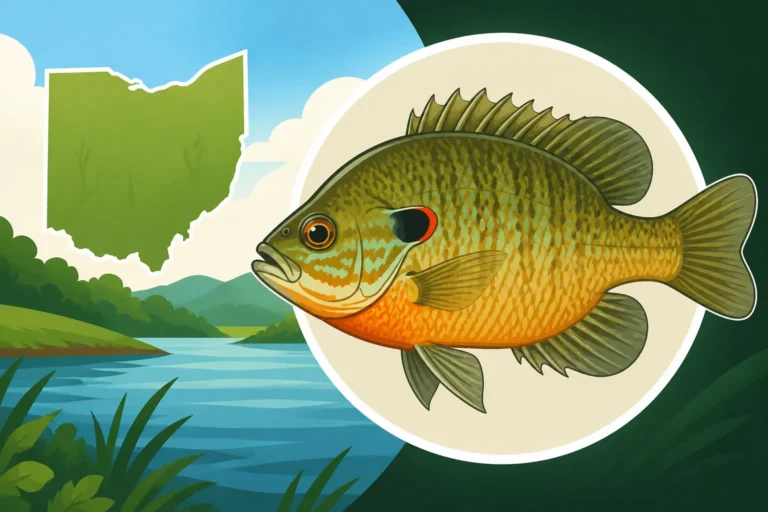
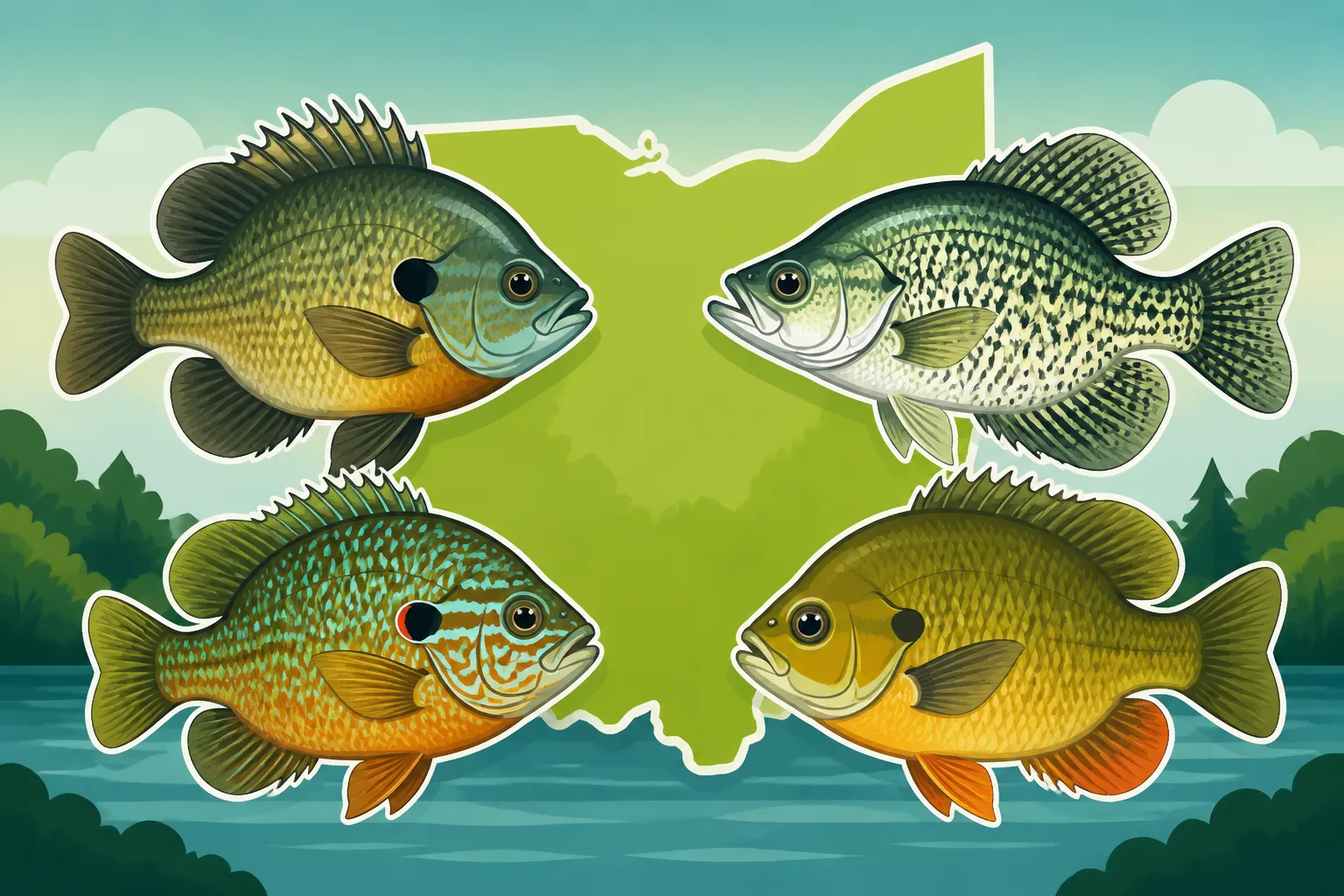
Bluegill are generally quite distinct once you know what to look for. Their bodies are typically deep and compressed, almost disc-shaped. Coloration can vary significantly depending on water clarity, diet, and even mood, but they usually exhibit an olive-green back that fades to a lighter green or yellowish belly. The most defining characteristic is the prominent, dark-blue or black "ear flap" located on the gill cover, which lacks a colored margin. You'll also often notice several dark, vertical bars or blotches along their sides, especially on younger fish or those from clearer waters. Their pectoral fins are relatively long and pointed, and they have a small mouth, which is a good indicator when distinguishing them from some other sunfish species. Look closely, and you might see a small, dark spot at the base of their dorsal fin. For more detailed identification, check out Ohio Bluegill and Sunfish Identification.
Bluegill Habitat and Behavior
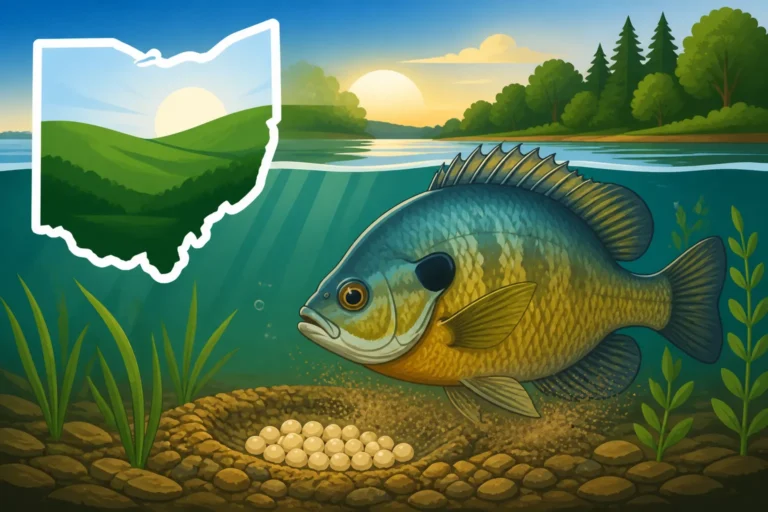
Bluegill are incredibly adaptable and thrive in a wide range of aquatic environments. You'll find them in almost every lake, pond, reservoir, and slow-moving river throughout Ohio. They prefer areas with abundant aquatic vegetation, submerged timber, or other forms of cover, which provide both protection from predators and prime foraging grounds for insects, crustaceans, and small minnows. They are social fish, often schooling in large numbers, particularly around structure. During the spring and early summer, typically from May into July, bluegill move into shallow waters to spawn, creating saucer-shaped nests in colonies. This period, often called the Bluegill Nesting and Spawning Season, is a fantastic time to target them from shore. Understanding these habitat preferences and behavioral patterns is key to locating and catching bluegill consistently. A good pair of polarized sunglasses, available on platforms like Amazon, can really help you spot their nests in shallow water.
Crappie: The Delicious Duo – Black and White
When it comes to table fare, crappie are often considered among Ohio's finest panfish. Anglers throughout the state eagerly anticipate the crappie bite, which can be prolific and provide buckets full of delicious fish. What many might not realize is that "crappie" actually refers to two distinct species commonly found in Ohio: the black crappie and the white crappie. While similar in many ways, there are subtle yet important differences that can help you distinguish between the two, influencing your fishing approach and adherence to specific regulations.
Distinguishing Black Crappie from White Crappie
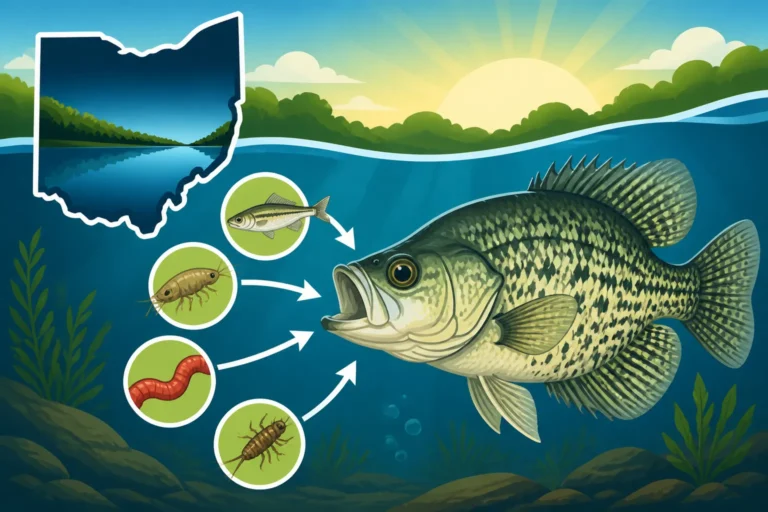
At first glance, black and white crappie look very similar, both possessing deep, compressed, silver-bodied profiles. However, a closer look reveals key differences. The most reliable way to tell them apart is by counting the spines in their dorsal fin. Black crappie typically have 7 or 8 dorsal fin spines, while white crappie have 5 or 6 dorsal fin spines. Beyond the fin count, black crappie tend to have a more mottled, irregular pattern of dark spots spread across their body, often appearing darker overall. Their body is also usually rounder, with a deeper profile. White crappie, on the other hand, often display more distinct, vertical bands of dark spots along their sides, sometimes looking almost striped, and they tend to have a more elongated body shape. Both species have large mouths that extend back to the middle of the eye. Understanding these nuances is crucial, and you can dive even deeper into their distinctions with resources like Ohio White Crappie vs Black Crappie.
Preferred Habitats and Fishing Tips for Crappie
Both black and white crappie prefer clear, calm waters with plenty of submerged structure and vegetation. Black crappie generally favor clearer water with more vegetation, while white crappie are a bit more tolerant of murkier conditions and can often be found in larger rivers and reservoirs. They are notorious for schooling, especially around brush piles, fallen trees, docks, and bridge pilings. In spring, crappie move into shallow water to spawn, similar to bluegill, making them highly accessible to shore anglers. As the water warms, they tend to move to deeper cover.
Fishing for crappie often involves light tackle, small jigs, or live minnows suspended under a bobber. They have a very soft mouth, so a gentle touch is key when setting the hook. When you find one crappie, there are often many more nearby, making for fast-paced action. Exploring different depths around known structures with a fish finder can greatly increase your success. For more comprehensive strategies and where to find them, consult our Ohio Crappie Fishing Guide and Best Ohio Lakes for Crappie.
The Extended Sunfish Family: Beyond Bluegill and Crappie
While bluegill and crappie might steal most of the panfish spotlight, Ohio's waters are home to several other fascinating members of the sunfish family. These species, often overlooked, offer unique fishing opportunities and add to the rich biodiversity of our aquatic ecosystems. Knowing how to identify them not only expands your angling repertoire but also ensures you're correctly following any specific regulations that may apply.
Green Sunfish and Pumpkinseed Sunfish
The green sunfish is another common panfish across Ohio, though often mistaken for a bluegill. They have a more elongated, robust body than a bluegill, with a larger mouth that extends back past the front of the eye. Their coloration is typically olive green to brown on the back, fading to a yellowish-white belly, often with iridescent blue-green spots on their scales. A distinctive feature is the prominent orange-yellow margin around their black ear flap, which sets them apart from the plain black ear flap of a bluegill. They are incredibly hardy and can tolerate poorer water quality than many other sunfish, often found in smaller streams, ditches, and muddy ponds.
Pumpkinseed sunfish, while less common than bluegill or green sunfish in some parts of Ohio, are arguably the most strikingly beautiful. They are similar in body shape to bluegill but are easily identified by their incredibly vibrant, often iridescent, orange, blue, and green markings, with distinct wavy blue lines on their cheek and gill cover. Their black ear flap typically has a bright red or orange spot on the rear margin. Pumpkinseeds prefer clear, vegetated waters, often found alongside bluegill. Telling the "difference between bluegill and sunfish" like the pumpkinseed is all about those finer details in color and markings.
Redear Sunfish: The Shellcracker
The redear sunfish, often affectionately called a "shellcracker" for its preferred diet of snails and other mollusks, is another member of the sunfish family found in various Ohio lakes and ponds. While not as widespread as bluegill, they are highly prized for their size and firm, delicious flesh. Their body shape is similar to a bluegill, but they lack the vertical bars. The most defining characteristic is the red or orange margin on the opercular (ear) flap, particularly noticeable on males, giving them their "redear" name. They also have a distinctive, blunt snout and a small mouth. Unlike bluegill, redear tend to feed on the bottom, using specialized pharyngeal teeth to crush snail shells. They prefer clear, vegetated waters with firm bottoms. If you're wondering Do Ohio Lakes Have Redear Sunfish?, the answer is yes, and they're a fantastic catch.
Rock Bass and Warmouth: The More Robust Sunfish
Rounding out our sunfish discussion are the rock bass and warmouth, two species that often get confused with each other or even with smallmouth bass due to their more robust build and larger mouths compared to bluegill.
Rock bass are chunkier than typical sunfish, with a larger mouth and noticeable red eyes. Their body coloration ranges from olive to golden brown, with dark mottling and sometimes rows of darker spots along their sides. They typically have 5 to 7 prominent anal fin spines (whereas other sunfish usually have 3). Rock bass prefer rocky habitats in clear streams, rivers, and sometimes lakes, hence their name. They are ambush predators, often hiding near rocks, logs, or other structure.
Warmouth are similar in shape to rock bass but are generally darker and more mottled, with a distinct pattern of radiating lines or streaks around their eyes. Their coloration is usually dark olive or brown, often with a bronze sheen on their sides. They also have a larger mouth that typically extends back beyond the middle of the eye, and usually 3 prominent anal fin spines. Warmouth tend to prefer warmer, weedier, and often muddier waters than rock bass, making them common in backwaters, sluggish streams, and heavily vegetated ponds. They are very adaptable and can tolerate poor water quality.
Yellow Perch: The Lake Erie Delight
While technically not a "sunfish" and belonging to a different family (Percidae), yellow perch are quintessential panfish in Ohio, particularly renowned for their delicious fillets and their abundance in Lake Erie. For many Ohio anglers, the thought of panfish immediately conjures images of catching these striped beauties, especially during their legendary runs. They are a staple of the Ohio fishing scene and knowing how to properly identify them is key to enjoying this fantastic fishery.
Key Identification Features of Yellow Perch
Yellow perch are easily distinguishable from the various sunfish species. Their bodies are more elongated and cylindrical than the disc-shaped sunfish, with two distinct dorsal fins (the first spiny, the second soft-rayed). Their most striking feature is their coloration: a vibrant golden-yellow belly and sides, fading to an olive-green back, adorned with 6 to 8 prominent, dark vertical bars or "tiger stripes" that extend from their back to below their lateral line. Their fins, especially the lower fins, often have a reddish or orange tint, which becomes more pronounced during spawning season. They have a somewhat pointed snout and a moderately sized mouth. The Yellow Perch Identification and Habits are relatively straightforward once you recognize these distinct markings and body shape.
Habitat and Fishing Techniques for Yellow Perch
Yellow perch are found in many Ohio lakes, reservoirs, and rivers, but their true stronghold is Lake Erie, particularly its western and central basins. They prefer cooler, clear waters with gravel, sand, or vegetated bottoms. They are schooling fish, often congregating in large numbers, making them a fantastic target for anglers once a school is located. In Lake Erie, they can be found in a range of depths, from shallow nearshore areas to deeper offshore reefs and mud flats.
Fishing for yellow perch typically involves using small live minnows, worms, or pieces of shrimp on a spreader rig or a simple hook-and-sinker setup. Jigging small spoons or soft plastics can also be effective, especially when fishing through the ice. Given their schooling nature, if you catch one, keep fishing the same spot; chances are many more are nearby. They have a relatively delicate bite, so sensitive tackle is often preferred. You can find extensive information on where and how to target these delicious fish in our Ohio Yellow Perch Fishing Guide.
Why Accurate Panfish Identification is Crucial for Anglers
Alright, so we've covered the nuances of telling a bluegill from a pumpkinseed, and a black crappie from a white crappie, and even how yellow perch fit into the panfish scene. You might be thinking, "Do I really need to know all this just to catch a few fish?" The answer, my friend, is a resounding yes! Beyond satisfying your inner ichthyologist, precise identification has tangible benefits that directly impact your fishing experience and contribute to the health of Ohio's fisheries.
Adhering to Ohio Fishing Regulations
This is perhaps the most important reason for accurate identification. Ohio has specific regulations for different fish species, including varying bag limits and sometimes size limits. Imagine you’re out crappie fishing, and you’re absolutely nailing them. You might fill your bucket, thinking you've caught all crappie, only to find out later you had a mix of white crappie and a few green sunfish. While both are panfish, they could fall under different daily limits or even have different legal sizes depending on the specific body of water. Misidentifying your catch could put you in violation of the law, leading to fines or other penalties. Our Ohio Statewide Bag and Size Limits and Crappie and Panfish Daily Limits guides can help you stay compliant, but only if you know what you’ve actually caught! Always double-check the current regulations for the specific lake or river you're fishing.
Enhancing Fishing Success and Conservation
Knowing what you’ve hooked (or what you’re trying to hook) allows you to refine your techniques, baits, and even your location. For example, if you're consistently catching small bluegill in a certain area, but your goal is to land larger crappie, identifying those bluegill tells you that you might need to adjust your depth, bait size, or move to a different type of structure known for holding crappie. Redear sunfish, with their bottom-feeding habits, require a different approach than surface-feeding bluegill.
Furthermore, accurate identification plays a role in conservation. When anglers correctly report their catches and observe regulations, it provides valuable data to wildlife agencies, helping them manage fish populations more effectively. It also promotes ethical angling practices and a greater respect for the aquatic environment. A well-identified catch contributes to better data, which in turn supports better fishing for everyone in the long run.
Tips and Tools for Foolproof Panfish Identification
Even with all the detailed descriptions, telling similar species apart on the water can still be a challenge. Lighting, fish coloration variations, and the excitement of a bite can all make it tougher. But don't worry, there are some practical tips and tools you can employ to become a panfish identification pro. The more you practice, the easier it becomes!
Using a Field Guide or Online Resources
One of the most straightforward ways to ensure accurate identification is to carry a reliable field guide or utilize online resources. Many compact, waterproof field guides specifically for freshwater fish of the Midwest are available. You can find excellent options on Amazon, which are perfect for tossing in your tackle box. These guides typically feature clear illustrations or photographs, along with concise descriptions of key identification features, habitat, and size.
If you prefer digital, having access to an official state fishing regulations booklet or website on your phone can be invaluable. The Ohio Department of Natural Resources (ODNR) provides comprehensive information, including visual guides and detailed species descriptions. Cross-referencing what you see with multiple sources can help confirm your identification, especially for those trickier species like a green sunfish versus a small bluegill.
Focusing on Key Distinguishing Characteristics
When you pull a fish from the water, try to establish a routine for identification. Instead of just looking at the overall color, focus on specific, consistent traits.
Here's a quick checklist:
- Body Shape: Is it deep and round (like a bluegill), or more elongated (like a yellow perch)?
- Mouth Size: Does the mouth extend to the middle of the eye (crappie) or just below the nostril (bluegill)? Is it large and aggressive-looking (rock bass)?
- Fin Spines: Count the dorsal fin spines for crappie (7-8 for black, 5-6 for white). Look for anal fin spines (3 for most sunfish, more for rock bass).
- Ear Flap (Opercular Flap): Is it plain black (bluegill), or does it have a colored margin (green sunfish, pumpkinseed, redear)? Does it have a bright spot?
- Coloration and Markings: Are there distinct vertical bars (yellow perch, white crappie, some bluegill)? Irregular mottling (black crappie, warmouth)? Wavy lines on the cheek (pumpkinseed)? Red eyes (rock bass)?
Practicing this systematic approach will train your eye to spot the crucial differences quickly. It might feel like a lot at first, but with a few trips, you'll start identifying fish like a pro.
Panfish Identification Cheat Sheet
To help you on your next trip to an Ohio lake or pond, here's a quick reference table summarizing the key identification features for common panfish. Keep this handy in your tackle box or boat!
| Feature | Bluegill | Black Crappie | White Crappie | Yellow Perch | Green Sunfish | Pumpkinseed Sunfish | Redear Sunfish |
|---|---|---|---|---|---|---|---|
| Body Shape | Deep, compressed, round | Deep, compressed, round | Deep, compressed, elongated | Elongated, cylindrical | More robust, elongated | Deep, compressed, round | Deep, compressed, round |
| Dorsal Fin Spines | 10-11 | 7-8 | 5-6 | 13-15 (in 1st fin), 1-3 (in 2nd) | 9-11 | 10-11 | 10-11 |
| Mouth Size | Small, doesn't reach eye | Large, reaches middle of eye | Large, reaches middle of eye | Moderate, pointed snout | Large, reaches past front of eye | Small, doesn't reach eye | Small, blunt snout |
| Ear Flap | Plain black/dark blue | Plain dark, no distinct margin | Plain dark, no distinct margin | N/A | Black with orange/yellow margin | Black with red/orange spot, wavy lines | Black with red/orange margin |
| Body Color/Marks | Olive green to yellow, vertical bars | Irregular dark mottling | 6-10 distinct vertical bars | Golden yellow with 6-8 vertical bars | Olive/brown, blue-green spots | Vibrant, iridescent, wavy blue lines | Olive to brown, no bars |
| Typical Habitat | Clear, vegetated lakes/ponds | Clearer water, heavy cover | Murkier water, woody cover | Cooler lakes/rivers, Lake Erie | Tolerates poor water, small streams | Clear, heavily vegetated | Clear, vegetated, firm bottom |
This table is a starting point. Always remember that fish coloration can vary, so focus on the structural features like fin spines and mouth size for the most reliable identification. With practice and these handy tips, you'll be able to confidently identify Ohio's panfish and make the most of your time on the water!
Disclaimer
This article is for general informational purposes only and does not constitute professional advice. Laws, prices and regulations vary by location and change over time. Consult a qualified professional for guidance on your specific situation.