Where the Lake Erie Yellow Perch Central Zone Starts and Ends
For many anglers casting a line into Lake Erie, the question of where one fishing zone ends and another begins can feel like trying to nail jello to a wall. It’s particularly true when you're targeting those delicious yellow perch, as different sections of the lake often come with their own distinct rules and bag limits. This guide is here to clear up the confusion, specifically detailing the precise starting and ending points of Ohio’s Lake Erie Yellow Perch Central Zone, so you can fish with confidence and stay on the right side of the regulations.
Understanding Lake Erie's Yellow Perch Management Zones
Lake Erie is a massive body of water, and its diverse ecosystems, coupled with the need for sustainable fishing practices, mean that managing its fish populations isn't a one-size-fits-all endeavor. For highly sought-after species like yellow perch, states bordering the lake work together to ensure healthy stocks, but each state also sets its own specific regulations for its waters. In Ohio, this means the lake is divided into distinct zones, each with unique considerations, especially regarding daily bag limits for yellow perch.
Why Lake Erie Has Perch Zones and Specific Regulations
The primary reason for dividing Lake Erie into these distinct zones for yellow perch management boils down to biology and conservation. Yellow perch populations, while robust overall, can fluctuate and exhibit different behaviors, spawning patterns, and population densities across the vastness of the lake. The Western Basin, for instance, is shallower and warmer, acting as a major spawning ground, while the Central and Eastern Basins offer different habitats and food sources.
By establishing zones, fisheries managers with the Ohio Department of Natural Resources (ODNR) can implement targeted regulations that respond to localized conditions. This allows for greater flexibility in setting daily bag limits, ensuring that fishing pressure is appropriately distributed and that the perch population remains healthy for future generations. It’s a sophisticated approach to a complex natural resource, and it’s why understanding these boundaries is so crucial for any angler. You'll find specific details on how these limits vary in our comprehensive guide to Ohio Fishing Regulations Every Angler Should Know.
The Three Main Yellow Perch Zones in Ohio's Lake Erie Waters
For yellow perch in Ohio waters, Lake Erie is primarily segmented into three distinct zones: the Western Basin, the Central Basin, and the Eastern Basin. Each of these zones, as you might expect, comes with its own set of rules, particularly concerning the daily bag limit for yellow perch. It's not just a matter of convenience; these divisions reflect ecological differences and management strategies across the lake.
The Western Basin, often lauded for its incredible walleye fishery, also holds significant yellow perch populations, particularly in the spring. As you move eastward, the Central Basin takes over, characterized by deeper waters and often excellent perch fishing throughout the summer. Finally, the Eastern Basin, bordering Pennsylvania, continues the trend, offering different fishing experiences and population dynamics. To get a better handle on the specific catch limits for each, you might want to look into our articles on the Lake Erie Yellow Perch Daily Limit in the West Zone, the Lake Erie Yellow Perch Daily Limit in the Central Zone, and the Lake Erie Yellow Perch Daily Limit in the East Zone. These separate regulations are a key part of the larger picture of Why Lake Erie Yellow Perch Has Three Different Bag Limits.
Pinpointing the Lake Erie Yellow Perch Central Zone Boundaries
Alright, let's get down to brass tacks: where exactly does the Central Zone for Lake Erie yellow perch begin and end? This is the crucial information every angler needs to know to avoid accidental violations and to understand the specific regulations that apply to their fishing location. Navigating these invisible lines on the water can be tricky, but once you know the key landmarks and coordinates, it becomes much clearer.
The Western Boundary: From West to Central
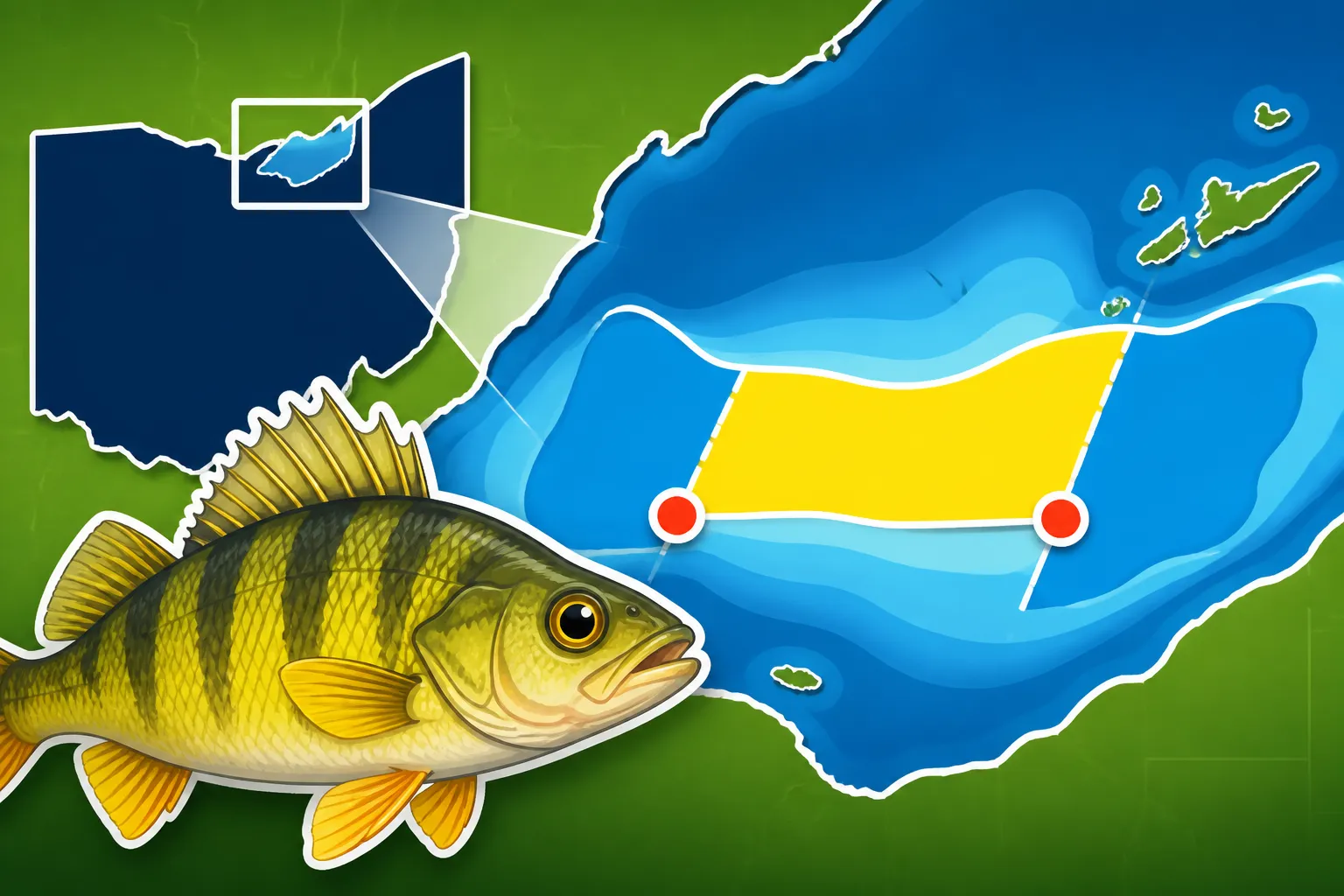
The Lake Erie Yellow Perch Central Zone officially begins where the Western Basin ends. For Ohio anglers, this dividing line is a pretty well-defined geographical marker. Picture a line stretching straight north from the tip of Marblehead Peninsula near Sandusky, Ohio. More precisely, it's defined by the longitude line of 82 degrees West.
This means if you're fishing west of this imaginary line, you're in the Western Basin. Cross over it, and you're officially in the Central Zone. Anglers often think of iconic landmarks like Cedar Point and Marblehead as the western edge of what feels like "central" Lake Erie, and that's a good mental reference. Understanding this transition is vital because the daily bag limits for yellow perch typically change right at this boundary. Make sure your GPS or chartplotter, perhaps one you picked up from Amazon, has this longitude marked, or at least be aware of your position relative to Marblehead.
The Eastern Boundary: From Central to East
Now, let's talk about the other side of the Central Zone – where it gives way to the Eastern Basin. This boundary is also a specific longitude line, moving further east along the Ohio coastline. The Lake Erie Yellow Perch Central Zone ends, and the Eastern Basin begins, at the longitude line of 81 degrees West.
This line runs roughly north from the area around Fairport Harbor, extending out into the lake. So, if you're fishing west of Fairport Harbor but east of Marblehead, you're squarely in the Central Zone. Venture east of that 81 degrees West line, and you'll find yourself subject to the Eastern Basin's perch regulations. Popular fishing spots like Geneva-on-the-Lake or Ashtabula are definitely in the Eastern Basin. Knowing this eastern demarcation is just as important as knowing the western one, especially if you're planning a trip that might span different sections of the lake.
Practical Navigation for Anglers on the Water
For recreational anglers, relying solely on visual landmarks can be misleading, especially on a large body of water like Lake Erie. The best way to precisely determine your location relative to these zone boundaries is through modern navigation tools.
Most anglers today use a GPS unit or a chartplotter on their boat. These devices, many of which can be found with great reviews and pricing on Amazon, allow you to display your exact coordinates, including longitude. You can even program these specific longitude lines (82° W and 81° W) into your device as custom boundaries or waypoints. This way, as you drift or troll, you'll have a real-time understanding of which zone you're in. Some advanced marine electronics even integrate these fishing zone lines directly onto their digital charts.
Additionally, many smartphone and tablet apps are available that offer marine navigation capabilities, often with detailed charts. A quick search on the Amazon Appstore might reveal several options that could serve as a valuable backup or even primary navigation tool. Always ensure your device is charged, waterproof, and that you understand how to use it effectively before heading out. A physical chart of Lake Erie from a marine supply store is also a fantastic old-school backup!
Here’s a quick summary of the Lake Erie Perch Zones in Ohio:
| Perch Zone | Western Boundary | Eastern Boundary | Typical Daily Bag Limit (Varies Annually) | Key Characteristics |
|---|---|---|---|---|
| Western Basin | Ohio-Michigan border | 82° 00' 00" W (Marblehead) | 30 perch (seasonal changes) | Shallower, warmer, major spawning grounds |
| Central Basin | 82° 00' 00" W (Marblehead) | 81° 00' 00" W (Fairport Harbor) | 30 perch (seasonal changes) | Deeper, cooler, consistent summer fishing |
| Eastern Basin | 81° 00' 00" W (Fairport Harbor) | Ohio-Pennsylvania border | 30 perch (seasonal changes) | Deepest Ohio waters, merges with PA waters |
Note: Daily bag limits are subject to change by the ODNR annually. Always check current regulations before fishing.
Navigating Regulations Across Zones
Understanding where the Lake Erie Yellow Perch Central Zone starts and ends isn't just an academic exercise; it has real, tangible impacts on your fishing trip. The most significant of these is the variation in daily bag limits. What might be a perfectly legal catch in one zone could land you in hot water in another, leading to fines and a ruined day on the water.
Impact of Zone Differences on Daily Bag Limits
The Ohio Department of Natural Resources (ODNR) sets specific daily bag limits for yellow perch in each of Lake Erie's zones, and these limits can, and often do, vary. While the overall health of the perch population influences statewide limits, localized data helps inform zone-specific adjustments. For instance, in a given year, the Western Basin might have a slightly different daily limit than the Central or Eastern Basins, reflecting management responses to local spawning success or fishing pressure.
Imagine you start your day fishing in the Western Basin, catching a limit of perch, and then decide to move eastward into the Central Zone without realizing the bag limit has changed. If you continue to fish and exceed the Central Zone's limit, you've inadvertently committed a violation. Wildlife officers routinely patrol these waters, and they are well aware of the zone boundaries. Your best bet is always to check the current regulations for the specific zone you intend to fish. For the most up-to-date figures, our detailed article on the Lake Erie Yellow Perch Daily Limit in the Central Zone is a fantastic resource.
Keeping Up with Current and Annual Regulations
The fishing regulations for Lake Erie, including those for yellow perch, are not static. They are reviewed and often updated annually by the ODNR to reflect the latest scientific data on fish populations, environmental conditions, and fishing pressure. This means that the daily bag limit you remember from last year might not be the same this year.
It's absolutely critical to stay informed. Before every fishing season, or even before each trip if you're unsure, you should consult the official Ohio Fishing Regulations booklet. This guide, available online as a PDF on the ODNR website or in print at bait shops and license vendors across the state, provides all the necessary information, including any changes to daily limits, length restrictions, and other rules. Our guide on When Ohio's Lake Erie Daily Limits Take Effect Each Year also offers valuable insights into the regulatory calendar. Don't rely on hearsay or outdated information; a few minutes checking the official sources can save you a lot of hassle and ensure a legal and enjoyable fishing experience.
Tips for Fishing the Central Zone Effectively
Now that you're an expert on where the Lake Erie Yellow Perch Central Zone begins and ends, let's talk about how to make the most of your time fishing for yellow perch in this bountiful area. The Central Zone offers some fantastic opportunities, but like any good fishing spot, understanding local nuances can significantly boost your success.
Prime Fishing Locations Within the Central Zone
The Central Basin of Lake Erie is renowned for its excellent yellow perch fishing, particularly during the warmer months when schools move to deeper, cooler waters. Some of the most productive areas often lie offshore from cities like Vermilion, Lorain, and Cleveland. These areas feature a mix of mud bottoms, submerged humps, and occasional rock piles, all of which are magnets for schooling perch.
Anglers often find success by focusing on depths ranging from 30 to 60 feet, although perch can be found shallower or deeper depending on water temperature and baitfish presence. Look for structure on your fish finder – subtle changes in depth or bottom composition can hold large schools. Keep an eye out for concentrations of baitfish, as perch will rarely be far behind. Sometimes, the best spots are those less-pressured areas slightly away from the main boat traffic. Exploring new waters within the Central Zone can sometimes lead to finding a hidden gem.
Essential Gear and Techniques for Central Zone Perch
Fishing for yellow perch in the Central Zone doesn't require highly specialized equipment, which is great news for both seasoned anglers and beginners alike. The key is to have reliable gear that can handle the depths and potential currents of Lake Erie.
- Rods and Reels: A medium-light to medium action spinning rod, around 6 to 7 feet long, paired with a matching spinning reel spooled with 6-10 lb test monofilament or braided line, is ideal. This setup provides enough sensitivity to detect subtle perch bites and enough backbone to manage a stringer of fish.
- Rigs: The most common and effective rig for yellow perch is a crappie rig or a specialized perch spreader rig. These typically feature two hooks spaced a foot or so apart, with a sinker at the bottom. This allows you to present multiple baits at different depths simultaneously. You can find pre-tied rigs like this, or components to make your own, on Amazon, offering convenience and variety.
- Bait: Live bait is king for yellow perch. Emerald shiners are often considered the gold standard on Lake Erie, but fathead minnows, nightcrawlers (cut into pieces), and even maggots or waxworms can be highly effective. Some anglers also use small pieces of cut bait.
- Techniques: Most Central Zone perch fishing involves drifting or anchoring. When drifting, the boat moves slowly with the wind or current, allowing your rig to cover more ground. This is a popular and effective method, as discussed in our Drift Fishing for Lake Erie Yellow Perch guide. When you locate a good school, anchoring directly over them can keep you in the strike zone longer. Continuously checking your fish finder for schools of fish or bait is crucial for success. Experiment with jigging your rig slightly to attract attention. For more in-depth advice on setups, check out our piece on the Best Rig for Yellow Perch on Lake Erie.
Disclaimer
Please note that fishing regulations, including bag limits and zone definitions, can change. Always consult the official Ohio Department of Natural Resources (ODNR) fishing regulations guide or their website before heading out on the water to ensure you have the most current information. This article is intended for informational purposes only and should not be considered a substitute for official regulations.