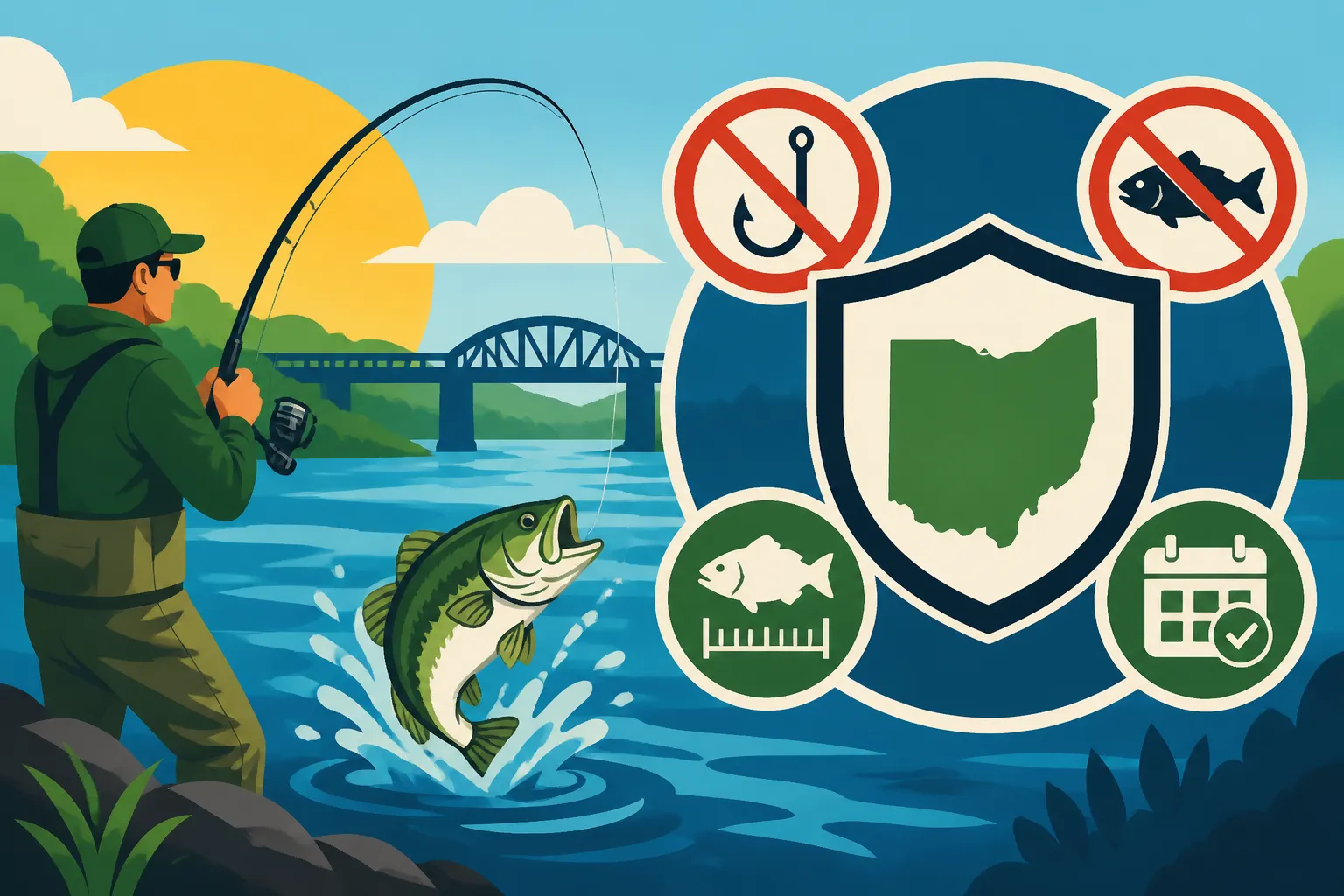
Special Fishing Regulations on the Ohio River
Fishing the mighty Ohio River is a truly unique experience, offering some incredible angling opportunities, but it also comes with a distinct set of rules that can leave even seasoned anglers scratching their heads. You see, this isn't just another Ohio waterway; it's a border river, meaning its regulations are a fascinating blend of rules from multiple states, creating a confusing patchwork if you don't know what to look for. This guide will cut through the clutter, helping you understand the special fishing regulations on the Ohio River so you can fish confidently and legally.
The Multi-State Dilemma: Why the Ohio River is Different
Unlike inland lakes and rivers entirely contained within Ohio's borders, the Ohio River serves as a natural boundary for three states: Ohio, Kentucky, and West Virginia. This unique geographical situation means that navigating the legalities of fishing here isn't as straightforward as just grabbing your standard Ohio Fishing License Guide for Residents and Nonresidents and heading out. The main stem of the river itself is managed collaboratively, and while there are reciprocal agreements in place, knowing which state's regulations apply to your specific situation, particularly concerning bag limits and size restrictions, can be a real head-scratcher. Many anglers assume a "free-for-all" in the middle, but that's a dangerous misconception.
Reciprocal Agreements and Jurisdictions
The good news is that for the main stem of the Ohio River, the states bordering it—Ohio, Kentucky, and West Virginia—have established reciprocal agreements regarding fishing licenses. This means if you possess a valid resident fishing license from any of these three states, you're generally permitted to fish the main body of the river. This is a huge convenience, preventing you from needing three separate licenses just to cross the river's centerline. For example, an Ohio resident with a valid Ohio fishing license can fish all the way to the Kentucky or West Virginia bank, and vice-versa.
However, this reciprocity usually applies only to the main stem. Once you venture into the tributaries of another state, even just a few feet up a creek, you're typically subject to that state's individual licensing and fishing regulations. It's a critical distinction. Always remember that a Kentucky license won't let you fish inland Ohio waters, just the shared Ohio River itself. This interconnectedness and the need for clarity are why understanding Ohio Fishing Regulations Every Angler Should Know is still vital, even on shared waters.
Key Regulatory Agencies Involved
Keeping track of the regulations for the Ohio River involves understanding that three distinct state agencies share oversight:
- Ohio Department of Natural Resources (ODNR) Division of Wildlife: For Ohio's residents and those fishing from the Ohio bank, or holding an Ohio license on the main stem.
- Kentucky Department of Fish and Wildlife Resources (KDFWR): For Kentucky residents and those fishing from the Kentucky bank, or holding a Kentucky license on the main stem.
- West Virginia Division of Natural Resources (WVDNR): For West Virginia residents and those fishing from the West Virginia bank, or holding a West Virginia license on the main stem.
These agencies work together to harmonize regulations where possible, especially for popular species and general fishing methods on the main river. However, slight variations can exist, particularly concerning specific gear types or very localized areas. It's always a good practice to consult the current year's fishing regulations from the state whose license you hold, even for Ohio River fishing. These booklets are usually available at license vendors or in digital format on the respective state's wildlife website. If you're planning a trip to the Ohio River, make sure you're getting the most up-to-date information directly from the source.
Understanding General Ohio River Fishing Rules
While the multi-state aspect can feel complex, many general rules on the Ohio River are quite consistent or follow sensible patterns, particularly for the most popular sportfish. This consistency helps to prevent confusion and ensures conservation efforts are coordinated. However, it's those subtle differences or species-specific nuances that can trip anglers up, especially when comparing them to inland Ohio waters.
Species-Specific Regulations
Let's talk about the fish you're most likely targeting on the Ohio River, and what special considerations you need to keep in mind regarding their size and bag limits:
- Catfish (Channel, Flathead, Blue): The Ohio River is legendary for its catfish, especially the trophy-sized flatheads and blues. Generally, for channel catfish, there's a daily bag limit of 10, often with no minimum size. Flathead and blue catfish usually have more restrictive limits. For instance, in some sections, you might be allowed a combined limit of 2 large flathead/blue catfish, with strict minimum size limits (e.g., 35 inches for flathead and 30 inches for blue catfish). These are often designed to protect larger breeding fish and ensure sustainability. Always double-check Catfish Regulations by Species for the most current numbers, as these can be updated.
- Sauger: Sauger are incredibly popular on the Ohio River, particularly in the cooler months. The regulations for sauger can sometimes mirror those for walleye in inland waters but often have their own specific minimum length and daily bag limits. For example, a common sauger limit might be 10 fish per day, with a 10-inch minimum size. Knowing how to differentiate them from their walleye cousins is also key; you can brush up on your Ohio Sauger Identification if you're ever unsure.
- Black Bass (Largemouth, Smallmouth, Spotted): Bass fishing is excellent in the Ohio River, especially in creek mouths and backwater areas. While bag limits are usually generous, often 6 combined for these species, there is typically a 12-inch minimum length limit. Again, these rules are generally reciprocal across the bordering states for the main stem.
- Crappie and Panfish: Crappie (black and white), bluegill, and other panfish are abundant in the Ohio River. They usually have very generous daily limits, often 30-50 fish, with no minimum size. These species provide fantastic opportunities for family fishing outings.
It's crucial to remember that these examples are generalized. The exact numbers can change annually based on fish population surveys and conservation goals set by the ODNR, KDFWR, and WVDNR. Before any trip, verify the most recent regulations for your target species.
Gear and Method Limitations
Fishing on a large, navigable river like the Ohio often brings with it unique gear and method regulations that differ from smaller lakes or ponds.
- Number of Lines: Generally, on the Ohio River, you are limited to two poles and lines per angler. This is a common regulation in Ohio and its bordering states, designed to ensure fair chase and prevent overharvesting. Using more than this, unless otherwise specified (like for commercial fishing or specific tournament permits), could lead to a citation. To understand more about this, check out How Many Fishing Lines You Can Use in Ohio.
- Trotlines and Jug Fishing: These methods, which involve multiple baited hooks, are often permitted on the Ohio River but come with very specific rules. You'll likely need to tag your gear with your name and address, adhere to limits on the number of hooks per device, and may have restrictions on where you can deploy them (e.g., not near boat ramps or heavily trafficked areas). These rules are strictly enforced to prevent navigation hazards and ensure proper harvest accounting.
- Spearfishing: Spearfishing for certain rough fish species (like carp or gar) may be permitted, but generally not for sportfish like bass or sauger. Always consult the regulations for permitted species and methods if you're considering spearfishing.
- Commercial vs. Recreational Gear: There's a clear distinction between recreational gear and commercial fishing gear (like gill nets, seines, or very long trotlines). Commercial fishing requires specialized licenses and permits, which are entirely separate from recreational fishing licenses. As a recreational angler, stick to methods explicitly allowed for sportfishing.
When it comes to purchasing specialized gear like heavy-duty rod holders for boat fishing on the river or robust tackle boxes to handle various baits, online retailers like Amazon offer a vast selection. They often have customer reviews that can help you find gear specifically designed for river conditions, which can be a lifesaver when battling strong currents or large fish.
Navigating Border Waters with Confidence
Fishing the Ohio River isn't just about knowing the fish limits; it's also about understanding the environment and being a responsible, safe angler. The river is a busy place, with commercial barges, pleasure craft, and strong currents. Being prepared and informed makes all the difference for an enjoyable and safe outing.
Licensing Requirements for the Ohio River
Let's reiterate the most crucial point about licenses for the Ohio River. If you hold a valid fishing license from any of the three bordering states—Ohio, Kentucky, or West Virginia—you are legally allowed to fish the main stem of the Ohio River. This means:
- An Ohio fishing license allows you to fish the entire width of the Ohio River.
- A Kentucky fishing license allows you to fish the entire width of the Ohio River.
- A West Virginia fishing license allows you to fish the entire width of the Ohio River.
This reciprocal agreement greatly simplifies things for anglers. However, it's vital to remember that this does not extend to tributaries. If you're fishing a creek that flows into the Ohio River, and that creek is wholly within, say, Kentucky, then you would need a Kentucky fishing license to fish that creek. The same applies to fishing inland lakes or ponds within any of the bordering states—your Ohio River reciprocal license won't cover you there. If you're planning on fishing outside the main river channel, always ensure you have the appropriate state's license. For specific details on where and how to buy an Ohio fishing license, you can refer to our guide on Where and How to Buy an Ohio Fishing License.
Important Safety Considerations
The Ohio River is a powerful waterway, and safety should always be your top priority.
- Commercial Traffic: The Ohio River is a major shipping lane. Always be aware of barges and other large commercial vessels. They cannot stop or maneuver quickly. Give them a wide berth. Their wakes can also be substantial, so be prepared for sudden waves, especially if you're in a smaller boat or kayak.
- Strong Currents and Eddies: The river's current can be deceptively strong, especially after heavy rains or near dam structures. Always wear a life jacket, especially if you're in a kayak or canoe. Understanding how to anchor safely in current on the Ohio River is a critical skill. Learn to read the water for eddies, which often hold fish but can also create tricky currents.
- Weather Changes: Weather on large bodies of water can change rapidly. Keep an eye on the forecast and be prepared for sudden storms, wind, or temperature drops. Having a weather radio or a reliable weather app on your phone is highly recommended.
- Navigation and Maps: Even if you're familiar with the river, having up-to-date navigational charts or a GPS unit can be incredibly helpful for identifying hazards, marking fishing spots, and ensuring you know your location relative to access points. You can find detailed river maps, often called hydrographic charts, on sites like Amazon, which can be invaluable for pinpointing depths, channels, and structures.
Common Misconceptions and How to Avoid Them
Even with all the information out there, certain myths and misunderstandings persist about fishing the Ohio River. Clearing these up can save you a lot of hassle and potential fines.
"Which State's Rules Apply to My Catch?"
This is perhaps the most common question and source of confusion. The general rule of thumb for the Ohio River's main stem is that the regulations of the state whose fishing license you possess are the ones that apply to you.
For example:
- If you have an Ohio fishing license, you must abide by Ohio's bag and size limits for any fish you catch on the Ohio River, regardless of whether you're closer to the Ohio or Kentucky bank.
- If you have a Kentucky fishing license, you must abide by Kentucky's bag and size limits for your catch.
This simplifies enforcement for wildlife officers. If you're checked, they'll verify your license and then ensure your catch adheres to that state's regulations for the Ohio River. It avoids complex arguments about which exact invisible line you crossed. However, it's a good idea to be aware of the rules of the bordering states too, especially if there are significant differences. When in doubt, always default to the more restrictive regulation to stay on the safe side.
The Myth of the "Free Zone"
Some anglers incorrectly believe that the middle of the Ohio River is a kind of "free zone" where no specific state's rules apply, or where you don't need a license at all. This is absolutely false and can lead to serious legal trouble. As discussed, the river is under shared jurisdiction, and a valid fishing license from one of the bordering states is always required to fish the main stem of the Ohio River.
Furthermore, there's no "no-limit" area. All species are subject to daily bag and size limits designed to protect fish populations. Fishing without a license or exceeding limits can result in significant penalties, including fines and potential confiscation of gear. Ohio Wildlife Officer Violation Fines in Ohio can be substantial, so it's always better to be fully compliant.
To ensure you're always fishing within the legal framework, keep a digital or physical copy of the regulations for your licensed state readily accessible, perhaps downloaded to your phone or printed from the ODNR website. This simple step can prevent misunderstandings and ensure your Ohio River fishing adventure is memorable for all the right reasons.
Remember that responsible angling also includes proper catch and release practices, leaving no trace, and respecting other river users. The Ohio River is a shared resource, and understanding its unique regulations is a key part of preserving it for future generations of anglers.
| Species | Ohio River (Example) | Inland Ohio Waters (Example) | Key Difference |
|---|---|---|---|
| Channel Catfish | 10 daily, no size limit | 10 daily, no size limit | Generally similar |
| Flathead Catfish | 2 daily, 35" min. size | 1 daily, no size limit | Ohio River often has stricter size limits for blues/flats |
| Blue Catfish | 2 daily, 30" min. size | Not commonly listed | Specific limits for large blue cats on Ohio River |
| Sauger | 10 daily, 10" min. size | 10 daily, 10" min. size | Generally similar to inland sauger rules |
| Black Bass | 6 combined, 12" min. size | 6 combined, 12" min. size | Generally similar |
| Crappie | 30 daily, no size limit | 30 daily, no size limit | Generally similar |
Note: This table provides generalized examples. Always refer to the most current regulations from the state whose license you hold for exact numbers.
Disclaimer
The information provided in this guide is for general informational purposes only and is not a substitute for the official fishing regulations published by the Ohio Department of Natural Resources, Kentucky Department of Fish and Wildlife Resources, or West Virginia Division of Natural Resources. Regulations can change, and it is the angler's responsibility to review and adhere to the most current rules and laws before fishing.