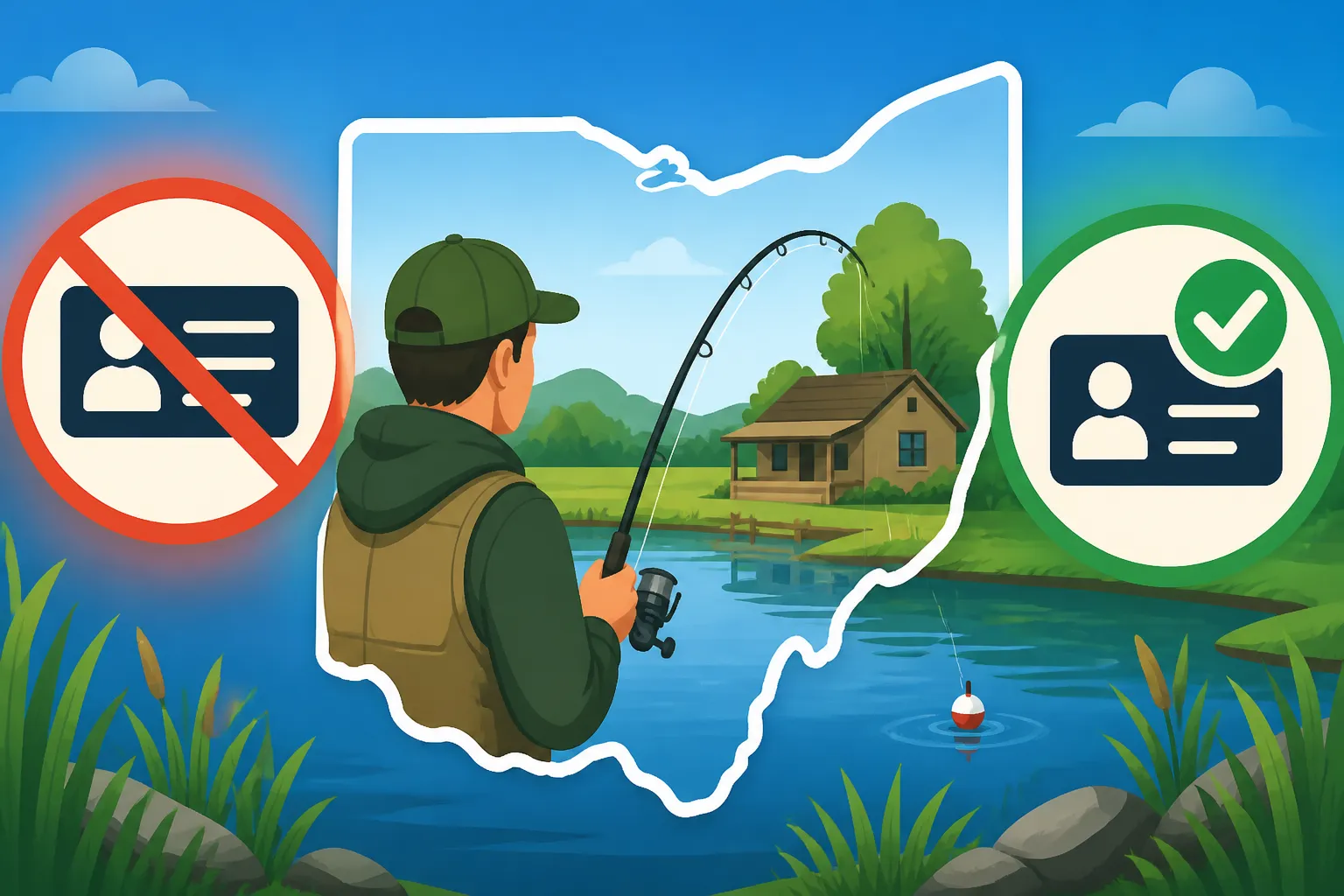
Do You Need a License to Fish a Private Pond in Ohio?
It’s a common scenario: you’re visiting a friend or family member in Ohio, and they have this beautiful pond right in their backyard. Or maybe you just bought a property with a serene body of water and you’re itching to cast a line. The question immediately pops into mind, and it’s a good one: "Do I need an Ohio fishing license to fish this private pond?" The assumption for many is that if it’s on private property, the rules of public fishing don't apply. But Ohio law, like many things in life, has its nuances, and understanding them is key to enjoying your time on the water without an unexpected run-in with a wildlife officer. This guide will meticulously break down the specific conditions under which an Ohio fishing license is, or isn't, required for fishing in private ponds, ensuring you stay legal and informed.
The General Rule for Private Ponds in Ohio
Fishing in Ohio offers incredible opportunities, from the massive waters of Lake Erie to countless inland lakes and rivers. But small, private ponds hold a special charm for many anglers. When it comes to these intimate waters, Ohio's fishing regulations have a specific provision that often surprises people. The foundational rule you need to understand revolves around the pond's connection to other waters and its ownership status. Get this wrong, and what you thought was a peaceful afternoon could turn into a hefty fine.
Understanding What "Private Pond" Truly Means
Before we dive into the license specifics, let’s talk about what "private pond" actually signifies in the eyes of Ohio law. It’s not just about whether the land surrounding it is privately owned. The critical distinction lies in its hydrological isolation. Is it genuinely a standalone body of water, or is it part of a larger, interconnected system? For instance, a small, dug-out pond in the middle of a farmer's field that collects rainwater and has no natural inlet or outlet to a stream, river, or public lake is generally considered "private."
However, the definition can become murky if the pond is, say, part of a homeowner's association. While the land might be managed privately by the association, if that pond has public access easements, or if the association opens it up for general community fishing events, the "private" status for license exemption purposes might be compromised. The key is true, exclusive private ownership with no public access implied or granted, either physically or legally. It's not uncommon for anglers to mistakenly believe a picturesque body of water tucked away on private land is exempt, only to find out it's actually a public reservoir or a lake with public access points. Always do your homework or consult with the landowner.
The Key Exemption: Completely Enclosed and Privately Owned
Here's the golden ticket for license-free fishing in a private pond: the pond must be completely enclosed and privately owned. What does "completely enclosed" truly mean? It means the pond has no inlet or outlet to public waters. This isn't just about obvious rivers or streams; it includes intermittent ditches, culverts, or subsurface connections that allow fish to move between the pond and public waterways, or allow public water to flow in. Think of it as a bathtub – if it's got a drain or a faucet connected to a municipal water supply, it's not truly "enclosed" from a fishing regulation standpoint. If it's literally just a depression in the ground that fills with rain and groundwater, and has no connections, then you're likely in the clear.
The intent behind this exemption is straightforward: if fish cannot migrate into or out of the pond from public waters, then the state's interest in managing the fish population through licensing is greatly reduced. The fish in such a pond are essentially considered the private property of the landowner. This exemption applies not only to the landowner themselves but also to anyone they've given permission to fish on their property. So, if your friend owns a truly enclosed pond, and they invite you to fish, neither you nor your friend generally needs an Ohio Fishing License Guide for Residents and Nonresidents to enjoy the day. This also extends to family members and other guests. However, always remember that obtaining verbal or written permission from the landowner is paramount, regardless of license requirements. You're still on private property, and trespassing laws are very much in effect.
When an Ohio Fishing License IS Required for Private Waters
While the "completely enclosed and privately owned" rule offers a nice exemption, many situations involving private ponds in Ohio still necessitate a valid fishing license. It's crucial not to generalize and assume all private waters are license-free, as this misunderstanding can lead to fines and legal trouble. The nuances are often subtle, but they make all the difference.
Ponds Connected to Public Waterways
This is perhaps the most common scenario where a "private" pond unexpectedly requires a fishing license. If your pond, or the pond you're fishing, has any form of connection to public waterways, even a seemingly minor one, an Ohio fishing license is almost certainly required. This connection could be a small drainage ditch, a seasonal stream that flows into or out of the pond, or even an underground culvert that connects to a larger creek or river. The moment fish can move freely between your pond and any public waters, the state considers the fish population part of the broader, publicly managed resource.
Imagine a pond on a farm in Licking County. It looks entirely private, surrounded by cornfields. But if a small, trickling creek, even one that only flows heavily during spring rains, connects that pond to the North Fork of the Licking River, then that pond is no longer considered "completely enclosed" by the Ohio Department of Natural Resources (ODNR). The fish, whether they be bass, bluegill, or catfish, can potentially move between the pond and the river, becoming part of the wild fish population that the state manages. For this reason, anyone fishing such a pond would need to possess a valid Ohio Fishing License Types and Options. Ignoring this detail could lead to a citation if a wildlife officer discovers the connection.
Stocked Ponds with Public Access
Another scenario where a license is mandatory, despite the land being privately owned, is when a pond is stocked and opened to the public. This might seem contradictory, but consider the business model of many "pay-to-fish" operations or community ponds. While the land itself is private, the activity of fishing is being offered to the public. These operations often stock their ponds with various species, from rainbow trout to channel catfish, creating an attractive fishing destination. Even though you might pay a fee to fish, that fee doesn't necessarily exempt you from state licensing requirements.
Many places, like some of the local fishing clubs or private campgrounds that offer fishing, will explicitly state whether a state license is required. For instance, some private fishing resorts might have their own permits that supersede state licenses for their specific, enclosed, and stocked ponds, but this is usually a rare exception that's clearly advertised and verified by the ODNR. More often, if the pond allows public access, whether for a fee or free, you’ll need your regular Ohio fishing license. This ensures that even though you're on private land, you're still contributing to the conservation efforts that benefit all of Ohio's aquatic ecosystems, which is what your license fees go towards. Always check with the pond owner or operator to clarify their specific requirements before you cast your first line.
Lease Agreements and Permission Nuances
The question of whether you need a license can also get tricky when you're fishing a private pond under a lease agreement, or simply with permission from a landowner. Let's say you've leased a piece of property in southern Ohio that includes a pond. While you are essentially in control of that pond for the duration of your lease, you are not the owner in the traditional sense. Generally, if the pond meets the "completely enclosed and privately owned" criteria, and you have explicit permission (preferably written) from the landowner to fish it, you might still fall under the exemption. However, this isn't always cut and dry.
The best practice in these situations, especially if there's any ambiguity about the pond's connections to public waters or the nature of your lease, is to assume a license is required. It's better to be safe than sorry. Always verify the exact wording of your lease or permission with the landowner and, if in doubt, consult the Ohio Fishing Regulations Every Angler Should Know or directly contact the ODNR. They can provide definitive answers based on the specific circumstances of the pond. Remember, even with permission, you're responsible for knowing the law. If you don't have an Ohio fishing license, and it turns out to be required, you could face penalties for fishing without one, regardless of your good intentions.
Practical Considerations and Best Practices for Fishing Private Ponds
Even when you're sure a private pond doesn't require an Ohio fishing license, there are still some important best practices to follow. Fishing, whether on public or private water, is about respect – for the land, the fish, and the people around you. Adhering to these guidelines will ensure you have a positive experience and maintain good relationships.
Always Ask for Permission, Even If Exempt
This cannot be stressed enough: always, always, always ask for permission before fishing on someone else's private property. Even if you're certain the pond is completely enclosed and privately owned, and therefore exempt from state licensing requirements, you are still on private land. Showing up unannounced, even with good intentions, is trespassing and can lead to a very uncomfortable confrontation or even legal trouble. A simple knock on the door, a polite phone call, or a friendly chat with the landowner goes a long way.
Many landowners are quite happy to let responsible anglers fish their ponds, especially if you offer to share some of your catch or help with pond maintenance. Building a good relationship with a landowner can open up incredible fishing opportunities for years to come. Plus, they might even share valuable insights about the pond, like the best spots or what bait the fish are biting on. A little courtesy ensures everyone has a better experience.
Know Your Pond's History and Connections
Before you assume a private pond is "completely enclosed," take a moment to investigate. Look for any signs of water inflow or outflow. Are there culverts that run under a nearby road? Does a small stream, even a seasonal one, feed into or out of the pond? Is there a noticeable ditch or depression that could carry water during heavy rains? Sometimes, these connections are subtle and easy to overlook, especially if obscured by overgrown vegetation. A pond that seems isolated might, in fact, be connected to a larger drainage system that eventually links to public waters.
If you're unsure, ask the landowner directly. They often know the history of their property and its water features better than anyone. They might be aware of an underground tile or an old drainage system that connects the pond to a nearby creek. When in doubt, it’s always safest to err on the side of caution and purchase an Ohio Fishing License Guide for Residents and Nonresidents. It's a small price to pay for peace of mind and staying within the bounds of the law. You can easily buy one online or at many sporting goods stores, like those that carry gear from brands like Amazon Basics.
Consequences of Fishing Without a License (Even on Private Land)
Let's be blunt: fishing without a required license in Ohio can lead to significant penalties. If you fish a pond that you mistakenly believed was exempt, but a wildlife officer determines it requires a license, ignorance of the law is not a valid defense. You could face fines, court costs, and potentially even the confiscation of your fishing gear. The amount of the fine for a fishing license violation in Ohio can vary, but it's typically a few hundred dollars for a first offense. This is far more expensive than the cost of an annual license.
Beyond the monetary penalties, there’s the hassle of dealing with the legal system. No one wants to spend their free time in court because of a misunderstanding about fishing regulations. Furthermore, if you're caught fishing on private property without permission and without a license, you could face additional trespassing charges, compounding your legal troubles. Always ensure you have both the landowner's permission and the appropriate license if there’s any doubt about the pond’s status. For more details on what happens if you're caught, you can refer to resources like What Happens If You Fish Without a License in Ohio or Ohio Fine for Fishing Without a License.
Essential Gear and Respectful Angling
Even on a private pond, responsible angling practices are essential. This includes knowing and respecting Ohio Statewide Bag and Size Limits for any species you might catch, even if they're not strictly enforced by the landowner. Practice catch and release for larger or rarer fish, especially if the landowner encourages it, to help maintain a healthy fish population. Proper fish handling, such as wetting your hands before touching fish and using appropriate dehooking tools, ensures the fish have the best chance of survival.
Remember to pack out everything you pack in. No one wants to see discarded fishing line, bait containers, or food wrappers spoiling a beautiful natural setting. Bring a small trash bag with you and leave the area cleaner than you found it. For gear, pond fishing can be wonderfully simple. A basic spinning rod and reel combo, a selection of hooks, sinkers, and bobbers, and some live bait or a few small lures are often all you need. You can find excellent starter kits and individual components on sites like Amazon, making it easy to get equipped for a casual day of pond fishing. If you're targeting specific species, like panfish or bass, do a little research on the best techniques and baits for them.
Where to Find Official Information and Clarification
Navigating fishing regulations can sometimes feel like trying to untangle a particularly stubborn bird’s nest of fishing line. While this guide aims to be comprehensive, specific situations always benefit from direct consultation with official sources. Relying on hearsay or outdated information can lead to problems, so knowing where to turn for definitive answers is invaluable.
Ohio Department of Natural Resources ODNR Resources
The ultimate authority on all things fishing in Ohio is the Ohio Department of Natural Resources (ODNR), specifically their Division of Wildlife. Their website is a treasure trove of information, regularly updated with the latest regulations, licensing details, and important announcements. If you have any lingering doubts about whether a specific pond requires a license, the ODNR website should be your first stop.
You can also find the official Ohio Fishing Regulations Every Angler Should Know booklet there, usually available as a downloadable PDF. This annual publication covers all the rules and laws in detail and is a must-have for any serious angler. If you can't find your answer online, contacting a local ODNR Division of Wildlife office directly is another excellent option. While wildlife officers are busy protecting Ohio’s natural resources, they are generally helpful and can provide clarification on specific scenarios. Just be prepared to provide as many details as possible about the pond in question, including its exact location and any known connections to other waterways.
Importance of Staying Updated
Fishing regulations, while generally stable, can sometimes change. This is especially true for specific regional rules or for particular species. What might have been legally permissible last year might have a new caveat this year. This is why it's a good habit to check the ODNR regulations annually, typically before the start of the new fishing season. The fishing season in Ohio generally runs from March 1st of one year to the last day of February the following year, so a quick review around that time is always a good idea.
Keeping yourself informed ensures you're always compliant with the law and can fully enjoy your fishing experiences. A quick check online, perhaps while you're stocking up on fresh fishing line or new lures from Amazon, can save you a lot of headache down the road. This diligence is part of being a responsible angler, contributing to the healthy management of Ohio’s fantastic fishing opportunities, whether on public waters or those special, truly private ponds. Don't forget, even for the youngest anglers, there are specific rules, so if you're bringing kids along, be sure to check Do Kids Need a Fishing License in Ohio?.
Disclaimer
The information provided in this guide is for general informational purposes only and does not constitute legal advice. Fishing regulations in Ohio can be complex and are subject to change. Always consult the most current official regulations published by the Ohio Department of Natural Resources (ODNR) or contact an ODNR Division of Wildlife representative for definitive information regarding your specific situation. Adherence to all applicable laws and regulations is the sole responsibility of the individual angler.