Ohio Private Pond Fishing License Requirements
It's a common dilemma many Ohio anglers face: you're invited to a friend's property with a beautiful, sparkling pond, and the first thought that pops into your head (after imagining that trophy bass) is, "Do I even need a fishing license for this?" The good news is, for many truly private Ohio ponds, the answer is a resounding no, but there are crucial nuances and specific situations you need to understand to stay on the right side of the law and avoid an unexpected headache. This comprehensive guide will walk you through everything you need to know about fishing private ponds in the Buckeye State.
The Clear Waters: When You Don't Need an Ohio Fishing License for Private Ponds
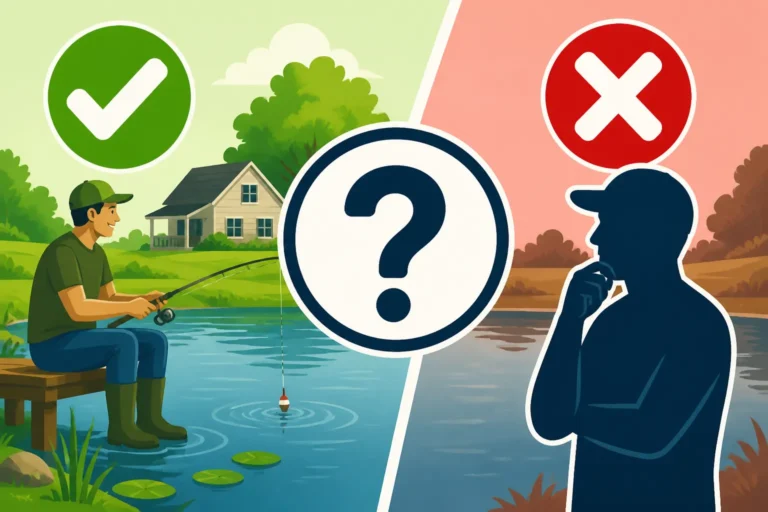
Let's cut right to the chase, because this is the question most people are asking. For the vast majority of private ponds in Ohio, you typically do not need a state fishing license. This exemption is a huge relief for many anglers who just want to enjoy a peaceful afternoon casting a line without the extra paperwork or expense. However, this isn't a blanket rule that covers every body of water that looks like a pond. There are very specific criteria that define what qualifies for this exemption, and understanding them is key.
What Defines a "Private Pond" in Ohio's Eyes?
When the Ohio Department of Natural Resources (ODNR) refers to a "private pond" in the context of fishing license exemptions, they're talking about a body of water that is entirely contained within the boundaries of privately owned land, and critically, has no direct connection to public waters. This means it can't have a stream flowing directly into it from a public creek or river, nor can it have an outlet that feeds directly into public waterways. Think of it as a completely self-contained ecosystem on someone's property.
This distinction is incredibly important. If a pond is fed by a natural spring that only exists on private land, or if it's filled purely by rainwater runoff from that property, it generally qualifies. If it was dug out on private land and remains isolated from larger water systems, it’s typically considered private. The moment that water connects to something larger, something that other people could access, the rules start to change significantly. For example, a small lake that straddles two private properties, but has a stream connecting it to a public river, would not be considered entirely private for the purposes of a fishing license exemption. It's not just about who owns the land, but about the hydrological connection of the water itself.
The Absolute Necessity of Landowner Permission
Even if a pond perfectly fits the definition of a "private pond" with no public water connections, there's still one non-negotiable requirement: you must have permission from the landowner to fish it. This might seem obvious, but it's often overlooked. Just because it's a private pond and you don't need a state license doesn't mean you have carte blanche to trespass. Fishing on private property without explicit permission is still trespassing, and that comes with its own set of legal consequences, far beyond what an ODNR wildlife officer might hand out for a license violation.
A simple verbal agreement from the property owner is usually sufficient, but for your peace of mind and theirs, it’s always a good idea to confirm. Maybe send a text, or even ask for a simple written note if you're not a close friend or family member. It ensures everyone is clear on the terms. Remember, that landowner is trusting you with their property and their fish, and respecting that trust is paramount. They might also have their own specific rules about what bait you can use, catch limits, or whether they prefer catch-and-release, so always ask! Having a basic rod and reel combo, perhaps a simple spincast setup you can grab from Amazon, is perfect for these relaxed settings.
Navigating the Grey Areas: When a License Might Still Be Required
While the "no license for private pond" rule is wonderful, Ohio's waterways can be complex. There are several situations where what seems like a private pond might actually fall under state regulations, meaning you would need a valid Ohio fishing license. It's these nuanced scenarios that often trip up even experienced anglers, leading to frustration and potential fines.
Ponds with Connections to Public Waters
This is the biggest and most common "gotcha" for private pond fishing. If a pond, even one entirely on private land, has any inflow or outflow that directly connects to public waters – be it a stream, river, public lake, or even a ditch that eventually leads to one – then it's no longer considered fully "private" in the eyes of the law. The logic here is that fish can move freely between public and private waters. If a trophy walleye from Lake Erie decides to swim up a tributary and then into your friend's seemingly secluded pond, it's still considered a public resource, and fishing for it requires a license.
Wildlife officers are trained to identify these connections. They're not just looking for obvious rivers; even a seasonal ditch or a culvert under a road could be enough to establish a connection. If you're unsure about a pond's connection, it’s always safer to assume it might be connected and secure a license. Better safe than sorry when a simple day of fishing could turn into a costly citation. This also means that state-mandated bag and size limits, like those you'd find for Ohio Statewide Bag and Size Limits, would apply even in these "connected" private ponds.
Commercial Fishing Operations and Fee-Based Ponds
Another significant exception applies to ponds that operate as commercial fishing enterprises. If you're paying a fee to fish, whether it's an hourly rate, a daily pass, or per-pound for what you catch, these operations typically fall under different regulations. These places are often stocked with fish specifically for anglers, and while they are on private land, they are considered commercial entities.
For many of these "pay-to-fish" operations, you will still need a valid Ohio fishing license. The operators themselves might also have specific permits to run their business, but your individual responsibility as an angler for a license remains. Always clarify with the operator of a fee-based pond if a state fishing license is required before you cast your first line. Some might offer a temporary license or be explicitly exempted, but it's rare. Don't just assume because you're paying a fee that the license requirement is waived.
When in Doubt, Get a License
Given the complexities, the simplest advice for anyone unsure about the status of a "private pond" is this: just get an Ohio fishing license. It’s an inexpensive investment compared to the potential fines and hassle of a violation. Plus, having a license means you're good to go if you decide to try out a local reservoir or a state park lake later on.
It’s about being a responsible angler. You can easily purchase one online through the ODNR website, at many sporting goods stores, or even local bait shops. If you need more information on how to get one, check out our guide on Where and How to Buy an Ohio Fishing License.
Ohio's General Fishing License Landscape
For context, and for those times when you do venture beyond the truly private pond, it’s important to understand Ohio’s general fishing license requirements. These rules apply to all public waters, from the mighty Lake Erie to small municipal parks. Knowing the basics helps you appreciate why certain exemptions exist for private ponds and ensures you're prepared for any fishing adventure in the state.
Who Needs a License for Public Waters?
In Ohio, nearly everyone aged 16 and older needs a fishing license to fish in public waters. This applies to both residents and nonresidents. The only exceptions for adults typically involve Ohio's free fishing days or specific disabled veteran or military exemptions. For kids, the rules are generally more lenient. Children under the age of 16 are usually not required to have a license to fish in Ohio’s public waters. However, it's always a good idea to confirm current regulations, as age limits and exemptions can sometimes change. If you're wondering, Do Kids Need a Fishing License in Ohio?, we have a dedicated guide to clarify those rules.
For anyone planning to fish Ohio’s public lakes, rivers, or Lake Erie, securing a license is your first step. It supports vital conservation efforts, fish stocking programs, and habitat management across the state.
Exploring the Different Types of Ohio Fishing Licenses
Ohio offers a variety of fishing licenses designed to suit different needs and durations. The most common is the annual license, which is valid for one year from the date of purchase (not necessarily a calendar year). For Ohio residents, options like the Ohio Resident Fishing License Cost are quite reasonable. Non-residents also have options, including shorter-term licenses like the Ohio one-day or three-day licenses, which are perfect for visitors. There are also multi-year options, such as three-year or five-year licenses, and even lifetime licenses, which can be a great investment for passionate anglers.
Choosing the right license depends on how often you plan to fish and for how long. If you're an avid angler, a multi-year or lifetime option can save you money and the hassle of annual renewals. You can explore all the possibilities in our comprehensive Ohio Fishing License Types and Options guide. Remember, these licenses cover your basic right to fish; specific areas, like certain metro parks or managed wildlife areas, might have additional permit requirements, so always check local signage or regulations before fishing.
A Quick Look at License Fees and Availability
The cost of an Ohio fishing license is relatively low, especially considering the access it grants to incredible fishing opportunities. For instance, a resident annual license is very affordable. Non-resident options are a bit higher, but again, offer flexibility for shorter trips. These fees directly fund the state’s efforts to maintain healthy fish populations and provide public access to fishing spots. For a full breakdown, check out our Ohio Fishing License Guide for Residents and Nonresidents.
Licenses are readily available. You can purchase them online through the ODNR website, which is incredibly convenient and allows you to print a temporary license immediately or display it on your smartphone. Many authorized vendors, including bait shops, sporting goods stores like those found in larger retail chains, and even some county auditors' offices, also sell licenses in person. While browsing for a new fishing hat or a tackle box, you might even find handy gear on Amazon that complements your licensed fishing trips.
The Consequences of Ignoring the Rules
Nobody wants a peaceful day of fishing to end with a legal problem. Understanding the potential repercussions of fishing without a required license (or without landowner permission) is a strong motivator for doing your due diligence. It's not just about the money; it's about respecting the system that keeps our fisheries healthy.
Fines and Penalties for Violations
Fishing without a valid license when one is required is a misdemeanor offense in Ohio. The penalties can vary depending on the specific circumstances and whether it's a first offense, but typically, you can expect a fine. These fines aren't trivial either; they can quickly add up to significantly more than the cost of an annual license. For more details on what these penalties look like, you can refer to our article on Ohio Wildlife Officer Violation Fines in Ohio.
Beyond the monetary fine, you might also face court costs and potentially have your fishing equipment confiscated. A wildlife officer also has the discretion to issue a warning, but that's not something to count on. Repeated offenses can lead to much harsher penalties, including potential loss of future fishing privileges. It's a serious matter, and wildlife officers take their job of enforcing these regulations very seriously, as it's crucial for managing fish populations and ensuring fair access for all licensed anglers.
The Importance of Conservation
The underlying reason for fishing licenses and regulations isn't just to generate revenue; it's fundamentally about conservation. The funds collected from license sales are specifically earmarked for fish and wildlife management programs. This includes everything from stocking lakes with trout and walleye to conducting scientific research on fish populations, improving aquatic habitats, and enforcing regulations to prevent overfishing.
By purchasing a license, you're directly contributing to the health and sustainability of Ohio's diverse fisheries. It ensures that future generations can enjoy the same incredible fishing opportunities we have today. So, even if you’re fishing a completely private pond without a license, remember that the wider ecosystem relies on the contributions of licensed anglers. It’s a shared responsibility to protect our natural resources. A well-stocked tackle box, perhaps with some fresh lures and lines purchased from Amazon, is a small part of a larger picture of responsible angling.
Summary of Ohio Private Pond Fishing Scenarios
To help visualize the common scenarios and their license requirements, here's a quick reference table.
| Scenario | Description | Ohio Fishing License Required? | Landowner Permission Required? |
|---|---|---|---|
| Truly Private Pond | Entirely on private land, no connection to public waters. | No | Yes, always! |
| Connected Private Pond | On private land, but has an inflow/outflow to public waters (e.g., creek). | Yes | Yes, always! |
| Commercial Pay-to-Fish Pond | Fee-based fishing operation on private land. | Usually Yes (confirm with operator) | N/A (implied by fee) |
| Public Lake/River Access | Fishing in any clearly public body of water. | Yes | N/A (public access) |
| Ohio State Park Lake | Fishing within an Ohio State Park, which are public waters. | Yes | N/A (public access) |
Ensuring a Smooth Fishing Experience
Ultimately, the goal is to enjoy your time on the water, whether it's a secluded private pond or a bustling public lake. A little preparation and understanding of the rules go a long way in preventing unpleasant surprises. Always clarify the status of the water body you're fishing. When in doubt, err on the side of caution and get that license. It's a small price to pay for peace of mind and knowing you're supporting the health of Ohio's aquatic ecosystems.
Remember, if you're venturing out to public waters, you'll need to be fully aware of the broader regulations, including Ohio Fishing Season Dates and Effective Periods for certain species. Our Ohio Fishing Regulations Every Angler Should Know article is a great resource to keep handy. A successful fishing trip is not just about catching fish; it's about responsible angling and respecting the rules and the environment.
Disclaimer
The information provided in this guide is for general informational purposes only and does not constitute legal advice. Fishing regulations can change, and interpretations may vary. Always consult the most current regulations published by the Ohio Department of Natural Resources (ODNR) or contact them directly for specific questions regarding fishing licenses and private pond rules.