Fishing Ohio’s Farm Ponds and Small Lakes
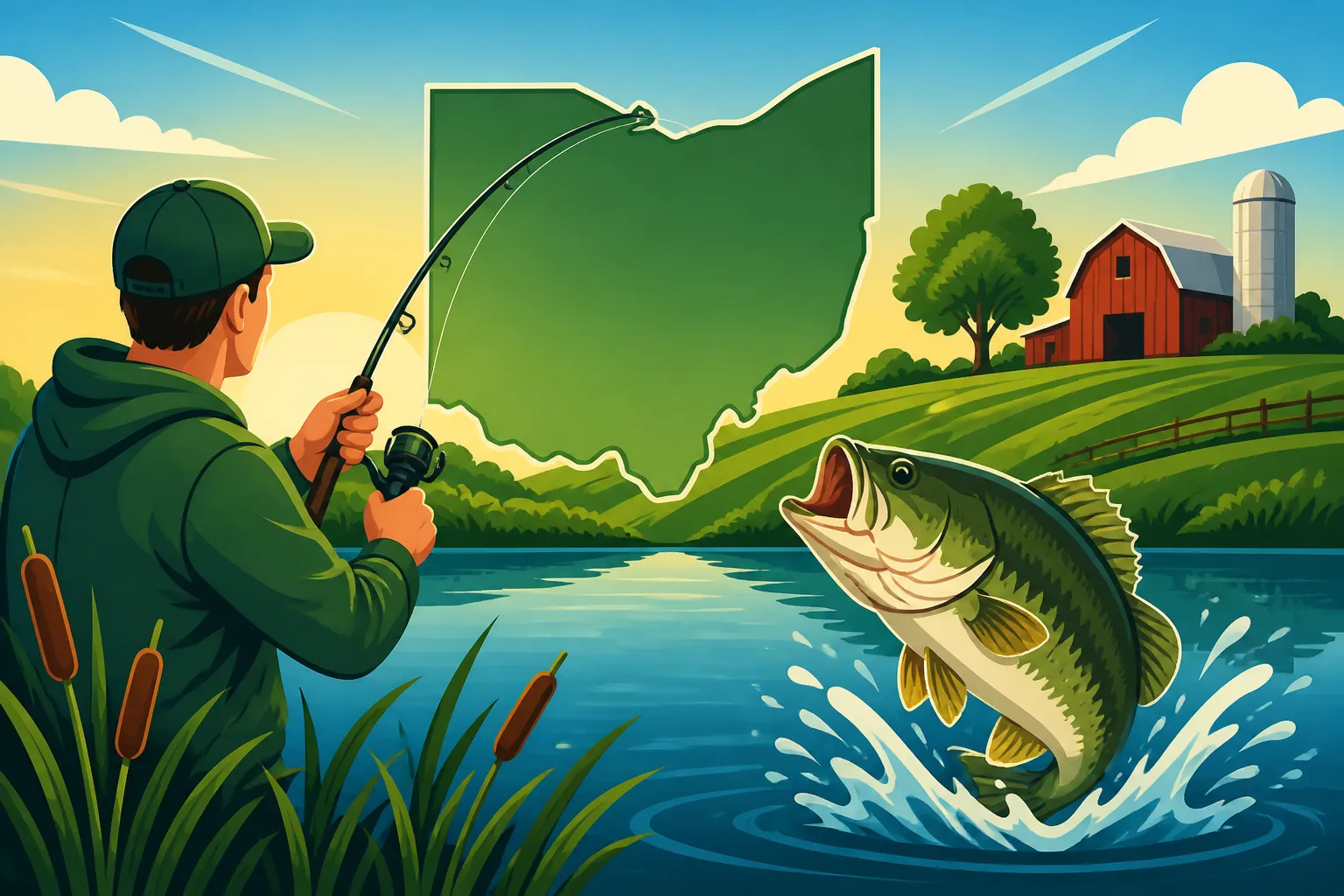
Let's be honest, sometimes the hustle and bustle of big water fishing on Lake Erie or the massive inland reservoirs can feel a little… overwhelming. You're constantly battling boat traffic, searching for those elusive fish in miles of open water, and sometimes, it just feels like more work than relaxation. But what if I told you that some of the most rewarding, peaceful, and downright exciting fishing experiences in Ohio can be found in places often overlooked? This guide is all about uncovering the magic of Ohio's hidden gems: the myriad of farm ponds and smaller lakes that dot our landscape, offering incredible angling opportunities right in your backyard.
Why Farm Ponds and Small Lakes Are Ohio's Hidden Gems
There's a special kind of charm to fishing a quiet pond, a stark contrast to the vast expanses of our larger waterways. These smaller bodies of water offer a unique fishing experience, often more intimate and personal. They can be fantastic places to introduce a new angler to the sport, hone your skills, or simply escape the crowds and reconnect with nature.
The Allure of Seclusion and Simplicity
Imagine a morning where the only sounds are the chirping of birds, the gentle splash of your lure, and perhaps the unmistakable thwack of a bass engulfing your bait. That's the reality of pond fishing. You don't need a massive boat with expensive electronics or a complex trolling spread. Often, all you need is a spinning rod, a small tackle box, and a keen eye for fishy looking cover. This simplicity is incredibly appealing, especially for those looking to de-stress and enjoy a pure fishing experience. You can walk the banks, cast to visible targets, and truly observe the aquatic environment, learning about fish behavior in a way that's harder on sprawling lakes. It’s about being present and enjoying the moment, rather than the frantic pursuit of a limit.
Unexpected Diversity of Fish Species
While you might assume small waters only hold small fish, Ohio's farm ponds and small lakes often surprise anglers with their diverse and robust populations. Many are well-managed, either privately or by the state, leading to healthy ecosystems where a variety of species thrive. You'll commonly find feisty largemouth bass that can grow to impressive sizes, offering thrilling battles on lighter tackle. Panfish like bluegill and crappie are almost always abundant, providing consistent action for anglers of all ages. Don't be surprised to hook into a chunky channel catfish or even a hard-fighting common carp in these waters. Sometimes, you'll even stumble upon ponds stocked with rainbow trout or saugeye, adding an unexpected layer of excitement. The sheer variety means you never quite know what you'll pull out next, keeping every cast interesting.
Finding Your Next Secret Spot
One of the biggest hurdles for many anglers when it comes to pond fishing is simply knowing where to go. Unlike well-known public lakes, these smaller spots can be less publicized, requiring a bit more effort to discover. However, that effort is often rewarded with solitude and untouched fishing opportunities.
Public Access Ponds and Wildlife Areas
Ohio is fortunate to have a fantastic system of public lands, including numerous wildlife areas and state parks that often feature small lakes and ponds. These are your most accessible options, as they are specifically designated for public recreation, including fishing. The Ohio Department of Natural Resources (ODNR) maintains detailed maps and information about these sites online, often including stocking reports and general species information.
For instance, many smaller state parks like Lake Loramie State Park or Cowan Lake State Park offer excellent bank access and boat launches for smaller craft, often teeming with bass and panfish. Beyond the well-known parks, numerous ODNR Division of Wildlife areas have ponds specifically managed for fishing. These often include dedicated fishing piers or accessible shorelines, making them ideal for families or anglers with limited mobility. Checking out the ODNR's "Where to Find the Ohio Fishing Regulations Booklet" or their online resources can point you toward these fantastic public opportunities. Just remember that while public, these spots still require you to adhere to all statewide fishing regulations and often have specific rules for boat usage or access times.
Navigating Private Property and Permission
The real "secret" to unlocking Ohio's pond fishing potential often lies in private lands. Ohio is dotted with countless farm ponds, residential community lakes, and private club waters. Accessing these requires a different approach: gaining permission from the landowner. This might sound intimidating, but a respectful, polite request can often open doors to incredible fishing. Start by identifying ponds in your local area using satellite maps. Then, approach the landowner directly, explaining your interest in fishing their pond. Offer to share your catch, clean up any litter, or even help with pond maintenance in exchange for access.
Always carry your fishing license, even when fishing private ponds, as state laws still apply regarding bag and size limits for certain species, unless the pond is entirely self-contained and stocked solely with privately purchased fish, which is rare. When you do gain permission, be an exemplary guest. Close gates, don't trespass beyond the agreed-upon areas, and leave no trace behind. Building a good relationship with a landowner can grant you access to a pristine fishing spot for years to come. Remember, respecting property and showing gratitude goes a long way. This is particularly important because, while you don't always need a license to fish a private pond in Ohio, it's best to confirm with the landowner and understand the specific circumstances, especially if the pond has any connection to public waterways.
Leveraging Online Resources and Local Knowledge
In today's digital age, finding fishing spots is easier than ever. Online mapping tools, local fishing forums, and social media groups dedicated to Ohio fishing can be invaluable resources. While specific private pond locations are rarely shared openly (and shouldn't be, out of respect for landowners), these platforms can help you identify public access points, read fishing reports from smaller lakes, and connect with local experts who might offer general advice or point you towards underutilized public areas.
Another excellent resource is hiring a local guide. Services like FishingBooker connect you with experienced fishing guides who often specialize in specific regions or types of fishing. Many guides in Ohio know these smaller, less-pressured waters like the back of their hand. They can not only put you on fish but also teach you specific techniques for pond fishing and help you understand the nuances of various locations. For example, if you're looking for an expert on targeting bluegill in Ohio, a guide might know a handful of lesser-known ponds where they consistently find big ones. This can be a fantastic way to quickly gain local knowledge and fast-track your success on these smaller waters, potentially saving you years of trial and error.
Essential Gear and Techniques for Pond Fishing
One of the beauties of pond fishing is that you don't need a boatload of specialized gear. Simplicity is often key, but having the right tools for the job can significantly increase your success and enjoyment.
Lightweight Tackle for Versatility
For most pond fishing scenarios, a medium-light to medium power spinning rod between 6 and 7 feet long is perfect. Pair this with a 2000 or 2500 series spinning reel spooled with 6-10 lb monofilament or fluorocarbon line, or even a braided line with a fluorocarbon leader for added sensitivity and strength. This setup offers incredible versatility, allowing you to cast small lures for panfish, pitch soft plastics for bass, and even handle a surprise catfish.
A baitcasting setup with a medium-heavy rod and 12-17 lb fluorocarbon or braided line is also excellent for targeting larger bass in heavier cover, like lily pads or submerged brush. The choice often comes down to personal preference and the primary species you're targeting. The key is to have tackle that's sensitive enough to detect subtle bites but robust enough to handle the occasional trophy lurking beneath the surface. You'll appreciate the lighter setup when walking the banks and making numerous casts throughout the day.
Mastering Pond-Specific Lures and Baits
Pond fish often see a lot of the same lures, so sometimes a slightly different presentation or choice of bait can make all the difference. For bass, topwater lures like frogs, poppers, and walking baits can be incredibly exciting, especially during low-light conditions or over lily pads. Soft plastic worms, creature baits, and jigs fished slowly along the bottom or around structure are consistent producers. Crankbaits and spinnerbaits can cover water quickly and are great for searching for active fish.
When it comes to panfish, small jigs (1/32 to 1/16 oz) tipped with a piece of worm, a minnow, or a micro-soft plastic are deadly. Live bait, like crickets, mealworms, or redworms under a bobber, is also exceptionally effective for bluegill and crappie. For catfish, stink baits, cut bait, or even chicken livers fished on the bottom with a simple weight and hook rig are hard to beat. Always carry a variety, as what works one day might not work the next. Local conditions, like water clarity and recent fishing pressure, can dramatically influence bait preferences.
Stealth and Presentation Strategies
Because ponds are smaller and shallower than larger lakes, fish can be more easily spooked. Stealth is paramount. Approach the bank quietly, avoid heavy footsteps, and cast from a distance if possible. Wear neutral-colored clothing that blends into the background.
Presentation is equally important. Unlike open water, where covering vast areas is the goal, pond fishing often requires precise casts to specific targets. Look for submerged logs, brush piles, lily pad fields, weed lines, and areas with shade. These are classic fish-holding structures. Cast past your target and retrieve your lure into the strike zone, allowing it to work through the cover naturally. Pay attention to how the fish are biting – a soft tap might mean they're just investigating, while a solid thump signals a committed strike. Vary your retrieve speed and depth until you find what triggers a bite. Small adjustments can yield big results in these confined environments.
Targeting Common Pond Species
Ohio's farm ponds and small lakes are rich with diverse fish populations, making them fantastic places to target multiple species in a single outing. Understanding the habits and preferred habitats of these common species will greatly improve your success.
Battling Largemouth Bass in Tight Quarters
Largemouth bass are the kings of most Ohio ponds. They thrive in vegetated, shallow waters and love ambush points. When targeting them, focus your efforts around structures like fallen trees, lily pads, cattail stands, and any visible cover. In the spring, they'll be shallower, often near spawning beds. As summer progresses, they might retreat to slightly deeper water or find dense shade.
Topwater lures early and late in the day can be incredibly exciting. Think frogs skipped across mats of vegetation or poppers worked along weed lines. During the brighter parts of the day, pitching Texas-rigged worms or creature baits into heavy cover, or slow-rolling a spinnerbait along drop-offs, can be highly effective. Remember that in smaller waters, one good bass can make your day. Make sure to check the specific Ohio Largemouth and Smallmouth Bass Limits for the area you're fishing, as regulations can vary. Don't be afraid to try different angles and retrieve speeds around a piece of cover; sometimes a subtle change is all it takes to trigger a strike from a wary pond bass.
Finding the Panfish Hotspots
Panfish, including bluegill, crappie, and sunfish, are the bread and butter of pond fishing, providing consistent action, especially for younger anglers. They tend to school up, so when you find one, you're likely to find many more. For bluegill, target areas with submerged weeds, docks, and brush piles in relatively shallow water. They are often less spooky than bass. Small worms, crickets, or even tiny pieces of bread under a bobber are irresistible. You can also have a blast catching them on ultralight tackle with micro-jigs.
Crappie, both white and black, prefer slightly deeper water and love to suspend around submerged brush, timber, or bridge pilings. In spring, they move shallow to spawn, making them easier to target near shore. Small minnows fished under a bobber or tiny jigs (1/16 to 1/8 oz) in white, chartreuse, or black are ideal. Knowing where to find the Best Ohio Lakes for Crappie can also give you clues for similar habitats in smaller ponds. Pay attention to changes in depth and keep an eye out for submerged structure that holds these schooling fish. Sometimes, simply moving along the bank and casting to every visible piece of cover will eventually lead you to a school.
Channel Catfish and Other Bottom Dwellers
Don't overlook the whiskered warriors that inhabit many Ohio ponds and small lakes: channel catfish. These powerful fish offer a thrilling fight and are excellent table fare. They are often found patrolling the deeper sections of a pond, especially near submerged logs, drop-offs, or areas with a soft, muddy bottom. They are primarily nocturnal feeders but can be caught throughout the day, particularly during overcast conditions or in dingy water.
For channel catfish, a simple bottom rig with a weight, swivel, and a stout hook is all you need. Popular baits include chicken livers, cut bait (like pieces of hot dog or shad), nightcrawlers, and commercially prepared stink baits. Cast your bait out, let it sink to the bottom, and wait for that telltale thumping bite. You can learn more about specific tactics in an Ohio Channel Catfish Fishing Guide. While less common, some ponds might also hold other bottom dwellers like bullheads or even common carp, which can provide surprisingly powerful fights on light tackle, so always be prepared for anything!
Seasonal Strategies for Year-Round Pond Action
Pond fishing isn't just a fair-weather activity. With the right approach, these smaller waters can provide excellent fishing opportunities throughout all four seasons in Ohio. Understanding how fish behavior changes with water temperature and weather patterns is key to consistent success.
Spring Spawning and Shallow Water Exploits
Spring is a time of renewal and increased activity in Ohio's ponds. As water temperatures rise into the 50s and 60s Fahrenheit, fish become more active and move into shallower water to feed and spawn. This is arguably the best time to target many species from the bank. Largemouth bass will be preparing for or actively on their spawning beds, making them accessible to sight-fishing or targeting with slow-moving baits like jigs and soft plastics.
Panfish, especially crappie and bluegill, also move into the shallows to spawn when water temperatures hit the mid-60s. Look for them around brush piles, docks, and submerged vegetation in just a few feet of water. Small jigs tipped with minnows or worms are highly effective. Early spring, before the full spawn, can also be excellent for aggressive feeding as fish recover from winter and prepare for the energy demands of spawning. Pay attention to water temperatures and sunshine; a few warm, sunny days can quickly activate the bite.
Summer Challenges and Deep Water Tactics
Summer fishing in Ohio ponds can be a bit more challenging, especially during the hottest parts of the day. High water temperatures can make fish lethargic, and heavy recreational pressure might put them on edge. However, early mornings, late evenings, and overcast days can still provide fantastic action. During peak heat, fish will often retreat to deeper, cooler water or seek out dense shade and heavy cover.
For bass, focus on fishing before the sun gets high or after it begins to set, employing topwater lures or buzzbaits for explosive strikes. During the day, pitch jigs or heavy Texas-rigs into the densest cover you can find, or work deep weed lines with crankbaits or Carolina rigs. Panfish might move to deeper brush piles or hover just above the thermocline if one exists. Catfish, being more tolerant of warm water, can remain active throughout the summer, particularly at night. Adjusting your fishing times and targeting deeper areas or heavy cover will be crucial for success during the warmer months.
Fall Feeds and Winter Ice Fishing Opportunities
As autumn colors arrive and water temperatures begin to drop, fish in Ohio's ponds enter a "fall feed" mode, actively gorging themselves in preparation for winter. This can lead to some of the most aggressive bites of the year, particularly for bass and crappie. Fish will often spread out and feed actively throughout the day, moving between shallow and deeper water. Crankbaits, spinnerbaits, and swimbaits are great for covering water and finding these active fish. Jigs and soft plastics will also continue to produce as fish chase baitfish.
Once the ice sets in, many smaller ponds offer excellent ice fishing opportunities, assuming the ice is safe. Ohio Ice Fishing Guide resources emphasize safety first, recommending at least 4 inches of clear, solid ice for safe foot travel. You can target bluegill, crappie, and even some surprisingly large bass through the ice. Small jigs tipped with wax worms, spikes, or tiny minnows are excellent for panfish. For deeper water bass or even walleye (if stocked), vertical jigging spoons or larger soft plastics can entice bites. Don't forget a portable shelter and an ice auger to stay warm and comfortable during your winter adventures.
Conservation and Etiquette for Sustainable Pond Fishing
Fishing in farm ponds and small lakes offers a unique opportunity for solitude and connection with nature. To ensure these special places remain productive and enjoyable for everyone, it's crucial to practice responsible angling and show respect for the environment and property owners.
Catch and Release Best Practices
While many species in ponds are excellent table fare, practicing catch and release, especially for larger breeding fish, helps maintain healthy populations. For any fish you intend to release, handle it gently and minimize its time out of the water. Wet your hands before touching the fish to protect its protective slime coat. Use de-barbed hooks or consider crushing the barbs on your hooks to make removal easier and reduce damage.
If a fish is deeply hooked, cut the line as close to the hook as possible rather than trying to rip the hook out, which can cause internal damage. Larger fish, like trophy bass or muskie (if present), benefit greatly from immediate release to ensure they can continue to reproduce and grow. Always be mindful of the Ohio Statewide Bag and Size Limits, especially for popular species like bass and crappie, and only keep what you plan to eat. Your actions today directly impact the quality of fishing for tomorrow.
Respecting the Land and Its Owners
If you're fishing on private property, your behavior is a direct reflection on all anglers. Always honor the terms of your access agreement with the landowner. This means staying within designated fishing areas, driving only on established paths, and never leaving trash behind. Carry out everything you carry in, including old fishing line, bait containers, and any other litter.
Closing gates, avoiding damage to crops or fences, and being quiet and considerate are not just good manners, they're essential for maintaining access to these valuable resources. A simple "thank you" to the landowner can go a long way. Remember, if you abuse the privilege of private access, it can be lost for everyone. Even when fishing public ponds in Ohio State Park Fishing Rules, it's vital to leave the area cleaner than you found it. Showing consistent respect is how positive relationships are built and sustained over time.
Maintaining Healthy Pond Ecosystems
Responsible angling goes beyond just how you handle fish. It also involves understanding and protecting the delicate ecosystem of a pond. Never introduce non-native species or baitfish from other bodies of water into a pond, as this can introduce diseases or invasive species that devastate existing fish populations. Dispose of unused bait properly – don't dump live bait into the water.
If you notice any signs of distress in a pond, such as unusual fish deaths, excessive algae blooms, or strange water colors, consider reporting it to the landowner or local ODNR office. These small bodies of water are sensitive to environmental changes, and being observant can help address issues before they become major problems. By being good stewards of these precious natural resources, we ensure that Ohio's farm ponds and small lakes continue to be vibrant, productive fisheries for generations of anglers to enjoy.
Disclaimer
Please note that fishing regulations in Ohio can change. Always consult the latest Ohio Department of Natural Resources (ODNR) fishing regulations booklet or website before heading out. This guide provides general information and should not be considered a substitute for official regulations.