How Deep Lake Erie Is Where Anglers Fish for Walleye
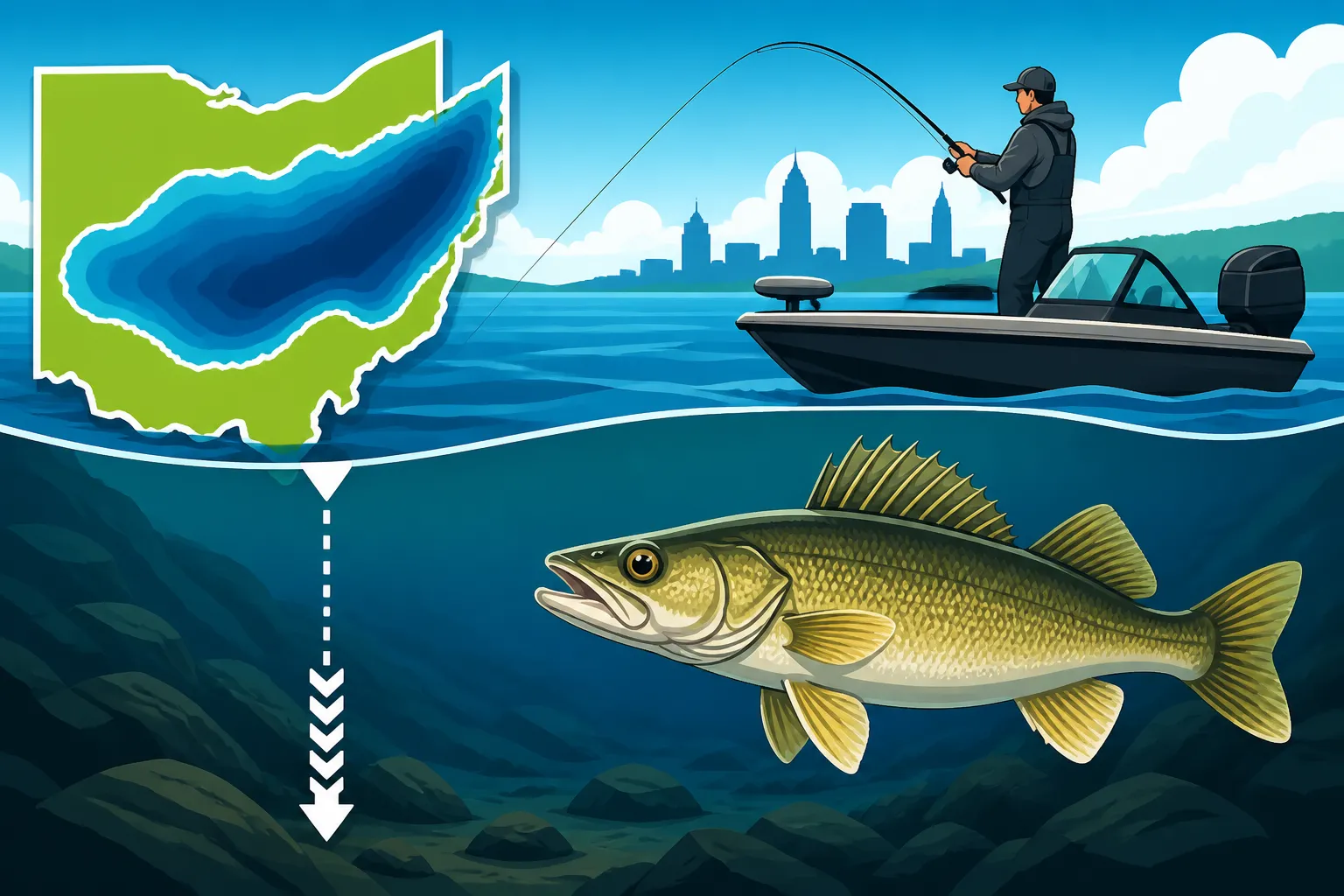
There's a common misconception that Lake Erie, being the shallowest of the Great Lakes, means walleye are always just a stone's throw from the surface. While parts of it are incredibly shallow, especially in the western basin, the depths where anglers successfully target walleye can vary dramatically, sometimes even reaching down to over 70 feet. This guide will take a deep dive into the different depths you can expect to find walleye throughout Lake Erie's diverse regions and seasons, helping you understand where to focus your efforts for that prized catch.
Understanding Lake Erie's Unique Depths for Walleye
Lake Erie is often characterized as shallow, and in comparison to its Great Lakes siblings like Superior or Huron, that's absolutely true. However, "shallow" is a relative term, and within its vast expanse, there are distinct basins, each with its own depth profile that profoundly influences walleye behavior and, consequently, where anglers should concentrate their efforts.
The Three Basins and Their Average Depths
Lake Erie isn't just one big bowl; it's geographically divided into three main basins, each with unique characteristics that dictate its depths and, therefore, where the walleye will be holding.
- The Western Basin: This is the shallowest and warmest part of Lake Erie, stretching from Toledo to just east of Sandusky. Its average depth hovers around 24 feet, but vast areas are much shallower, sometimes only 15-20 feet deep. This basin is a walleye factory, famous for its incredible early-season action and the massive walleye spawning runs. Because of its shallow nature, water temperatures here fluctuate more rapidly, and walleye tend to be more spread out, often relating to structure like reefs, islands, and shoals. Anglers on a Lake Erie Walleye Charter Guide will spend a lot of time in this area during prime season.
- The Central Basin: Moving eastward from Sandusky to about Erie, Pennsylvania, you enter the central basin. This section deepens considerably, with an average depth of around 60 feet. While still not "deep" by oceanic standards, this is where you start encountering a distinct thermocline in the summer months, a thermal stratification of the water column. Walleye in the central basin are often found suspended in or just above this thermocline, seeking optimal temperature and oxygen levels. The Western Basin vs Central Basin Lake Erie Fishing experience can be quite different due to these depth variations.
- The Eastern Basin: This is the deepest part of Lake Erie, extending from Erie, Pennsylvania, to Buffalo, New York. Here, depths can plunge to over 200 feet, with average depths still around 80 feet. While Ohio anglers might not frequent this far eastern section as much, it's important to understand the full scope of Lake Erie's depths. Walleye here will also follow thermoclines and baitfish, often requiring specialized deep-water trolling techniques.
Why Depth Matters for Walleye
Walleye are masters of their environment, and depth is a critical factor in their daily lives. It dictates everything from their comfort level to their feeding habits and even their survival.
- Temperature Regulation: Walleye are cool-water fish, preferring temperatures generally between 60-70°F (15-21°C). In the warmer summer months, especially in the central and eastern basins, they'll seek out deeper, cooler water. Conversely, in spring and fall, they might be found much shallower as the entire water column is within their preferred temperature range.
- Oxygen Levels (Hypoxia): This is a huge factor, particularly in the central basin during summer. As the water stratifies, the bottom layer can become deoxygenated (hypoxic), creating a "dead zone" where fish cannot survive. When this occurs, walleye are forced to move up into the cooler, oxygenated water, often suspending just above the thermocline. This is why understanding How to Read a Fish Finder for Suspended Walleye is so crucial.
- Light Sensitivity: Walleye have large, light-sensitive eyes, which is why they're often more active in low-light conditions like dawn, dusk, cloudy days, or at night. During bright sunny days, they'll retreat to deeper water or areas with more cover to avoid intense light.
- Forage Availability: Walleye are predatory fish, and they follow their food. Baitfish like emerald shiners and gizzard shad also have preferred depths and temperatures. If the baitfish are schooling in 30 feet of water, that's likely where the walleye will be too, regardless of the basin.
Targeting Walleye: Depths Through the Seasons
The time of year dramatically shifts where walleye will hold in Lake Erie's vast waters. A successful angler understands these seasonal movements and adjusts their tactics accordingly.
Spring Spawning and Shallow Water Exploitation
As the ice retreats and water temperatures begin to climb into the 40s and 50s Fahrenheit, walleye in Lake Erie, especially in the Western Basin, kick into high gear for their spawning ritual. This is an incredible time for anglers.
- Pre-Spawn Staging: In late March and April, before the actual spawn, walleye will stage in slightly deeper water adjacent to their spawning grounds. These deeper channels and rocky areas in 20-30 feet of water can be excellent spots. They're feeding aggressively, trying to bulk up for the energy-intensive spawn.
- Spawning Runs: When water temperatures hit the mid-40s to low 50s (around 42-50°F), walleye move onto shallow, rocky reefs, shoals, and even into tributary rivers like the Maumee River. Here, they'll be in incredibly shallow water, often less than 10 feet deep, sometimes even 2-5 feet. This is when Best Time of Year to Fish Lake Erie for Walleye reaches its peak for sheer numbers. After spawning, they'll begin to disperse but often remain in the shallower Western Basin for a bit, feeding voraciously to recover.
Summer Thermoclines and Deep-Water Strategies
Once summer truly sets in and surface temperatures rise into the 70s and 80s, the game changes, especially in the Central and Eastern Basins. The distinct thermocline forms, and walleye will often seek refuge in its cooler embrace.
- Following the Thermocline: In the Central Basin, where average depths are around 60 feet, the thermocline typically sets up somewhere between 30 and 50 feet deep, depending on weather and wind conditions. Walleye will position themselves in, just above, or sometimes just below this thermal layer, seeking optimal temperature and oxygen.
- Mid-Depth Suspended Fish: While the bottom in the central basin might be 60 feet deep, you might find walleye suspended at 35-45 feet. This makes Trolling for Lake Erie Walleye a highly effective method, as you can present baits at precise depths. Anglers often use planer boards to spread out their lines and cover a wide swath of this mid-depth water.
- Western Basin Summer Patterns: Even in the shallower Western Basin, walleye will seek out the deepest available water during the peak of summer heat, congregating around deeper reefs, channel edges, or even heading out into the deeper areas of the basin. Here, you might still find them in 25-35 feet, but they'll be more focused on specific structures rather than a widespread thermocline.
Fall Turnover and Transitional Depths
As the days shorten and water temperatures begin to drop in late summer and early fall, Lake Erie undergoes a phenomenon called "turnover." This is when the warmer surface water cools and sinks, mixing with the deeper, cooler water, essentially homogenizing the water column.
- Post-Turnover Dispersion: Once turnover occurs, the thermocline breaks down, and walleye are no longer restricted to a specific thermal band. This can scatter them, making them a bit harder to locate initially. They might be found at a wider range of depths, from 15 to 40 feet, depending on baitfish movements and structure.
- Aggressive Feeding: Fall is another prime feeding season as walleye fatten up for winter. They will actively chase baitfish throughout the water column. You might find them shallower on overcast days or deeper during bright, sunny periods. This can be a fantastic time for both Jigging Techniques for Lake Erie Walleye and trolling, as fish can be anywhere.
- Late Fall Deepening: As winter approaches, the entire lake cools, and walleye will once again often seek out the deepest available water in their respective basins to find stable temperatures, though they'll still be looking for forage.
Navigating the Depths: Tools and Techniques
Knowing where the walleye are supposed to be is only half the battle. You also need the right tools and techniques to find them, track them, and present your baits effectively at those specific depths.
Essential Electronics for Depth Finding
Modern marine electronics are an angler's best friend on Lake Erie, especially when trying to pinpoint walleye at varying depths.
- Fish Finders/Sonar: A quality fish finder is non-negotiable. It allows you to see the bottom contour, identify schools of baitfish, and most importantly, mark individual walleye or schools of walleye at specific depths. Understanding how to interpret your sonar screen – distinguishing between bait, structure, and target fish – is a skill that comes with practice. Brands like Garmin, Humminbird, and Lowrance offer excellent units for serious walleye anglers.
- GPS/Chartplotter: While not directly for finding fish depth, a GPS is crucial for marking productive spots once you find them. If you locate a concentration of walleye at 40 feet over a specific piece of structure, you can mark that waypoint and return to it later. It's also invaluable for navigating the vastness of Lake Erie, especially when looking for specific depth contours or reefs mentioned in fishing reports.
- Temperature Gauges: Some fish finders include water temperature readings, which are vital for tracking the thermocline and finding those preferred walleye temperature zones. Handheld thermometers can also be useful for surface readings.
Adjusting Your Presentation to Target Depths
Once you've identified the target depth, your next challenge is to get your bait there and keep it there. This requires different techniques depending on the depth and conditions.
- Trolling with Crankbaits and Crawler Harnesses: This is perhaps the most popular method for covering vast areas of Lake Erie, especially in the Central Basin.
- Crankbaits: Deep-diving crankbaits are designed to reach specific depths based on their lip size and retrieve speed. Anglers use diving charts and trial-and-error to get their lures to the desired depth. Brands like Bagley, Rapala, and Berkley offer a wide range of crankbaits.
- Crawler Harnesses: These are often fished behind inline weights, snap weights, or bottom bouncers to get them down to the target depth. The weight amount dictates how deep they run. When walleye are holding just above the bottom in 30-50 feet, bottom bouncing can be incredibly effective.
- Downriggers and Dipsy Divers: For deeper presentations, especially when walleye are suspended at 50+ feet, downriggers provide precise depth control, allowing you to run lures at exact depths. Dipsy divers also help get lures down and out to the side, spreading your presentation.
- Jigging: In situations where walleye are concentrated in smaller areas, often around structure like reefs or humps, jigging can be deadly.
- Vertical Jigging: This technique is ideal for precise depth targeting. If your sonar shows fish at 28 feet, you can drop your jig to that exact depth and work it. Jigging spoons, blade baits, and soft plastics on lead-head jigs are common choices. This is especially effective in the Western Basin during spring and fall.
- Drifting and Casting: While not strictly "depth targeting" in the same way as vertical jigging, drifting over known contours or casting into specific depth breaks allows you to present baits in productive zones. Anglers often employ a "controlled drift" using drift socks to slow their boat and keep them over fish.
- Bottom Bouncing: Primarily used with crawler harnesses or other live bait rigs, bottom bouncers are designed to keep your bait just off the bottom while preventing snags. This is excellent when walleye are feeding right on the lakebed in 20-50 feet of water.
A key to success is constantly monitoring your fish finder and adjusting your tactics. If you're marking fish at 35 feet and your lures are running at 25, you need to make a change!
Factors Influencing Walleye Depth Beyond Season
While the season plays a massive role in walleye depth, several other dynamic factors can cause these fish to move up or down in the water column on a given day, regardless of the calendar.
Weather, Wind, and Water Clarity
Lake Erie's moods can change on a dime, and these changes significantly impact where walleye choose to hold.
- Cloud Cover and Light Intensity: As mentioned, walleye are light-sensitive. On bright, sunny days with clear skies, they'll often retreat to deeper water or shaded areas to escape the harsh light. Conversely, on overcast days, during rain, or at dawn/dusk, they might move much shallower, even into just 10-15 feet of water, to feed more aggressively. Keep an eye on the forecast, as Best Weather Conditions for Lake Erie Walleye Fishing can dictate your approach.
- Wind Direction and Speed: Wind creates current, stirs up the bottom, and can concentrate baitfish. A strong wind from the west can push warmer surface water eastward, affecting the thermocline. Wind-generated waves can also provide a "turbulent" cover that makes walleye feel more secure in shallower water. However, too much wind can make fishing impossible and dangerous.
- Water Clarity: Turbid or muddy water reduces light penetration, which can bring walleye shallower, even during bright daylight hours, as they're naturally seeking better visibility for feeding. Clear water, on the other hand, often pushes them deeper to avoid predators and bright light.
Baitfish Movement
At the end of the day, walleye are predators, and they go where the food is. Tracking baitfish is often the most reliable way to find walleye.
- Following the Schools: Lake Erie is teeming with various forage fish, including emerald shiners, gizzard shad, smelt, and even juvenile yellow perch. These baitfish schools also have preferred depths and temperatures. If you mark large schools of bait on your fish finder at 30 feet, there's a very high probability that walleye will be nearby, either in or just below those schools.
- Seasonal Migrations: Baitfish also have their own seasonal movements. For example, emerald shiners often move into shallower areas in spring and fall. Understanding these patterns, often found in local fishing reports or by talking to experienced local guides (perhaps found on a platform like FishingBooker), can give you a significant advantage.
- Wind-Driven Baitfish: Strong winds can push schools of baitfish into specific areas or against structures. Where the baitfish go, the walleye will follow, making these wind-blown areas prime targets.
Understanding these dynamic factors will allow you to make real-time adjustments on the water, turning a slow day into a successful one. Flexibility and observation are key to consistent walleye success on Lake Erie.
Lake Erie Walleye Depth Summary
To help you quickly reference the typical walleye depths across Lake Erie's different basins and seasons, here's a handy table. Remember, these are general guidelines, and local conditions, baitfish movements, and weather can always cause variations!
| Basin | Season | Typical Walleye Depth Range | Key Factors | Common Techniques |
|---|---|---|---|---|
| Western (Toledo to Sandusky) | Spring | 5-25 feet | Spawning runs, rising water temps, baitfish | Jigging, casting, trolling |
| Western (Toledo to Sandusky) | Summer | 15-35 feet | Warmer temps, seeking structure/cooler spots, forage | Trolling, bottom bouncing |
| Western (Toledo to Sandusky) | Fall | 10-30 feet | Post-turnover feeding, stable temps, forage | Trolling, jigging, casting |
| Central (Sandusky to Erie, PA) | Spring | 20-40 feet | Pre/post-spawn staging, early season trolling | Trolling |
| Central (Sandusky to Erie, PA) | Summer | 30-55 feet (suspended) | Thermocline, oxygen levels, baitfish schools | Trolling (crankbaits, harnesses) |
| Central (Sandusky to Erie, PA) | Fall | 25-50 feet | Turnover, aggressive feeding, baitfish | Trolling, jigging |
| Eastern (Erie, PA to Buffalo, NY) | All Seasons | 40-70+ feet (deeper) | Deep thermocline, cold water species, baitfish | Deep trolling (downriggers) |
Knowing these general ranges will give you a fantastic starting point for your next trip, whether you're heading out from Port Clinton or looking for deep water action further east. If you're ever in doubt about local conditions, consider booking an experienced guide through a platform like FishingBooker, who can provide real-time insights into walleye locations.
Conclusion
The question of "how deep Lake Erie is where anglers fish for walleye" doesn't have a single, simple answer because Lake Erie is a dynamic ecosystem with three distinct basins and ever-changing seasonal and environmental factors. From the shallow, fertile spawning grounds of the Western Basin in spring to the deep, thermocline-hugging haunts of the Central Basin in summer, walleye are constantly on the move. By understanding these depth variations, the reasons behind them, and equipping yourself with the right electronics and techniques, you'll be much better prepared to locate and catch Ohio's most celebrated sport fish. Embrace the variability, stay adaptable, and enjoy the thrill of the chase on the "Walleye Capital of the World."
Disclaimer
Fishing regulations and conditions in Ohio, particularly on Lake Erie, can change frequently. Always consult the latest Ohio Department of Natural Resources (ODNR) fishing regulations booklet or their official website before heading out. This guide is for informational purposes only and should not replace official sources or professional advice. Be mindful of weather conditions and always prioritize safety on the water.