Buckeye Lake Fishing Access and Boat Ramps
Trying to figure out where you can actually get on the water to fish at Buckeye Lake can feel like a puzzle, especially with its unique layout and bustling shoreline. It's a fantastic spot with a lot of history and great fishing, but knowing the best places to launch your boat or cast a line from shore makes all the difference in having a successful and enjoyable day. This guide is here to untangle the complexities of Buckeye Lake, outlining all the key access points and boat ramps so you can spend less time searching and more time fishing.
Navigating Buckeye Lake: Understanding Its Unique Layout for Anglers
Buckeye Lake isn't just another Ohio lake; it's a historical gem with a rich past, originally built as a canal feeder lake. This history, combined with significant development over the years, gives it a very distinct character that directly impacts how anglers approach it. Unlike many deep, natural glacial lakes, Buckeye Lake is relatively shallow and has a somewhat irregular shape, stretching out in an east-west orientation with numerous coves and bays. This layout, while offering diverse fishing opportunities, also presents particular challenges for access and navigation.
The Challenges of a Shallow, Developed Lake
One of the first things you'll notice about Buckeye Lake is its depth – or lack thereof. Much of the lake hovers around 5-10 feet, with some deeper channels and dredged areas. While this can be fantastic for certain species that prefer shallower, warmer waters, it also means that larger boats might encounter issues in some areas, especially during periods of lower water levels. Navigation requires a keen eye for submerged stumps, shallow flats, and sandbars that aren't always immediately obvious. It's not uncommon for anglers new to the lake to get a prop ding if they're not careful, which can quickly ruin a fishing trip.
Beyond the depth, the shoreline development is another significant factor. Buckeye Lake is ringed by homes, docks, and businesses, especially along its northern and southern shores. This means that a large portion of the shoreline is privately owned, limiting spontaneous bank access. You can't just pull over anywhere and expect to set up shop. This extensive private development makes understanding the public access points crucial for any angler hoping to fish this historic body of water. Without prior knowledge, you might find yourself driving around, frustrated, looking for a spot that simply isn't there for public use.
Different Zones and Their Impact on Fishing
Buckeye Lake can generally be thought of in terms of its eastern, central, and western basins, each offering slightly different characteristics. The eastern basin, near the Fairfield Beach area, often has more open water and can be a good spot for trolling or drifting for species like saugeye or crappie. The central basin, around the community of Buckeye Lake Village, is perhaps the most developed, with many private docks and boat traffic, which means finding quiet fishing spots requires a bit more effort.
The western basin, towards Liebs Island and the areas fed by channels like the North Fork and South Fork of the Licking River, tends to be shallower and more marshy in some sections, providing excellent habitat for largemouth bass and panfish. These different zones aren't just geographical distinctions; they directly influence the types of fish you'll find, the techniques that are most effective, and, critically, where you can actually get your boat in or cast your line. Understanding these nuances before you even leave home will vastly improve your chances of success and enjoyment on the water.
Public Fishing Access Points on Buckeye Lake
Even with all the private development, Buckeye Lake still offers several excellent public access points for anglers. These spots are vital for those who prefer to fish from shore, or for kayakers and canoeists looking for easy entry without needing a full boat ramp. Knowing these locations can save you a lot of time and frustration, directing you straight to viable fishing opportunities.
Shoreline Access for Bank Anglers
For those who love the simplicity of bank fishing, or who don't have a boat, Buckeye Lake provides a few dedicated public areas. One of the most popular and reliable spots is the Liebs Island Public Access Area on the lake's western end. This area, managed by the Ohio Department of Natural Resources (ODNR), offers ample parking and plenty of shoreline for anglers to spread out. You can walk the banks, cast into channels, and often find good numbers of panfish, especially crappie and bluegill, particularly in the spring and fall. The diverse habitat here, with submerged vegetation and deeper cuts, makes it a productive spot.
Another option for shoreline access, though sometimes more limited depending on water levels, can be found around the causeways and bridges that cross parts of the lake. Areas near the State Route 79 causeway, for instance, sometimes offer small pull-offs or shoulder space where you can safely cast. However, always be mindful of private property signs and traffic. It's always best to stick to clearly marked public access zones to avoid any issues. For bank anglers, having a sturdy tackle box, a few different bait options like worms or small jigs, and a comfortable chair can turn a simple outing into a relaxing and rewarding day on the water.
Public Docks and Piers for Easy Reach
If you're looking for an accessible spot to drop a line without necessarily covering a lot of ground, Buckeye Lake has a few public docks and piers that are perfect. These are often great for families or those with limited mobility, providing direct access to deeper water without the need for a boat. The North Shore Ramp & Fishing Pier in Buckeye Lake Village is a prime example. This facility offers not just a boat ramp but also a designated fishing pier where you can cast for various species. Piers often congregate fish, as they provide structure and shade, attracting baitfish and, consequently, predatory species.
Another excellent spot is the Fairfield Beach Public Fishing Pier on the eastern side of the lake. This pier extends out into the water, giving anglers a chance to reach beyond the immediate shoreline. These spots are often well-maintained and provide a safe platform for fishing. You might find a mix of crappie, bluegill, channel catfish, and even the occasional saugeye lurking around the pier pilings. For those targeting crappie, a simple jig and minnow setup fished under a bobber is often incredibly effective here. These public docks are a fantastic resource for enjoying the lake's fishing without needing a full boat setup.
State Park Access and Facilities
Buckeye Lake State Park is a significant player in providing public access to the lake. The park is spread out in several non-contiguous areas around the lake, offering a variety of amenities including fishing access. The park provides excellent opportunities for both bank fishing and launching smaller watercraft like kayaks and canoes. While there isn't one single "main" access point for the state park, various sections like the South Shore Picnic Area and the North Shore Scenic Byway have areas where you can comfortably fish from shore.
The benefit of using state park facilities is the presence of amenities like restrooms, picnic tables, and sometimes even playgrounds, making it an ideal choice for a family fishing outing. These areas are typically well-maintained and clearly marked, removing the guesswork often associated with finding public spots on a highly developed lake. Before heading out, it's a good idea to check the Ohio Department of Natural Resources website or contact the park office directly for the most up-to-date information on current conditions and any specific rules or closures. Remember, all anglers 16 and older need an Ohio Fishing License Guide for Residents and Nonresidents to fish in Ohio's public waters.
Public Boat Ramps for Buckeye Lake
For many anglers, getting a boat on the water is the ultimate way to explore Buckeye Lake's vast fishing grounds. Thankfully, despite its developed shoreline, there are several public boat ramps available, catering to different boat sizes and preferences. Knowing where these ramps are located, their typical conditions, and how to navigate them during busy periods is crucial for a smooth launch and retrieval.
Locating Ramps: Centralized vs. Scattered Options
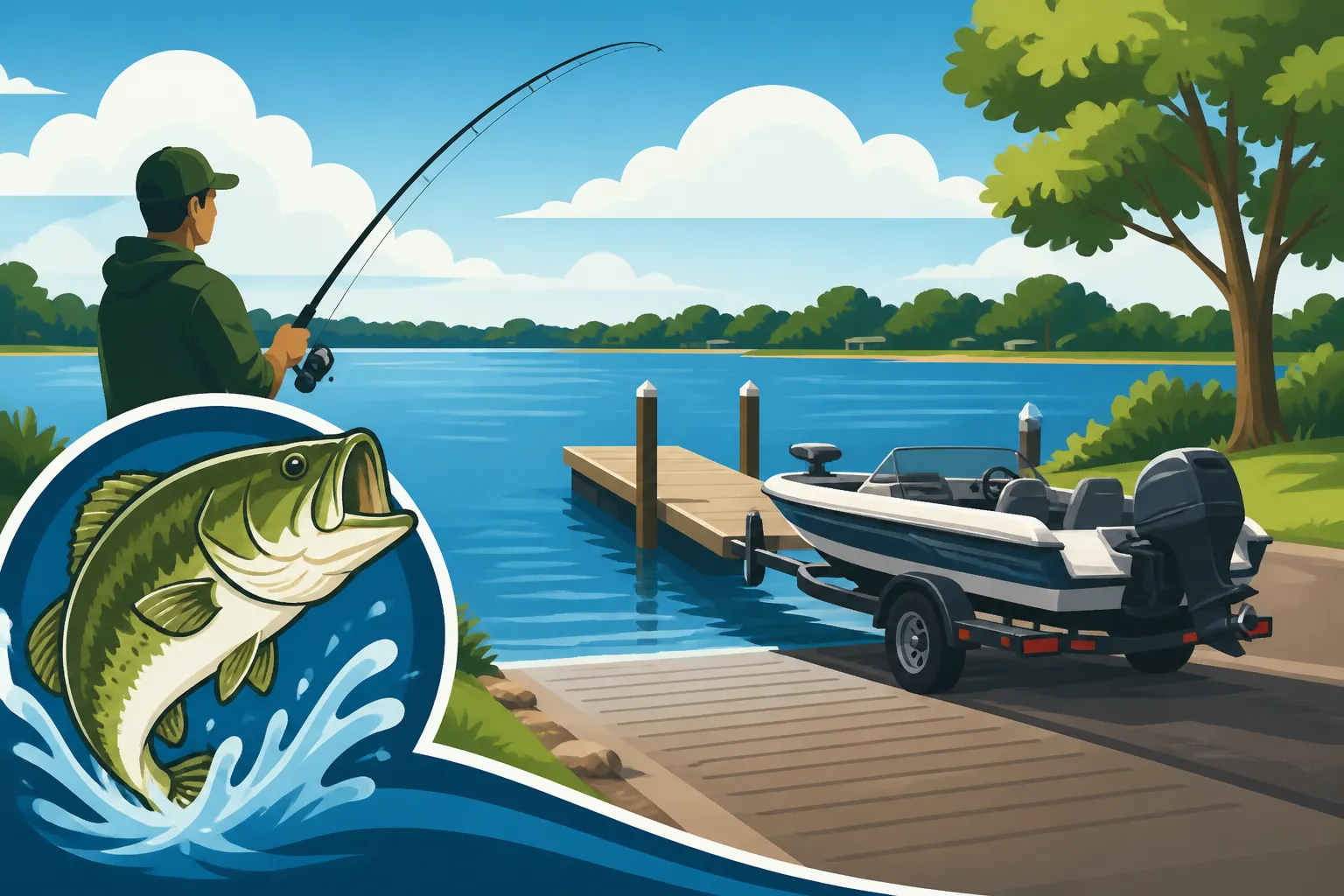
Buckeye Lake offers a mix of centrally located and more scattered boat ramp options. The most prominent and widely used public ramp is often considered the North Shore Ramp located within Buckeye Lake Village. This ramp is well-marked and provides easy access to the central part of the lake. It's a popular choice due to its location and relatively good facilities. However, because of its popularity, it can get quite busy, especially on weekends and holidays during peak fishing seasons.
Another excellent ramp is located at Liebs Island Public Access Area on the western end. This ramp is particularly useful for anglers targeting the shallower, more structure-rich waters of the western basin, which are fantastic for species like largemouth bass and crappie. Further east, you might find smaller ramps or launch points near Fairfield Beach or other state park sections. While not as large or well-equipped as the main North Shore ramp, these can be good alternatives if you have a smaller boat or if the main ramps are too crowded. Always consult a reliable map or a fishing app like FishingBooker before heading out to confirm the exact locations and details of each ramp.
Ramp Conditions and Boat Size Considerations
The condition of boat ramps on Buckeye Lake can vary. The main public ramps are generally paved and well-maintained by the state or local municipalities. However, due to the lake's relatively shallow nature, some ramps might experience lower water levels, especially during dry periods, making launch and retrieval challenging for larger boats. It's not uncommon to see trailers backed quite far into the water just to get a deeper draft boat off the bunks. Always approach unfamiliar ramps with caution, especially if you have a larger craft.
For smaller boats, kayaks, and canoes, many of these ramps are perfectly adequate. Some areas, like certain sections of Buckeye Lake State Park, might even offer designated soft launches or beach areas for hand-launching non-motorized vessels, which is fantastic for a peaceful paddling and fishing experience. Before you tow your pride and joy all the way to the lake, it’s a wise move to check recent reports or call a local bait shop to inquire about current ramp conditions and water levels, especially if you're planning to bring a bigger bass boat or pontoon.
Navigating Busy Ramps During Peak Season
Buckeye Lake is incredibly popular, and during peak fishing times or on beautiful summer weekends, the boat ramps can get really busy. It's a common frustration: waiting in line, navigating tight parking lots, and dealing with anglers who might be less experienced with ramp etiquette. To make your experience as smooth as possible, preparation is key. Have all your gear loaded, lines untangled, and safety equipment ready before you get to the ramp. This means securing your rods, coolers, and tackle boxes so you're not fumbling with them while others are waiting.
When you back your boat down, do so efficiently and smoothly. Once launched, move your boat quickly away from the ramp so the next angler can use it, and then proceed to a designated tie-up area to finish rigging your boat. The same goes for retrieval: have your vehicle and trailer ready to go, and load your boat quickly to clear the ramp. Patience and courtesy go a long way in ensuring everyone has a good time. Remember that Lake Erie Yellow Perch Daily Limit in the West Zone or Ohio Muskie Size and Bag Limits are important regulations to follow, so make sure you're up to date on all the Ohio Fishing Regulations Every Angler Should Know before heading out.
Planning Your Buckeye Lake Fishing Trip
A successful fishing trip to Buckeye Lake, like any good adventure, hinges on careful planning. From knowing what gear to pack to understanding the best times to visit, a little forethought can significantly enhance your chances of a great day on the water.
Essential Gear and Preparations
Buckeye Lake offers a diverse fishery, so your gear selection should reflect that. For targeting crappie and bluegill, light to ultralight spinning rods with 4-6 lb test line are ideal. Small jigs, minnows, or worms are almost always effective. If you're after largemouth bass, a medium-action rod with slightly heavier line (8-12 lb test) will be more suitable, allowing you to throw crankbaits, spinnerbaits, or soft plastics. Many anglers find the Best Lures for Ohio Fishing include some classic bass presentations when targeting Buckeye Lake's abundant green fish.
For those targeting saugeye, which are a hybrid of walleye and sauger and offer fantastic table fare, a medium-light rod with 6-8 lb test line is a good all-around choice. Trolling small crankbaits or jigging with minnows are popular and productive methods. Always carry a net, pliers, and a small first-aid kit. And, of course, don't forget your Ohio Fishing License Guide for Residents and Nonresidents! It’s easy to buy an Ohio fishing license online, so there’s no excuse not to have it.
Here’s a quick overview of common tackle for Buckeye Lake species:
| Species Targeted | Recommended Rod/Reel | Line Weight | Common Baits/Lures |
|---|---|---|---|
| Crappie | Ultralight/Light Spin | 4-6 lb mono | Small jigs, minnows, tiny crankbaits |
| Bluegill/Panfish | Ultralight Spin | 2-4 lb mono | Worms, crickets, tiny jigs |
| Largemouth Bass | Medium/Medium-Heavy Spin/Baitcast | 8-15 lb fluorocarbon/mono | Crankbaits, spinnerbaits, plastic worms, jigs |
| Saugeye | Medium-Light Spin | 6-10 lb mono/braid | Jigging spoons, blade baits, crankbaits, live minnows |
| Channel Catfish | Medium-Heavy Spin/Baitcast | 10-20 lb mono | Cut bait, nightcrawlers, prepared baits |
Timing Your Visit for Best Results
The timing of your trip can greatly influence your success at Buckeye Lake. Spring is often considered prime time for crappie and largemouth bass, as fish move into shallower waters for spawning. March, April, and May can offer some incredible action. As the water warms into summer, panfish remain active, and saugeye can be found in deeper areas or channels. Early mornings and late evenings are often the Best Time of Day to Fish in Ohio during the warmer months, especially for bass.
Fall brings another surge of activity, with fish feeding heavily in preparation for winter. This is an excellent time for crappie, saugeye, and bass, as water temperatures become more comfortable. Even winter offers opportunities for ice fishing, particularly for crappie and saugeye, when conditions allow for safe ice. Always check the local weather forecasts and consider how Reading Weather Patterns for Ohio Fishing might impact fish behavior. If you're looking for a guided experience to maximize your time on the water, you can often find local guides through platforms like FishingBooker who specialize in Buckeye Lake and can put you right on the fish, no matter the season. They can also offer tips on the Best Summer Fishing Techniques in Ohio or any other season.
Buckeye Lake is a great multi-species fishery, offering good numbers of fish, though perhaps not always the trophy sizes found in other Ohio waters. It's a fantastic spot for a fun day out with the family or for honing your panfish and bass skills. For a comprehensive overview of when different species are most active, you might want to refer to an Ohio Fishing Season Calendar. Many anglers also find success by connecting with local bait shops or fishing forums for up-to-the-minute reports on what's biting and where, ensuring you're always in the right place at the right time. For planning larger trips or finding experienced local captains, especially for destinations like Best Places to Fish in Ohio, consider using a service like FishingBooker to browse available charters and guides.
Disclaimer
Please remember that fishing regulations, access points, and lake conditions can change. Always consult the latest regulations from the Ohio Department of Natural Resources (ODNR) before you go fishing. This guide is for informational purposes only and does not guarantee fishing success or safe passage. Always prioritize safety on the water.