Is Hoover Reservoir Good for Bank Fishing?
It's a common frustration, isn't it? You hear about these amazing fishing reservoirs, but when you don't have a boat, it often feels like you're left on the sidelines, wondering if there's any decent action to be had from shore. Hoover Reservoir, being one of Central Ohio's larger and more popular fisheries, definitely sparks that question for many bank-bound anglers. The good news is, while it presents its unique challenges, Hoover Reservoir absolutely offers some fantastic bank fishing opportunities if you know where to look and what to expect. This guide is here to walk you through everything you need to know to make your next shore fishing trip to Hoover a success.
Understanding Hoover Reservoir's Bank Fishing Potential
Hoover Reservoir, spanning parts of Delaware and Franklin counties, is a sprawling body of water, primarily serving as a water supply for Columbus. Its sheer size and diverse shoreline can feel a bit overwhelming at first glance for someone looking to fish from the bank. However, it's precisely this diversity that creates a variety of habitats and, consequently, excellent fishing opportunities for those willing to explore.
The Lay of the Land: Shoreline Characteristics
Hoover Reservoir isn't your typical small pond with easily accessible, uniform banks. Its shoreline is incredibly varied, ranging from steep, rocky bluffs that drop quickly into deeper water, to more gradual, brush-lined slopes, and even extensive shallow flats with lily pads and submerged vegetation. This mix means that different sections of the reservoir cater to different fishing styles and target species.
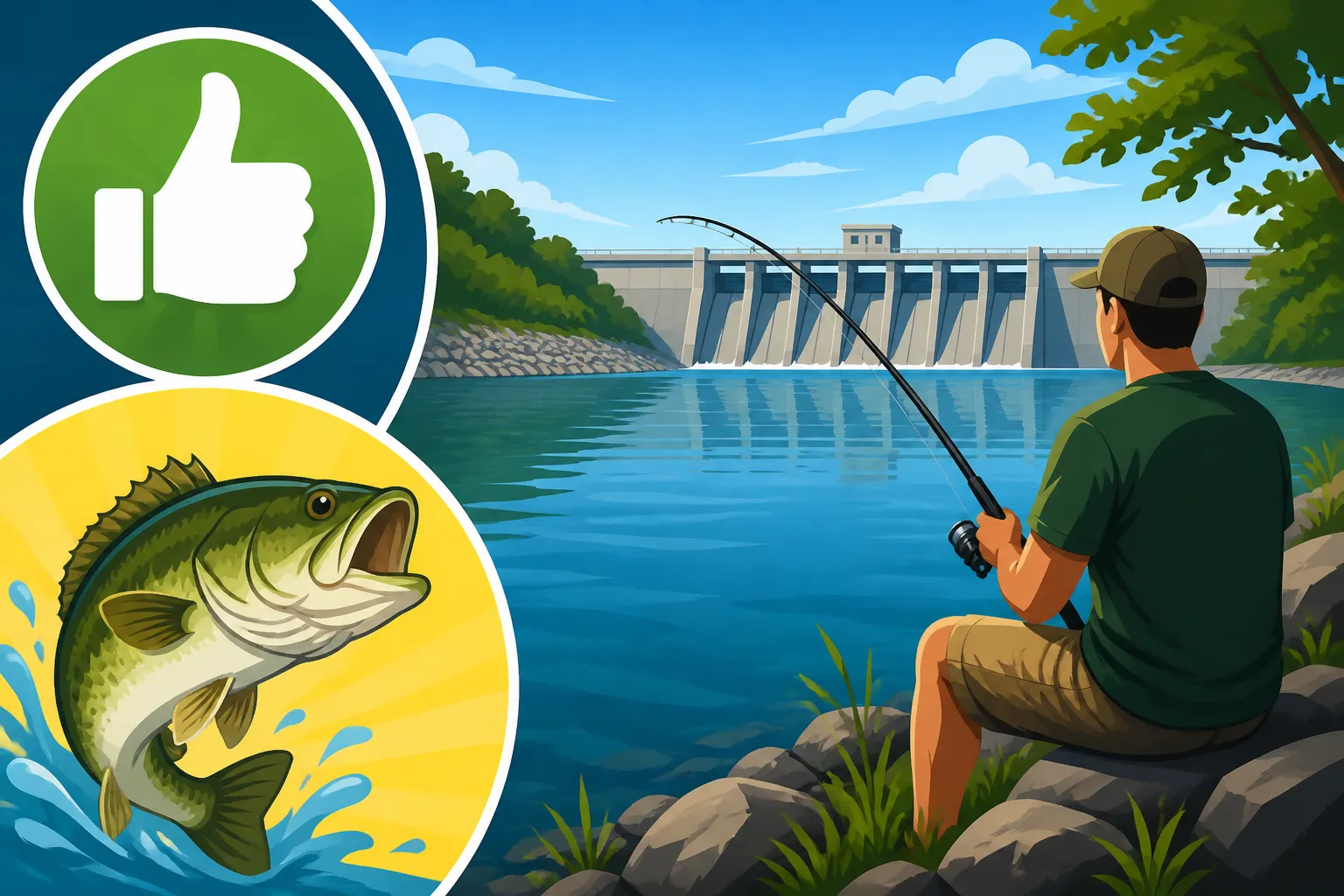
For instance, the steeper banks, often found closer to the Hoover Dam or along some of the larger coves, provide quick access to deeper water, which can be excellent for targeting species that prefer cooler, more stable depths, especially during warmer months. These areas might be trickier to navigate for those with mobility issues, but they can pay off. Conversely, the more gradual slopes and shallow bays, particularly in the northern reaches and upper arms of the reservoir, are rich in vegetation and perfect spawning grounds in the spring, attracting panfish and bass. You'll often find these areas choked with cattails, submerged weeds, and fallen timber, offering prime cover for fish but potentially challenging casting conditions for anglers.
Another factor is the fluctuating water levels. As a municipal water supply, Hoover's levels can vary, especially during dry spells or heavy rain. This can change access points and the effectiveness of certain bank spots. What was a productive shallow flat one week might be high and dry the next, or vice-versa. It requires a bit of adaptability and local knowledge, but many seasoned anglers find ways to turn these changes into advantages, knowing fish will often follow the rising or falling water to new structures.
Target Species for Bank Anglers
One of the most appealing aspects of fishing Hoover from the bank is the sheer variety of species you can realistically expect to encounter. You're not just limited to one type of fish; the reservoir holds a healthy population of several popular sportfish that are quite catchable from shore.
Crappie are a perennial favorite, and Hoover has both black and white crappie. In the spring, these fish move into shallow, brushy areas to spawn, making them very accessible from the bank. Look for them around fallen trees, docks, and weed beds. As the season progresses, they might pull back a bit deeper, but they're still catchable, especially during dawn and dusk. For detailed strategies, you might want to check out our guide on the Ohio Crappie Fishing Guide.
Largemouth bass are also abundant and can be found relating to cover along the banks—think lily pads, submerged timber, and weed lines. Smallmouth bass, while less common from shore, can sometimes be picked up in rocky areas. For bass anglers, the sheer amount of cover makes Hoover a challenging but rewarding destination. And for more insights on where to find these fish, explore our guide on the Best Ohio Lakes for Bass Fishing.
Then there are the omnipresent channel catfish. Hoover Reservoir has a robust population of these whiskered fighters, and they are incredibly accessible from the bank, especially in the evenings and at night. They’ll often cruise the shallower flats and channels looking for an easy meal. For those specifically targeting these powerful bottom dwellers, our Ohio Channel Catfish Fishing Guide offers some excellent tips. Don't forget the panfish like bluegill and sunfish, which are perfect for a relaxing afternoon with kids or for filling a stringer for a tasty meal. They're usually found in any shallow, weedy area.
Finally, Hoover is well-known for its saugeye population – a hybrid cross between a walleye and a sauger. While often associated with boat fishing, saugeye can absolutely be caught from the bank, particularly in cooler months or during low light conditions when they move shallower to feed. They are an aggressive, schooling fish and provide a thrilling fight. Our Ohio Saugeye Fishing Guide has more information on this exciting species.
Seasonal Considerations for Shore Anglers
Just like any body of water, Hoover Reservoir's bank fishing success is heavily influenced by the changing seasons. Understanding these patterns is key to maximizing your chances of a productive outing. The Ohio Fishing Season Calendar is an excellent resource for general statewide trends, but let's dive into specifics for Hoover.
Spring (March – May): This is arguably the best time for bank fishing at Hoover. As water temperatures rise, fish move shallow to spawn and feed aggressively after the long winter. Crappie, bass, and panfish are all highly accessible. Focus on northern coves and shallow flats with submerged timber or emerging vegetation. Live minnows, jigs, and small crankbaits are highly effective. The early spring can also see some saugeye moving shallower.
Summer (June – August): Bank fishing in summer can be a bit tougher, especially during the heat of the day. Many fish retreat to deeper, cooler water. However, mornings and evenings, as well as night fishing, can be incredibly productive for channel catfish and even saugeye. Look for areas with shade or access to deeper drop-offs. Bass will still be found in dense cover like lily pads or under docks. Consider our Best Summer Fishing Techniques in Ohio for more in-depth strategies.
Fall (September – November): As temperatures cool, fish become more active, feeding heavily in preparation for winter. This "fall bite" can be fantastic from the bank. Saugeye, crappie, and bass will once again move shallower, especially during overcast days. Focus on points, submerged humps, and the edges of weed beds. This is a great time to cover water with crankbaits and jigs.
Winter (December – February): Once ice forms, Hoover Reservoir becomes a popular destination for ice fishing, which is a different beast altogether. However, before and after safe ice, open water bank fishing can still yield saugeye and some catfish, particularly in the deeper sections near the dam or where current keeps areas ice-free. It's challenging but can be incredibly rewarding for hardy anglers. Always prioritize safety if considering ice fishing; know how thick ice should be before fishing in Ohio.
Prime Bank Fishing Access Points at Hoover Reservoir
Knowing the general patterns is one thing, but pinpointing where to go is the real challenge. Hoover Reservoir offers numerous parks and access areas, some designed specifically for shoreline access, while others require a bit more legwork. Always double-check current access rules and parking situations, especially as conditions can change. Remember, the Ohio State Park Fishing Rules and any local ordinances also apply here.
Northern Shores: Focus on the Dam Area and Oakhaven
The northern end of Hoover Reservoir offers some of the most consistent and popular bank fishing spots, primarily due to good accessibility and varied structure.
The Hoover Dam area, specifically the western side of the dam near the spillway, provides deep water access relatively close to shore. This can be an excellent spot for saugeye, especially during cooler months or low light. The rocks and rip-rap provide structure, and the deeper water holds fish when they've moved off the flats. There's usually ample parking here, and paved paths make access easy for many. Anglers often cast jigs, blade baits, or crankbaits here, targeting those suspended saugeye.
Further north, around the Oakhaven Historical Complex and Park, you'll find more diverse shoreline with both deeper sections and shallower coves. This area is fantastic for a mixed bag. The main park offers good shoreline access with trails that lead to various points and small bays. You can often find crappie and bluegill holding around submerged brush in the coves, while bass might patrol the weed lines. The Oakhaven area is particularly good in spring for spawning fish. Parking is usually plentiful, and it’s a family-friendly spot. You might consider dropping a bobber with a live minnow or a small jig for panfish, or casting spinnerbaits for bass.
Central and Southern Shores: Sunbury and Galena Areas
Moving south, the reservoir opens up, and the shoreline becomes even more varied. The areas around Sunbury and Galena offer different experiences, often catering to those seeking a bit more solitude or specific types of structure.
Near Sunbury, particularly on the western side of the reservoir, you'll find the Big Walnut Conservation Area. This spot is known for its extensive shallow flats and numerous fingers and coves that provide excellent habitat for largemouth bass, crappie, and channel catfish. Access can be a bit more rugged here, with less developed trails, but it’s worth the effort. The abundance of standing timber and lily pads makes it ideal for flipping jigs or soft plastics for bass, or using slip bobbers with minnows for crappie. Catfish anglers will find these shallow flats appealing for night fishing with cut bait or stink baits.
On the eastern side, closer to Galena, the shoreline tends to be a mix of steeper banks and some marshy areas. Spots like Red Bank Road Public Access can offer good fishing, but access might be limited to specific pull-offs or small parking areas. These less-trafficked spots can be goldmines for observant anglers. Look for points or areas where feeder creeks enter the reservoir; these often concentrate baitfish and, in turn, predator species. These areas can be good for saugeye if you can reach deeper water, and bass will lurk along any available cover. Always be respectful of private property boundaries when exploring these areas.
Hidden Gems and Lesser-Known Spots
Part of the joy of bank fishing at a large reservoir like Hoover is discovering your own secret spots. While I can't reveal every hidden honey hole (that's half the fun of exploring!), I can give you some pointers on how to find them.
First, study a good map of the reservoir, especially satellite imagery. Look for features that indicate fish-holding structure: sudden depth changes, points that extend into the water, creek channels, and areas with dense vegetation. Any area where the contours change dramatically can hold fish. Look for public land access points that aren't main parks—sometimes a small, unmarked pull-off along a county road can lead to a productive stretch of shoreline.
Another strategy is to observe other anglers. While you don't want to crowd anyone, seeing where people are set up can give you clues about productive areas. If a spot looks promising but is difficult to access, consider if it’s worth the extra hike. Many of Hoover’s less-pressured areas require a bit of a walk, but this often means less competition and potentially more fish. Just remember to pack light and be prepared for uneven terrain. When planning your trips or thinking about new spots, resources like FishingBooker can sometimes offer insights on local guides who might share general area knowledge, even if you’re bank fishing. While they specialize in charters, their platform can highlight popular fishing zones that might have adjacent bank access.
Essential Gear and Techniques for Hoover Bank Fishing
You don't need a boatload of fancy equipment to enjoy bank fishing at Hoover Reservoir, but having the right gear and knowing a few key techniques can make a world of difference. Being prepared for the specific conditions you might encounter will certainly increase your chances of success.
Rods, Reels, and Line Choices
For most bank fishing scenarios at Hoover, versatility is key. You'll want a setup that can handle various lures and baits, and potentially multiple species.
A medium-light to medium power spinning rod, typically 6'6" to 7'6" in length, is an excellent all-around choice. This length provides good casting distance, which is often crucial from shore, and enough backbone to handle a decent-sized bass or saugeye, while still being sensitive enough for crappie or bluegill bites. A fast action tip will help with detecting subtle bites and setting the hook quickly.
Pair this with a 2500-sized spinning reel spooled with 6-10 lb test monofilament or fluorocarbon line. Monofilament is forgiving and great for beginners, while fluorocarbon offers less stretch and better sensitivity, making it a favorite for many experienced anglers. Braided line, in the 10-20 lb test range, can also be a fantastic choice, especially if you're fishing around heavy cover. Its strength and lack of stretch are excellent for pulling fish out of weeds or brush, and you can always add a fluorocarbon leader for stealth.
If you plan to specifically target larger channel catfish, especially at night, a slightly heavier setup might be beneficial. A medium-heavy power rod up to 8 feet in length, coupled with a 3000-4000 series spinning reel or a baitcasting reel spooled with 12-20 lb mono or braid, will give you the power to cast heavier baits and wrestle larger fish.
Best Baits and Lures for Hoover's Shores
Matching your bait to the target species and current conditions is paramount. Hoover Reservoir offers a variety of forage, so having a selection of options is wise.
Live Bait: This is often the simplest and most effective choice for bank anglers, especially for panfish, crappie, and catfish.
- Minnows: Essential for crappie and saugeye. A small shiner or fathead under a slip bobber near structure is deadly.
- Worms/Nightcrawlers: The universal bait. Bluegill, crappie, catfish, and even smaller bass will readily take a piece of worm fished on the bottom or under a bobber.
- Cut Bait: For channel catfish, especially larger ones, fresh cut bait (like pieces of shad or sunfish) fished on the bottom is incredibly effective. Stink baits can also work.
Artificial Lures: These allow you to cover more water and actively search for fish.
- Jigs: Small jigs (1/16 to 1/8 oz) tipped with a soft plastic grub or tube are killers for crappie and bluegill. Larger jigs (1/4 to 1/2 oz) with creature baits or plastic worms are excellent for bass. For saugeye, blade baits or hair jigs can be very productive, especially when cast into deeper water near the dam. Consider our Best Ohio Walleye Fishing Techniques for broader jigging tactics that can be adapted for saugeye.
- Crankbaits: Small to medium-sized crankbaits that dive to moderate depths are great for bass and saugeye. Lipless crankbaits are also effective for covering water and triggering reaction strikes.
- Spinnerbaits/Chatterbaits: Excellent for bass, especially around heavy cover or weed lines. The flash and vibration can draw strikes in stained water.
- Soft Plastics: Texas-rigged worms, Senkos, creature baits, and swimbaits are incredibly versatile for bass. Ned rigs are also gaining popularity for smallmouth and largemouth bass in various conditions.
Techniques for Success from Shore
Bank fishing often requires a slightly different approach than boat fishing. You're limited in mobility, so maximizing your casting angles and understanding fish behavior in relation to the bank is key.
Covering Water: Since you can't motor around, making accurate and varied casts is crucial. Fan cast the area in front of you, starting close and gradually increasing your distance. Target any visible structure like fallen trees, weed lines, rock piles, or points. If you’re not getting bites after 10-15 casts in one spot, consider moving a short distance down the bank to try a new area.
Bottom Fishing: This is a staple for catfish and sometimes productive for saugeye. A simple Carolina rig or a three-way swivel rig with a bell sinker on the bottom and a hook a foot or two above it is very effective. Cast it out, let it sink, and wait. Make sure your reel's drag is set correctly.
Float Fishing (Bobber Fishing): For panfish and crappie, nothing beats a slip bobber rig. It allows you to present your bait at a precise depth, which is vital when fish are holding at a specific level. Adjust the depth until you find the fish. This is particularly effective around submerged brush or docks. For spring fishing techniques that incorporate bobber fishing, you can reference our Best Spring Fishing Techniques in Ohio.
Casting and Retrieving: This is your primary method for targeting bass, saugeye, and aggressive crappie. Experiment with different retrieve speeds and cadences. Sometimes a steady retrieve works, other times pauses and jerks are more effective. Pay attention to what the fish are telling you. In clear water, faster retrieves might be better; in murky water, a slower, more deliberate retrieve can be beneficial.
Navigating Regulations and Enhancing Your Trip
A successful and enjoyable fishing trip isn't just about catching fish; it's also about being a responsible angler, understanding the rules, and ensuring your safety and comfort.
Hoover Reservoir Specific Rules and Regulations
While general statewide rules apply, Hoover Reservoir, as a public water supply, often has its own set of specific regulations that anglers need to be aware of. The most notable regulation at Hoover is the 10 horsepower motor restriction. This primarily affects boaters, but it's good to know if you're ever considering getting on the water. For bank anglers, the key is to be mindful of any signage regarding restricted access areas, particularly near the dam or spillway, or around sensitive environmental zones.
Always carry your valid Ohio Fishing License Guide for Residents and Nonresidents. Wildlife officers do patrol the reservoir, and being caught without one can result in fines. Additionally, be aware of the statewide bag and size limits for the species you are targeting. These limits are in place to ensure healthy fish populations for everyone to enjoy. While not unique to Hoover, adhering to these rules is crucial for conservation. You can find comprehensive details in the Ohio Fishing Regulations Every Angler Should Know.
| Species | Minimum Length (Inches) | Daily Bag Limit (Statewide, check for Hoover specific exceptions) | Prime Bank Fishing Season | Common Bank Bait/Lure |
|---|---|---|---|---|
| Largemouth Bass | 12 | 5 | Spring, Fall, Summer (early/late) | Worms, Jigs, Spinnerbaits |
| Crappie | 9 | 30 | Spring, Fall | Minnows, Small Jigs |
| Channel Catfish | None | 30 | Summer, Night | Cut Bait, Worms |
| Saugeye | 14 | 6 | Spring, Fall, Winter | Jigs, Blade Baits, Minnows |
| Bluegill | None | 20 | Spring, Summer | Worms, Crickets |
Note: Always verify current regulations with the Ohio Department of Natural Resources (ODNR) before fishing, as rules can change.
Safety and Comfort for Bank Anglers
Your enjoyment and safety are paramount when spending time outdoors. Hoover Reservoir is a large, natural environment, and being prepared means you can focus on the fishing.
Sun Protection: Even on cloudy days, UV rays can be intense. Wear a wide-brimmed hat, sunglasses, and use broad-spectrum sunscreen. Long-sleeved shirts and pants can also help.
Hydration: Always bring plenty of water, especially during warmer months. Dehydration can quickly turn a good day into a miserable one.
Footwear: Wear sturdy, comfortable, and waterproof shoes or boots. The terrain can be uneven, muddy, or rocky, and good footwear will prevent slips and provide support.
Insect Repellent: Mosquitoes and ticks can be prevalent, especially in wooded or grassy areas. Apply repellent to exposed skin and clothing.
First-Aid Kit: A small kit with essentials like band-aids, antiseptic wipes, pain relievers, and any personal medications is always a good idea.
Weather Awareness: Check the forecast before you go. Pop-up thunderstorms are common in Ohio, and being caught unprepared can be dangerous. If thunder roars, go indoors!
Leave No Trace: Pack out everything you pack in. Dispose of all trash, including fishing line, properly. Hoover is a beautiful resource, let's keep it that way for everyone.
Planning Your Hoover Reservoir Bank Fishing Adventure
With all this information, you're well-equipped to plan a successful bank fishing trip to Hoover. Start by checking the latest ODNR fishing reports for Hoover Reservoir; these can give you insights into recent catches and conditions. Use online mapping tools to scout potential access points and shoreline features from the comfort of your home.
Consider what species you want to target and then align that with the best season and the specific access points that offer the right habitat. If you're a beginner, perhaps start with easily accessible areas like Oakhaven Park and target panfish or crappie, which are generally more forgiving. As you gain confidence, you can explore more challenging areas.
If you're ever thinking about exploring other great fishing spots across Ohio, or even considering trying a guided trip on Hoover or another lake where boat access is key, platforms like FishingBooker can be incredibly helpful. They list various fishing guides and charters, providing details on what they offer, target species, and pricing, giving you a wider perspective on Ohio's diverse fishing opportunities. Whether you stick to the bank or venture out on the water, Hoover Reservoir offers a rewarding experience for any angler seeking to connect with nature and reel in some fantastic fish. It might take a little patience and persistence, but the satisfaction of catching fish from the bank at such a significant body of water is truly unmatched.
Disclaimer
The information provided in this guide is for general informational purposes only and is not intended as legal advice. Fishing regulations, safety guidelines, and local conditions can change. Always consult the official Ohio Department of Natural Resources (ODNR) website, local ordinances, and current weather forecasts before engaging in any fishing activities. Adhere to all posted signs and respect private property. Fishing involves inherent risks, and personal safety should always be your top priority.