Best Spring Fishing Techniques in Ohio
Spring in Ohio is a magical, albeit sometimes finicky, time for anglers. The transition from icy dormancy to vibrant new life can be incredibly rewarding, but it also presents a unique set of challenges that can leave you scratching your head if you're not prepared. This guide will walk you through the nuances of spring fishing in Ohio, offering practical techniques and insights to help you locate and catch more fish during this dynamic season.
Understanding Ohio's Spring Transition
Ohio's spring isn't a single, predictable event; it's a gradual, often stop-and-go progression that dramatically influences fish behavior. Understanding these shifts is crucial for any angler hoping to find success.
Early Spring: Thaw and Cold Water Challenges
Picture this: the last vestiges of ice are melting away, winter's chill still hangs heavy in the air, and the water temperatures are barely creeping above freezing. This is early spring in Ohio, typically from late February through March. While many anglers are eager to hit the water, fish are often lethargic, hugging the bottom or tight to structure, conserving energy. Their metabolism is slow, and they aren't willing to chase down a fast-moving bait.
Species like steelhead, which migrate into tributaries from Lake Erie, are often the first to become active as rivers begin to open up. You'll also find some eager crappie and saugeye starting to stir in deeper basins. The key here is patience and a super-slow presentation. Think about how you feel on a cold morning – you're probably not in a rush. Fish feel the same way. Focus on presenting baits directly in front of their faces, giving them ample time to react. The water might be clear, but if it's cold, fish aren't going to exert much effort.
Mid-Spring: Warming Trends and Pre-Spawn Activity
As April rolls around and into early May, Ohio usually experiences more consistent warming trends. Longer daylight hours and increasing ambient temperatures cause water temperatures to slowly but steadily climb. This is when the pre-spawn bite really starts to kick into high gear for many species. Fish begin to move shallower, staging near traditional spawning grounds. They're feeding aggressively to build up energy for the upcoming spawn.
This period is prime time for species like walleye, especially in the major Lake Erie tributaries like the Maumee and Sandusky Rivers, as they make their way upstream to spawn. Bass, both largemouth and smallmouth, will also start their pre-spawn movements, becoming more active and responsive to a wider range of lures. Panfish, including bluegill and sunfish, will also be transitioning from deeper winter haunts to shallower, warmer areas, though their spawn is still a bit further off. The increased activity means you can often experiment with slightly faster retrieves and more varied lure types.
Late Spring: Spawning Season and Post-Spawn Recovery
Late spring, typically from mid-May through June, sees water temperatures continue to rise, triggering the actual spawning rituals for many of Ohio's popular game fish. Walleye, having spawned earlier, will start their post-spawn recovery, often retreating to deeper, cooler water in Lake Erie or large reservoirs. Bass will be actively spawning, with males guarding nests in shallow, visible areas. Crappie will also move into extremely shallow water, often around submerged cover, to complete their annual reproduction.
After the spawn, many fish enter a "post-spawn funk" where they are tired and less interested in feeding. However, this phase is usually short-lived, as they quickly transition into aggressive post-spawn feeding to regain their strength. Understanding these patterns allows you to target fish effectively. For instance, during the bass spawn, ethical anglers often practice catch and release, especially when fish are on beds, to ensure future populations. Once post-spawn, however, they'll be on the prowl for an easy meal, making them a fantastic target.
Top Species to Target in Ohio During Spring
Ohio offers incredible diversity for spring anglers, with several species providing fantastic opportunities. Knowing which species are active and where to find them is half the battle.
Walleye: From Rivers to Lake Erie
When you talk about spring fishing in Ohio, walleye immediately comes to mind. The spring walleye run on Lake Erie's tributaries is legendary, drawing anglers from all over the country. The Maumee River and the Sandusky River are epicenters of this activity. As water temperatures climb into the 40s and 50s Fahrenheit, millions of walleye migrate upstream to spawn.
Early in the run, when water is still cold, jigging with a lead head jig tipped with a soft plastic like a curly-tailed grub or a Fuzz-E-Grub is incredibly effective. Later, as the water warms, casting crankbaits or even drifting a weight-forward spinner with a nightcrawler can be deadly. You can learn a lot more about this exciting period in our Ohio Walleye Fishing Guide. After the river spawn, many walleye return to Lake Erie, where early season trolling and jigging techniques in shallow water can also produce great results. Look for points, reefs, and rocky areas where they might be staging.
Steelhead: Tributary Runs
Ohio's Lake Erie tributaries are also famous for their incredible steelhead runs. Starting in late fall and continuing strong through spring, these chrome beauties provide an exhilarating fight. Rivers like the Rocky, Grand, Vermilion, and Chagrin are hotbeds for steelhead action. Early spring (March to April) often finds a mix of "fresh" fish just entering the rivers and "drop-backs" – fish that have already spawned and are heading back to the lake.
Float fishing with jigs, salmon egg imitations (often called "beads"), or live/cured spawn bags is a popular and highly effective technique. Drifting small spoons or spinners can also entice a bite. For the fly-fishing crowd, nymphing with egg patterns or small stoneflies can be very productive. Keeping an eye on river flows and water clarity is crucial for steelhead success. You might find our guide on When Ohio Steelhead Runs Start particularly helpful for timing your trips.
Crappie: Shallow Water Bonanza
Crappie are another phenomenal spring target, especially for those looking for a more relaxed outing or introducing kids to fishing. As water temperatures rise into the high 50s and low 60s, crappie move out of deeper winter haunts and into shallow bays, coves, and around submerged structures like brush piles, fallen trees, and boat docks. They're looking for warmer water and places to spawn.
The beauty of spring crappie fishing is its simplicity. A small jig (1/32 to 1/16 oz) tipped with a minnow or a soft plastic body under a bobber is a classic, highly effective setup. Presenting this near cover, letting it slowly drift or gently twitching it, often results in a strike. Finding a good crappie spot can lead to catching dozens of fish in a short amount of time. You'll find many useful tips in our comprehensive Ohio Crappie Fishing Guide.
Largemouth and Smallmouth Bass: Pre-Spawn Aggression
Spring is arguably one of the best times to target both largemouth and smallmouth bass in Ohio. As the water warms, these aggressive predators move into pre-spawn patterns, feeding heavily to prepare for their spawning rituals.
For largemouth bass, look for them in shallow, protected bays, around emergent vegetation, lily pads, laydowns, and docks. They'll often be staging near deeper water, making quick forays into the shallows to feed. Lipless crankbaits, jerkbaits, spinnerbaits, and jigs are excellent choices for covering water and triggering strikes.
Smallmouth bass, particularly on Lake Erie and its rocky tributaries, will also be on the move. They prefer rocky points, reefs, and break lines. Tube jigs, drop-shot rigs, and jerkbaits worked slowly over rocky bottoms are very effective. The fighting power of a pre-spawn smallmouth is legendary! Our guides on Ohio Largemouth Bass Fishing Guide and Ohio Smallmouth Bass Fishing Guide offer even more in-depth strategies.
Essential Spring Fishing Techniques for Ohio Waters
While specific lures and baits are important, how you present them is often the biggest determinant of success in the spring.
Slow and Deliberate Presentations
In early to mid-spring, water temperatures are still on the cooler side, meaning fish metabolism is slower. They won't always chase down a rapidly retrieved lure. This is why a slow and deliberate presentation is often paramount.
- Jigging: Whether you're jigging for walleye in the rivers or crappie in a pond, a slow lift-and-fall motion is key. Let the jig hit the bottom, lift it just a few inches, and let it fall again. Sometimes, letting it sit motionless on the bottom for a few seconds can trigger a strike from a hesitant fish. Many anglers find the "snap-jigging" technique effective for walleye, giving the lure a quick upward snap and letting it flutter back down on a semi-slack line.
- Slow Rolling Crankbaits/Spinnerbaits: Instead of burning a crankbait back, try a slow, steady retrieve that allows the lure to wobble enticingly without covering too much ground too quickly. For spinnerbaits, let them helicopter down into cover.
- Pausing: The pause is often the most important part of the retrieve. When using jerkbaits, for example, long pauses (5-10 seconds or more) can be what triggers a cold-water bass to commit. Experiment with different pause durations until you find what the fish prefer on a given day.
Covering Water Effectively
While slow presentations are crucial, you still need to find the fish first. Spring fish can be scattered, especially if they're in transition. Effectively covering water helps you locate those active schools or individual predators.
- Fan Casting: From a boat or the bank, make a series of casts that radiate out like a fan, covering all angles of a specific area. This ensures you present your bait to any fish holding in that zone. Once you get a bite, you can concentrate your efforts in that specific direction.
- Trolling: For open water species like walleye in Lake Erie, trolling with crankbaits or crawler harnesses is a highly efficient way to cover vast expanses of water. Vary your speeds, depths, and lure colors until you start getting bites. Many Ohio anglers use planer boards, which can be found on sites like Amazon, to spread out multiple lines and cover a wider trolling path. This can be especially effective when fish are scattered.
- Drift Fishing: On rivers or larger lakes, drifting with the current or wind can be an excellent way to cover ground. Use slip bobbers with live bait or bottom bouncing rigs to keep your bait in the strike zone as you drift. This technique is popular for crappie, perch, and even walleye.
Adapting to Water Clarity and Temperature
Spring weather in Ohio can be notoriously fickle, with warm, sunny days often followed by cold rain or even snow. These fluctuations dramatically impact water clarity and temperature, which in turn dictate fish behavior.
- Water Clarity: After heavy spring rains, rivers and lakes can become muddy and high. In stained or muddy water, fish rely more on their lateral line and scent. This means using baits with strong vibrations (like rattle baits or bladed jigs) or those that offer a strong profile and bold colors (chartreuse, orange, black/blue). For example, a black and blue jig with a bulky plastic trailer can be devastating for bass in dirty water. If the water is clear, switch to more natural colors and smaller profiles, as fish have better visibility and can be spooked by unnatural presentations.
- Water Temperature: Always carry a water thermometer. Even a few degrees can make a huge difference in fish activity. When water is cold (below 45°F), fish will be sluggish, requiring slow presentations. As it warms (45-55°F), they become more active, and as it gets even warmer (55°F+), they can become very aggressive. Different species have different preferred temperature ranges for feeding and spawning. For instance, walleye often spawn when temperatures hit the mid-40s, while bass prefer the low to mid-60s.
Go-To Spring Lures and Baits in Ohio
Having the right arsenal of lures and baits is critical. While fish preferences can vary daily, some options consistently perform well in Ohio's spring conditions.
Live Bait Supremacy
When fish are lethargic in cold water, or just plain picky, live bait is often the undeniable king. Its natural movement, scent, and taste are hard for any fish to resist.
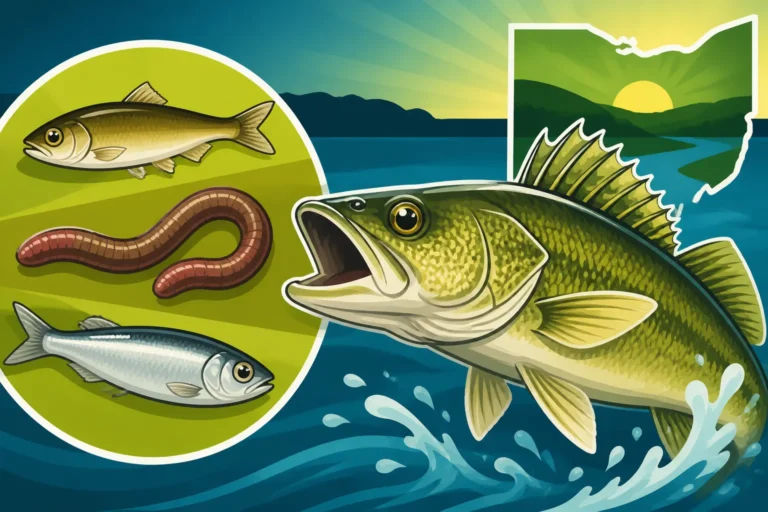
- Minnows: Hands down, minnows are a spring staple for crappie, walleye, saugeye, and even bass. Shiners, fatheads, and emerald shiners are common choices.
- Rigging: For crappie and panfish, a small minnow hooked through the back under a sensitive bobber (like a Thill slip bobber, available on Amazon) is incredibly effective. For walleye, a larger shiner can be deadly on a bare hook, a jig, or a weight-forward spinner.
- Nightcrawlers: While often associated with summer, nightcrawlers can be excellent in spring, especially for walleye, saugeye, and various panfish.
- Rigging: On a Lindy Rig or a plain hook, drifted near the bottom, they offer a subtle presentation. For active fish, a crawler harness trolled slowly can also be very productive.
- Leeches: Often overlooked, leeches are fantastic for walleye, smallmouth bass, and panfish. They're incredibly hardy and have a natural, undulating movement in the water.
- Rigging: A single leech hooked through the sucker and fished under a slip bobber or on a jig head is a simple yet effective rig.
Versatile Artificials: Jigs, Crankbaits, and Soft Plastics
While live bait excels, artificial lures allow you to cover more water, target specific depths, and imitate a variety of forage.
- Jigs: The most versatile spring lure.
- Hair Jigs (Walleye/Saugeye): Small, well-tied hair jigs (1/16 to 1/4 oz) in dark colors (black, blue, purple) are incredibly effective for walleye and saugeye in rivers, especially during the colder phases of the run. Their subtle action and natural profile are perfect for sluggish fish.
- Tube Jigs (Smallmouth Bass): Tubes in natural colors (green pumpkin, watermelon, smoke) fished on a jig head and dragged or hopped along rocky bottoms are irresistible to smallmouth bass.
- Paddle Tail/Grub Jigs (Crappie/Bass): Small paddle-tail grubs (1-2 inches) on light jig heads (1/32-1/16 oz) are perfect for crappie. Larger versions (3-4 inches) on heavier heads work well for bass.
- Crankbaits:
- Lipless Crankbaits (Bass/Walleye): These lures (like a Rat-L-Trap) are great for covering shallow flats and triggering reaction strikes from pre-spawn bass. Their loud rattles and strong vibration can call fish in dirty water.
- Jerkbaits (Bass/Walleye/Steelhead): Suspending jerkbaits are phenomenal for cold-water bass and walleye. A "rip-rip-pause" retrieve with long pauses is often the ticket. Look for brands like Rapala or Lucky Craft that offer excellent suspending models. They can also work for steelhead in slower river stretches.
- Soft Plastics:
- Grubs/Swimbaits: These versatile baits, when rigged on appropriate jig heads, mimic baitfish and can catch almost any predatory species.
- Creature Baits/Worms: For largemouth bass, Texas-rigged or Carolina-rigged creature baits and plastic worms fished slowly around cover can be highly effective as they stage for the spawn.
Essential Terminal Tackle and Gear
Don't overlook the small stuff! The right terminal tackle can make all the difference.
- Rods and Reels: For river walleye and steelhead, a medium-light to medium power spinning rod (7-9 feet) with a fast action is ideal for casting light jigs and handling powerful fish. For bass and crappie, a 6.5-7 foot medium-light to medium spinning rod works well. Pairing these with a reliable 2000-3000 series spinning reel ensures smooth operation.
- Fishing Line:
- Monofilament: Affordable, good knot strength, and forgiving stretch. Excellent for bobber fishing.
- Fluorocarbon: Nearly invisible underwater, low stretch, and abrasion-resistant. Great for finesse presentations and clear water. Often used as a leader material.
- Braided Line: Extremely strong, no stretch, and sensitive. Perfect for detecting subtle bites and cutting through vegetation. Many anglers use braid as their main line with a fluorocarbon leader. You can find all these line types on Amazon.
- Hooks: Always use sharp hooks! Spring fish bites can be light, and a dull hook will miss fish. Carry a hook sharpener or replace hooks regularly.
- Sinker/Weights: From split shots for light presentations to heavier bell sinkers for current, having a variety is essential.
- Bobbers: Both traditional clip-on bobbers and slip bobbers (which allow you to fish at precise depths) are invaluable for presenting live bait or small jigs.
Navigating Spring Weather and Water Conditions
Spring in Ohio is a constant dance with the elements. Being prepared for rapidly changing weather and understanding its impact on fishing is key to consistent success.
Monitoring Water Temperature for Key Species
Water temperature is arguably the most critical factor influencing fish behavior in the spring. Different species have "trigger" temperatures for feeding, staging, and spawning.
- Walleye: The Maumee and Sandusky River runs peak when water temperatures hover between 42-52°F for spawning. For post-spawn feeding in Lake Erie, look for them to be active in similar ranges, often staging near warmer, shallower water or specific structures. You can check our Ohio Fishing Season Calendar for more general timings.
- Steelhead: Often prefer water temperatures between 38-50°F in tributaries. They can be found in colder water, but their activity levels increase as it warms.
- Crappie: Move shallow when temperatures reach the high 50s and typically spawn in the low to mid-60s.
- Bass: Pre-spawn feeding is strong in the mid-50s, with spawning generally occurring in the low to mid-60s.
Always carry a quality water thermometer and check the temperature frequently, especially when moving between different areas or after a significant weather change. This intel will help you refine your techniques and target depths.
Dealing with Changing Water Levels and Current
Spring runoff from melting snow and heavy rains can lead to drastically fluctuating water levels and strong currents in Ohio's rivers and reservoirs.
- High Water/Strong Current: Fish will often seek refuge from strong currents in eddies, current breaks (behind rocks, logs, bridge pilings), or shallower, slower-moving areas along the banks. Focus your efforts on these slack water zones. Heavier jigs or bottom bouncing rigs might be necessary to get your bait down in faster currents. Always be cautious when wading in high water; safety first!
- Muddy Water: As mentioned before, muddy water calls for different tactics. Use larger baits, bright colors, and lures with a lot of vibration. Fish will often move closer to the banks in muddy conditions as visibility decreases.
- Falling Water: After a flood event, as water levels recede and clear, fish can become very aggressive. They'll often feed heavily along new current seams and newly exposed structures. This can be an incredible time to be on the water.
Wind, Rain, and Cold Fronts: Adjusting Your Approach
Ohio spring weather can change on a dime. A sunny, warm morning can quickly turn into a windy, rainy, or even snowy afternoon.
- Wind: Wind can be a friend or a foe. A moderate chop on a lake can break up the surface, making fish feel more secure and less wary of predators from above. This often translates to a better bite. Wind also creates current, pushing baitfish and therefore game fish into certain areas, like wind-blown points or shorelines. However, heavy winds can make boat control difficult and castability challenging. Adjust your approach by fishing sheltered areas or using heavier lures to combat the wind.
- Rain: A gentle rain can sometimes turn on the bite, especially for bass and trout, as it washes insects and nutrients into the water. Heavy rain, however, can quickly muddy the water and cool temperatures, often shutting down the bite temporarily.
- Cold Fronts: This is the bane of many spring anglers. A strong cold front that brings a sudden drop in air and water temperature, often accompanied by high pressure and clear skies, can completely shut down a hot bite. Fish will become sluggish, move deeper, and be much harder to catch. When faced with a cold front, slow down your presentation even more, downsize your baits, and focus on vertical presentations directly over known fish-holding structure. Don't be afraid to try more finesse tactics.
| Species | Peak Spring Period (General) | Preferred Water Temp (F) | Key Techniques | Go-To Baits/Lures | Best Water Conditions |
|---|---|---|---|---|---|
| Walleye | March – Early May | 42-52 | Jigging, Casting, Trolling | Jigs w/ soft plastics, Crankbaits, Minnows | Moderate current, slightly stained water |
| Steelhead | March – April | 38-50 | Float fishing, Drifting | Egg patterns, Beads, Spawn bags, Worms | Moderate flow, clear to stained water |
| Crappie | April – May | 58-68 | Bobber fishing, Light Jigging | Minnows, Small Jigs, Tubes | Shallow, calm, warmer bays, around cover |
| Largemouth Bass | April – June | 55-68 | Jerkbaits, Lipless Crankbaits, Jigs, Texas Rigs | Soft plastics, Spinnerbaits, Chatterbaits | Shallow, warmer water, heavy cover |
| Smallmouth Bass | April – June | 55-68 | Tubes, Drop Shot, Jerkbaits | Soft plastics, Crankbaits, Live Bait | Rocky areas, clear water, main lake |
| Saugeye | March – Early May | 45-58 | Jigging, Trolling, Bottom Bouncing | Jigs, Crankbaits, Minnows, Nightcrawlers | Reservoirs, rivers, around structure |
Safety and Etiquette for Spring Anglers
Spring fishing can be exhilarating, but it also demands awareness of safety and courtesy, especially when waters are crowded with eager anglers.
Cold Water Safety and Layering
Even on a sunny spring day, Ohio's water temperatures can remain dangerously cold for extended periods. Cold water shock and hypothermia are real risks.
- Wear a PFD: Always wear a personal flotation device (PFD), especially when boating or wading in moving water. An unexpected slip into cold water can be deadly if you're not wearing one.
- Dress in Layers: Layering is essential. Start with a moisture-wicking base layer, add insulating layers (fleece, wool), and finish with a waterproof and windproof outer shell. This allows you to adapt to changing temperatures throughout the day. Don't forget a warm hat and gloves, as significant heat loss occurs through your head and extremities.
- Buddy System: Whenever possible, fish with a buddy, especially when heading out on larger bodies of water or wading swift rivers.
Respecting Spawning Fish and Regulations
Spring is a critical time for fish reproduction. Responsible angling ensures healthy fish populations for years to come.
- Know the Rules: Always check the current Ohio Fishing Regulations Every Angler Should Know before you go. Specific bag and size limits, as well as special regulations for certain bodies of water (like Lake Erie Walleye Daily Bag Limit), are often adjusted seasonally. What was legal last year might not be this year!
- Handle Fish with Care: If you're practicing catch and release, handle fish gently, minimize their time out of water, and use proper fish handling tools (like rubber nets) to reduce stress and injury. During the spawn, some anglers choose to avoid targeting fish actively on beds to allow them to reproduce undisturbed.
- Clean Up: Pack out everything you pack in. Leave no trace of your visit. This includes old fishing line, bait containers, and any other trash.
Being Mindful of Fellow Anglers
Spring often brings out large numbers of anglers, particularly to popular spots like the Lake Erie tributaries during the walleye and steelhead runs. Courtesy goes a long way.
- Give Space: Whether you're shore fishing, wading, or boating, give other anglers ample space. Don't crowd someone's fishing hole. If you're wading, try not to walk directly through an area another angler is actively fishing, as this can spook fish.
- Share the Water: On rivers, respect the "drift." If someone is drifting a section of river, don't cut in front of them or cast over their lines.
- Be Patient at Access Points: Boat ramps and popular shore access points can get busy. Be patient and efficient to ensure everyone gets a turn.
- Offer Help (Respectfully): If you see someone struggling, offer a hand, but don't butt in or offer unsolicited advice unless asked. Good angling karma spreads!
By understanding the spring transitions, targeting the right species with the correct techniques, and adhering to safety and etiquette, you're well on your way to enjoying some of the most exciting fishing Ohio has to offer. Make sure you have your Ohio Fishing License Guide for Residents and Nonresidents in order, and you'll be ready for a fantastic spring season!
Disclaimer
Fishing inherently involves risks. Always exercise caution, be aware of your surroundings, and prioritize personal safety. Consult the Ohio Department of Natural Resources (ODNR) for the most current regulations, licensing requirements, and safety guidelines before engaging in any fishing activities. This guide is for informational purposes only and does not constitute professional advice.