Best Ohio River Access Points for Catfish
The mighty Ohio River presents a unique challenge and a rewarding experience for catfish anglers, but figuring out where to actually get to the water can be a real head-scratcher. Many stretches are privately owned or lack designated public access, leaving you driving around endlessly trying to find that perfect spot. This guide is here to cut through that frustration, providing you with a detailed rundown of the best, most accessible locations along the Ohio River for targeting those big whiskered fish.
Understanding Ohio River Catfish and Their Habits
Before we dive into specific locations, it’s incredibly helpful to understand the star of the show: the Ohio River catfish. Knowing their preferences and habits will make you a much more successful angler, no matter where you cast your line. The Ohio River is a large, diverse ecosystem, and its catfish populations thrive by adapting to its currents, depths, and abundant food sources.
Species of Catfish in the Ohio River
When you’re fishing the Ohio River, you’re primarily targeting three main species of catfish, each with its own characteristics and preferred habitats. These aren't just any old bottom-feeders; they're powerful fish that offer an incredible fight, especially the larger specimens. Understanding the nuances of each can help you tailor your approach.
First up, the ubiquitous Channel Catfish. These are often the most common catch, known for their fork-like tail and generally smaller size compared to their cousins, though they can still reach impressive weights. Channel cats are opportunistic feeders and can be found in a wide variety of habitats, making them a great target for anglers of all skill levels. They love structure, current breaks, and areas with plenty of food washing downstream. They're also quite tasty, making them a popular choice for dinner.
Then there are the magnificent Flathead Catfish. These brutes are the true kings of the river, known for their broad, flattened heads and mottled brown and yellow coloration. Flatheads are predatory fish that prefer live bait, and they love to ambush their prey from deep holes, fallen trees, and rocky crevices. They can grow to enormous sizes, often pushing 50 pounds or more in the Ohio River, and catching one is a true test of strength and patience. Anglers often specifically target Flathead Catfish in the Ohio River for their challenging fight and impressive size.
Finally, we have the majestic Blue Catfish. While perhaps not as widespread throughout the entire Ohio River as channels or flatheads, they are increasingly present, especially in the deeper, swifter sections. Blues are recognizable by their bluish-gray bodies and slightly forked tails. Like flatheads, they can grow very large and prefer robust current and deep water, often congregating in large schools. They are powerful fighters and are also excellent table fare. You can learn more about Ohio Blue Catfish Identification.
Prime Catfish Habitat in the River
The Ohio River is a dynamic environment, and understanding where these different catfish species like to hang out is key to finding them. It’s not just about finding water; it’s about finding the right water that offers food, cover, and comfortable conditions. River features like depths, currents, and bottom structure all play a crucial role.
Current breaks are catfish magnets. Think about areas where the main current slows down, like behind bridge pilings, submerged logs, or large rock formations. Fish can rest in these calmer spots while still having easy access to food that drifts by in the faster current. Look for eddies and slack water created by obstructions; these are prime ambush points.
Deep holes and scour points are particularly attractive to larger flatheads and blue catfish. These depressions are often created by strong currents eroding the riverbed, especially around bends or below dams. These deeper pockets offer cooler water, refuge from strong currents, and a place for big catfish to hide. You can often locate these spots with a good fish finder, or by observing where the current seems to churn and slow.
Structure, both natural and man-made, is another key element. This includes fallen trees (often called "snags" or "laydowns"), rock piles, old bridge abutments, or even sunken barges. Catfish use these structures for cover, protection from predators, and as ambush points for prey. When fishing from the bank, identifying these structural elements is crucial. Similarly, tributary mouths where smaller creeks or rivers feed into the Ohio can be excellent spots. These areas bring in fresh food, different water temperatures, and often create interesting current seams where catfish congregate. You might find a spot that’s perfect for Fishing the Ohio River for Catfish by looking for these specific features.
Navigating the Ohio River: Essential Access Considerations
The sheer size and industrial nature of the Ohio River can make finding good access points a bit daunting. It’s not like fishing a small lake where every shore is open. You need to consider whether you're bringing a boat or planning to fish from the bank, and what amenities are available at each location.
Public Boat Ramps and Launches
For serious catfish anglers, especially those targeting the bigger flatheads and blues, a boat is almost essential. It allows you to explore deeper channels, reach isolated snags, and cover more water. Thankfully, there are numerous public boat ramps along the Ohio River that provide excellent access for launching your vessel. These facilities are often well-maintained by local parks, cities, or the Ohio Department of Natural Resources (ODNR).
When choosing a boat ramp, consider the current river conditions. After heavy rains, the river can become very swift and muddy, making launching and retrieving a boat tricky, especially in areas with strong currents. Always check the river level and flow rates before heading out. Websites like the National Weather Service provide real-time river data that can be invaluable. Some ramps are simple concrete slabs, while others offer docks, ample parking, and even restrooms. If you're planning a trip, looking up these amenities beforehand can save you a lot of hassle. For those looking to hire out, services like FishingBooker can sometimes list captains who launch from specific public ramps, offering guided trips. Knowing Ohio Boater Education Requirements for Anglers is also crucial for safe boating.
Shoreline and Bank Fishing Opportunities
Not everyone has a boat, and that's perfectly fine! The Ohio River still offers fantastic opportunities for shoreline and bank fishing, particularly for channel catfish and even good-sized flatheads if you know where to look. The key to successful bank fishing is finding areas with accessible banks that also offer good fishing structure nearby. This often means finding public parks, city waterfronts, or specific easements designed for public access.
Many urban areas along the Ohio River have developed impressive riverfront parks that include fishing platforms, piers, and designated bank access points. These spots are fantastic because they often come with amenities like paved parking, restrooms, and sometimes even bait shops nearby. Beyond these developed areas, look for public lands where the river runs adjacent to roads or trails. These might be less manicured but can offer more secluded fishing. However, always be mindful of private property signs. You don't want to get into trouble just for trying to catch a fish. When fishing from the bank, focus on areas with slower current, eddies, points, and visible cover like fallen trees. These are often the most productive spots, as catfish will cruise close to shore in search of food. For more general tips, check out our guide on Best Bank Fishing Spots on the Ohio River.
Top Catfish Access Points Along the Ohio River
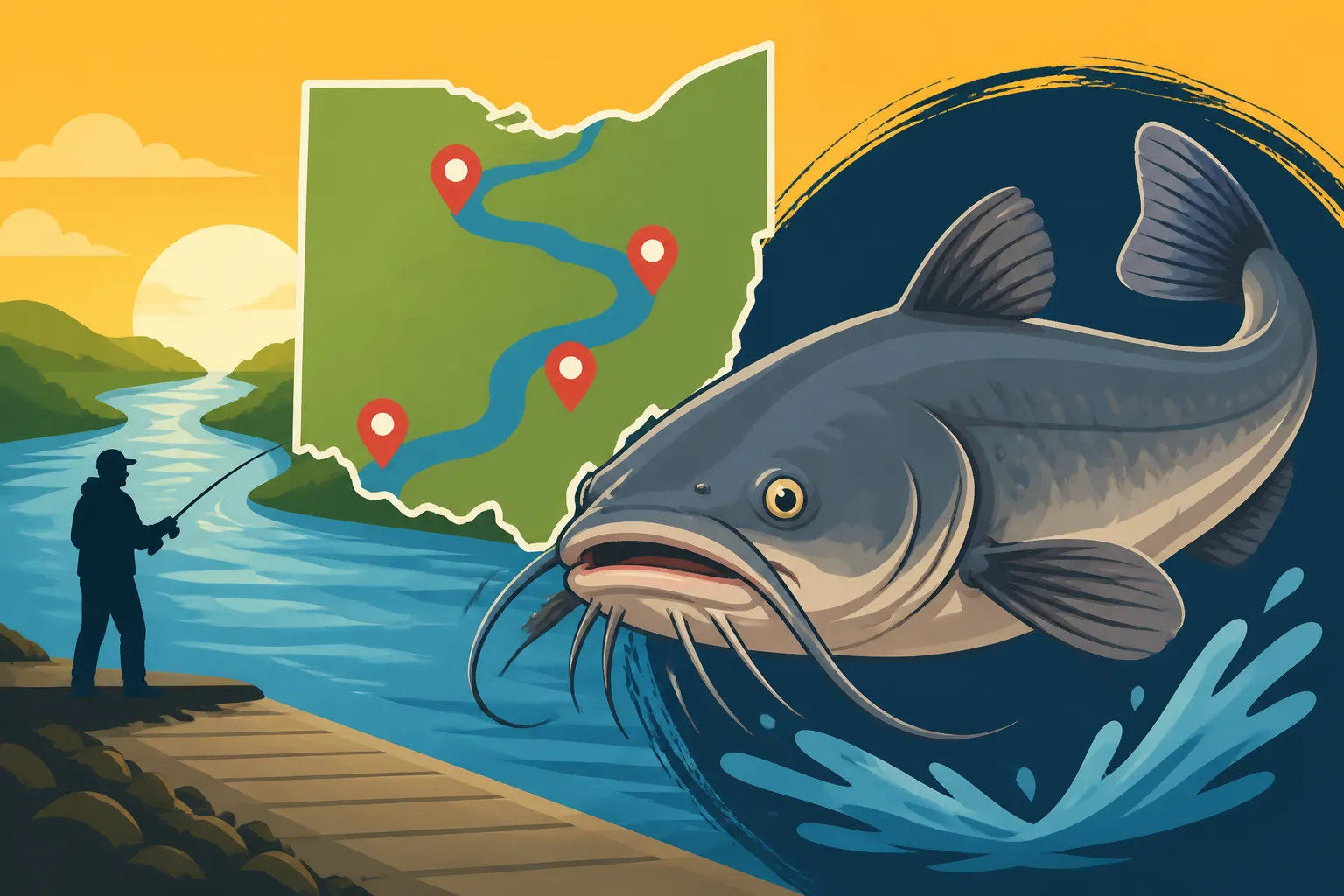
Now for the good stuff! Let’s break down some specific, tried-and-true locations along the Ohio River where you can reliably find catfish access. We'll move from west to east along Ohio's border with the river.
Cincinnati Area Access Points
The Queen City sits on a prominent bend of the Ohio River, and its urban sprawl means there are some well-maintained public access points that cater to anglers. The river here is wide and deep, offering excellent habitat for all three major catfish species.
One of the most popular and accessible spots is the Cincinnati Public Landing, right in the heart of downtown. While it might seem intimidating to fish in such an urban setting, the Public Landing offers easy bank access, especially around the mooring areas and docks. The river bottom here has a lot of varied structure from historical use, which catfish love. It’s a great spot for an evening outing, and you’re close to amenities.
Further upstream, but still within the greater Cincinnati area, Otto Armleder Memorial Park & Recreation Complex offers a different experience. While known for its trails and open spaces, it provides excellent access to the Little Miami River’s confluence with the Ohio, which is a fantastic natural funnel for baitfish and, consequently, catfish. There are public areas where you can walk the banks and find calmer water and current breaks. For those with boats, the various boat ramps along the river, like those near the historic Shawnee Lookout Park, offer great launch points to explore the deeper channels and tributaries for big flatheads. Navigating these areas for catfish is covered more in depth in Fishing the Ohio River Near Cincinnati.
Portsmouth Area Access Points
Moving east, the Portsmouth area presents a slightly different river environment, often with clearer water and more natural, wooded banks. It's a fantastic region for those who prefer a less urban fishing experience.
The city of Portsmouth itself boasts a beautiful riverfront that offers good public access. The Portsmouth Floodwall Mural area, while primarily a tourist attraction, also features accessible sections for bank fishing. Anglers can find decent spots along the promenade, especially around the confluence of the Scioto River with the Ohio, which creates significant current breaks and nutrient-rich waters that attract catfish. The depths here can be substantial, making it a good target for larger fish.
For boaters and those seeking more wilderness, Shawnee State Park isn't directly on the Ohio River, but its proximity provides access to nearby public ramps that lead right into prime fishing grounds. There are several public launches in the region, particularly around Buena Vista and Manchester, that put you right into stretches of the river known for holding trophy catfish. These areas typically have less boat traffic and more natural river features like long stretches of undeveloped bank, deep pools, and snags – perfect for Best Bait for Flathead Catfish in the Ohio River. You can delve deeper into this area with our specific guide on Fishing the Ohio River Near Portsmouth.
Eastern Ohio River Access Points
As we continue eastward, the Ohio River narrows in places and winds through a more rugged landscape. Access points here might be a bit more spread out, but they offer secluded opportunities for excellent catfish angling.
Near Steubenville, the Steubenville Riverfront Park offers convenient public access with a paved walkway and fishing spots along the bank. The river here can be quite deep, and the presence of older industrial structures (even submerged ones) can create fantastic habitat for catfish. Anglers can often find good success targeting channel cats and even some decent flatheads near the bridge pilings and current seams.
Further north, towards the Pennsylvania border, towns like East Liverpool also provide limited but viable public access. The East Liverpool City Wharf and other small municipal parks offer bank fishing opportunities. These areas are characterized by a strong current and deep channels, which can be fantastic for blue catfish. Always be on the lookout for publicly owned green spaces or small parks that border the river; sometimes the best spots are the lesser-known ones that just require a bit of local exploration. For those considering casting multiple lines, it's a good idea to remember the Two-Pole and Line Limit Rules in Ohio.
Tips for Maximizing Your Ohio River Catfish Trip
Finding the access point is just the first step. To really make your Ohio River catfish trip successful, you need to think about your gear, your approach, and most importantly, safety on this powerful waterway.
Best Baits and Rigs for River Catfish
When it comes to Ohio River catfish, bait choice is paramount, and it often depends on which species you're targeting. For Channel Catfish, a wide array of baits will work. Stink baits, cut bait (like shad, skipjack, or even hot dogs), chicken livers, and nightcrawlers are all highly effective. They’re not picky eaters! A simple Carolina Rig or a Santee Cooper Rig with a small float to keep the bait off the bottom can be very productive.
For the larger Flathead Catfish, live bait is almost always preferred. Live bluegill, shad, or suckers are top choices. The fresher and livelier the bait, the better. Hook your live bait through the back or lips on a heavy-duty circle hook, paired with a stout leader and enough weight to keep it anchored in the current. A slip sinker rig, allowing the fish to pick up the bait without feeling immediate resistance, is often the way to go. You’ll need substantial gear for these beasts – heavy rods, reels with strong drag, and 30-50 lb test line are not uncommon. Check out Ohio Catfish Daily Bag Limit to ensure you're compliant.
Blue Catfish will readily take large cut bait, especially fresh skipjack or shad. Live bait can also be effective. Since blues often school and prefer deep, swift water, anchoring effectively is important. You might use a similar rig to flathead fishing, but adjust your weight for the current. For more detailed insights on securing your position, refer to How to Anchor for Catfish on the Ohio River.
Here's a quick comparison of common baits and their ideal targets:
| Catfish Species | Preferred Baits | Recommended Rigging | Key Tips |
|---|---|---|---|
| Channel Catfish | Stink bait, cut bait (shad, chicken liver), worms | Carolina Rig, Santee Cooper Rig | Fish current seams, behind structure. |
| Flathead Catfish | Live bluegill, shad, suckers | Slip Sinker Rig with heavy tackle | Target deep holes, fallen trees. Live bait is critical. |
| Blue Catfish | Large fresh cut bait (shad, skipjack), live bait | Heavy Slip Sinker Rig, sturdy hooks | Focus on deep, swift channels, anchoring well. |
Safety Precautions for River Fishing
The Ohio River is a powerful body of water, and safety should always be your top priority, whether you’re fishing from a boat or the bank. The currents can be deceptive, and the river environment can change rapidly.
Always wear a life jacket if you’re fishing from a boat, and consider it even for bank fishing in areas with steep or slippery banks, especially if you’re near deep water. The river bottom can be slick, and a fall could quickly become dangerous.
Be aware of river traffic. The Ohio River is a major commercial waterway, with large barges constantly moving. These vessels create powerful wakes that can swamp a small boat or knock a bank angler off their feet. Give them a wide berth and pay attention to their movements.
Check weather and river conditions. Sudden storms can pop up, and high winds can make boating hazardous. Fluctuating river levels can also reveal or submerge dangerous snags. Always inform someone of your plans and estimated return time. Carry a fully charged phone, a first-aid kit, and plenty of water. Knowing the Ohio Fishing Regulations Every Angler Should Know is also vital for both safety and legal compliance.
Remember, the Ohio River is a fantastic resource for anglers, but it demands respect. By choosing accessible and safe locations and preparing appropriately, you can have a truly memorable and successful catfish fishing adventure.
Disclaimer
Please note that fishing regulations, access points, and river conditions can change. Always consult the latest Ohio Department of Natural Resources (ODNR) regulations and local advisories before planning your trip. Practice responsible angling, respect private property, and prioritize safety above all else.