How Big Flathead Catfish Get at Clendening Lake
There’s nothing quite like the thrill of chasing a true monster of the deep, especially when it’s one of Ohio’s legendary flathead catfish. Many anglers dream of pulling a giant out of their local waters, but often wonder just how big these elusive beasts truly get in specific lakes. If you've been eyeing Clendening Lake, known for its deep waters and abundant structure, to land a trophy flathead, you're in the right place. This guide will dive deep into the potential size of flathead catfish in Clendening Lake, what makes this fishery special, and how you can increase your chances of hooking into one of these impressive fish.
The Allure of Trophy Flathead Catfish in Ohio
Flathead catfish are truly in a league of their own. They're apex predators, often solitary, and incredibly powerful, making them a coveted catch for serious anglers. The challenge of outsmarting one of these big, reclusive fish is what drives many of us to spend countless hours on the water.
Understanding Flathead Catfish in Ohio Waters
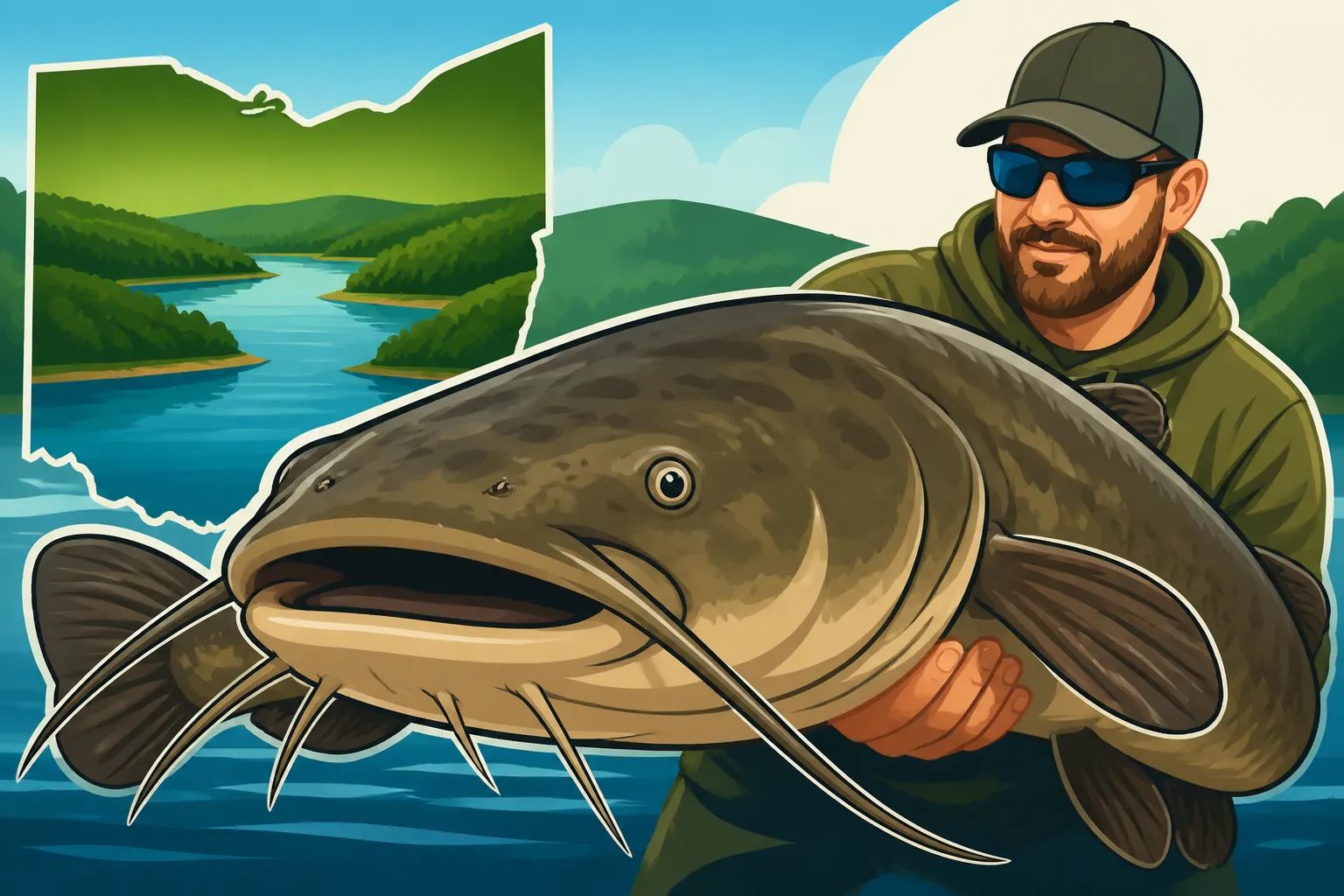
Flathead catfish, or Pylodictis olivaris, are unmistakable once you've seen one. They have that characteristic flattened head (hence the name!), a lower jaw that protrudes beyond the upper, and a mottled, olive-brown body that helps them blend perfectly with the bottom structure. Unlike their channel catfish cousins who are often scavengers, flatheads are voracious predators, preferring live bait and actively hunting other fish. This predatory nature is a huge part of why they grow so large; they’re constantly feeding on substantial forage. Across Ohio, flatheads thrive in large rivers and reservoirs, particularly those with plenty of deep water, submerged timber, and rock formations where they can ambush prey. They’re built for power, making every hook-up a true test of an angler's skill and tackle.
Why Clendening Lake is a Prime Flathead Destination
Clendening Lake, nestled in Harrison County, is a gem for many Ohio anglers, and flathead enthusiasts are no exception. This massive reservoir boasts over 1,800 acres of water and more than 40 miles of shoreline. What makes it particularly appealing for big flatheads? It's the perfect combination of characteristics: deep water (reaching depths of over 30 feet in some areas), an abundance of submerged timber and standing trees from when the lake was impounded, and a healthy population of forage fish like shad, gizzard shad, and various panfish. This rich habitat provides ample cover for flatheads to hide and ambush their meals, allowing them to grow to substantial sizes. The lake's reputation for strong catfish populations, including both channel cats and flatheads, draws anglers from all over the state, testament to its consistent productivity.
Unpacking Flathead Catfish Size at Clendening Lake
When you're talking about flathead catfish, size isn't just a number; it's a testament to the fish's age, the health of the fishery, and the patience of the angler. Clendening Lake certainly has the ingredients to produce some truly impressive specimens.
Documented Catches and State Records
Let's be clear: the Ohio state record for flathead catfish currently stands at a whopping 76.5 pounds, a monster measuring 59.75 inches, caught by Richard Neibert Jr. in the Ohio River in 2018. While Clendening Lake might not consistently produce state-record contenders of that caliber, it is well-known for yielding flatheads that can easily top the 40-pound mark, with many anglers reporting catches in the 20- to 35-pound range on a regular basis. There are also anecdotal reports and whispers among local veterans of flatheads pushing into the 50- and even 60-pound classes from Clendening, though these truly massive fish are, as expected, less common and require significant dedication and a bit of luck to encounter. These are fish that have survived many seasons, growing fat on the lake's abundant resources. If you're looking for an honest chance at a flathead that will give you the fight of your life and easily break the 40-pound barrier, Clendening Lake offers excellent prospects.
Factors Influencing Flathead Growth in Clendening
Several critical factors contribute to how big flathead catfish can get in a place like Clendening Lake. First and foremost is the forage base. Clendening is rich with shad, suckers, and panfish like bluegill and crappie, which provide a consistent, high-protein diet for growing flatheads. A steady and plentiful food supply means these fish don't have to work as hard to find meals, allowing them to allocate more energy to growth.
Secondly, water quality and habitat play a massive role. Clendening Lake generally maintains good water quality, and its abundant submerged timber, deep channels, and rocky points offer perfect ambush points and resting areas for flatheads. These features also provide crucial protection from anglers and predators when they're younger. The deeper sections of the lake offer thermal refuge during extreme temperatures, further contributing to their longevity and growth. Finally, fishing pressure and age are factors. While Clendening is a popular lake, not all anglers specifically target flatheads, and those who do often practice catch and release, allowing these fish to grow older and larger. Older flatheads are naturally bigger, and a healthy population with a good age structure means more trophy-sized fish for future generations.
Strategies for Targeting Clendening Lake's Giant Flatheads
Successfully landing a big flathead from Clendening Lake requires not just patience but also the right gear, the right bait, and a solid understanding of where and how these fish operate. These aren't your average panfish, and approaching them with anything less than a dedicated strategy will likely leave you frustrated.
Essential Gear and Bait for Trophy Flatheads
When you're after flathead catfish, you need to step up your gear significantly. Forget those ultralight rods; we're talking about heavy-duty setups built to handle powerful runs and the brute strength of a 40-pound-plus fish. A stout, moderate-heavy to heavy action rod, anywhere from 7 to 9 feet long, is ideal. Brands like Ugly Stik offer dedicated catfish rods that are popular for their durability, or you might opt for a specialized muskie or saltwater casting rod. Pair this with a robust baitcasting reel capable of holding at least 200 yards of 50-80 pound braided line, or heavy monofilament. Look for reels with strong drags, such as those from Penn or Abu Garcia. The main line should be tied to a strong swivel, followed by a heavy monofilament or fluorocarbon leader (40-60 lb test is common) to resist abrasion from timber and rocks.
For hooks, large circle hooks (8/0 to 12/0) are highly recommended. These hooks are designed to set themselves in the corner of the fish’s mouth, minimizing gut hooks and making catch and release much safer for the fish. As for bait, flatheads are almost exclusively piscivorous, meaning they eat other fish. Live bait is absolutely critical. Legal live baits that are abundant in Clendening Lake include bluegill, suckers, and gizzard shad. Always check the current Ohio Fishing Regulations Every Angler Should Know for baitfish collection rules. Presenting a lively 6- to 10-inch live bait on a Carolina rig or a three-way swivel rig, weighted appropriately to keep it near the bottom, is a go-to strategy. If you're new to the area or feel a bit overwhelmed by selecting the right gear and spots, a guided trip can be invaluable. You can often find local experts on platforms like FishingBooker who specialize in trophy catfishing and can provide all the necessary heavy tackle.
Key Locations and Techniques on Clendening Lake
Clendening Lake's flatheads are almost always associated with structure. They love to hide in and around submerged timber, stump fields, deep-water creek channels, and significant drop-offs. Think of areas where an old creek bed winds through the lake or where large stands of trees were flooded decades ago. These are their ambush points. When fishing Clendening, focus your efforts on:
- Submerged Timber and Brush Piles: These are classic flathead hangouts. Flatheads will often position themselves right in the thick of it, waiting for an unsuspecting baitfish to swim by. Anchor upstream or upwind and cast your baits into the edges or openings of these areas.
- Deep Channels and Drop-offs: Use your sonar to locate the old river and creek channels that run through the lake. Flatheads will cruise these deeper thoroughfares and often relate to the steep edges. Fishing where these channels meet other structures, like points or humps, can be incredibly productive.
- Rocky Points and Ledges: While timber is king, flatheads will also utilize rock formations. Look for deeper points that extend into the main lake or underwater ledges where baitfish might congregate.
Techniques:
- Anchored Fishing: This is perhaps the most common method. Find a promising piece of structure, anchor securely, and cast multiple lines with live bait around the area. This allows you to soak baits in prime territory for extended periods. Patience is key here.
- Drifting: If you have a good understanding of the lake’s contours and prevailing winds, controlled drifting can be effective. Use drift socks to slow your boat and allow your baits to slowly cover stretches of promising bottom, such as a long creek channel or the edges of a large timber flat. This is a great way to cover more water and locate active fish.
Night fishing is often the most productive time for large flatheads on Clendening Lake, as these nocturnal predators become more active under the cover of darkness. Many experienced anglers will tell you that the biggest fish are often caught between sunset and sunrise. Remember to familiarize yourself with Ohio Catfish Regulations by Species before heading out to ensure you're compliant with any specific rules for flatheads.
Conservation and the Future of Clendening Lake's Flatheads
Landing a truly enormous flathead is a profound experience, and ensuring these magnificent fish continue to thrive in Clendening Lake falls on all of us. Responsible angling practices are paramount, especially when targeting such a long-lived and impressive species.
Practicing Responsible Catch and Release
For many trophy flathead anglers, the goal isn't just to catch a big fish, but to release it unharmed to fight another day and contribute to the gene pool. Practicing proper catch and release is vital for the sustainability of Clendening Lake's flathead population. Here’s how to do it right:
- Minimize Fight Time: Use heavy tackle so you can land the fish quickly, reducing stress and exhaustion.
- Handle With Care: Avoid dragging large fish onto rough surfaces. If possible, keep the fish in the water while unhooking and taking photos. If you must bring it aboard, use a large, knotless rubberized net or a proper cradle.
- Wet Hands Only: Always wet your hands before touching a fish to protect its protective slime coat.
- Use Lip Grippers: Quality lip grippers are excellent for controlling large flatheads, allowing you to safely remove hooks without risking injury to yourself or the fish. Be sure to support the fish's belly if it's a large specimen, as hanging a heavy fish solely by its lip can damage its jaw.
- Quick Photos: Get your photos quickly and return the fish to the water as soon as possible.
- Revive If Necessary: If the fish seems sluggish, hold it upright in the water by its tail and lip, allowing water to flow over its gills until it regains strength and swims off under its own power.
Adhering to specific Catfish Regulations by Species for Ohio, even if you plan to release, ensures you're prepared for all scenarios. The biggest flatheads are often prime breeding stock, and releasing them ensures they can continue to pass on their genes, benefiting the entire fishery.
The Role of Anglers in Protecting the Resource
Beyond individual catch-and-release practices, anglers play a crucial role in the broader conservation efforts for Clendening Lake’s flathead catfish. Being informed and engaged is essential. This means staying up-to-date on all Ohio Fishing Regulations Every Angler Should Know which are reviewed annually by the Ohio Department of Natural Resources (ODNR) Division of Wildlife. These regulations are designed based on scientific data to manage fish populations effectively.
Support organizations that work towards habitat preservation and fish stocking, even if flatheads aren't typically stocked. Healthy ecosystems benefit all species. Finally, be a good steward of the resource. Pick up any trash you see, educate fellow anglers on best practices, and report any suspicious or illegal fishing activities to the ODNR. The long-term health of the fishery, and the continued opportunity to catch massive flatheads in Clendening Lake, depends on the collective responsibility of the angling community. It's a fantastic resource, and working together helps keep it that way for generations to come.
Comparing Flathead Sizes Across Ohio Waters
It's helpful to put Clendening Lake's flathead potential into perspective by comparing it to other notable Ohio waters. While the Ohio River undoubtedly holds the state's largest and most consistent population of trophy flatheads, many reservoirs also offer excellent opportunities for substantial fish.
| Water Body | Typical Flathead Size (lbs) | Trophy Potential (lbs) | Key Factors Contributing to Size |
|---|---|---|---|
| Ohio River | 20-50+ | 60-80+ | Vast habitat, abundant forage, strong current |
| Clendening Lake | 15-40 | 40-60+ | Submerged timber, deep channels, rich forage |
| Hoover Reservoir | 10-30 | 30-50 | Standing timber, deep water, shad populations |
| Alum Creek Lake | 10-35 | 35-55 | Rocky habitat, strong baitfish presence |
| Piedmont Lake | 10-30 | 30-50 | Abundant brush, clear water, good forage |
As you can see, Clendening Lake stands out as a highly productive reservoir for flathead catfish, consistently producing fish in the 15-40 pound range, with a very real chance of hooking into a fish weighing over 40 or even 50 pounds. This makes it a fantastic destination for serious catfishermen who might not have access to the mighty Ohio River but still want that trophy pursuit. The rich, diverse ecosystem of Clendening provides all the necessary elements for flatheads to thrive and grow to impressive sizes, offering a unique and challenging experience for those seeking to land a true freshwater giant. Remember that exploring new waters and understanding local conditions, perhaps by consulting a guide on FishingBooker, can be a great way to improve your success and learn the nuances of each unique fishing spot.
Disclaimer
The information provided in this guide is for general informational purposes only. Fishing conditions, regulations, and fish populations can change. Always consult the most current Ohio Department of Natural Resources (ODNR) fishing regulations before engaging in any fishing activity. Adherence to all local, state, and federal laws is the responsibility of the angler.