Why Lake Erie Is Called the Walleye Capital of the World
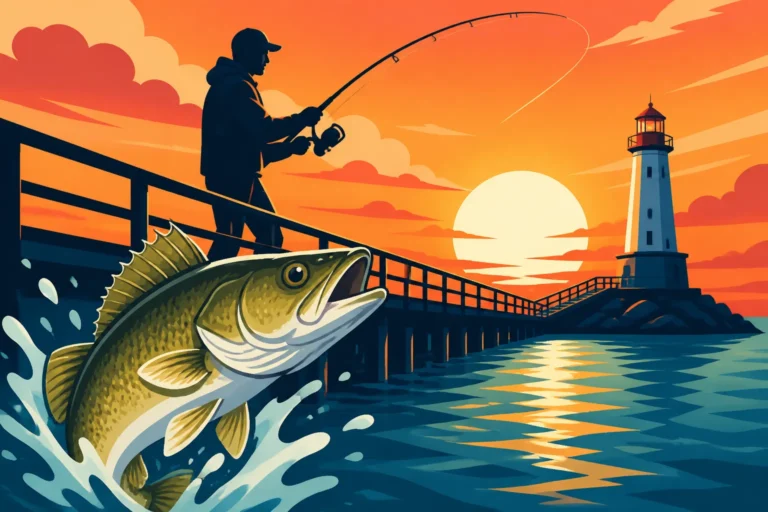
You've probably heard the boasts, seen the bumper stickers, and perhaps even witnessed the overflowing coolers at the docks: Lake Erie is often proclaimed the "Walleye Capital of the World." But if you're new to the Ohio fishing scene, or just curious about the hype, you might wonder if it's really true. Anglers who haven't experienced it firsthand might find it hard to believe that one lake could consistently produce such incredible numbers and size of walleye. Well, friend, this guide is here to peel back the layers and explain precisely why Lake Erie has earned, and continues to hold, this legendary title.
The Perfect Storm of Ecological Factors
Lake Erie isn't just lucky; it's a biological marvel, a veritable Walleye factory orchestrated by a unique combination of geographic and aquatic conditions. It's truly a "goldilocks zone" for these finicky, finned predators.
A Shallow, Fertile Nursery
One of the primary reasons Lake Erie reigns supreme for walleye is its incredibly productive Western Basin. Unlike the deeper, colder waters further east, this section of the lake is relatively shallow, averaging only about 24 feet. This shallow depth means the water warms up faster in the spring, creating ideal conditions for walleye spawning. Think of it as a giant, perfectly heated incubator. The mighty Maumee River, along with other significant tributaries like the Sandusky River and Detroit River, feed this basin with a continuous influx of nutrients. This nutrient-rich environment fuels a massive bloom of phytoplankton and zooplankton – the microscopic building blocks of the aquatic food web. These tiny organisms are the first meal for newly hatched walleye, giving them a head start and supporting an enormous juvenile population right from the get-go. Without this fertile nursery, the sheer numbers of walleye simply wouldn't be possible.
An Abundant Forage Base
Any thriving predator population needs a consistent and abundant food source, and Lake Erie delivers this in spades for its walleye. The rich productivity of the Western Basin also supports vast schools of baitfish, which are the primary diet for growing walleye. Historically, Emerald Shiners and Gizzard Shad were the mainstays, providing ample calories for walleye to pack on weight. In more recent decades, an unexpected hero emerged from the realm of invasive species: the Round Goby. While often viewed as a nuisance, these small, bottom-dwelling fish have become a high-protein, readily available food source for walleye, especially the larger, older fish. Walleye, being opportunistic feeders, quickly adapted to preying on gobies, leading to faster growth rates and even fatter fish. This robust and diverse forage base means that Lake Erie walleye rarely go hungry, translating directly into healthy, fast-growing fish.
Optimal Habitat Diversity
Lake Erie isn't a monolithic body of water; it's comprised of three distinct basins – Western, Central, and Eastern – each offering different depths, temperatures, and bottom structures. This incredible diversity provides walleye with optimal habitats throughout their life cycle and across all seasons. The shallow Western Basin serves as the prime spawning ground and juvenile habitat. As walleye grow and mature, they can migrate to the slightly deeper, cooler waters of the Central Basin, where they find thermoclines and abundant baitfish in the summer months. The Eastern Basin, the deepest of the three, offers refuge in extreme heat and alternative feeding grounds. This vast range of suitable habitats allows for a distributed population, reduces competition, and provides refuge from fishing pressure or environmental changes in any single area. Whether you're looking for walleye in the spring, summer, or fall, different sections of Lake Erie hold them, ready to bite.
Decades of Dedicated Conservation and Management
While natural factors set the stage, it's the tireless efforts of wildlife agencies and a committed angling community that have truly solidified Lake Erie's status as the Walleye Capital. It wasn't always this way, and this comeback story is crucial to understanding its current glory.
Bouncing Back from Near Collapse
It might be hard to imagine now, but in the mid-20th century, Lake Erie's walleye population was in serious trouble. Rampant industrial pollution, agricultural runoff, and unchecked commercial fishing pushed the lake's health, and its walleye, to the brink. Anglers of that era would tell you stories of struggling to find fish, and the general consensus was that Lake Erie was "dead." However, determined conservation efforts in the 1970s and beyond, spearheaded by the Clean Water Act and similar initiatives in Canada, began to turn the tide. Significant reductions in pollution, improved wastewater treatment, and strict fishing regulations allowed the lake to heal. This environmental turnaround, coupled with smart management, paved the way for the incredible walleye resurgence we enjoy today. It's a testament to what focused conservation can achieve.
Collaborative State and Provincial Efforts
Managing a fishery as vast and productive as Lake Erie, which spans multiple states and an international border, requires immense cooperation. The Ohio Department of Natural Resources (ODNR) plays a pivotal role, working hand-in-hand with agencies from Pennsylvania, New York, Michigan, and the Canadian provinces of Ontario. These organizations collectively form the Lake Erie Committee, which pools resources and data to set sustainable harvest quotas and enact consistent Ohio Fishing Regulations Every Angler Should Know. While stocking efforts once played a larger role in the recovery, Lake Erie's walleye population is now largely self-sustaining due to its excellent natural reproduction. The focus has shifted to maintaining that balance through careful monitoring and adaptive management strategies. This collaborative spirit ensures that the resource is managed as one cohesive unit, rather than a patchwork of conflicting rules. If you're wondering about the specifics, you'll find details on the Ohio Fishing License Guide for Residents and Nonresidents and various permits that support these efforts.
Scientific Monitoring and Adaptable Regulations
The success of Lake Erie's walleye fishery isn't left to chance. It's built on a foundation of rigorous scientific monitoring and an adaptive regulatory framework. Fisheries biologists conduct extensive surveys each year, netting and tagging fish to assess population size, age structure, growth rates, and reproductive success. This data allows them to forecast future populations and adjust regulations like Lake Erie Walleye Bag Limits and Ohio Fishing Season Dates and Effective Periods to ensure the fishery remains healthy for generations to come. For instance, if a particularly strong year-class of walleye is detected, regulations might be adjusted to allow for a slightly higher harvest, knowing there are plenty of fish. Conversely, if numbers dip, limits might tighten. This proactive, data-driven approach, constantly updated with the latest information, is key to preventing the overfishing that plagued the lake in the past. It’s a dynamic process that shows how seriously Ohio and its partners take their role as stewards of this incredible natural resource.
The Unparalleled Angling Experience
Beyond the biological and managerial reasons, the sheer experience of fishing for walleye on Lake Erie is what cements its "Capital of the World" status for anglers themselves. It's a combination of quantity, quality, and accessibility that makes it truly special.
Sheer Numbers and Trophy Potential
When we talk about the Walleye Capital, we're not just talking about good fishing; we're talking about phenomenal fishing. The population estimates for Lake Erie walleye routinely sit in the hundreds of millions. What does that mean for you, the angler? It means an incredibly high probability of success. Days of catching 20, 30, or even 50+ walleye are not uncommon, especially during peak seasons. You can have days where you're putting fish in the boat almost constantly. And it's not just numbers; Lake Erie produces some absolute giants. Anglers regularly land "hawgs" measuring over 28 inches, and fish pushing into the double-digit weight class are a real possibility. To truly understand the potential, you need to check out information on How Big Walleye Get on Lake Erie. This combination of incredible catch rates and the real chance at a fish of a lifetime is a major draw for anglers from across the country.
Diverse Fishing Opportunities
One of the great things about Lake Erie is that there's a walleye fishing technique for everyone. You don't need to be an expert to get in on the action. For those with boats, trolling is immensely popular, especially in the Central Basin during summer. Using planer boards to spread out lines with various crankbaits or crawler harnesses allows you to cover vast areas and target suspended fish. If you're interested in this method, learn more about Trolling for Lake Erie Walleye. Drift fishing with a weight-forward spinner and a nightcrawler is another deadly technique, particularly in the Western Basin. Then there's jigging, a more active and often highly effective method, especially in colder water or when fish are concentrated around structure. Check out Jigging Techniques for Lake Erie Walleye to sharpen your skills. And don't forget the fantastic shore fishing opportunities, especially in the spring and fall, when walleye move into shallower waters and river mouths. You can even find great advice on Shore Fishing Techniques for Lake Erie Walleye at Night for those dedicated nocturnal pursuits. Whether you prefer passive or active, boat or bank, Lake Erie has a walleye method for you.
Accessibility and Infrastructure
Another vital piece of the puzzle is the fantastic infrastructure built around the fishery. Towns like Port Clinton, Sandusky, and Cleveland are hubs for walleye fishing, offering a wealth of resources. You'll find numerous public boat launches, well-maintained marinas, tackle shops stocked with everything you could possibly need, and bait shops selling fresh minnows and nightcrawlers. For those who prefer to leave the navigation to someone else, the Lake Erie charter fleet is second to none. Hundreds of experienced captains, like those found through platforms such as FishingBooker, operate out of ports like Port Clinton and Sandusky, offering guided trips that almost guarantee a successful day on the water. This robust support system means that even if you're traveling a long distance, you can easily access the lake and its incredible fishing. The availability of Port Clinton Ohio Fishing Charters and Sandusky Ohio Fishing Charters makes planning a trip incredibly easy.
Economic and Cultural Impact
Lake Erie’s walleye fishery isn't just about fish in the boat; it's a deeply ingrained part of Ohio's identity and a powerful economic engine for the region.
A Fishing Tourism Powerhouse
The moniker "Walleye Capital of the World" isn't just for show; it translates directly into significant economic activity. Anglers from across Ohio, neighboring states, and even international visitors flock to Lake Erie specifically for its walleye fishing. This influx of visitors supports countless local businesses: hotels, restaurants, gas stations, bait and tackle shops, marinas, and, of course, the vibrant charter fishing industry. A single successful walleye season can inject tens of millions of dollars into the local economies of lakeside communities, providing jobs and sustaining livelihoods. This makes Lake Erie's walleye not just a natural resource but a vital economic one, driving a thriving tourism industry centered around the pursuit of this beloved fish. If you're looking to visit, resources like FishingBooker can help you plan your trip and find accommodations.
A Beloved Part of Ohio's Identity
For many Ohioans, walleye fishing on Lake Erie is more than just a pastime; it's a cherished tradition, a rite of passage, and a source of immense pride. Generations of families have bonded over days spent on the "big lake," reeling in these delicious fish. The excitement surrounding the spring walleye run, the chatter at the docks, and the shared stories of big catches are all part of the cultural fabric of the region. It fosters a strong sense of community among anglers and a deep appreciation for the natural beauty and bounty of Lake Erie. This emotional connection, passed down through families and friends, ensures that the passion for walleye fishing remains strong and that efforts to protect and preserve this incredible fishery continue for years to come. Whether you're a seasoned veteran or just starting out with your Ohio Boater Education Requirements for Anglers, the walleye tradition welcomes you.
| Basin | Average Depth (approx.) | Key Characteristics | Primary Walleye Activity |
|---|---|---|---|
| Western Basin | 24 feet | Shallowest, warmest, most nutrient-rich. Fed by Maumee, Sandusky, Detroit rivers. | Spawning, juvenile habitat, spring/early summer fishing. |
| Central Basin | 60 feet | Deeper than Western, develops strong thermocline in summer. Less riverine input, more open water. | Summer feeding grounds, trolling, deep jigging. |
| Eastern Basin | 240 feet (max) | Deepest, coldest, clearest. More akin to a Canadian Shield lake. | Less concentrated walleye, but large fish found year-round. |
Disclaimer
Fishing conditions and regulations in Ohio can change. Always consult the latest official publications from the Ohio Department of Natural Resources (ODNR) before heading out on the water. This guide is for informational purposes only and should not be considered a substitute for official regulations.