Where to Catch Flathead Catfish in Ohio
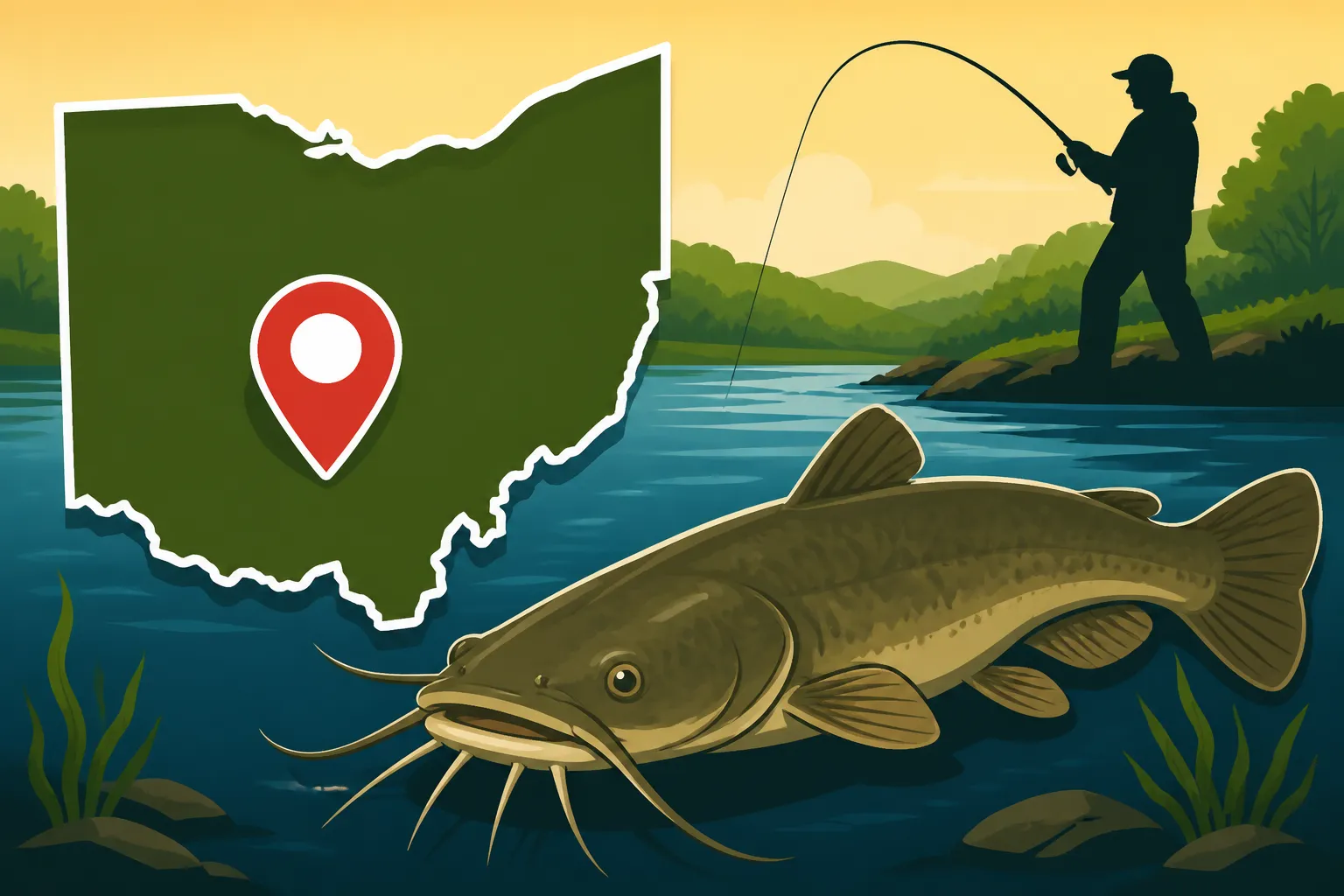
If you're like most anglers, you've probably heard the legendary tales of Ohio's monstrous flathead catfish, but actually tracking them down can feel like a quest for Moby Dick. These whiskered giants are notoriously shy, preferring deep, dark, and often snag-filled hideouts. This guide is all about cutting through the guesswork, showing you exactly where in Ohio you can tangle with these incredible bottom-dwellers, and giving you the best shot at landing a true river monster.
Ohio's Premier River Systems for Flatheads
When it comes to flathead catfish, Ohio's major river systems are undeniably the undisputed champions. These sprawling waterways offer the perfect combination of deep channels, abundant structure, and a robust food supply, which are all crucial for growing those massive, yellow-bellied giants we dream about. You'll find these fish often lurking in current breaks, beneath log jams, or within the deep scour holes created by bridges and dams.
The Mighty Ohio River: A Flathead Paradise
The Ohio River, forming the state's southern border, is arguably the best place in Ohio to hook into a true trophy flathead. Its immense size and complex bottom structure create an ideal habitat. Anglers often target flatheads in the deep pools below the numerous dams, such as those near Meldahl, Markland, and Greenup. These areas create turbulent water that digs out deep holes and collects debris, forming perfect ambush points for flatheads.
Fishing success often comes from anchoring strategically upstream of a promising area and presenting live bait, such as bluegill, shad, or suckers, on the bottom. Remember that flatheads are primarily piscivorous – they love live fish. The current, especially after heavy rains, can be a major factor, requiring heavier weights to keep your bait in the strike zone. If you're new to fishing such a vast river, considering a guided trip found on platforms like FishingBooker can give you a significant advantage, as local experts know the nuances of each pool and eddy. For more detailed information on navigating this magnificent waterway, check out our comprehensive guide on the Ohio River Fishing Guide.
Furthermore, pay close attention to the confluence of tributaries with the Ohio River. Smaller rivers like the Scioto or Muskingum dumping into the main stem often create significant current breaks and nutrient-rich waters that attract baitfish, and consequently, flatheads. Targeting the edges of these inflows where the water transitions from fast to slow can be incredibly productive. Night fishing is particularly effective on the Ohio, as flatheads become more active predators under the cloak of darkness.
Muskingum River's Locks and Dams
While not as grand as the Ohio River, the Muskingum River offers some fantastic flathead opportunities, particularly around its historic locks and dams system. These structures, much like those on the Ohio River, create deep scour holes and current breaks that are magnets for flatheads. Areas downstream of Zanesville, McConnelsville, and Lowell are known hotspots. The slower flow between the dams can also make it a bit easier for bank anglers to present baits effectively.
The Muskingum's flatheads thrive on the plentiful forage base, including carp and suckers. Anglers often find success using larger live baits, sometimes up to a pound, to entice these opportunistic predators. Early summer through fall is typically the most productive period, as the water temperatures rise and flatheads become more aggressive. Always be mindful of navigation rules around the locks and dams, and respect private property when accessing the river.
One of the unique aspects of fishing the Muskingum is the chance to explore different stretches, each with its own character. Some areas are more suited to boat fishing, allowing you to access remote snags and deep holes, while others provide excellent bank access. Before you head out, make sure you're up to speed on the Ohio Fishing Regulations Every Angler Should Know and always have your Ohio Fishing License Guide for Residents and Nonresidents in order.
Scioto River's Urban and Rural Flatheads
The Scioto River winds its way through both rural landscapes and the heart of Columbus, offering diverse flathead opportunities. In the more rural stretches, especially south of Columbus, the river provides extensive natural structure like fallen trees, undercut banks, and gravel bars. These quieter sections can hold some impressive fish for those willing to explore.
Within Columbus, the Scioto River can be surprisingly productive, particularly in areas where bridge pilings and urban infrastructure create deep pockets and current eddies. These spots often concentrate baitfish and provide excellent cover for flatheads. The key here is often identifying structure that breaks the current and offers a dark, secluded lie. Just remember, while it's tempting to think urban fishing is easy, these fish can be pressured, making stealth and presentation even more important. Understanding the subtle differences in their feeding habits and habitat will greatly increase your chances of success.
Regardless of where you fish on the Scioto, targeting those deep, slow-moving pools adjacent to faster currents is a solid strategy. Many anglers find the stretch around Griggs Reservoir spillway or areas further downstream to be particularly fruitful. Live bait, as always, is king for flatheads. If you are ever unsure of what bait to use, remember that the best bait for Ohio catfish often varies by location and time of year.
Key Reservoirs and Lakes Holding Flathead Catfish
While rivers are often the first thought for flatheads, Ohio also boasts some fantastic reservoirs and large lakes that support healthy populations of these impressive fish. These impoundments can offer different angling challenges and rewards, often requiring a boat to access the best offshore structure.
Clendening Lake: Known for Big Flatheads
Clendening Lake, nestled in Harrison County, is famous for its massive flathead catfish. The lake's irregular bottom contour, deep channels, and abundant submerged timber make it an ideal home for these elusive giants. Anglers frequently report pulling out fish weighing 30 pounds or more, with some exceeding the 50-pound mark. If you want to know How Big Flathead Catfish Get at Clendening Lake, suffice it to say, they get big.
The key to success at Clendening often lies in locating those areas with dense underwater cover, such as old submerged tree lines or deep brush piles. Flatheads here will hold tight to this structure, waiting to ambush unsuspecting prey. Sonar and GPS are invaluable tools for identifying these hidden sanctuaries. Fishing near creek channels that wind through the lake's depths can also be highly productive, especially during periods of higher fish activity.
Many serious flathead anglers at Clendening focus their efforts during the late spring and summer months when water temperatures encourage flatheads to feed aggressively. Night fishing from a boat, often anchoring near prime structure and deploying multiple lines with large live baits, is a popular and effective tactic. Persistence is key at Clendening; these are not easy fish, but the reward is often a personal best.
Piedmont Lake: Another Trophy Hotspot
Just like its neighbor Clendening, Piedmont Lake in Belmont, Guernsey, and Harrison counties is another top-tier destination for trophy flathead catfish. This lake shares many characteristics with Clendening, including deep water, extensive submerged timber, and a strong forage base. It's not uncommon for anglers to target flatheads and Muskie in the same waters, as both prefer similar types of structure.
Anglers targeting flatheads at Piedmont should focus on the lake's deeper basins and creek channels, particularly where they intersect with heavy cover. Points and humps that drop off into deep water are also prime locations, as flatheads will patrol these areas looking for food. The extensive amount of standing timber in Piedmont provides countless hiding spots, so don't be afraid to move around until you locate active fish.
Similar to other flathead destinations, live bait is almost always the preferred choice. Large shiners, bluegill, or suckers are excellent options. Due to the dense cover, heavy tackle is a must to prevent being broken off. Think stout rods, heavy braid, and strong leaders. The challenge of navigating the cover and battling a powerful flathead in these conditions is what draws many dedicated anglers to Piedmont.
Other Promising Lakes and Reservoirs
While Clendening and Piedmont are arguably the most renowned, several other Ohio lakes and reservoirs can produce flathead catfish, especially for those willing to put in the time. Grand Lake St. Marys, for instance, a large shallow lake, surprisingly holds a decent population of flatheads, often found in its deeper channels or around rip-rap areas.
Tappan Lake, another reservoir in the Muskingum Watershed Conservancy District, also has a reputation for flatheads, often caught by anglers targeting channels and deep structure. Even large reservoirs like Hoover Reservoir near Columbus, primarily known for crappie and saugeye, occasionally give up respectable flatheads, particularly in the deeper, brushier sections of the main lake basin.
The key to finding flatheads in these less-heralded locations is scouting. Use your electronics to find deep water, significant structure, or strong drop-offs. Look for areas with a good population of baitfish. Many local bait shops can also provide invaluable up-to-date information on where the catfish are biting. Don't underestimate the potential of any large, deep body of water in Ohio, especially if it has a good supply of rough fish for flatheads to feed on.
Strategic Fishing for Ohio Flatheads
Catching flatheads isn't just about showing up; it's about understanding their behavior, their preferred habitats, and employing the right techniques. These fish are masters of ambush and often require patience and specific strategies.
The Importance of Structure and Current
Flathead catfish are creatures of structure. They love to hide in places where they can remain unseen, allowing them to ambush prey. This means targeting submerged logs, massive root wads, rock piles, bridge pilings, and deep, undercut banks. On rivers, current breaks are absolutely vital. Look for eddies behind islands, points, or any obstruction that creates a calm spot in the flow. These areas offer flatheads a place to rest out of the current while still being close to passing food.
In lakes and reservoirs, structure means submerged timber, old creek channels, and significant depth changes. A good fish finder is an essential tool for locating these underwater features. Don't just motor over a spot; truly study your sonar to understand the bottom contour and identify potential flathead lies. Remembering that flatheads are territorial, once you find one in a particular piece of structure, there's a good chance others will use similar spots nearby.
When anchoring, try to position your boat so you can cast your bait into the "strike zone" – typically right on the edge of the current break or directly adjacent to the cover. This often means being within feet of heavy snags, so be prepared for a fight once you hook up! You'll also want to familiarize yourself with the Ohio Catfish Fishing Techniques for different scenarios.
Optimal Time and Bait Choices
Flathead catfish are most active from late spring through early fall, with peak activity usually occurring during the warmer summer months. Night fishing is a universally recommended tactic, as flatheads are nocturnal predators. They'll venture out of their cover to hunt more actively under the cover of darkness. Many of the biggest flatheads are caught between sunset and sunrise.
When it comes to bait, forget stink baits or cut baits; flatheads prefer live, struggling prey. The best options are typically local forage fish that are legal to use as bait. In Ohio, this often includes bluegill, sunfish, shad, or suckers. The size of your bait should match the size of the flathead you're targeting – for trophy fish, use baits that are 6-10 inches long, or even larger. These larger baits might deter smaller fish, but they're exactly what a monster flathead is looking for.
| Location | Best Season | Prime Habitats | Optimal Baits | Key Strategy |
|---|---|---|---|---|
| Ohio River | Summer, Early Fall | Deep pools below dams, log jams, tributary mouths | Live Bluegill, Shad, Suckers | Anchor upstream, cast to current breaks |
| Clendening Lake | Late Spring, Summer | Submerged timber, old creek channels | Live Sunfish, Carp | Locate deep structure with electronics, night fish |
| Muskingum River | Summer | Scour holes near locks/dams, deep bends | Live Shad, Gizzard Shad | Target slower water adjacent to current |
| Scioto River | Summer, Early Fall | Urban bridge pilings, rural log jams | Live Bluegill, Larger Minnows | Focus on current breaks and deep cover, especially at night |
| Piedmont Lake | Late Spring, Summer | Dense submerged timber, deep ledges | Live Sunfish, Large Shiners | Heavy tackle for heavy cover, patient pursuit |
Gear and Techniques for Flatheads
Given their size and power, flathead catfish demand robust tackle. You'll want a heavy-action rod, at least 7-8 feet long, paired with a stout baitcasting reel capable of holding 60-100 lb braided line. A strong leader of 80-120 lb monofilament or fluorocarbon is crucial to withstand abrasions from toothy fish and heavy cover. Circle hooks, sized 8/0 to 12/0, are ideal for flatheads as they promote lip-hooking, which is better for the fish if you plan on releasing it, and often results in fewer swallowed hooks.
When fishing heavy current or structure, a sturdy anchoring system is non-negotiable. For river fishing, a secure anchor that can hold your boat firmly in place is critical, especially when setting multiple lines. You might also want to read up on How to Anchor for Catfish on the Ohio River for best practices. Employing a slip sinker rig, where your sinker slides freely above a swivel, allows the fish to pick up the bait without feeling immediate resistance, which can be crucial for these wary fish. A heavy sinker, anywhere from 3 to 8 ounces or more, will be needed to keep your bait pinned to the bottom in strong currents.
Remember, flathead fishing is often a game of patience. You might go hours without a bite, but when that rod doubles over, it's usually a fish of a lifetime. Always handle large flatheads with care, especially if you plan to release them, to ensure they can fight another day.
Disclaimer
Fishing regulations, including license requirements, bag limits, and season dates, can change. Always consult the latest Ohio Department of Natural Resources (ODNR) fishing regulations booklet or their official website before heading out. This content is for informational purposes only and does not constitute professional advice.