Grand River Steelhead Fishing in Ohio
The thrill of chasing steelhead in Ohio's rivers is an experience unlike any other, but for many anglers, the Grand River can feel like a formidable challenge. Its often unpredictable flows and vast stretches can leave you scratching your head, wondering where the fish are hiding or which technique will finally entice a bite. This guide is here to unravel those mysteries, providing you with a deep dive into successfully navigating the Grand River for these magnificent chrome-bright fish, from understanding their movements to mastering the best techniques.
Understanding the Grand River Steelhead Fishery
The Grand River, a cornerstone of Ohio's "Steelhead Alley," offers incredible opportunities for anglers. However, it's a dynamic system, and understanding its unique characteristics is key to unlocking its potential.
The Grand River's Unique Characteristics
The Grand River is one of the larger Lake Erie tributaries in Ohio, known for its extensive watershed and varied bottom structure. Unlike some of the smaller, shallower streams, the Grand can hold a significant volume of water, especially after heavy rains, which often dictates where steelhead will hold. You'll find a mix of deeper pools, swift runs, rocky riffles, and plenty of woody debris (logjams and fallen trees) that provide excellent cover for steelhead. The river flows through several different landscapes, from agricultural areas to more wooded, natural stretches, which contributes to its variable water clarity. After significant rain, it can turn quite murky, clearing up as the flow subsides. Water temperature is another critical factor; steelhead are cold-water fish, and their activity levels are highly dependent on the river's chill. Anglers often find success when temperatures are in the 38-45°F range. Learning to read these diverse sections and adjust your approach accordingly is vital.
When Steelhead Run the Grand River
Steelhead in the Grand River follow a fairly predictable, yet rainfall-dependent, migration pattern, offering anglers opportunities across multiple seasons. Understanding these windows is crucial for timing your trips.
- Fall Run (Late September – December): This is often the first major push of fresh steelhead from Lake Erie. As soon as cooler weather arrives and the river sees its first significant bumps in water flow from autumn rains, the steelhead respond. These early fish are typically aggressive and focused on feeding as they stage in the lower river sections. They're often bright chrome and full of fight. This run continues until ice forms, with more fish entering the river on each fresh wave of rain.
- Winter Steelhead (December – March): Once truly cold weather sets in, and especially if ice forms along the banks or in slower pools, the fishing can become tougher but incredibly rewarding. Winter steelhead are less active, often holding in deeper, slower pools where they expend less energy. They become more subtle biters, requiring a delicate presentation. However, a mid-winter thaws or a sudden warm rain can bring a surge of new fish into the river, temporarily revitalizing the bite. Ice fishing isn't typically feasible on the main river due to current, but some backwater areas or slow pools might offer opportunities.
- Spring Run (March – May): This is arguably the most popular time to target Grand River steelhead. As water temperatures rise into the mid-40s and higher, steelhead begin their spawning rituals. Many fish that overwintered in the river become active, and new waves of chromers push in from the lake, eager to spawn. The fishing can be fast and furious, especially right before, during, and after spawning activity. Post-spawn "drop-backs" — fish returning to Lake Erie — also offer great action as they feed heavily to regain strength. For more detailed insights, you might find our guide on when Ohio steelhead runs start particularly helpful.
Steelhead Behavior and Diet in the Grand River
When steelhead enter the Grand River from Lake Erie, their primary drive shifts from purely feeding to reproduction. However, they remain opportunistic feeders, especially the pre-spawn and post-spawn fish. Initially, they're cruising in from the lake, often holding in the lower river sections, sometimes referred to as "staging" areas, adjusting to the freshwater environment. As they move upstream, they seek out holding water – places where they can rest, conserve energy, and remain hidden from predators. This typically means deeper pools, the slower seams next to fast currents, behind large boulders, or beneath logjams and undercut banks.
While actively spawning, they’ll be found in shallower, gravelly riffles. After spawning, they drop back downstream, feeding heavily to recover their strength before returning to the lake. Their diet in the river primarily consists of what's readily available and easy to consume. This includes small aquatic insects (nymphs, larvae), drifting fish eggs (especially those of other spawning steelhead), small baitfish, and worms washed in by rain. They're not always aggressively hunting, which is why presenting a bait or fly directly in their strike zone is so crucial. Understanding their behavior and what they're likely to be keying in on will significantly improve your chances. If you're curious about what these powerful fish eat, check out our piece on Steelhead Trout Diet and Feeding Habits.
Essential Gear and Techniques for Grand River Steelhead
Successfully targeting Grand River steelhead requires a specific approach to gear and technique. The river's varying conditions demand versatility, so let's break down what you'll need.
Rods, Reels, and Line Selection
Choosing the right setup for steelhead on the Grand River is paramount. These fish are powerful, and the river itself can be unforgiving.
- Rods: For float fishing or drift fishing, a longer rod is a huge advantage. Look for spinning rods in the 9-foot to 11-foot range, with a medium-light to medium power and a fast action. The extra length helps with line control, mending line over complex currents, and absorbing the shock of a hard-fighting fish. If you prefer casting lures, an 8-foot to 9-foot medium-light rod will suffice. Centerpin setups, while specialized, are also highly effective on the Grand, typically paired with 11-foot to 13-foot float rods for maximum drift control.
- Reels: For spinning setups, a high-quality 2500-4000 series reel with a smooth drag is essential. Steelhead will make powerful runs, and a sticky drag can lead to broken lines. If you're going the centerpin route, the reel itself is designed for frictionless line release, allowing for perfect, long drifts.
- Line: Your main line should typically be 8-10 lb monofilament or braided line. Many anglers prefer mono for its stretch, which acts as a shock absorber, especially with violent head shakes. If using braid, a fluorocarbon leader is absolutely critical for its invisibility and abrasion resistance. A 6-8 lb fluorocarbon leader is standard, but you might drop down to 4 lb in very clear, low-water conditions, or bump up to 10 lb in heavy cover or murky water. Remember, these fish have excellent eyesight, so presentation and leader stealth are key. For more on line choices, consider exploring Best Line Weight for Ohio Steelhead Fishing.
Popular Baits, Lures, and Flies
Steelhead on the Grand River can be finicky, so having a diverse arsenal of offerings is a smart move.
- Baits:
- Roe Bags: Hands down, one of the most consistent steelhead baits. Small mesh bags (dime to nickel size) filled with cured salmon or steelhead eggs are irresistible. The scent and natural appearance are a powerful combination.
- Worms and Maggots: Small segments of nightcrawlers, wax worms, or spikes can be deadly, especially in colder water or after rain events when natural forage is washed into the river.
- Minnows: Live or salted emerald shiners or fathead minnows can be very effective, especially for more aggressive fish.
- For general bait strategies, our guide on Best Bait for Stocked Rainbow Trout in Ohio offers good foundational knowledge that applies to steelhead.
- Lures:
- Spoons: Classic steelhead spoons like Little Cleos, KO Wobblers, and locally popular colors (chartreuse, orange, silver/blue) can be cast and retrieved through runs or swung through pools.
- Spinners: In-line spinners from brands like Mepps or Panther Martin (sizes #2-4) can be surprisingly effective, especially for active fish in moderate current.
- Stickbaits: Smaller floating or suspending stickbaits (Rapala Husky Jerks, Yo-Zuri Pin's Minnows) are excellent for targeting fish in slower pools or when searching large sections of water.
- Flies:
- Egg Patterns: Tied to mimic natural fish eggs, these are incredibly productive, especially during and after spawning.
- Nymphs: Stonefly nymphs (Pat's Rubber Legs), caddis larvae, and mayfly nymphs (Prince Nymph, Hare's Ear) imitate the river's insect life.
- Streamers: Woolly Buggers (black, olive, white) or sculpin imitations can entice an aggressive take, especially from larger fish.
- If you're delving into the world of fly fishing for these magnificent fish, take a look at our article on Best Fly Patterns for Ohio Steelhead.
Effective Fishing Techniques
The Grand River's varied structure and current demand a flexible approach to techniques.
- Float Fishing (Drift Fishing with a Bobber): This is arguably the most popular and effective technique on the Grand River. A float (often a large, buoyant slip float) suspends your bait or fly at a precise depth, allowing it to drift naturally with the current. This method is incredibly versatile, letting you cover various depths and current speeds. The key is to match your float's buoyancy to your weight (split shot, pencil lead, or slinky weight) so it barely stays afloat, providing maximum sensitivity to even the most subtle bites. This technique allows you to present your offering in the strike zone for extended periods, making it ideal for lethargic winter fish or covering complex runs.
- Bottom Bouncing/Drift Fishing: For situations where fish are holding tight to the bottom in faster currents, bottom bouncing can be highly effective. This involves using a heavier weight (pencil lead or a slinky weight) to tick the bottom as your bait or lure drifts downstream. The goal is to keep your offering in the strike zone without snagging too frequently. This is particularly useful when fish are hugging the bottom in deep runs or behind current breaks.
- Casting Lures: Spoons, spinners, and stickbaits can be cast across or slightly upstream into runs and retrieved with a slow, steady pace. Experiment with different retrieve speeds and depths. In deeper pools, allow spoons to flutter down before beginning your retrieve. For specific lure casting strategies, our guide on Casting Techniques for Steelhead provides excellent tips.
- Fly Fishing:
- Nymphing: Using weighted nymphs or egg patterns under an indicator to drift through runs and pools, much like float fishing but with specialized fly gear. This is incredibly effective when fish are feeding on subsurface insects or eggs.
- Swinging Streamers: Casting streamers across the current and allowing them to swing downstream on a tight line can provoke aggressive strikes from larger, more predatory steelhead. This technique covers a lot of water and is particularly exciting when a fish slams the fly.
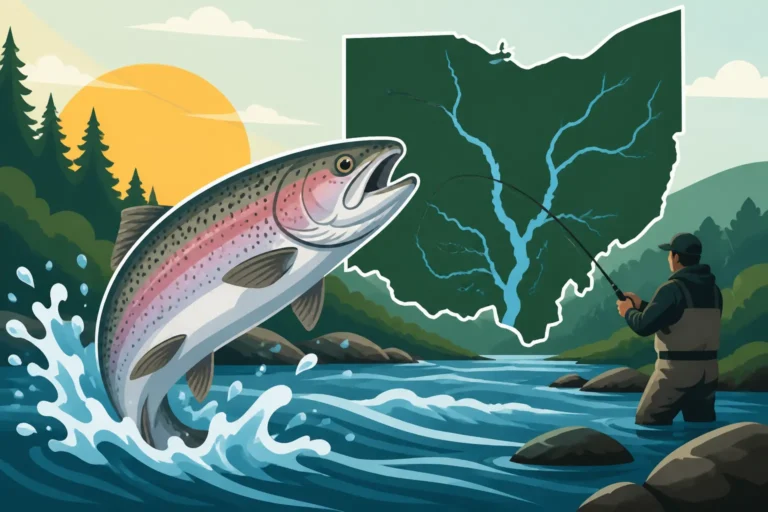
- Wade Fishing: Most Grand River steelhead fishing is done by wading. You'll need good quality waders and studded boots for traction on slippery rocks. Always use a wading staff for safety, especially in unknown waters or swift currents. Knowing how to safely and effectively navigate the river will open up many more fishing opportunities.
Accessing the Grand River and Important Considerations
Getting to the fish on the Grand River involves knowing the access points, reading the water correctly, and always prioritizing safety and adherence to regulations.
Public Access Points and Prime Fishing Locations
The Grand River boasts numerous public access points, primarily managed by Lake Metroparks and the Ohio Department of Natural Resources (ODNR). This makes it relatively accessible, but knowing where to go can save you a lot of time and effort.
- Lake Metroparks Grand River Greenway: This extensive park system offers several access points along the river, particularly popular are the areas around Harpersfield Covered Bridge MetroPark and Hogback Ridge Park. These sections often have designated parking and trail access to the riverbank. You'll find a mix of riffles, runs, and deeper pools throughout these stretches.
- Red Creek Park: Located closer to the lake, Red Creek is a key access point during the early fall and late spring runs, as fish stage and enter/exit the river. It's often crowded, but for good reason – it's where many of the fresh fish first encounter anglers.
- Ohio Department of Natural Resources (ODNR) Access Areas: The ODNR maintains various access sites, often providing boat launches (for smaller craft like kayaks or drift boats, though motorboats are limited due to river conditions) and bank fishing opportunities further upstream. Look for these areas on official ODNR maps.
- Wade vs. Bank Fishing: While many areas offer good bank fishing, the most productive steelhead fishing often requires wading to reach prime holding water. Always be mindful of private property signs and respect landowners' rights. The Grand River is vast, and exploring different sections is part of the adventure. For an idea of how similar river systems are approached, you might look into Rocky River Steelhead Fishing Access Points.
Reading Water and Safety Tips
Understanding where steelhead hold and how to safely navigate the river are crucial skills.
- Reading Water: Steelhead are looking for places to rest, hide, and ambush food. Look for:
- Deep Pools: Especially in winter, fish will stack up in the deepest, slowest sections to conserve energy.
- Seams: The transition zones where fast water meets slow water are prime feeding lanes. Fish will sit in the slower water, waiting for food to drift by.
- Current Breaks: Anything that breaks the current, like large boulders, fallen trees (logjams), or changes in the riverbed, creates a comfortable resting spot.
- Undercut Banks: These provide overhead cover and often deeper water, making them excellent hiding spots.
- Riffles: Spawning fish will be in shallower, gravelly riffles, especially in spring.
- Water Clarity: During high, muddy water, fish will often push closer to the banks. As the water clears and drops, they'll spread out more into the main channels. A good pair of polarized sunglasses will help you spot subtle changes in depth and structure beneath the surface.
- Safety Tips:
- Wading Staff: Absolutely essential for probing depth and maintaining balance on slippery, uneven riverbeds.
- Studded Boots: Felt soles or rubber soles with studs provide superior traction on wet rocks.
- Never Fish Alone: Especially when wading, having a buddy can be a lifesaver in case of a fall or other emergency.
- Check Water Levels: Before heading out, always check the USGS stream gauges for the Grand River. High, fast water is dangerous to wade and often unproductive for fishing. Knowing What Flow Is Too High to Fish Ohio Steelhead Rivers is vital for safety and success.
- Dress in Layers: Ohio weather is notoriously fickle. Be prepared for sudden drops in temperature, rain, or even snow, regardless of the forecast. Waterproof outer layers are a must.
- Cell Service: Be aware that cell service can be spotty in some remote areas along the river.
Regulations and Ethical Angling
Being a responsible angler means understanding and adhering to all Ohio fishing regulations and practicing ethical angling.
- Fishing License: Every angler aged 16 and older needs a valid Ohio fishing license. You can purchase these online, at various bait and tackle shops, or through the ODNR's website. If you're wondering about the specifics, our Ohio Fishing License Guide for Residents and Nonresidents provides all the details you'll need.
- Steelhead Regulations: Always consult the current Ohio Fishing Regulations booklet, available online or at license vendors. Steelhead regulations typically include daily bag limits and minimum size limits. These can change annually, so staying updated is crucial.
- Catch and Release: Many steelhead anglers practice catch and release, especially for non-spawning or smaller fish, to help sustain the fishery. If you plan to release fish:
- Use barbless hooks or crimp down the barbs on your hooks to facilitate easier, less damaging releases.
- Minimize handling time. Keep the fish in the water as much as possible.
- Use a rubberized landing net, which is gentler on a fish's slime coat and fins than knotted nylon.
- Support the fish horizontally. Avoid holding it vertically by the jaw.
- Revive the fish by holding it gently in the current until it can swim away strongly on its own.
- Respect Private Property: Public access is a privilege. Stay on designated public lands and respect all private property boundaries. Leaving no trace, packing out all your trash, and being courteous to fellow anglers are all part of the ethical angling code. For a complete breakdown of what's expected, our article on Ohio Fishing Regulations Every Angler Should Know is an invaluable resource.
Finding a Guide for the Grand River
While the Grand River offers plenty of public access and opportunities for DIY anglers, many find immense value in hiring a local guide, especially if they're new to the river or steelhead fishing. A seasoned guide brings years of experience, knowing the river's ever-changing moods, the prime holding spots for specific conditions, and the most effective techniques for that particular day. They provide specialized gear, drift boats or kayaks for better access, and invaluable instruction on reading water, casting, and fighting these powerful fish.
If you're considering a guided trip, platforms like FishingBooker can be an excellent resource. They allow you to browse and compare local Ohio steelhead guides who specialize in the Grand River, read reviews from other anglers, and book trips directly. Whether you're a beginner looking for an introduction to steelhead fishing or an experienced angler wanting to learn new sections of the river, a guide can significantly shorten the learning curve and increase your chances of success. Explore options for Ohio Steelhead Guide Services to find the perfect fit for your next adventure.
| Season | Best Timeframe | Typical Water Conditions | Steelhead Behavior | Recommended Techniques | Key Baits/Lures |
|---|---|---|---|---|---|
| Fall | Late Sept – Dec | Rising flows, cooling temps, can be clear to murky | Aggressive, feeding, entering river | Float fishing, casting lures | Roe bags, spoons, spinners |
| Winter | Dec – March | Cold, low flows, clearer, potential for ice | Lethargic, holding deep, subtle bites | Slow float fishing, bottom bouncing | Roe bags, wax worms, small nymphs |
| Spring | March – May | Rising temps, fluctuating flows, spawning | Active, spawning, post-spawn feeding | Float fishing, nymphing, casting | Roe bags, egg patterns, streamers |
Disclaimer
Fishing conditions, regulations, and access points can change. Always check the latest Ohio Department of Natural Resources (ODNR) regulations and local conditions before heading out on any fishing trip. Safety should always be your top priority.