Conneaut Creek Steelhead Fishing
For many anglers, the thought of landing a powerful, acrobatic steelhead is the stuff of dreams. Yet, navigating the numerous tributaries that feed Lake Erie and understanding their unique personalities can be daunting. You might find yourself wondering which river to hit, when to go, and what gear to even bother packing. Well, look no further: Conneaut Creek, nestled in the far reaches of Ohio's Ashtabula County, holds some truly spectacular steelhead opportunities, and this guide is designed to cut through the confusion and get you on the fish.
The Undeniable Allure of Conneaut Creek for Steelhead Anglers
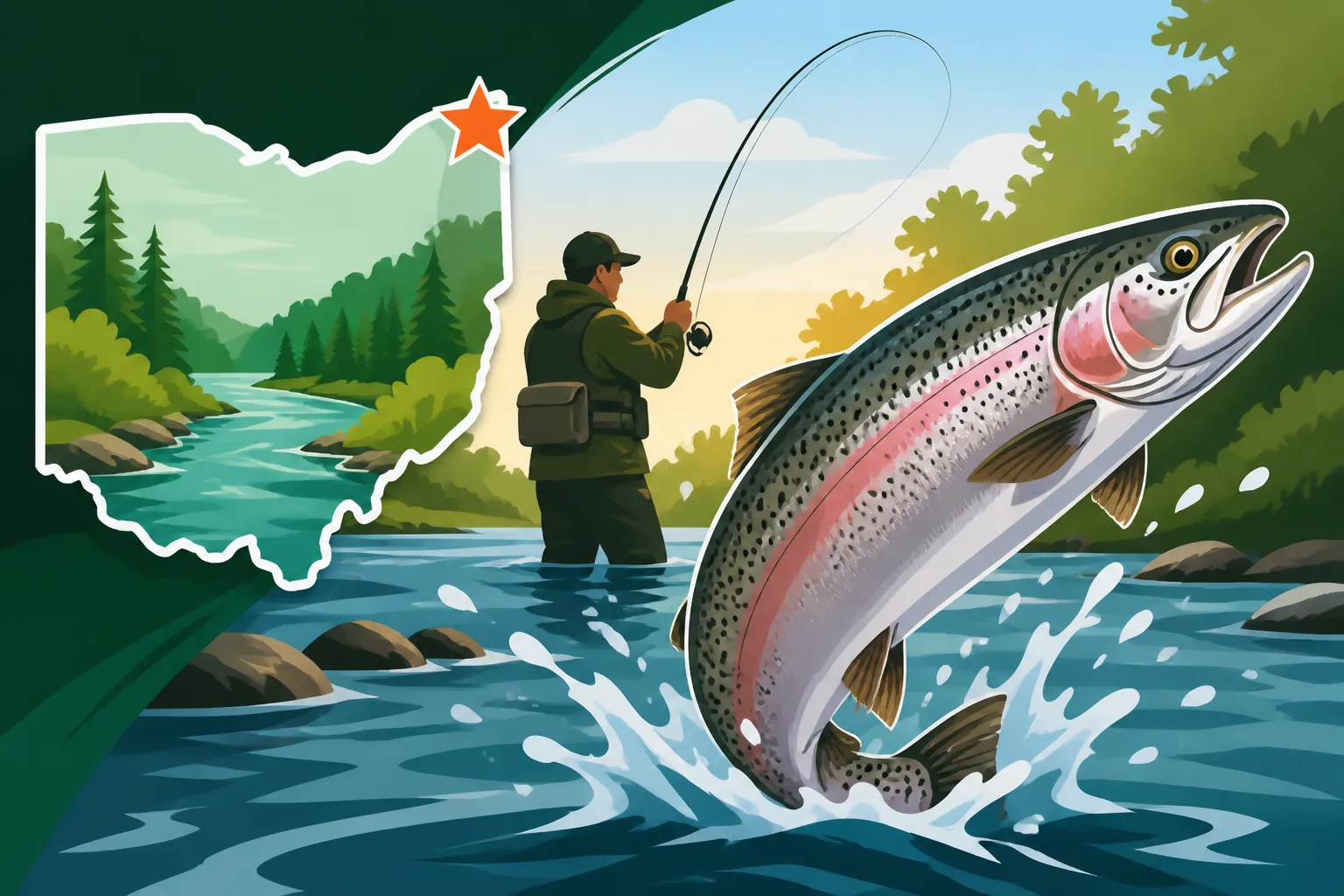
Conneaut Creek isn't just another steelhead stream; it’s a jewel among Ohio’s Lake Erie tributaries, renowned for its consistent runs and challenging, yet deeply rewarding, fishing. As the easternmost significant steelhead stream in Ohio, it often sees earlier runs of fish in the fall and can hold them longer into the spring, sometimes making it a prime destination when other rivers are blown out or slower.
Why Conneaut Stands Out in "Steelhead Alley"
Conneaut Creek is a significant part of what anglers affectionately call "Steelhead Alley: Where It Is and What It Means". Unlike some of its western counterparts that might experience heavier fishing pressure, Conneaut tends to offer a slightly more secluded experience, especially if you're willing to walk a bit. Its watershed is less developed, leading to generally cleaner water, which is a huge draw for these sensitive fish. The creek bed itself is a beautiful mix of shale, gravel, and larger rocks, creating diverse habitats. You'll find everything from shallow, oxygenated riffles where steelhead might stage, to deep, dark pools where they hold and rest, and swift runs that funnel them upstream. This varied topography means the fish have plenty of places to hide, making the hunt exhilarating. The presence of numerous logjams and undercut banks further enhances the habitat, providing critical cover and ambush points for steelhead.
The Lifecycle of Conneaut's Steelhead
The steelhead in Conneaut Creek are Lake Erie-run rainbow trout, meaning they spend most of their lives growing large in the abundant waters of Lake Erie before migrating into the creek to spawn. These migrations are triggered by changes in water temperature and flow, typically starting in late September or early October. These early "fall-run" fish are often aggressive and strong, fresh from the lake. As winter sets in, the fishing can become tougher but equally rewarding, with hardy anglers targeting holding fish in deeper, slower pools. The main event, however, often kicks off in late February and March, as When Ohio Steelhead Runs Start into full swing. These "spring-run" fish, along with the "drop-backs" (fish returning to the lake after spawning), offer some of the most consistent action of the year. Understanding this migratory pattern is key to timing your trip and maximizing your chances.
Navigating Conneaut Creek: Access Points and Challenges
Getting to the fish on Conneaut Creek requires a bit of planning and a willingness to explore. While there are designated public access points, much of the best fishing often involves walking away from the crowds and finding those hidden bends and pools.
Key Public Access Areas and Walk-In Fishing
The Ohio Department of Natural Resources (ODNR) manages several crucial access points along Conneaut Creek. One of the most popular is the Conneaut Creek Wildlife Area, which offers parking and pathways to various stretches of the stream. Other public easements and state land parcels also provide access, though they might require a bit more legwork to locate. It’s always a good idea to consult current ODNR maps before heading out to ensure you’re on public land or have permission to access private property.
Most fishing on Conneaut Creek is done by wading. Proper wading gear – sturdy waders, felt-soled or studded wading boots, and a wading staff – is absolutely essential. The bottom can be slippery, and the current, especially after a fresh rain, can be surprisingly strong. Be prepared for steep banks in some areas and for covering significant distances on foot to reach less pressured water. Unlike some wider, more navigable rivers, Conneaut Creek is often too challenging for consistent drift boat or kayak fishing due to shallow stretches, rapids, and frequent logjams that necessitate portaging. Focusing on walk-in wading will be your most effective strategy here.
Respecting Private Property and Local Regulations
Conneaut Creek flows through a mix of public and private lands. Always be mindful and respectful of private property. Look for "No Trespassing" signs and avoid accessing the creek through private holdings without explicit permission. A general rule of thumb in Ohio is that anglers can wade in navigable streams, but accessing the stream via private land without permission is trespassing.
Beyond access, it's crucial to be aware of the Ohio Fishing Regulations Every Angler Should Know. Steelhead often have specific size and bag limits, and understanding these rules is not just about avoiding fines; it’s about responsible stewardship of this precious fishery. Additionally, be aware of rules regarding How Many Fishing Lines You Can Use in Ohio to ensure you're in compliance.
Essential Techniques and Lures for Conneaut Steelhead
Steelhead fishing on Conneaut Creek demands a versatile approach. These fish can be finicky, and conditions can change rapidly, so having a few different techniques in your arsenal will greatly increase your chances of success.
Mastering the Art of Float Fishing
Float fishing, or "indicator fishing," is arguably the most popular and effective method for steelhead on Conneaut Creek. It involves using a bobber (or indicator) to suspend your bait or lure at a precise depth, allowing it to drift naturally with the current. This technique is particularly effective in runs, seams, and deeper pools where steelhead hold.
- Bait Selection: Natural baits like salmon eggs (often presented in spawn sacs), live or cured minnows, and nightcrawlers are highly effective. For artificials, small soft plastic beads that imitate salmon eggs, tiny jigs (like marabou jigs or small leadhead jigs tipped with maggots or waxworms), and small plastic worms are go-to choices. When considering What Steelhead Trout Eat in Lake Erie Tributaries, these natural and imitative presentations are often irresistible.
- Rigging: A standard float fishing rig typically consists of a float, split shot to balance the float and get your bait down quickly, and a small, sharp hook (size 8-12 is common). Use a fluorocarbon leader of 4-8 lb test, which is nearly invisible in the water and abrasion-resistant against rocks and fish teeth. Choosing the Right Ohio Fishing Line is paramount, as presentation is everything in clear steelhead water.
Spinning and Fly Fishing Approaches
For those who prefer a more active presentation, spinning gear can be highly productive. Spoons like the Little Cleo, Krocodile, or Castmaster, in weights from 1/4 to 3/8 ounce, are excellent for casting into runs and retrieving. Inline spinners such as Rooster Tails or Mepps Aglias, especially in brighter colors or those mimicking baitfish, can also trigger aggressive strikes. Small crankbaits designed for trout or stream fishing can be effective in deeper pools or slow runs. Casting Techniques for Steelhead will focus on accuracy and stealth, especially when approaching wary fish.
Fly anglers will find Conneaut Creek a challenging but incredibly rewarding destination. Nymphing is often the most effective method, using stonefly nymphs, egg patterns, and caddis larvae imitations. Swinging streamers, such as Woolly Buggers or articulated patterns, can also entice larger, more aggressive fish, particularly in higher, off-color water.
Timing Your Trip and Reading Water Conditions
Steelhead fishing success hinges heavily on timing and understanding the creek's temperament. Conneaut Creek, like all steelhead rivers, is highly sensitive to changes in weather and water conditions.
Best Seasons and Their Nuances
- Fall (October-November): The first pushes of lake-run steelhead enter the creek. These fish are often vibrant, strong, and eager to bite. Early fall can offer beautiful weather, but as the season progresses, be prepared for colder temperatures and potentially higher, colder water.
- Winter (December-February): This is the season for dedicated anglers. Fishing can be slow, but when conditions are right, you can find concentrated pods of fish in deep, slow pools. Ice can be a factor, making access and fishing difficult, but mild thaws can trigger mini-runs.
- Spring (March-May): The peak of the steelhead run. As snowmelt and spring rains swell the creek, huge numbers of fish migrate upstream to spawn. This is when you'll find both fresh fish and "drop-backs" heading back to the lake. The window for prime spring fishing can be short and intense, so staying flexible is key.
The Critical Role of Water Levels and Clarity
Water levels and clarity are perhaps the most crucial factors when planning a Conneaut Creek steelhead trip.
- High and Muddy Water: After heavy rains or significant snowmelt, the creek can become high and muddy, making fishing nearly impossible. While Best Time to Fish for Steelhead After Rain can be immediately after a slight bump, too much color or flow will shut down the bite. Use resources like USGS stream gauges to monitor flows. As a rule of thumb, if you can't see the bottom in knee-deep water, it might be too muddy. Our guide on How to Tell If a River Is Too Muddy for Steelhead delves deeper into this often-frustrating scenario.
- Low and Clear Water: While beautiful, low and clear conditions make steelhead extremely wary. Stealth becomes paramount. Use lighter leaders, smaller baits, and approach pools carefully to avoid spooking fish.
- Ideal Conditions: The sweet spot is often when the creek is slightly elevated and has a "steelhead green" tint – a slight stain that offers fish comfort and allows them to move freely, without being completely blown out. This typically occurs a day or two after a moderate rain event.
Weather's Influence on Steelhead Activity
Beyond water levels, general weather patterns play a significant role. Stable weather with moderate temperatures usually means more consistent fishing. Cold fronts can make fish lethargic and less willing to bite, often pushing them into deeper, slower water. A rising barometer often correlates with increased fish activity, while a falling barometer (indicating approaching foul weather) can make them tougher to catch. Always dress in layers, as weather can change quickly, especially along Lake Erie.
Conneaut Creek Steelhead Fishing at a Glance
To give you a quick overview of what to expect on Conneaut Creek, here's a handy table summarizing key elements:
| Feature | Description |
|---|---|
| Location | Ashtabula County, Northeast Ohio; easternmost major steelhead tributary in the state. |
| Primary Access | ODNR Conneaut Creek Wildlife Area, various public easements. Predominantly walk-in wading. |
| Best Seasons | Fall (Oct-Nov): Early runs, aggressive fish. Winter (Dec-Feb): Tough but rewarding, fish in deep pools. Spring (Mar-May): Peak run, post-spawn drop-backs. |
| Ideal Water | Slightly elevated, "steelhead green" tint. Avoid high, muddy flows or extremely low, clear water. Check USGS stream gauges. |
| Key Techniques | Float fishing with spawn sacs, beads, small jigs. Spin fishing with spoons, inline spinners, small crankbaits. Fly fishing with nymphs, egg patterns, streamers. |
| Recommended Gear | 8.5-10.5 ft medium-light/medium power spinning or casting rod (or 7-9 wt fly rod). 8-10 lb main line, 4-8 lb fluorocarbon leader. Sturdy waders, studded boots, wading staff. |
| Notable Challenges | Steep banks, slippery bottom, private property, quickly changing water conditions, sometimes heavy fishing pressure in accessible spots. |
| Why Fish Here? | Consistent runs, relatively less pressure than some other rivers, diverse holding water, beautiful scenery, strong fighting fish. |
Enhancing Your Conneaut Creek Steelhead Experience
Beyond the basics, there are always ways to refine your approach and make your steelhead adventures even more successful and enjoyable.
Gear and Tackle Specifics for Conneaut's Waters
When it comes to gear, an 8.5 to 10.5-foot medium-light to medium power spinning rod is ideal for float fishing and casting lighter lures. This length allows for better line control and shock absorption when fighting a powerful steelhead. Pair it with a smooth spinning reel spooled with 8-10 pound monofilament or braid, with a fluorocarbon leader of 4-8 pound test. For fly anglers, a 7-9 weight rod, 9-10 feet in length, will handle the heavier flies and larger fish. Check out our detailed guide on Ohio Steelhead Fishing Techniques for more in-depth discussions on gear pairings.
Don't forget the small but mighty details: a good landing net with a rubberized mesh is essential for safely landing and releasing fish, minimizing harm to their protective slime coat. A small tackle box with an assortment of split shot, swivels, extra hooks, and leader material will keep you prepared for changing conditions.
Considering a Guided Trip on Conneaut Creek
If you're new to steelhead fishing or to Conneaut Creek specifically, consider booking a trip with a local guide. They possess invaluable knowledge about current conditions, productive spots, and the specific techniques that are working best at any given time. A guide can accelerate your learning curve significantly. You can often find reputable Ohio Steelhead Fishing Guide Services through platforms like FishingBooker. Searching for "Conneaut Creek steelhead guides" on FishingBooker can connect you with experienced professionals who live and breathe this river. Even for seasoned anglers, a day with a guide can reveal new perspectives and tactics. FishingBooker is a great resource to explore options and book directly, ensuring you're getting a licensed and experienced professional to help you navigate these dynamic waters.
Conneaut Creek offers a truly special steelhead experience for anglers willing to put in the effort. By understanding its unique characteristics, knowing where and when to access its waters, and adapting your techniques to the conditions, you'll be well on your way to hooking into some of Ohio's most exciting game fish.
Disclaimer
Fishing conditions and regulations in Ohio can change. Always consult the latest Ohio Department of Natural Resources (ODNR) fishing regulations before heading out on the water. This guide is for informational purposes only and does not supersede official regulations. Stay safe and always practice responsible angling.