How to Find Public Fishing Ponds in Ohio
Finding a quiet, accessible public fishing pond in Ohio can feel like a treasure hunt sometimes. You just want a peaceful spot to cast a line without trespassing or getting lost in confusing regulations, but knowing where to start looking beyond the big lakes and rivers isn't always obvious. This guide is dedicated to helping you uncover those hidden gems and navigate the resources available to locate prime public fishing ponds across the Buckeye State, making your next outing a stress-free success.
The Allure of Pond Fishing in Ohio
There's something uniquely charming about pond fishing, isn't there? It's often overlooked in favor of the sprawling reservoirs or the legendary waters of Lake Erie, but for many anglers, the humble pond offers an intimate, focused experience that's hard to beat. If you're tired of battling crowds or navigating large bodies of water, a pond might just be your perfect escape.
Why Ponds Are a Great Choice for Anglers
Ponds offer a fantastic entry point for beginners and a serene retreat for seasoned pros. They're typically much easier to access, often requiring just a short walk from a parking area. This accessibility makes them ideal for a quick evening trip after work or a spontaneous weekend outing with the family, especially if you have little ones just learning the ropes. You don't need a boat, expensive gear, or extensive knowledge of complex lake structures. A simple rod and reel, a few basic baits, and you're good to go. The calm, contained environment of a pond also means less wind, fewer waves, and a more predictable fishing experience, allowing you to truly focus on technique and enjoying the moment. You'll often find a good mix of species, too, from feisty largemouth bass to abundant bluegill and crappie, making every cast an exciting possibility. It’s also a great way to introduce someone new to the sport without overwhelming them.
Common Challenges When Seeking Public Ponds
Despite their charm, finding a public fishing pond can be surprisingly tricky. Many smaller ponds are on private land, and accidentally trespassing is a genuine concern nobody wants to deal with. The sheer number of water bodies across Ohio means that information can be fragmented. You might know of a great-looking pond, but unless it's clearly marked as public access, you're left guessing. Furthermore, even if a pond is publicly accessible, specific rules or permits beyond your general Ohio Fishing License Guide for Residents and Nonresidents might apply. For instance, some metropolitan park districts have their own unique regulations or require special daily permits, which can add another layer of confusion. It can be frustrating to drive to a promising spot only to find "No Fishing" signs or realize you need to backtrack for a forgotten permit.
Navigating Official Resources for Public Pond Information
When it comes to official, reliable information about public fishing spots in Ohio, the state and local government agencies are your best friends. They're specifically tasked with managing these resources and providing guidance to ensure sustainable and accessible recreation. Learning to use their tools effectively is the first step in uncovering those fantastic pond fishing opportunities.
The Ohio Department of Natural Resources ODNR Division of Wildlife
The Ohio Department of Natural Resources (ODNR) Division of Wildlife is the ultimate authority for fishing information in Ohio, and their website is a goldmine. Head over to their official portal, and you'll find a wealth of resources dedicated to public fishing access. Look specifically for their "Where to Fish" section or interactive maps. These tools often highlight smaller lakes and ponds that are managed for public fishing, providing details about common species, access points, and sometimes even recent stocking reports. For instance, the ODNR regularly stocks rainbow trout in various ponds across the state, and their website will list the specific locations and dates for these events. You can also download PDF versions of their annual fishing regulations, which sometimes contain maps or lists of specific public access sites that might include ponds. Regularly checking the ODNR site is a smart move before planning any fishing trip, as regulations and stocking schedules are updated annually, ensuring you're always in the know about Ohio Fishing Season Dates and Effective Periods.
Beyond maps, the ODNR also publishes a variety of booklets and brochures. While not always focused exclusively on ponds, these publications often include sections on smaller impoundments and wildlife areas. They also maintain a list of Ohio Wildlife Area Ponds Open to Public Fishing, which are fantastic resources for finding often less-pressured waters. These areas are specifically managed for public recreation, so you can be confident you're fishing legally and responsibly. Don't underestimate the power of a quick phone call to your local ODNR district office either; the staff there are often incredibly knowledgeable and can point you toward lesser-known spots or clarify any specific pond regulations.
County and Metro Park District Resources
While the ODNR handles statewide resources, many excellent public fishing ponds fall under the jurisdiction of local park districts. Ohio is home to a fantastic network of county and metropolitan park systems, many of which maintain their own lakes and ponds for public enjoyment. For example, in Central Ohio, the Columbus and Franklin County Metroparks system manages numerous parks with excellent fishing opportunities, such as Blendon Woods Metropark or Sharon Woods Metropark, both of which feature ponds suitable for bank fishing. Similarly, the Cleveland Metroparks offer several fishing locations, including popular spots like Wallace Lake and Lake Abram.
The key here is to specifically check the website for the park district in the county or region you plan to fish. Look for sections on "Things to Do," "Recreation," or "Fishing." These sites will often have detailed maps, information on specific rules (like motor restrictions, bait limitations, or catch-and-release policies), and even occasional fishing reports from their managed waters. Some even offer specific guidance on Best Metropark Lakes for Fishing Near Columbus or other major cities, making it even easier to narrow down your options. Remember, these local districts might have slightly different rules than statewide ODNR regulations, so it's always best to check their specific guidelines to avoid any surprises.
Utilizing Digital Tools and Communities to Discover Ponds
In today's connected world, a wealth of information about fishing spots is literally at your fingertips. Beyond official government resources, digital tools and online communities can be incredibly effective for pinpointing public fishing ponds, offering insights that might not be found elsewhere.
Online Mapping Services and Fishing Apps
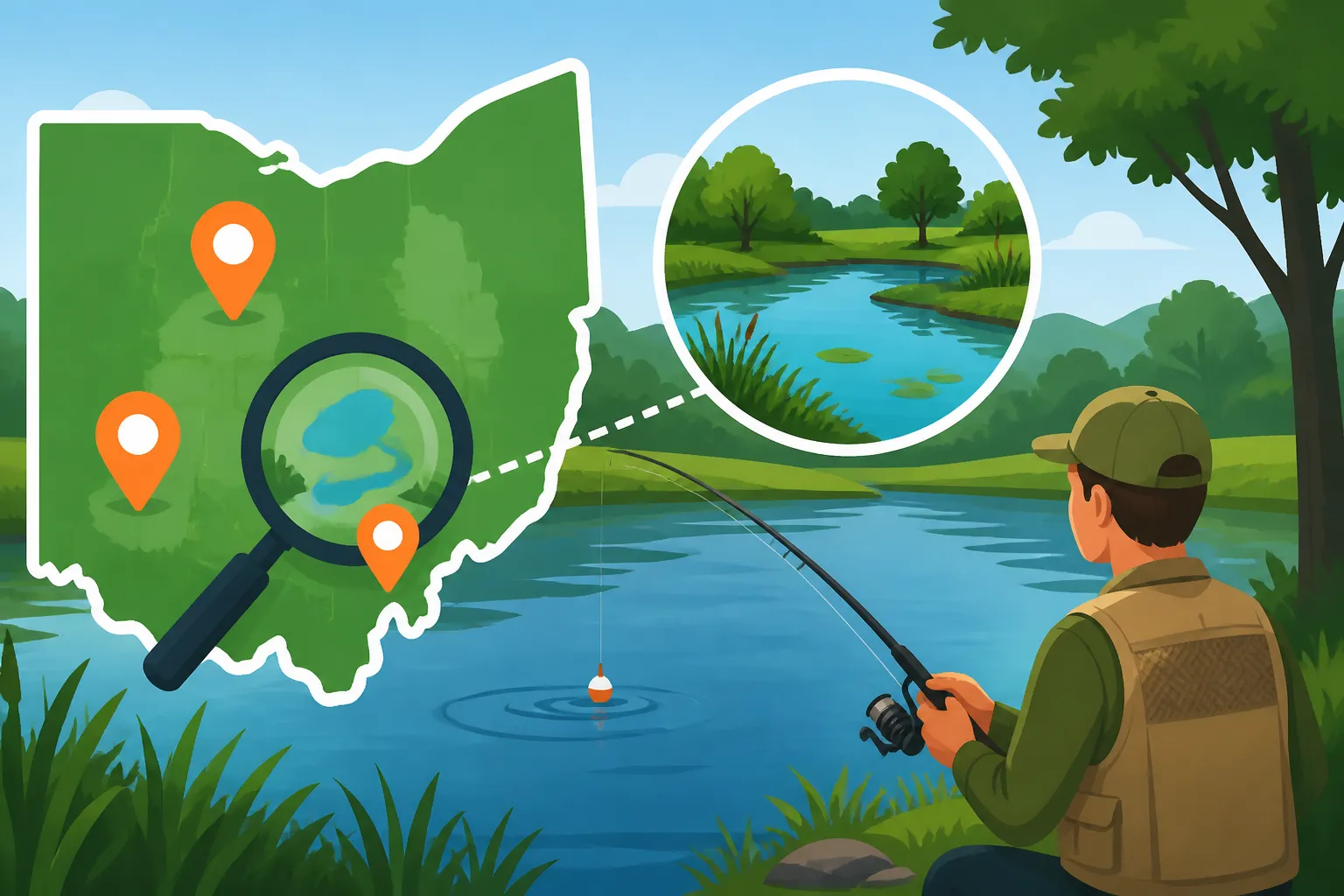
Your favorite mapping application, like Google Maps, can be a surprisingly powerful tool for identifying potential fishing ponds. Start by searching for "parks with fishing," "public lakes," or "fishing access" in your desired area. Once you've identified a body of water, zoom in and look for public access points, parking areas, or even trails leading to the shore. Satellite view can reveal a lot, showing you the shape of the pond, potential bank fishing spots, and surrounding land use. Cross-referencing these visual clues with the official park district websites mentioned earlier can confirm public access.
Beyond general mapping services, several dedicated fishing apps have emerged as invaluable resources for anglers. Apps like Fishbrain, ANGLR, or even the ODNR's own mobile tools often feature user-generated content, including marked fishing spots, catch logs, and even tips on baits and techniques specific to certain ponds. While some information might be for private ponds, many users generously share details about public access points. These apps can be incredibly useful for discovering those lesser-known, smaller waters that might not get highlighted in broader state guides. If you’re looking for a more personalized approach, finding a local guide through platforms like FishingBooker can also lead you to excellent pond fishing. Many guides have intimate knowledge of local public ponds, even if they aren't offering a full "charter" experience, and can sometimes provide tailored advice on where to go. They often know the best local public ponds.
Local Fishing Forums and Social Media Groups
Never underestimate the power of local knowledge and community. Online fishing forums dedicated to Ohio angling, as well as Facebook groups focused on specific regions or even types of fishing (like panfishing or bass fishing), are fantastic places to tap into collective wisdom. These communities are often brimming with passionate anglers who are happy to share their experiences and direct you to public ponds.
When joining these groups, introduce yourself, be respectful, and ask specific questions about public access ponds in a certain area. You might find members willing to share "honey holes" or provide detailed directions to spots you'd never discover on your own. Many times, fellow anglers can provide real-time updates on fishing conditions, recent catches, and any temporary access issues for a particular pond. You can also learn about local regulations or discover new techniques from seasoned anglers. Just remember to always verify any information with official sources if there's any doubt about public access or specific rules, and be mindful of sharing too much precise location data on heavily fished spots to help preserve the quality of the resource. Some of these groups even organize local fishing events or cleanups, providing an excellent opportunity to network and learn more about Ohio's Free Fishing Days and community involvement.
Understanding Access and Regulations for Pond Fishing
Successfully finding a public fishing pond is only half the battle; knowing how to legally access it and understanding the rules that govern fishing in that specific body of water are equally critical. Ignoring these details can lead to fines, embarrassment, or even legal trouble, which is certainly not the goal of a relaxing day on the water.
Public Access vs. Private Property
This is perhaps the most crucial distinction in pond fishing. Many, if not most, ponds in Ohio are located on private land. This could be anything from a farmer's retention pond to a pond within a private housing development or a corporate campus. Fishing on these ponds without explicit permission from the landowner is trespassing and illegal. Always assume a pond is private unless there are clear signs indicating public access (e.g., "Public Fishing Access," "Ohio State Park," "Metropark," or ODNR signage).
When you use online maps to identify potential spots, always cross-reference them with official park websites or ODNR maps. If you're ever in doubt, err on the side of caution. It's far better to skip a spot than to risk a run-in with a landowner or law enforcement. Some landowners might grant permission if you ask politely, but this is a courtesy, not a right. For those truly elusive spots, or if you're traveling from out of state and unfamiliar with the local landscape, consider booking a trip through a service like FishingBooker. While often associated with larger bodies of water, many local guides listed on FishingBooker have permission to fish private ponds or can direct you to legitimate public access points, saving you the headache and uncertainty. Knowing the rules for Fishing a Private Pond in Ohio can save you a lot of hassle and ensure your fishing experience is always above board.
Essential Regulations and Licensing
Even on clearly marked public ponds, you're still subject to state and local fishing regulations. The most fundamental requirement is a valid Ohio fishing license. Whether you need an Ohio Resident Fishing License Cost or an Ohio Nonresident Fishing License Cost, make sure it's current. Licenses can be easily purchased online through the ODNR website, at many sporting goods stores, or at bait shops. Don't risk a Ohio Fine for Fishing Without a License!
Beyond the license, pay close attention to species-specific regulations. Ponds are often teeming with panfish like bluegill and crappie, as well as largemouth bass. Each of these species has statewide bag and size limits that you must adhere to. For example, there might be a minimum length for largemouth bass or a daily limit on the number of crappie you can keep. Certain ponds, especially those managed by park districts, might have even stricter local rules, such as catch-and-release only for specific species, artificial lures only, or restrictions on live bait. Always check the signage at the pond itself, as well as the relevant park district's website, to ensure you're compliant. Being informed about Ohio Statewide Bag and Size Limits will ensure your fishing trip is both enjoyable and legal.
Here's a quick overview of where to find information for public pond fishing:
| Resource Type | Best For | Information Provided | Key Considerations |
|---|---|---|---|
| ODNR Division of Wildlife | Statewide public fishing areas, stocking info | Interactive maps, fishing reports, regulations, wildlife area details | Primary authority, essential for license & major rules. |
| County & Metro Parks | Localized public ponds, urban/suburban access | Park-specific maps, local rules, amenity info, event listings | Often have unique rules; great for family fishing. |
| Online Mapping (Google) | Visual identification of water bodies | Satellite imagery, parking locations, basic access points | Needs cross-referencing with official sources for public status. |
| Dedicated Fishing Apps | User-generated spots, real-time reports | Marked fishing spots, catch logs, tips, local insights | Valuable crowd-sourced data; verify public access. |
| Local Fishing Forums | Insider tips, community knowledge | "Hidden" spots, current conditions, local advice, social networking | Informal, but can be highly informative; verify official details. |
| FishingBooker (Guides) | Expert-led access, tailored advice | Access to private ponds (if available), direct guidance, local expertise | Can connect you with guides who know public pond locations. |
Finding public fishing ponds in Ohio is absolutely achievable with a little research and a strategic approach. By leveraging official state resources like the ODNR, tapping into local park district information, and using modern digital tools and community insights, you can unlock a world of peaceful, productive pond fishing opportunities. Remember, a successful fishing trip isn't just about catching fish; it's about enjoying the process, respecting the environment, and adhering to the rules. Tight lines!
Disclaimer
The information provided in this guide is for general informational purposes only and is subject to change. Always consult the official Ohio Department of Natural Resources (ODNR) Division of Wildlife website and specific local park district regulations for the most current and accurate fishing license requirements, rules, and public access information before planning your trip.