Maumee River Walleye Run Fishing
Alright, let's talk about the Maumee River. If you've ever dreamt of battling dozens of aggressive walleye in a single day, or if you've heard the whispers about Ohio's incredible spring fishing and felt a pang of FOMO, you're in the right place. The sheer volume of anglers and fish during the annual walleye run can be intimidating, and knowing where to go, what to use, and how to navigate the crowds can make all the difference. This guide is going to walk you through everything you need to know to not just survive, but truly thrive during the legendary Maumee River walleye run.
The Phenomenon of the Maumee River Walleye Run
There's something almost magical, and undeniably chaotic, about the Maumee River walleye run. It's a prime example of nature's bounty and a testament to the incredible fishery we have here in Ohio. But what exactly is it, and why does it draw thousands of anglers year after year?
What Makes the Maumee River Walleye Run So Special?
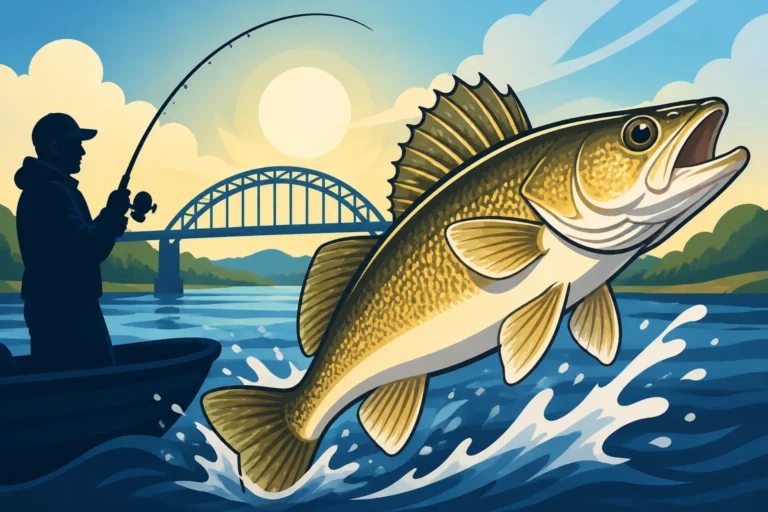
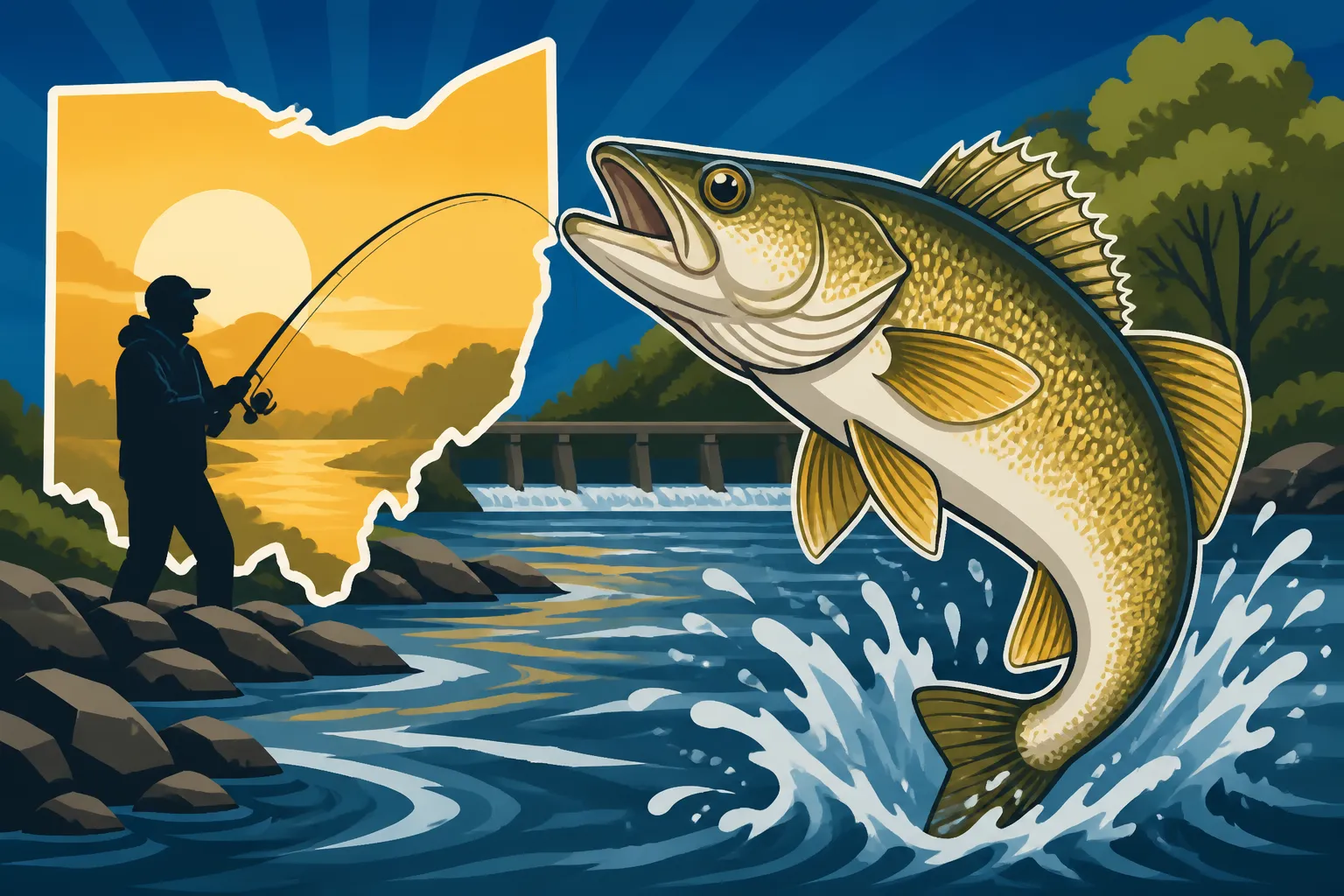
The Maumee River is the largest tributary to Lake Erie, and every spring, as the ice recedes and water temperatures begin to climb, an incredible migration takes place. Millions of walleye from Lake Erie, driven by an ancient instinct, surge upstream into the Maumee to spawn. They're looking for rocky bottom areas to deposit their eggs, and the Maumee River provides the perfect habitat. This mass movement concentrates an unbelievable number of fish into a relatively narrow waterway, making for some of the most phenomenal shore-fishing opportunities anywhere in the country. It's truly a bucket-list experience for any angler, regardless of their skill level.
Understanding their migration is key. This surge of fish is directly related to Walleye Spawning Behavior in Ohio – they're not just moving for fun, they're on a mission to reproduce. This makes them incredibly aggressive and focused, often willing to strike at various presentations as they push upstream or settle into holding areas. The sheer numbers mean you're almost always fishing over fish, which boosts confidence and makes for an exciting day on the water, even if it's elbow-to-elbow with fellow enthusiasts.
When Does the Walleye Run Typically Occur?
Ah, the million-dollar question! Pinpointing the exact start and peak of the Maumee River walleye run can feel like chasing a phantom, as it's heavily dependent on Mother Nature. Generally speaking, the run kicks off in late March and can last well into April, sometimes even spilling into early May. The real trigger, however, is water temperature. Anglers often start seeing serious numbers of fish when the water temperature consistently hits the mid-40s Fahrenheit.
The peak action usually happens when the water is between 48 and 55 degrees Fahrenheit. This is when the spawning activity is in full swing, and the river can feel like it's boiling with fish. Keep an eye on local fishing reports and river conditions. The Maumee River flow and clarity also play a huge role. High, muddy water can slow things down, while stable, clear-ish conditions can ignite the bite. For specific insights into the typical timing, you might want to check out When the Maumee River Walleye Run Starts. It's always a good idea to monitor these factors closely if you're planning a trip.
Essential Gear and Techniques for Maumee Walleye
Once you've wrapped your head around the when and why of the run, the next crucial step is getting your gear dialed in. You don't need a boat or fancy electronics to catch fish here, but having the right setup and understanding the local techniques will definitely put more walleye in your net.
The Go-To Setup: Rods, Reels, and Line
When you're dealing with current and potentially large, strong walleye, your equipment needs to be up to the task.
- Rods: Most Maumee regulars opt for spinning rods between 6'6" and 7'6" in length. A medium-light to medium action is preferred, with a fast or extra-fast tip. This combination gives you enough sensitivity to feel those subtle walleye bites, but also enough backbone to drive the hook home and fight a strong fish in the current without getting completely worn out. A sensitive graphite rod is a huge advantage here.
- Reels: Pair your rod with a reliable spinning reel in the 2500 to 3000 series. Smooth drag is non-negotiable. These reels offer a good balance of line capacity and comfortable handling for repetitive casting. Brands like Shimano, Daiwa, or Penn are popular choices because of their durability and consistent performance.
- Line: This is where opinions can vary, but generally, a 6 to 10-pound test monofilament or fluorocarbon main line is common. Some anglers prefer braid for its sensitivity and strength, but if you go that route, a fluorocarbon leader (6-10 lb) is almost always a good idea. The clear leader is less visible to line-shy walleye, and it offers abrasion resistance against the river's rocky bottom. Stick to lighter lines for better feel and castability, especially when you're making long casts. Always double-check your knots, as even a slight nick can lead to a lost trophy fish.
Lures and Techniques: Jigs are King!
When it comes to Maumee River walleye, jigs reign supreme. Forget the fancy crankbaits or trolling setups – this is a finesse game for the most part, designed for shore anglers.
- Jigs: Lead head jigs, typically in 1/2 to 5/8 ounce sizes, are the bread and butter. The weight you choose will depend heavily on the river's current flow. You want a jig heavy enough to get to the bottom and stay there without constantly getting swept away, but not so heavy that you can't feel it bouncing along. If the river is running fast, you might even go up to 3/4 oz.
- Soft Plastics: The absolute staple for the Maumee is a brightly colored soft plastic twister tail or paddletail grub, usually 3 to 4 inches long. Chartreuse, pink, orange, and white are perennial favorites. Don't be afraid to experiment with combinations, like a chartreuse jig head with a pink tail. The action of these tails in the current is what really entices the walleye. Some anglers also use scented soft plastics, like those from Berkley Gulp! or Z-Man, which can add an extra layer of attraction.
- Techniques: The primary technique is a controlled drift or slow retrieve. You cast your jig slightly upstream and across the current, letting it sink and bounce along the bottom. You want to maintain just enough tension to feel the jig ticking off rocks and gravel. Walleye often hit on the pause, or as the jig falls. It’s a subtle tap, sometimes just a heavy feeling, so pay close attention. A lot of beginners miss bites because they're waiting for a violent strike. Setting the hook immediately when you feel anything out of the ordinary is crucial. For more general walleye techniques that translate well, consider exploring Best Ohio Walleye Fishing Techniques.
Table: Common Maumee River Walleye Jig & Soft Plastic Combinations
| Jig Head Weight (Oz.) | Soft Plastic Tail Type | Popular Colors | River Flow Conditions | Notes |
|---|---|---|---|---|
| 1/2 oz | Twister Tail / Grub | Chartreuse, Pink, White | Moderate to Slow | Good for lighter current and shallower areas. |
| 5/8 oz | Twister Tail / Grub | Orange, Firetiger, Chartreuse | Moderate to Fast | The most common all-around weight. |
| 3/4 oz | Paddletail / Grub | Pink/White, Orange/Chartreuse | Fast / High Water | Helps maintain bottom contact in strong currents. |
| 1/4 – 3/8 oz | Small Grub | Natural, Pearl, Light Green | Very Slow / Post-Spawn | For finicky fish or shallower, calmer eddies. Less common during peak. |
Remember, walleye are often hugging the bottom, especially when they're staging or actively spawning. Your goal is to get your lure in their strike zone.
Wading Gear and Safety
Wading is how most anglers fish the Maumee River during the run. The right gear not only keeps you comfortable but, more importantly, keeps you safe.
- Waders: Neoprene or breathable chest waders are essential. Neoprene offers more warmth in cold spring waters, while breathable waders are lighter and more comfortable on warmer days. Make sure they fit well and don't leak.
- Wading Boots: Felt-soled wading boots with studs are a game-changer for traction on the slippery, rocky bottom of the Maumee. The current can be strong, and underwater rocks are often covered in slick algae, making falls a real risk. Never skimp on proper footwear.
- Wading Staff: A collapsible wading staff provides crucial stability, helping you test depth and maintain balance in swift currents. It's a non-negotiable safety item, especially if you're venturing into deeper water or unfamiliar areas.
- PFD (Personal Flotation Device): While not always required for wading, wearing a lightweight, inflatable PFD is a smart safety precaution, especially if you're not a strong swimmer or if you're wading in particularly deep or fast-moving water. The river can be surprisingly powerful, and cold water immersion is a serious danger. Always exercise extreme caution, and never wade alone if possible. Understanding river safety can save your life, and while it's not directly about steelhead, insights from What Flow Is Too High to Fish Ohio Steelhead Rivers? can offer valuable perspective on river current dangers.
Navigating the Maumee: Access and Etiquette
The Maumee River walleye run is famous, which means it attracts a crowd. Knowing where to go and how to behave respectfully is just as important as knowing your gear.
Popular Access Points and What to Expect
The Maumee River offers several excellent public access points, particularly in the Toledo area. These spots can get incredibly busy, so planning your trip, especially if it's a weekend, is key.
- Side Cut Metropark (Maumee): This is arguably the most famous and popular access point. It features extensive wading opportunities, with a long stretch of riverbank accessible. The "Blue Grass Island" area, just upstream from the main park, is a legendary spot when conditions are right. Parking can be a nightmare during peak times, so arriving well before dawn is often necessary. The park also offers amenities like restrooms.
- Blue Grass Island (Maumee): Technically part of Side Cut Metropark, this island is only accessible when the water levels are low enough to walk across. When it's open, it offers fantastic fishing. Always check the water levels before attempting to cross, as sudden rises can strand anglers.
- Jerome Road (Maumee): Another popular spot, particularly for those looking for slightly less crowded areas than Side Cut's main stretch. It offers good wading access and typically has a mix of current and calmer areas. Parking is also limited here and fills up quickly.
- Wehrle's Dam / Grand Rapids (Grand Rapids): Further upstream, this area can be excellent, especially during the earlier stages of the run or if the lower river is too crowded. It features a dam that creates a natural barrier, concentrating fish below it. It's a bit of a drive from Toledo, but can offer a different fishing experience.
For a detailed breakdown of these and other locations, refer to Best Access Points for the Maumee River Walleye Run. Always remember that these are natural environments; respect the rules of the Metroparks and the river itself.
The Unwritten Rules: Maumee River Etiquette
With thousands of anglers converging on a relatively small area, good etiquette is paramount to ensuring everyone has a decent experience.
- Give Space: This is probably the most important rule. While it's common to fish shoulder-to-shoulder, try to leave a reasonable casting distance between yourself and the next angler. Don't cast over someone else's line, and be mindful of your backcast. A good rule of thumb is to give about 10-15 feet of space if possible.
- "The Slide": This is a classic Maumee tradition. Anglers generally move slowly downstream, step-by-step, as they fish. When someone catches a fish, reels in to re-bait, or simply wants to move, they slide down a few feet. Don't jump in front of someone or try to take their spot. Follow the flow.
- Don't Hog the Spot: If you've found a particularly productive seam or hole, enjoy it, but don't camp there all day, especially if others are waiting. Share the wealth, so to speak.
- Be Patient and Polite: Tempers can flare in crowded conditions, but a little patience and a friendly attitude go a long way. We're all out there for the same reason – to catch fish and enjoy the outdoors.
- Leave No Trace: Pack out everything you pack in. This includes discarded fishing line, bait containers, and any other trash. Let's keep the Maumee beautiful for everyone.
Maximizing Your Catch and Post-Trip Considerations
Once you're on the river, understanding the nuances of walleye behavior and proper fish handling will lead to a more successful and responsible fishing trip.
Reading the Water and Timing Your Attack
Walleye, even during a frantic spawning run, are still creatures of habit. Paying attention to the river itself can significantly increase your hook-up ratio.
- Current Seams and Eddies: Walleye will often hold in spots where they can conserve energy but still ambush passing bait. Look for current seams – the line where fast water meets slower water – and eddies, which are calmer pockets behind rocks, logs, or other obstructions. These are prime ambush points.
- Depth Changes: Walleye will often stack up in transition zones, like where a shallow flat drops into a deeper channel. Your jig bouncing along these edges can be deadly.
- Structure: Any kind of underwater structure, be it a rock pile, submerged tree, or even a subtle contour change, can hold fish.
- Time of Day: While the Maumee run can be productive all day, early mornings and late evenings often offer the best bite. Walleye are visually oriented predators, and low light conditions give them an advantage. This is similar to Best Time of Day to Catch Walleye on Lake Erie, where low light often translates to active feeding.
- Weather: Overcast days can also be fantastic for walleye, as the reduced light penetration makes them less shy. A slight chop on the water can also help break up your line's visibility and oxygenate the water, stirring up the bite.
Regulations, Handling, and Cleaning Your Catch
Before you hit the water, make sure you're up to date on all Ohio fishing regulations. This includes bag limits, size limits, and possession limits for walleye. The Ohio Department of Natural Resources (ODNR) publishes these rules annually, and they can change, so always check the latest guide. For all the essential information, consult the Ohio Fishing Regulations Every Angler Should Know and specifically Ohio Statewide Bag and Size Limits. Having a valid Ohio Fishing License Guide for Residents and Nonresidents is, of course, absolutely mandatory.
- Fish Handling: If you plan to release fish, handle them gently. Use a rubberized net to minimize harm to their protective slime coat. Remove hooks quickly with pliers or a de-hooker. If you're keeping fish, dispatch them humanely and get them on ice immediately to preserve their quality.
- Cleaning: Walleye are fantastic table fare. Many anglers will fillet their catch right on the riverbank or at designated cleaning stations if available. Knowing how to properly fillet a walleye will ensure you get the most delicious meat from your catch.
- Line Limits: Just a friendly reminder, don't forget the rules about how many lines you can fish with. Typically, it's two lines per angler in Ohio waters, but always double-check. For more on this, look into How Many Fishing Lines You Can Use in Ohio.
Considering a Guided Trip
While the Maumee River run is largely a do-it-yourself affair from shore, for those who prefer a more structured experience, especially if you're new to river fishing or just want to maximize your time on the water, booking a local guide can be a fantastic option. Guides often run drift boat trips that allow you to cover more water and access areas that are difficult to reach by wading. They provide all the necessary gear and, more importantly, a wealth of local knowledge.
Platforms like FishingBooker are excellent resources for finding experienced local guides who specialize in the Maumee River walleye run. They can often provide insights into current conditions, the best techniques for that particular day, and help you navigate the busy river safely. If you’re coming from out of state or simply want to learn the ropes quickly, a guide can be an invaluable investment. For a broader overview of guided opportunities, you can check out the Ohio Fishing Charter Guide.
The Maumee River walleye run is an exhilarating experience that every Ohio angler should try at least once. With the right preparation, a healthy dose of patience, and a respectful attitude, you're sure to create some incredible fishing memories.
Disclaimer
Fishing regulations and conditions are subject to change. Always consult the official Ohio Department of Natural Resources (ODNR) website or their current fishing regulations booklet before heading out on the water. This guide provides general information and recommendations.