When the Maumee River Walleye Run Starts
That electric anticipation for the Maumee River walleye run is something all Ohio anglers know well. You check the weather, you scour online forums, and you wonder: Is it happening yet? When will those fish finally push upriver? It's a yearly ritual filled with both excitement and a touch of frustration, trying to time your trip perfectly. This guide will walk you through exactly when the Maumee River walleye run typically kicks off, what factors influence its start, and how you can best predict the prime fishing windows to ensure you're there when the action truly begins.
Understanding the Maumee River Walleye Run Phenomenon
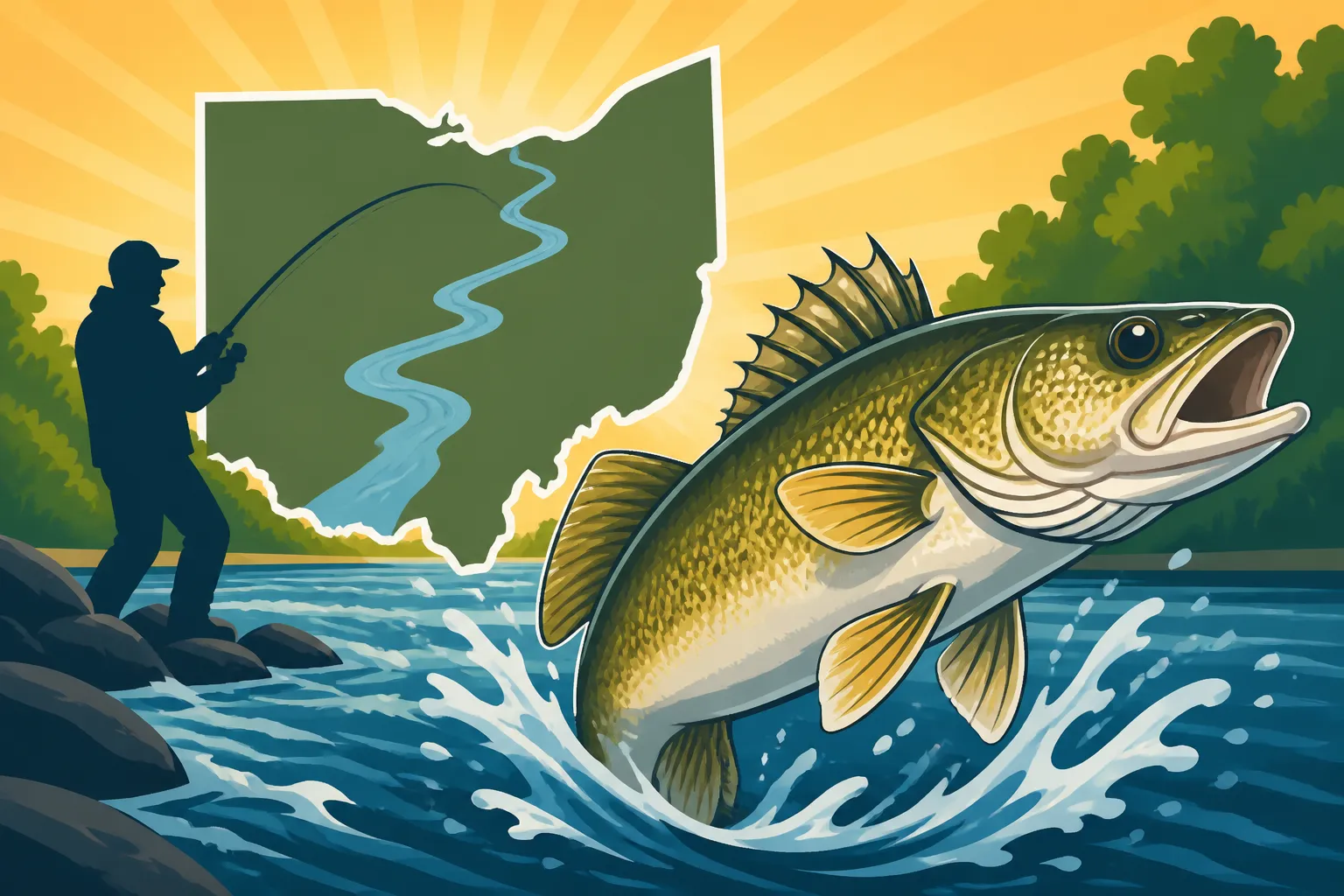
For many in Ohio, the Maumee River walleye run isn't just a fishing event; it's a rite of spring. It's an annual migration that draws thousands of anglers from across the state and beyond, all hoping to hook into one of Lake Erie's prized walleye as they make their way upstream to spawn. The sheer volume of fish that surge into the river makes it one of the most incredible freshwater fishing spectacles in North America.
The Annual Spectacle and Its Importance
Imagine standing shoulder-to-shoulder with hundreds of other passionate anglers, all casting into the same stretch of river, and hearing that familiar shout of "Fish on!" It’s an atmosphere unlike any other, fueled by the primal urge of walleye to reproduce. This isn't just about catching dinner; it's about being part of a natural phenomenon, experiencing the raw power of instinct. The run itself is crucial for the health and sustainability of the Lake Erie walleye population, which is robust thanks in part to these successful spawning migrations. Every year, millions of eggs are laid and fertilized in the river, contributing to the next generation of what many consider the best-tasting fish in Ohio.
Why the Maumee River?
The Maumee River isn't just a river; it's the river when it comes to Lake Erie walleye spawning. Its unique characteristics make it an irresistible destination for these fish. Unlike many other tributaries, the Maumee offers extensive stretches of shallow, rock- and gravel-bottomed areas that are perfect for walleye to deposit their sticky eggs. The gradual slope and moderate current in these areas ensure that eggs receive enough oxygen and aren't swept away too quickly. Furthermore, the river's relatively muddy bottom upstream helps provide crucial nutrients and habitat for juvenile walleye once they hatch. It’s a natural nursery, an ideal environment that has evolved over millennia to support this massive annual migration.
Pinpointing the Start: More Art Than Science
Ask any seasoned Maumee River angler, and they’ll tell you that predicting the exact start of the walleye run is less about a fixed date on the calendar and more about reading the nuanced signals from nature. While there are general windows, the precise timing is always a dance with environmental factors that fluctuate year to year.
Key Environmental Triggers
The undisputed king of all triggers for the walleye run is water temperature. Walleye are cold-blooded creatures, and their biological clock for spawning is primarily set by the water warming up to a specific range. While some pioneering fish might nose their way into the lower river when temperatures hover around 38-40 degrees Fahrenheit, the real influx, often called the "main run," typically doesn't begin until the water consistently reaches about 42-45 degrees Fahrenheit. This is when the largest numbers of fish start making their move. However, temperature isn't the only factor. River flow also plays a significant role. Stable or slightly rising water levels, often from snowmelt or spring rains, tend to encourage fish to move upstream. Conversely, extremely low or rapidly dropping water can make them hesitant. Another crucial element is the ice-out. While the run can begin with ice still present in parts of the river or bay, a full ice-out really signals that spring has arrived and clears the migratory path for the fish.
Consider this scenario: you've been watching the weather all winter, longing to get out there. You know that March is generally the month, but then you get a surprise warm spell in late February. The river ice breaks up, and the water temperature jumps to 40 degrees. You might think, "It's time!" But then a cold snap hits, dropping the water back to 35. The fish, sensing the instability, will hold back. They need sustained warmth to commit to the run. This is why "consistent" temperature is more important than a single warm day.
The Role of Weather Patterns
Weather isn't just about temperature; it's about everything from sunshine to rainfall. A long, cold winter can delay the run by weeks, pushing the prime action into mid-April or even later. Conversely, a mild winter and early spring can bring the run forward into early March. Heavy rainfall can cause river levels to rise dramatically and muddy the water, which can temporarily put the fish off the bite or make them harder to locate. While walleye are quite tolerant of turbidity, sudden, extreme muddiness can slow their progress. Conversely, too little rain can lead to critically low water levels, which also impacts how and when fish move upstream. Think about a year where heavy snowmelt comes gradually; that's often ideal, providing a steady flow of slightly warmer water. But if that snow melts too quickly and combines with heavy rains, you might see the river blow out, making fishing tough for a few days until it settles. Staying informed on river conditions is key to understanding the Maumee River walleye run fishing.
Typical Timing and Early Indicators
While nature dictates the precise start, there's a predictable rhythm to the Maumee River walleye run that experienced anglers anticipate each year. Knowing the general timeline and what to look for can significantly improve your chances of hitting the peak.
General Timeline and Historical Averages
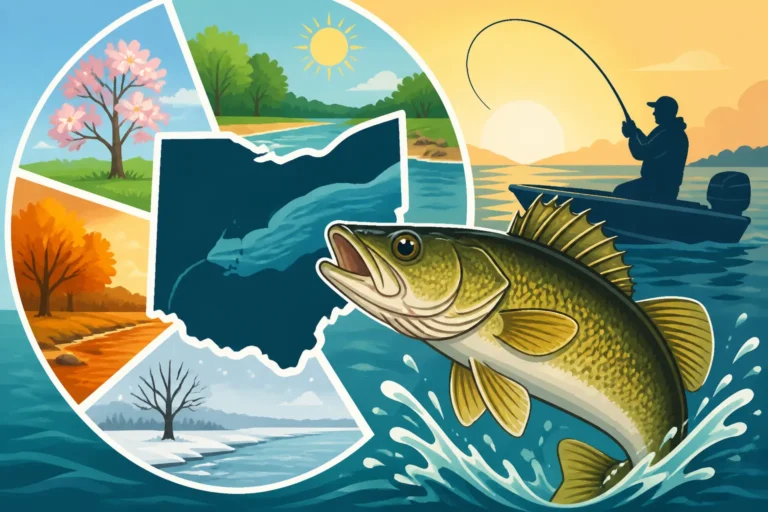
Historically, the Maumee River walleye run typically begins in late March. The first real push of fish usually hits around the last week of March, with the peak action often occurring in the first two weeks of April. However, it's not uncommon for the run to start as early as the first week of March in exceptionally mild years, or be delayed until mid-April during harsh, prolonged winters. It’s truly a spectrum. For instance, in 2023, a mild winter meant some anglers were reporting catches in late February, with the run kicking into high gear by mid-March. In contrast, 2018 saw a colder spring, pushing the main event closer to mid-April. This is why knowing the Ohio Fishing Season Calendar can give you a broad overview, but you need to dive deeper for specific events like this.
Signs the Run is Imminent
Beyond just checking the thermometer, there are several tell-tale signs that veteran anglers watch for. One of the earliest indicators is often observed on the lower river and in Maumee Bay: groups of male walleye beginning to stage. These "scout" fish will move in first, waiting for the water to hit that magic temperature threshold before making their push. Local bait shops, especially those along the river in Maumee and Perrysburg, become buzzing hubs of information. Anglers will start reporting scattered catches, and the chatter will increase exponentially.
You might also notice changes in baitfish activity. Shiners and other small forage fish, which walleye prey upon, also become more active as water temperatures rise. Keep an eye on online forums and social media groups dedicated to Ohio fishing; these can be goldmines of real-time reports. Even platforms like FishingBooker can offer insights, as local guides often share updates on conditions when their charters start getting into fish, providing a great resource for anglers looking to book a trip or simply stay informed. These guides are literally on the water daily and are often the first to know when the walleye are really showing up.
Practical Tips for Tracking the Walleye Run
Being prepared and staying informed are your best tools for successfully timing your Maumee River walleye trip. Don't just show up hoping for the best; use available resources to maximize your chances.
Monitoring River Conditions
The most critical data points you’ll need are water temperature and river flow. Several resources can help you track these:
- USGS National Water Information System: This is a fantastic, often overlooked resource. The U.S. Geological Survey maintains real-time stream gauges on rivers across the country, including the Maumee River. You can find data on current flow (cubic feet per second) and water height. Look for gauges near Waterville or Grand Rapids for relevant river conditions affecting the run.
- Ohio Department of Natural Resources (ODNR): The ODNR often provides updates or links to relevant river conditions, especially as the run approaches. Their website is a treasure trove of information, from Ohio Fishing Regulations Every Angler Should Know to specific fish reports.
- Local Bait Shops: These are indispensable. Shops like Maumee Tackle and Angler's Supplies in Maumee, or others in the surrounding areas, get daily reports from anglers. They'll tell you not just the water temperature, but also the clarity, what baits are working, and where the fish are being caught. Call them! They love talking fishing.
A good rule of thumb: aim for stable or slowly rising water temperatures in the 42-50°F range. As for flow, consistent levels that aren't too high (making it unsafe or too fast to fish effectively) or too low (making access difficult) are ideal. A general target for good fishing conditions is often around 5,000-10,000 cubic feet per second (cfs) at the Waterville gauge, though fish can be caught outside this range. If you’re wondering about How Many Fishing Lines You Can Use in Ohio during this crowded time, remember that the general statewide rule is up to two lines, but always check specific local regulations for any exceptions.
Engaging with the Angling Community
You are not alone in your pursuit of Maumee River walleye! The angling community, especially those focused on this specific run, is incredibly active and generous with information.
- Online Forums and Social Media Groups: Search for "Maumee River walleye run" groups on Facebook or dedicated Ohio fishing forums. People post real-time photos, catch reports, and conditions updates. This is where you’ll hear about the first big push of fish, specific techniques that are working, and even parking situations at popular access points.
- Local Fishing Clubs: Many towns along the Maumee River have active fishing clubs. Attending a meeting or reaching out can provide you with invaluable local knowledge and camaraderie.
- Charter Captains and Guides: If you’re serious about a successful trip, especially if you're traveling a long distance, consider booking a guided trip. Guides are on the water constantly and possess an intimate knowledge of the run. Platforms like FishingBooker allow you to browse and book local guides who specialize in the Maumee River walleye run, giving you access to their expertise and often current conditions reports. They know the subtle nuances that only experience can teach.
Preparing for the Early Days
The early part of the walleye run, before the peak, can be challenging but also incredibly rewarding for those who brave the elements. You'll likely encounter colder water, potentially higher and muddier flows, and often fewer fish than at the peak. This means your gear and techniques might need to adapt.
- Dress Warm and Layer Up: Early spring in Ohio can be fickle. Expect anything from freezing rain to bright sunshine. Waterproof and windproof outer layers are essential.
- Heavier Tackle: If the current is strong, you'll need heavier jigs (1/2 oz to 3/4 oz, sometimes even 1 oz) to get your bait down to the fish. Focus on jigging techniques that allow you to maintain bottom contact. Consider using brightly colored jigs or those with contrast to stand out in stained water.
- Patience is Key: The bites can be subtle in cold water. Don't be afraid to slow down your retrieve and pay close attention to any unusual taps or resistance. The Best Ohio Walleye Fishing Techniques can vary widely depending on conditions, so be ready to adapt.
- Understand Access: Popular spots like Buttonwood Park or Side Cut Metropark will get crowded, especially as the run picks up. Scout out alternative access points or plan to arrive very early. Remember to check Ohio State Park Fishing Rules if you plan to fish within those boundaries. And, of course, make sure your Ohio Fishing License Guide for Residents and Nonresidents is up to date before you even think about wetting a line!
Disclaimer
Please remember that fishing conditions, regulations, and fish behavior are subject to change. Always consult the latest Ohio Department of Natural Resources (ODNR) fishing regulations booklet or website before heading out on the water. This guide provides general information and historical trends; actual conditions may vary.