Muskingum River Fishing for Catfish and Sauger
There's nothing quite like the Muskingum River, a true gem in Ohio for anglers, but trying to figure out where the best spots are for specific species like catfish and sauger can feel like cracking a secret code. Many folks get frustrated by the seemingly endless stretches of water, unsure of what techniques work best or even where to start. This guide is here to demystify Muskingum River fishing, offering practical advice and local insights to help you consistently land those powerful catfish and elusive sauger.
Navigating the Unique Waters of the Muskingum River
The Muskingum River isn't your average meandering stream. It's a powerhouse, a significant tributary to the Ohio River, and its distinctive character, shaped by a historic lock and dam system, creates some incredible fishing opportunities that you won't find just anywhere. Understanding this river's flow, its deep pools, and its structures is the first step to a successful day on the water.
Understanding the Lock and Dam System
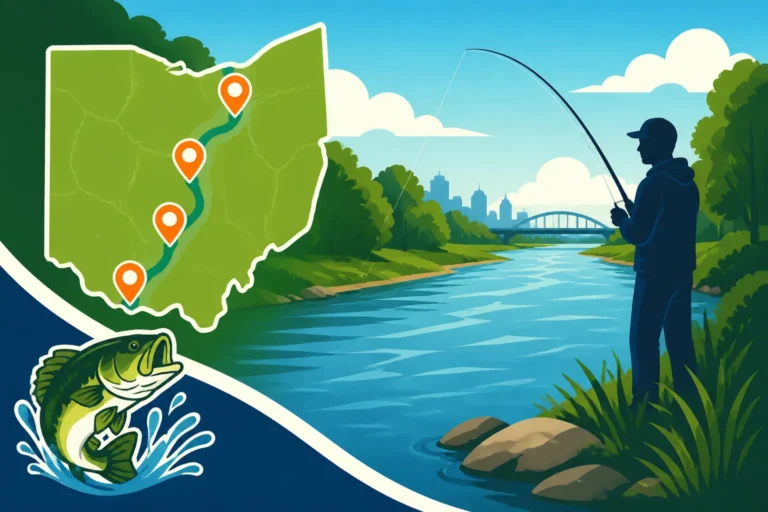
What really sets the Muskingum apart is its series of ten locks and dams, stretching from Ellis to Marietta. This isn't just a historical curiosity; it fundamentally changes the river's hydrology and, in turn, where the fish live and feed. Each dam creates a distinct pool upstream, often with slower-moving water, deeper channels, and prime habitat for a variety of species. Below each dam, you'll find turbulent, oxygen-rich waters that act as feeding frenzies, especially for sauger and channel catfish.
The dams themselves are critical focal points. The current below them can be incredibly strong, but it also washes food items downstream, concentrating baitfish and drawing in predators. Anglers often find success fishing the seam where the faster current meets slack water, or in the eddies that form behind current breaks like rock piles or bridge pilings. Don't be shy about exploring upstream of the dams too, particularly in the lower, deeper sections of the pools where fish can hold in cooler water during warmer months. Remember, the river level and current can change dramatically, especially after heavy rains, so always exercise caution and check conditions before heading out.
Prime Fishing Structures and Habitat
Beyond the immediate vicinity of the locks and dams, the Muskingum River offers a smorgasbord of structures that hold fish. Think about it: a river this old and developed has everything from natural rock outcroppings to man-made riprap, downed trees, and bridge abutments. These aren't just random features; they're fish magnets.
For catfish, especially the larger flatheads, you're looking for deep holes with heavy cover. This could be a pile of submerged logs, an old sunken barge, or even just a pronounced drop-off in the riverbed. Channel catfish, while also appreciating deeper water, are a bit more nomadic and will cruise flats, channel edges, and even shallower areas during feeding periods. Sauger, on the other hand, love current. They'll often be found hugging the bottom in moderate to strong current, using eddies and current breaks to ambush unsuspecting baitfish. Look for them in deeper scour holes below riffles, along the main river channel where the current is steady, or in the deeper sections around bridge piers. Understanding these preferences helps you narrow down your search, turning what feels like a vast river into a series of manageable, productive fishing spots. If you're looking for general guidance on which species prefer which environments, our Ohio Fish Species Identification Guide can be a fantastic resource.
Mastering Catfish on the Muskingum River
The Muskingum River is a phenomenal destination for catfish anglers, boasting healthy populations of both channel catfish and flathead catfish. These powerful fish offer an incredible fight and, let's be honest, they're pretty tasty too! But catching them consistently requires more than just tossing a worm in the water. It's about understanding their habits, their preferred meals, and where they like to hang out in a river environment.
Top Baits and Techniques for Channel and Flathead Cats
When it comes to catfish, bait is king, but the type of bait often depends on the species you're after. For channel catfish, which are notorious scavengers, you can't go wrong with classic stink baits. Prepared baits like Sonny's Super Sticky or Catfish Charlie's are highly effective, as are cut baits made from shad, skipjack, or even bluegill. Some anglers swear by chicken livers, particularly when fished in a current to allow the scent to disperse. A simple bottom rig, like a Santee Cooper rig or a slip-sinker rig, with a strong circle hook (sizes 2/0 to 5/0, depending on bait size) is typically all you need. Cast your bait out, let it settle on the bottom, and wait for that distinctive, often subtle, catfish bite. These adaptable fish can be found in various depths, from the deeper pools below dams to the edges of shallower flats, especially during twilight hours. For more specific bait recommendations, check out our Best Baits for Ohio Catfish guide.
Flathead catfish, on the othering hand, are apex predators with a strong preference for live bait. Forget the stink bait for these guys; they want something alive and kicking. Live bluegill, sunfish, shad, or even smaller suckers are prime choices. Make sure your live bait is legal to use and locally sourced if possible. Use robust tackle, as flatheads grow massive and fight dirty. A heavy-action rod, a reel spooled with 30-50 lb monofilament or braid, and a strong leader with an 8/0 or larger circle hook is essential. Present your live bait near heavy cover in deep holes, allowing it to swim naturally. Patience is key with flatheads; they often take their time before committing to a strike. The best times are usually from late evening into the night, when these nocturnal hunters are most active.
Locating Catfish Hotspots
Finding catfish on the Muskingum often means looking for depth and current breaks. For channel catfish, start by targeting the deeper bends in the river, the tailwaters below dams, and any areas with submerged structure like log jams or brush piles. The downstream side of bridge pilings can also be incredibly productive. They're opportunistic feeders, so areas where baitfish congregate are always a good bet. During warmer months, they might even push into shallower, oxygenated riffles during low-light conditions.
Flathead catfish are a different beast. They're homebodies that prefer to hide out in ambush points. Their hotspots are typically deeper than channel cats', often in holes adjacent to heavy cover. Think about the deepest scour holes directly below a dam or lock, large log jams that create significant underwater caves, or deep pockets along the main river channel that offer protection from the strongest current. They're often found directly on the bottom, waiting for prey to drift by. Using a fish finder can be invaluable here to locate these deep depressions and structure. Sometimes, the best way to find a flathead is to anchor upstream of a promising spot and let your live bait drift down into their lair, or to use a kayak to quietly explore secluded, deep banks with fallen trees. Don't forget that if you decide to hire a guide for these elusive fish, platforms like FishingBooker can connect you with experienced Muskingum River catfish specialists.
Chasing Muskingum River Sauger
While Lake Erie might get all the glory for its walleye, the Muskingum River offers an incredible opportunity to target their equally delicious, though often smaller, cousin: the sauger. These fantastic game fish thrive in river environments and provide a thrilling challenge for anglers. They're often misunderstood, sometimes mistaken for walleye, but once you learn their habits, you'll find them to be a worthy target.
Identifying Sauger and Their Preferred Haunts
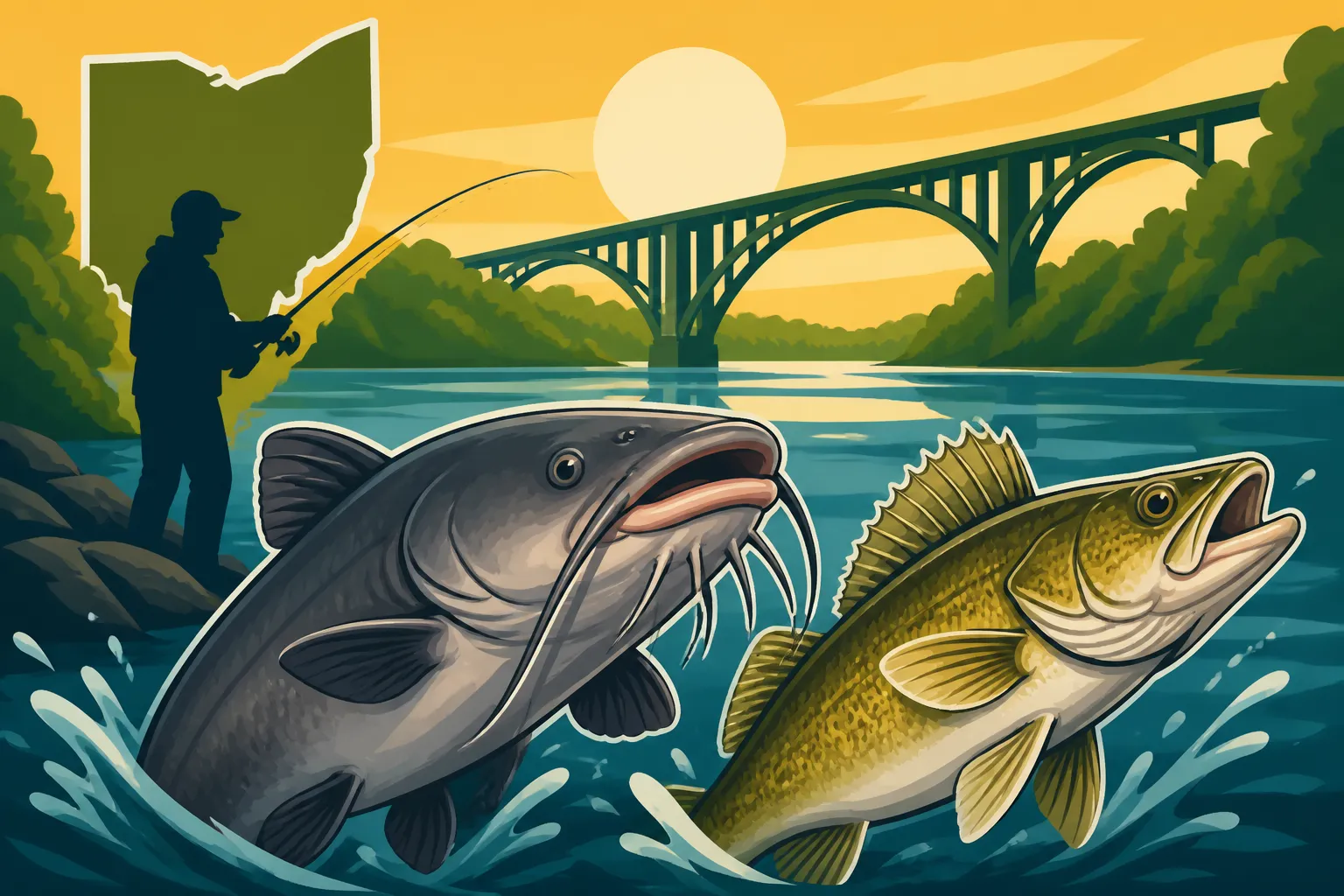
First things first: how do you tell a sauger from a walleye? While they share many similarities, sauger typically have distinct dark spots on their dorsal fin membranes, and their bodies are often more mottled or blotchy with irregular dark splotches, helping them camouflage in rocky, riverine environments. Walleye, conversely, usually have a more uniform golden-green color and a prominent white tip on the lower lobe of their tail fin, which sauger lack. Knowing your Ohio Sauger Identification is key not only for correct bragging rights but also for adhering to specific regulations that might differ from walleye.
Sauger are true river dwellers, preferring moderate to strong current. Unlike walleye which might venture into slower pools, sauger consistently gravitate towards areas with good flow. Their preferred haunts on the Muskingum River include the tailwaters below dams, deeper scour holes, the main river channel where current is constant, and the eddies created by bridge piers or large rock structures. They tend to hug the bottom, especially in deeper water, using the current to their advantage to ambush baitfish. Look for them in depths ranging from 10 to 30 feet, often concentrating where the current breaks or where a defined channel exists. As the seasons change, their specific locations might shift slightly, but their preference for current remains constant.
Effective Lures and Presentations
When targeting sauger on the Muskingum, jigging is arguably the most effective technique. They're bottom-oriented fish that respond incredibly well to presentations that mimic injured baitfish or crawfish.
Jigs with soft plastics: A 1/4 to 1/2 ounce lead-head jig tipped with a soft plastic grub, curly tail, or shad body is a sauger killer. Popular colors often include chartreuse, pearl, motor oil, or pumpkinseed. The key is to keep your jig bouncing along the bottom, drifting with the current, making sure it taps the substrate occasionally. This creates puffs of sediment that attract attention and mimics natural forage.
Blade baits: These vibrating lures, like a Silver Buddy or Cicada, are fantastic for sauger, especially when jigged vertically in current. Their intense vibration and flash can draw strikes from aggressive fish. Let them sink to the bottom, then snap your rod tip up sharply to make them vibrate, letting them fall back on a semi-slack line.
Live bait: If you prefer live bait, a shiner or small minnow fished on a slip-sinker rig (similar to catfishing but with lighter tackle) is highly effective. You can also tip your jigs with a small piece of minnow or a nightcrawler for added scent and appeal.
Three-way rigs: In strong currents, a three-way rig can be deadly. Attach a heavy sinker to one swivel, a short leader with a minnow or jig to another, and your main line to the third. This allows your bait to stay near the bottom while drifting effectively.
The most important aspect of sauger fishing is maintaining bottom contact. If you're not bumping the bottom, you're likely not where the sauger are. Use the lightest jig possible that still allows you to feel the bottom and control your drift. Pay close attention to your line, as sauger bites can be subtle – often feeling like a slight tick or just added weight. If you're struggling to locate them on your own, consider booking a trip through a service like FishingBooker to learn the nuances of river sauger fishing from a local expert.
Essential Gear and Regulations for Muskingum Anglers
Fishing the Muskingum River, especially for larger species like catfish and sauger, requires a bit more thought than just grabbing any old rod and reel. Having the right gear not only makes the experience more enjoyable but also significantly increases your chances of success and ensures you're prepared for whatever these powerful river fish throw at you.
Recommended Tackle and Electronics
For catfish, particularly the potential monster flatheads, you'll want heavy-duty equipment.
- Rods: Look for medium-heavy to heavy power casting rods, typically 7 to 9 feet long, with a fast to moderate-fast action. This provides the backbone needed to wrestle big fish out of cover.
- Reels: A sturdy baitcasting reel with a good drag system is ideal. Look for models capable of holding 150-250 yards of 30-50 lb test line.
- Line: Braided line (50-80 lb test) is often preferred for its strength and sensitivity, especially when fishing around snags. If using mono, opt for 30-50 lb test. A heavy monofilament or fluorocarbon leader (50-80 lb) is also a good idea to prevent break-offs on sharp structure or from toothy fish.
- Terminal Tackle: Heavy-duty swivels, 2-8 ounce pyramid or no-roll sinkers (depending on current), and strong circle hooks (sizes 5/0 to 10/0) are essential.
For sauger, you can typically go a bit lighter, but still prioritize sensitivity and strength to handle river current.
- Rods: Medium-light to medium power spinning or casting rods, 6 to 7 feet long, with a fast action are perfect for jigging and feeling those subtle bites.
- Reels: A reliable spinning reel in the 2000-3000 size range, or a low-profile baitcasting reel.
- Line: 6-12 lb test fluorocarbon or braided line with a fluorocarbon leader is excellent for sensitivity and strength.
- Terminal Tackle: 1/4 to 1/2 ounce jigs, blade baits, and small-to-medium sized hooks (sizes 1/0 to 2) for live bait.
Electronics: A good fish finder is a game-changer on the Muskingum. It helps you identify those crucial deep holes, submerged logs, and channel breaks where fish hold. Side imaging or down imaging can be particularly useful for scanning wide areas or pinpointing structure. A GPS unit is also invaluable for marking productive spots and navigating safely, especially if you're exploring new stretches of the river.
Here's a quick comparison of tackle for each species:
| Feature | Catfish (Channel/Flathead) | Sauger |
|---|---|---|
| Rod | Heavy-action casting, 7-9 ft | Med-light to Med spinning/casting, 6-7 ft |
| Reel | Large baitcaster, heavy drag | 2000-3000 size spinning or low-profile baitcaster |
| Main Line | 30-80 lb mono/braid | 6-12 lb fluoro/braid |
| Leader | 50-80 lb mono/fluoro | 6-12 lb fluoro |
| Hooks | 5/0-10/0 Circle Hooks | 1/0-2 Jig hooks, Aberdeen hooks |
| Sinkers | 2-8 oz Pyramid/No-roll | 1/4-1/2 oz Jig heads, split shot |
| Primary Baits | Live bluegill, cut bait, stink bait | Minnows, soft plastic grubs, blade baits |
| Technique | Bottom fishing, anchored | Jigging, drifting |
Key Ohio Fishing Regulations to Remember
Fishing in Ohio, including on the Muskingum River, comes with specific rules and regulations designed to protect fish populations and ensure fair chase. It's every angler's responsibility to know and follow these rules. First and foremost, anyone aged 16 or older needs an Ohio fishing license. You can easily purchase or renew yours online, which is super convenient – check out our guide on Buying an Ohio Fishing License Online for details.
Beyond the license, pay close attention to:
- Bag and Size Limits: Specific daily bag and minimum size limits apply to different species. While general Ohio rules often apply, river-specific rules can sometimes be in effect, particularly on bodies of water that are part of interstate fishing compacts (though the Muskingum is fully within Ohio). Always consult the current Ohio Fishing Regulations booklet or the ODNR website. For instance, there are specific Ohio Catfish Daily Bag Limits and Ohio Saugeye Minimum Length Limits, which might apply to sauger as well, or there may be distinct regulations.
- Number of Lines: In Ohio, you are generally allowed to fish with up to two poles and lines at a time. This includes the Muskingum River. Read more about How Many Fishing Lines You Can Use in Ohio.
- Live Bait Regulations: Be aware of what can and cannot be used as live bait, especially when using other fish species. Transporting certain baitfish between different drainages is often prohibited to prevent the spread of disease or invasive species.
- Dam Safety Zones: There are often safety zones below dams where fishing may be restricted or prohibited due to dangerous currents. Always observe signage and maintain a safe distance.
It’s always a good idea to download the latest Ohio Fishing Regulations PDF or grab a physical copy before your trip. Regulations can change annually, so what was true last year might be different this year. Staying informed keeps you legal and ensures you're contributing to sustainable fishing practices for future generations.
Disclaimer
Please note that fishing conditions, regulations, and recommendations can change. Always consult the official Ohio Department of Natural Resources (ODNR) website or the current Ohio Fishing Regulations booklet for the most up-to-date information before planning your fishing trip. This guide is for informational purposes only and does not constitute legal advice. Stay safe and have fun out there!